Pros And Cons of Ceramic Cookware for Everyday Cooking Explained

Ceramic cookware has become a popular choice in many kitchens. I see it everywhere—bright colors, glossy finishes, and lots of claims about being safer and easier to cook with. But is ceramic really the best pick for everyday cooking? Knowing the pros and cons of ceramic cookware before you buy makes a big difference. In this article I share clear facts, tips from my experience, and practical buying guidance so you can choose with confidence.
A lot of people hear “ceramic” and picture clay or glass. In reality, most modern ceramic cookware is metal—usually aluminum or stainless steel—coated with a silica-based ceramic nonstick layer. That coating gives the pan its smooth surface, color options, and the things it can’t do. Understanding how the coating works explains both the strengths and limits of ceramic pans.
If you cook daily, the pan you pick affects your food and your kitchen routine. I’ll walk you through what ceramic cookware does well, where it falls short, and when it makes sense in a real kitchen.
What Is Ceramic Cookware?
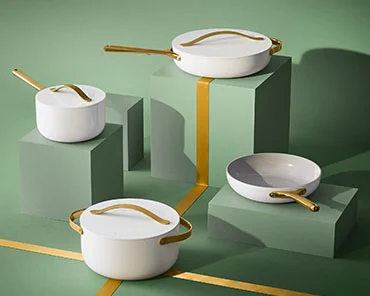
Ceramic cookware refers to pots and pans that use a ceramic-based nonstick layer. There are two main types you’ll run into:
- Pure ceramic: Made entirely from clay and fired in a kiln. These pieces are heavier and often used for baking, slow-cooking, or oven-to-table serving.
- Ceramic-coated: The most common type. A metal core—often aluminum or stainless steel—is finished with a silica-based ceramic coating. This is what most people buy for everyday stovetop cooking.
The ceramic coating is typically free from PTFE and PFOA, the chemicals used in classic nonstick (Teflon). That difference is a major reason people choose ceramic as a “greener” or more chemical-free option.
Pros Of Ceramic Cookware
Ceramic pans are not just pretty. Below are the main reasons cooks pick ceramic for everyday use. I’ll also add small tips from my own kitchen habits.
1. Nonstick Cooking Performance
The ceramic coating creates a very smooth surface. Eggs, pancakes, and fish release easily. You can often use little or no oil. In my kitchen, I reach for a ceramic pan for soft-cooked eggs and delicate fish fillets because they slide off cleanly.
2. Chemical-free And Safe
Ceramic coatings are usually PTFE- and PFOA-free. Those two chemicals can emit toxic fumes if overheated. Because ceramic is silica-based, it doesn’t use PTFE. That makes ceramic pans appealing for anyone worried about fumes or long-term chemical exposure.
3. Easy To Clean
Food rarely bonds to a clean ceramic surface. Most messes wipe away with warm soapy water and a soft sponge. I avoid the dishwasher to protect the finish, but quick hand-wash sessions are fast and easy.
4. Attractive Appearance
Ceramic cookware comes in modern colors and sleek shapes. You can take the pan from stovetop to table and it looks presentable. If you like matching kitchenware or a pop of color, ceramic often delivers.
5. Even Heat Distribution
Higher-quality ceramic-coated pans use an aluminum or stainless steel base. That core helps the pan heat evenly. In cheap stainless pans I’ve used, hot spots are common. Good ceramic-coated pans usually reduce that problem.
6. Lightweight And Easy To Handle
Compared to cast iron or pure ceramic, ceramic-coated pans are lightweight. I notice this most when flipping pancakes or lifting a full fry pan—less strain on wrists and arms.
7. Versatility
Ceramic cookware works on gas and electric stoves and some models work on induction (check the label). Many pans also handle moderate oven temperatures, which adds flexibility for finishing dishes in the oven.
8. No Metallic Taste
A ceramic layer blocks direct contact with the metal core. That helps prevent metallic tastes some people notice with copper or low-quality aluminum pans.
9. Affordable Price
Ceramic sets are often cheaper than high-end stainless steel or pro-level nonstick brands. For a starter set or a second pan, ceramic gives a good balance of price and convenience.
10. Eco-friendly Production
Making ceramic coatings generally uses fewer hazardous chemicals than making PTFE-based pans. Some brands also use recycled metals for the core. If production impact matters to you, this is a small plus.

Credit: circulon.com
Cons Of Ceramic Cookware
Ceramic sounds ideal, but it has real downsides. These affect whether it should be your everyday pan or a specialty tool.
1. Shorter Lifespan
The ceramic nonstick layer can wear down faster than traditional PTFE coatings. With daily use you might see scratches, chips, or dulling within 1–2 years. Once the coating is damaged, the pan will start to stick and lose its usefulness.
2. Sensitive To High Heat
Most ceramic coatings begin to degrade above about 450°F (232°C). High heat can cause discoloration, bubbling, or cracking. That means ceramic pans are best for low to medium heat—not great for searing steaks or high-temperature stir-frying.
3. Not Truly Nonstick Forever
Ceramic pans are very nonstick at first. But over months the surface can become less slick. Cooking sprays and metal tools speed that decline. Expect performance to fall off gradually, not suddenly.
4. Requires Gentle Care
Protect the coating by using wood, silicone, or nylon utensils. Hand washing with a soft sponge is best. Dishwashers, abrasive pads, and metal scrapers shorten a ceramic pan’s life.
5. Not Induction-friendly (always)
Many ceramic pans use an aluminum core that is not magnetic. That means they won’t work on induction stoves unless a magnetic plate or a special base is added. Always check the maker’s specs if you have induction heat.
6. Can Stain Or Discolor
Light-colored ceramic surfaces can absorb color from tomato sauce, curry, or burnt foods. Stains don’t usually affect cooking, but they can make a pan look older and less appealing.
7. Handles And Lids May Not Be Oven-safe
Some ceramic cookware comes with plastic handles or glass lids that are not oven-safe. That limits the pan’s use for recipes that start on the stove and finish in the oven.
8. Uneven Quality Between Brands
There’s a wide gap in ceramic quality. Cheaper brands may use thin, fragile coatings that chip. Higher-priced brands typically apply thicker, more durable layers. Read reviews and choose trusted makers.
9. Not For All Cooking Styles
If you often use very high heat, deglaze pans for pan sauces, or regularly use metal tools, ceramic might not fit your routine. For those tasks, stainless steel or cast iron perform better.
10. Hard To Restore Once Damaged
A ceramic coating cannot be re-seasoned like cast iron. Once it chips or flakes, the usual fix is replacement. That’s an important cost and waste factor to consider.
Ceramic Cookware Vs. Other Cookware Types
Seeing how ceramic compares to other popular cookware helps you decide if it’s right for daily use. Here’s a quick comparison:
| Type | Nonstick | Heat Tolerance | Lifespan | Care Needed |
|---|---|---|---|---|
| Ceramic | Very Good (at first) | Up to 450°F (232°C) | 1-2 years | Gentle |
| Traditional Nonstick (Teflon) | Excellent | Up to 500°F (260°C) | 2-5 years | Moderate |
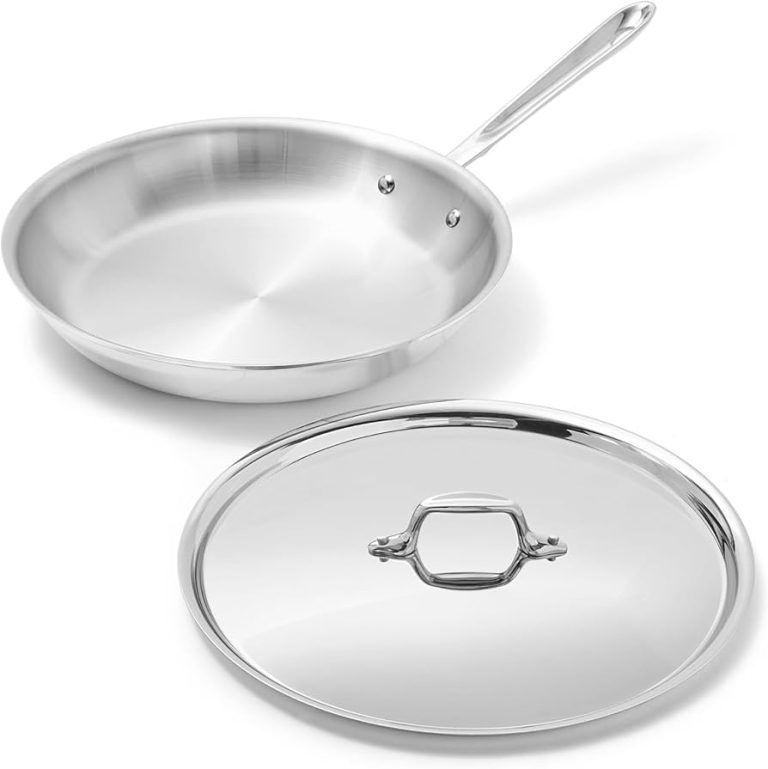
| Stainless Steel | Poor | Very High | 10+ years | Low |
| Cast Iron | Good (if seasoned) | Very High | Decades | Seasoning Needed |
When Is Ceramic Cookware A Good Choice?
Ceramic cookware is best for people who:
- Cook mostly at low to medium heat
- Want a chemical-free, nonstick surface
- Prefer light pans that are easy to lift
- Value appearance and want colorful kitchenware
- Are willing to use gentle utensils and hand-wash their pans
If you make eggs, pancakes, fish, or quick sautés regularly, ceramic pans will simplify cleanup and save oil. They’re also a good fit for families with kids or anyone sensitive to chemical fumes.
When To Avoid Ceramic Cookware
Ceramic is not ideal for:
- High-heat cooking, like searing or frequent stir-frying
- People who want cookware that lasts for decades
- Cooks who use metal utensils or run pans through the dishwasher often
- Those who want a single pan for every task
If your cooking needs include browning steaks, building pan sauces, or long oven roasts at high temperature, stainless steel or cast iron are usually better choices.
Common Mistakes With Ceramic Cookware
- Using high heat: High temperature speeds coating failure.
- Cooking sprays: Aerosol sprays leave stubborn residue that ruins nonstick performance.
- Metal utensils: They scratch and chip the surface.
- Dishwasher cleaning: Harsh detergents and high heat can fade and pit the coating.
- Stacking pans without protection: Surfaces get scratched. Use pan protectors or soft cloths when stacking.
Real-life Example: How Long Does Ceramic Cookware Last?
From my experience, a family of four using a ceramic pan for daily breakfast eggs may see the nonstick surface fade around 12–18 months, even with careful use. If you cook only once or twice a week, the same pan can last two years or more. Usage pattern, heat level, and how you clean the pan are the biggest factors in lifespan.
Credit: www.carawayhome.com
Practical Tips For Longer Life
- Always let the pan cool before washing.
- Avoid sudden temperature changes (hot pan to cold water).
- Use only soft sponges and mild detergent for cleaning.
- Store pans with a cloth or paper towel between them.
- Avoid stacking heavy pots on top of ceramic pans.
Cost Comparison
How does ceramic cookware stack up in terms of price? Here’s a look:
| Cookware Type | Average Price (8-inch Fry Pan) | Replacement Cycle |
|---|---|---|
| Ceramic | $20–$50 | 1–2 years |
| Teflon Nonstick | $15–$40 | 2–5 years |
| Stainless Steel | $30–$80 | 10+ years |
| Cast Iron | $25–$60 | Decades |
Ceramic pans can be very affordable. Keep in mind, though, that recurring replacement costs add up. If you prefer buying once and keeping it for years, stainless or cast iron may be more cost-effective.

Credit: chopchopusa.com
Non-obvious Insights About Ceramic Cookware
- The first few months are the best: New ceramic pans are at peak performance early on. Use them for sticky foods—eggs and pancakes—during this period.
- Let oil heat up first helps: Adding a bit of oil and letting it warm boosts the nonstick effect and reduces the chance of sticking.
- Some “ceramic” labels are misleading: Not all products labeled “ceramic” have the same formulation or durability. Look for brand transparency about coating layers and materials.
Frequently Asked Questions
What Is The Difference Between Ceramic And Teflon Nonstick Cookware?
Ceramic cookware uses a silica-based coating derived from sand. Teflon pans use a PTFE-based synthetic coating. Ceramic is usually PTFE- and PFOA-free, which appeals to people worried about chemical exposure. Teflon often lasts longer and maintains slickness better over time.
Can You Use Ceramic Cookware In The Oven?
Most ceramic-coated pans are oven-safe up to moderate heat (commonly 350–450°F). Still, always check the manufacturer’s instructions. Handles or lids may limit oven use, and some parts may not be rated for higher temperatures.
How Do You Clean Ceramic Cookware?
Wash with warm, soapy water and a soft sponge. Avoid harsh scouring pads, metal brushes, or the dishwasher if possible. For tough stains, make a paste of baking soda and water, let it sit, then gently wipe. Never use strong oven cleaners or bleach on the coating.
Is Ceramic Cookware Safe For Health?
Yes, ceramic coatings are generally considered safe. They do not contain PTFE or PFOA and typically do not release the harmful fumes associated with overheated Teflon. That said, product quality varies, so choose reputable brands and follow care instructions. For more details, see this Wikipedia article on ceramic cookware.
Why Does Food Start Sticking To My Ceramic Pan After A Few Months?
The ceramic nonstick surface wears down with use. High heat, metal utensils, and abrasive cleaning speed up the wear. Once the coating becomes scratched or less smooth, food will stick. At that point, use the pan for lower-stakes cooking or plan to replace it.
Ceramic cookware brings style, safety, and easy cleaning to many kitchens. It’s a strong choice for light-to-medium-heat cooking and delicate foods. But it isn’t perfect for very high heat or heavy-duty use. By knowing the pros and cons—and how to care for your pans—you can decide if ceramic should be part of your daily cooking toolkit or a helpful second pan.
How To Choose The Best Ceramic Cookware (Buying Checklist)
When you shop, I recommend checking these points. They help separate good ceramic pans from the weaker ones:
- Brand reputation and user reviews for durability.
- Clear labeling: “ceramic-coated” vs. “pure ceramic.”
- Core material—aluminum for heat distribution, stainless steel for durability and induction compatibility.
- Oven-safe temperature listed on the product page or packaging.
- Warranty terms—some makers offer limited warranties on coating failure.
- Replacement parts and availability of lids or accessories.
How To Care For Stained Or Worn Ceramic Pans
If your pan stains or loses its shine, try these steps before you replace it:
- Soak with warm water and baking soda for 30 minutes.
- Gently scrub with a non-abrasive sponge or a soft nylon brush.
- For stubborn stains, simmer a solution of water and a few tablespoons of baking soda for 10 minutes, then cool and wash.
- If the coating is flaking or severely scratched, replace the pan. Do not cook with flaking surfaces.
Kitchen Uses Where Ceramic Shines
From my experience, these are the best uses for ceramic pans:
- Soft eggs, omelettes, and scrambled eggs.
- Pancakes, crepes, and other breakfast items.
- Delicate fish fillets and thin filets that break easily.
- Quick sautés and vegetable stir-fries at medium heat.
- Everyday reheating and gentle simmering tasks.
If your cooking matches these patterns, ceramic cookware can save time and cleanup while staying safe and attractive in your kitchen.