Aluminium Cookware is Good for Health: Myths vs Facts 2026

I see aluminium cookware in almost every kitchen I visit. It is light, often shiny, and usually easy on the wallet. Still, I get asked a lot: “Is aluminium cookware safe for my health?” People hear mixed messages. Some worry about aluminium leaching into food. Others say it’s harmless. I wrote this article to clear up the confusion. I’ll share the facts, my own kitchen experience, and practical advice you can use when buying and cooking with aluminium pots and pans.
This guide compares aluminium with other common cookware materials. It also answers common questions about aluminium leaching, anodized aluminium, non-stick coatings, and who should be cautious. By the end, you’ll know when aluminium cookware is a smart, safe choice and when to pick something else.
Whether you are stocking a student kitchen, updating your pots, or simply curious, understanding the real health effects helps you make better choices for yourself and your family.
What Makes Aluminium Cookware Popular
Aluminium cookware is popular for several clear reasons. I use aluminium pans at home for many dishes, and here’s why many cooks do too.
Affordability: Aluminium usually costs less than stainless steel, copper, or cast iron. That makes it a practical choice for students, families, and anyone watching their budget.
Light weight: Aluminium is far lighter than cast iron or steel. If you find heavy pans hard to handle, a light aluminium pan is easier on the wrists and arms.
Heat conduction (thermal conductivity): Aluminium heats up fast and spreads heat evenly. That means food cooks quickly and with fewer hot spots. Professional kitchens often rely on this trait for fast, even cooking.
No rust and long life when cared for: Aluminium won’t rust like iron. Modern aluminium cookware usually comes anodized or with a non-stick coating. These finishes improve durability and reduce the chance of metal contacting food.
Is Aluminium Safe For Cooking?
This is the most common question. Short answer: for most healthy people, aluminium cookware is safe when used properly. Below I break down the science, the risks, and the practical steps I use to stay safe in my kitchen.
What Science Says
Research shows a small amount of aluminium can move into food while cooking. The good news is the amounts are usually tiny. Health bodies give clear guidance. For example, the World Health Organization (WHO) sets a tolerable weekly intake of 2 mg per kilogram of body weight. That helps put things in perspective for daily cooking.
To give a concrete example: many studies show cooking in aluminium pots may add roughly 0.1–2 mg of aluminium per meal, depending on food type, cooking time, and whether the pan is coated or bare. For most adults, this is a small share of the allowed weekly intake.
Types Of Aluminium Cookware
There are two main types you will meet in stores:
- Bare aluminium: This is uncoated metal. It is lightweight and heats well, but it can react with acidic foods and leach more aluminium.
- Anodized aluminium: Anodizing thickens and hardens the surface. It is tougher, more scratch-resistant, and far less reactive. Most modern aluminium cookware is anodized or has a bonded non-stick coating.
Common Myths And Real Risks
Two myths come up a lot. First, some claim aluminium cookware causes Alzheimer’s disease. Current scientific reviews do not support a clear link between aluminium cookware and Alzheimer’s. Aluminium is everywhere in the environment and in many foods, but the body absorbs little of it. Healthy kidneys remove most absorbed aluminium efficiently.
Second, fear about “toxic aluminium” is understandable. The real risk is limited. People with kidney disease who cannot remove aluminium well should be cautious. For healthy adults, the overall risk from properly used aluminium cookware is very low.
Credit: nyrakitchenware.in
Comparing Aluminium With Other Cookware Materials
To help you see where aluminium stands, here is a comparison with other common cookware materials:
| Material | Heat Conductivity | Weight | Health Concerns | Cost |
|---|---|---|---|---|
| Aluminium | Excellent | Light | Very low, if not damaged | Low |
| Stainless Steel | Average | Medium | None | Medium |
| Copper | Excellent | Medium | Can leach if not lined | High |
| Cast Iron | Poor | Very Heavy | Can add iron to food | Low/Medium |
| Non-stick | Good | Light/Medium | Safe if coating is intact | Medium |
As you can see, aluminium scores high for heat conductivity and lightness. It is also among the safest choices when you buy quality, coated, or anodized products and avoid using damaged pans.
Health Benefits Of Aluminium Cookware
While aluminium itself does not add nutrients to food, it offers real, indirect health advantages I’ve noticed in my kitchen:
- Faster cooking: Aluminium heats and cools quickly. Shorter cook times help preserve heat-sensitive vitamins like vitamin C and some B vitamins.
- Even heating: Fewer hot spots mean less burning. This helps with delicate dishes such as fish, eggs, and sauces.
- Less oil needed: Many aluminium pans have durable non-stick surfaces. Less oil lowers added fat and calories in everyday meals.
- Ease of cleaning: Quick cleanup makes me cook at home more often. Home cooking usually beats takeout for nutrition and cost.
- Affordable choice: Good cookware at a lower price helps more households prepare healthy meals from scratch.
When Should You Avoid Aluminium Cookware?
Aluminium cookware is safe for most people. Still, there are situations where you should take care or choose a different material.
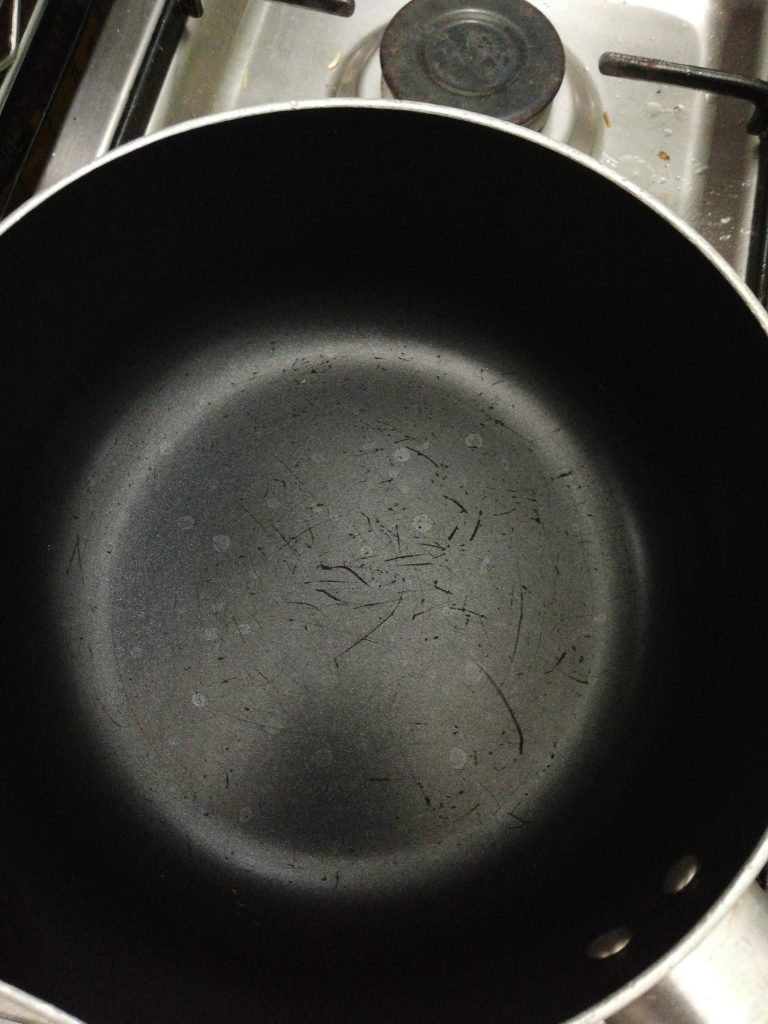
- Damaged cookware: If the non-stick or anodized layer is scratched or peeling, more aluminium may leach into food. Replace damaged pans promptly.
- Cooking acidic foods: Tomatoes, citrus, vinegar, and wine can react with bare aluminium. Use anodized or coated pans for these dishes.
- Babies and young children: For infant food and baby formula prep, I prefer stainless steel or coated options, simply to minimize any extra exposure while their systems develop.
- Kidney problems: Those with impaired kidney function should limit aluminium exposure and follow medical advice.
How To Use Aluminium Cookware Safely
Follow a few simple steps and aluminium cookware becomes low-risk and very practical. These are tips I use every week.
- Buy quality pans: Choose reputable brands. Look for “anodized aluminium,” “hard-anodized,” or “stainless-clad aluminium” labels.
- Avoid overheating: Don’t heat an empty pan on high for long. Overheating can damage coatings and shorten pan life.
- Do not store food in aluminium: Move cooked food to glass or plastic containers. Don’t store acidic leftovers in aluminium pots.
- Use wooden or silicone utensils: Metal tools can scratch the surface and reduce protection.
- Check for damage: Replace pans with deep scratches, peeling, warping, or odd discoloration.
What About Non-stick Coatings (PTFE/PFOA/PFAS)?
Many aluminium pans have non-stick coatings like PTFE (often called Teflon). Modern non-stick pans are usually PFOA-free. PFOA has been phased out in many countries. Still, avoid overheating these pans. High heat can degrade coatings and release fumes. I use non-stick pans on medium heat for eggs and pancakes and reserve higher heat tasks for stainless or clad pans.

Credit: itsinspiringblog.wordpress.com
Aluminium In Daily Life: How Much Do We Really Consume?
Aluminium is common in foods and products. You already consume it from many sources:
- Water: Tap water often contains a small aluminium trace.
- Food: Baking powder, processed cheese, some additives, and tea leaves contain aluminium (naturally or added).
- Medicines: Some antacids and vaccine formulations include aluminium compounds.
Here is a simple overview of average aluminium intake from different sources:
| Source | Average Daily Intake (mg) |
|---|---|
| Food | 7-9 |
| Drinking Water | 0.1-0.3 |
| Cookware | 0.1-1 |
| Medicines | Variable |
Notice the amount from cookware is small compared with total daily intake from food. To put numbers into context: the WHO guideline of 2 mg/kg/week means a 70 kg adult has a tolerable weekly intake of 140 mg of aluminium. That is about 20 mg per day on average. Typical aluminium from cookware is only a small fraction of that limit.
Environmental Impact Of Aluminium Cookware
Aluminium has both pros and cons environmentally. A big plus is recyclability. Aluminium can be recycled indefinitely. Old pans and scrap aluminium often re-enter the metal supply instead of going to landfill. That makes aluminium a more sustainable option than many single-use materials.
On the other hand, producing new aluminium takes a lot of energy and can have a higher carbon footprint. To lower your impact, choose recycled aluminium cookware or locally made products when possible. Also, take care of your pans to extend their usable life.
Non-obvious Insights For Aluminium Cookware Users
- Re-seasoning old pans: If you own bare aluminium pans, you can season them like cast iron. Rub a thin layer of oil and heat. This forms a protective film and reduces sticking.
- Layered (clad) cookware: Many modern pans combine aluminium with stainless steel layers. That gives you fast heat transfer and a non-reactive cooking surface. Look for “tri-ply” or “stainless-clad aluminium” labels.
- Not all non-stick is equal: Low-quality coatings wear faster. Hard-anodized aluminium has a durable surface because the coating is integral to the metal. That makes it a better long-term buy than cheap coated pans.
Expert Opinions And Research
Leading food safety authorities, including the U.S. Food and Drug Administration (FDA) and the World Health Organization (WHO), consider aluminium cookware safe for normal use by healthy people. A large review published on NCBI found no strong evidence linking everyday aluminium cookware use to disease in healthy adults.
That does not mean you ignore care. Use a mix of cookware materials. Follow the safe-use tips above. That gives you the performance you want and the safety peace of mind I look for in my own kitchen.
Credit: timesofindia.indiatimes.com
Frequently Asked Questions
Is Aluminium Cookware Safe For Daily Use?
Yes. For most people, aluminium cookware is safe for daily cooking. The aluminium that may enter food is small and well below health limits. Still, avoid using scratched or damaged pans.
Can Cooking With Aluminium Cause Alzheimer’s Disease?
No clear scientific proof links aluminium cookware to Alzheimer’s disease. The aluminium exposure from cookware is small compared to other sources. Healthy bodies eliminate most absorbed aluminium via the kidneys.
Should I Avoid Cooking Acidic Foods In Aluminium Pans?
Yes, avoid long cooking of acidic foods in bare aluminium pans. Tomatoes, lemon, and vinegar can react with unprotected aluminium. Use anodized or coated pans for such recipes.
What Is Anodized Aluminium Cookware?
Anodized aluminium has a chemically hardened surface layer. This layer makes the metal stronger, scratch-resistant, and less reactive with food. It is a great option if you want aluminium’s heat performance without the reactivity of bare metal.
How Do I Know When To Replace My Aluminium Cookware?
Replace pans if you see deep scratches, peeling coatings, warping, or unusual discoloration. Damaged surfaces can allow more aluminium into food and lower cooking performance.
Which Cookware Do I Use For Which Task? (Practical Choices)
From my experience, here are simple rules:
- Everyday frying, eggs, pancakes: Non-stick or anodized aluminium is ideal. Use medium heat.
- High-heat searing: Use stainless steel or cast iron for a better crust and to protect non-stick coatings.
- Acidic sauces and long simmering: Choose stainless steel or enamel-coated cookware to avoid any metal taste or reaction.
- Slow cooking and braises: Cast iron or stainless-clad pots work best.
Choosing the right tool for the job keeps food tasting its best and lowers any small risk of metal transfer.
Choosing the right cookware can make a big difference in your kitchen. Aluminium cookware is a reliable, safe, and budget-friendly choice for most people. With a few smart habits and regular checks, you can enjoy healthy, delicious meals every day without worry.