How to Use a Cast Iron Skillet for the First Time: Beginner Tips 2026

Few kitchen tools are as reliable and long-lived as the cast iron skillet. I still remember buying my first one at a yard sale—heavy, worn, and full of promise. If you just bought one or found an old skillet at a flea market, you may wonder how to use it right. Cooking with cast iron is simple but it needs a few specific steps. Many beginners make avoidable mistakes early on, like using the wrong oil for seasoning or washing it the wrong way. With the right steps and a little patience, your cast iron skillet can become your go-to pan—lasting for decades and improving the flavor of your food.
This article will walk you through every step: from unpacking your skillet, seasoning it, cooking your first meal, cleaning, and storing it. You’ll learn common beginner mistakes, which foods to start with, how to avoid rust and sticking, and how to restore an old pan. Follow these steps and your cast iron will stay strong and safe for years. I’ll share what worked for me and what I learned the hard way.
Getting Ready: What You Need Before Using Your Cast Iron Skillet
Before you begin, gather a few key items. These tools help you care for your skillet and cook safely. I always keep this little kit near my stove so I don’t forget anything in the moment.
- Cast iron skillet: New or secondhand, size depends on your needs.
- Vegetable oil: For seasoning. Canola, sunflower, or flaxseed work well.
- Paper towels or clean cloth: For wiping oil.
- Mild dish soap: Only needed for the first wash or occasional deep clean.
- Soft sponge: Avoid steel wool for regular cleaning; it can remove seasoning.
- Oven mitts: Cast iron gets very hot—don’t skip these.
- Stiff brush: Useful for removing stuck food and grime.
A quick tip from experience: many beginners forget oven mitts and get burned. Keep them nearby. Also keep a small jar of oil and a clean rag near your storage spot—this makes light, quick maintenance easy.
Quick checklist before you start
Do these three things before the first cook:
- Inspect for rust or grime.
- Wash gently if needed (see first wash).
- Have your oil and mitts ready.
First Wash: Cleaning A New Or Used Cast Iron Skillet
Even brand-new skillets benefit from a first wash. For secondhand pans this step is critical. Cleaning removes factory residues, dust, or old seasoning bits. I always take a little extra time here—it pays off.
- Wash with warm water and a small amount of mild dish soap.
- Use a soft sponge or stiff brush to scrub away dirt, dust, or old food.
- Rinse well and dry immediately with a towel.
Do not leave the skillet wet. Cast iron rusts fast, even after a few minutes. If you find rust spots, scrub gently with a brush and rinse again. For heavy rust, coarse salt as an abrasive plus a bit of elbow grease works well. I’ve restored several old pans this way and it’s satisfying to bring them back to life.

Credit: www.bbcgoodfood.com
Seasoning: The Most Important Step
Seasoning is what makes cast iron nonstick and protects it from rust. This step is often skipped by beginners, but it’s essential. Think of seasoning as building a thin, polymerized oil shield on the metal. When done right, it gives you a smooth, dark surface that improves with use.
How To Season Your Cast Iron Skillet
- Preheat your oven to 205°C (400°F).
- Coat the skillet with a thin layer of vegetable oil. Use paper towels to wipe away extra oil. Too much oil will make the surface sticky.
- Place the skillet upside down on the middle oven rack. Put a tray below to catch drips.
- Bake for 1 hour. Turn off the oven and let the skillet cool inside.
This process creates a smooth, shiny layer. For best results, repeat seasoning 2–3 times. I usually do two rounds right away, then a single refresh after my first few cooks.
Common Seasoning Mistakes
- Using too much oil: Leads to sticky residue instead of a hard, slick layer.
- Skipping seasoning: Causes food to stick and the pan to rust more easily.
- Not baking long enough: The oil must heat and polymerize (bond) to the metal to form a proper seasoning layer.
Many new users think pre-seasoned skillets don’t need more seasoning. Most still benefit from an extra round or two. I treat a new pan like a blank canvas and build seasoning with intention.
Cooking With Your Cast Iron Skillet For The First Time
Once seasoned, your skillet is ready. Cast iron heats evenly and holds heat well. It behaves differently than thin nonstick or stainless steel pans. It takes longer to heat, but it keeps that heat—great for searing and steady cooking.
Simple Foods To Start With
Start with foods that help build seasoning and are forgiving to beginners.
- Fried eggs
- Bacon
- Sausages
- Pancakes
- Grilled sandwiches
Avoid acidic foods (like tomatoes or vinegar) for your first few cooks. Acid can break down a new seasoning layer. I waited until my pan had several cooks under its belt before making tomato sauces.
How To Cook Safely
- Preheat the skillet slowly. Cast iron takes time to heat up but holds heat. Start on low for a few minutes, then increase to medium.
- Add a little oil or butter before each use. This helps prevent sticking and helps build seasoning.
- Use wooden or silicone utensils. Metal can scratch or dull the seasoning.
If you notice smoke, your skillet is too hot. Lower the heat. Cast iron is best used at medium to medium-high. For high-heat searing, preheat carefully and use oil with a high smoke point.
Cooking tips for searing and oven-baking
For a great sear, preheat the skillet until a drop of water dances across the surface. For oven dishes like cornbread or roast chicken, preheat the skillet in the oven so it’s hot when you add batter or meat. I use the oven-preheat method for perfect crusts.
Cleaning After Cooking
Cleaning cast iron is simple but different from other cookware. You want to remove food without stripping seasoning. I’ve found a quick routine works best.
Step-by-step Cleaning
- Let the skillet cool slightly, but do not soak it in water while hot (extreme temp change can stress the metal).
- Wipe away food bits with a paper towel.
- Rinse with warm water. Use a stiff brush if needed.
- Dry fully. You can place it on a low flame for a minute to evaporate remaining water.
- Apply a thin layer of oil before storing.
Avoid soaking or using harsh detergents regularly. These remove seasoning and can cause rust. A small amount of gentle soap is okay occasionally if the seasoning is strong.
Removing Stuck-on Food
If food is stuck, sprinkle coarse salt inside the skillet. Scrub with a paper towel or brush, then rinse. Salt acts as a gentle abrasive and won’t harm a well-seasoned pan. For stubborn residues, simmer a little water in the pan for a few minutes to loosen bits, then scrub and dry.
Deep rust restoration and heavy cleaning
If you find heavy rust or flaking, use steel wool or a wire brush to remove it down to bare metal. Wash, dry, and then re-season the pan with multiple oil-baking cycles. I restored a rusty 1930s skillet this way—many old pans respond well to firm cleaning and a fresh seasoning routine.
Storing Your Cast Iron Skillet
Proper storage prevents rust and protects the seasoning. I store my cast iron in a dry cabinet and follow a small routine after each cleaning.
- Always store in a dry place.
- If stacking with other pans, place a paper towel between them.
- Never store with a lid on. Trapped moisture can cause rust.
Many people use their oven as storage. If you do, remember to remove the skillet before preheating. A thin layer of oil before storing helps keep the surface healthy. I also keep a folded paper towel inside when I stack pans to absorb moisture.
Quick daily care checklist
- Wipe the skillet after each use.
- Dry fully—heat briefly if needed.
- Rub with a teaspoon of oil now and then.
Common Beginner Mistakes And How To Avoid Them
- Not seasoning before first use: Most new pans need seasoning.
- Using too much oil during seasoning: Causes sticky surface.
- Washing with soap after every cook: Removes seasoning if overdone.
- Leaving wet: Rust appears fast.
- Cooking acidic foods: Destroys the seasoning layer early on.
- Using metal utensils: Scratches the surface.
- Heating too fast: Can warp the pan if extreme and repeated.
- Storing with a lid: Traps moisture and causes rust.
A note from experience: new pans sometimes look dark or glossy after seasoning. That’s normal and a good sign. If food sticks a bit during the first few cooks, don’t panic—the seasoning will improve.
Comparing Cast Iron To Other Pans
To understand what makes cast iron special, compare it to other common pans. Cast iron excels at heat retention and durability. It’s different from nonstick and stainless steel in how it cooks and how you care for it.
| Feature | Cast Iron Skillet | Nonstick Pan | Stainless Steel Pan |
|---|---|---|---|
| Heat retention | Excellent | Fair | Good |
| Nonstick ability | Improves with seasoning | Excellent | Poor |
| Durability | Decades | 2-3 years | Long-lasting |
| Cooking acidic foods | Poor (at first) | Good | Excellent |
| Price | $20–$60 | $25–$80 | $30–$100 |
How Often Should You Season Your Skillet?
Seasoning isn’t a one-time job. It needs occasional refreshes. How often depends on use and how the pan looks and performs. I check mine monthly and do a light oil rub after cleaning.
| Usage Frequency | Recommended Seasoning |
|---|---|
| Daily use | Once every 2–3 months |
| Weekly use | Twice a year |
| Monthly use | Once a year |
Signs you need to season again: food starts sticking, the surface looks dull, or you notice rust spots. If you see any of these, do a quick oven seasoning or a single oil bake and you’ll be back in business.
Tips For Building A Strong Seasoning Layer
The seasoning layer gets stronger with regular use. Here’s how to speed up that process and keep the surface resilient.
- Cook fatty foods often (bacon, sausages). Fat helps build seasoning quickly.
- Avoid boiling water or long acidic dishes when the pan is new.
- Wipe with oil after each clean to reinforce the layer.
- Bake the skillet with oil every few months for maintenance.
Some chefs say the best cast iron pans are “black as night.” That takes time. But a dark, even finish shows years of good seasoning and regular use.

Credit: www.reddit.com
Choosing The Right Oil For Seasoning
Not all oils are the same for seasoning. You want an oil with a suitable smoke point and polymerization behavior. I’ve used flaxseed, canola, and sunflower—with reliable results depending on price and availability.
| Oil Type | Smoke Point | Seasoning Strength |
|---|---|---|
| Flaxseed oil | 225°C (437°F) | Excellent |
| Canola oil | 205°C (401°F) | Good |
| Sunflower oil | 232°C (450°F) | Good |
| Coconut oil | 177°C (350°F) | Fair |
| Olive oil | 190°C (374°F) | Poor |
Flaxseed oil creates a strong, hard layer but is pricier and can be fussy. Canola and sunflower are affordable and work well for regular maintenance. Avoid low-smoke oils for high-heat seasoning cycles.
Non-obvious Insights For Beginners
- Don’t panic if food sticks the first few times. The seasoning improves after several cooks. Even experts see sticking with new pans.
- Cast iron works in the oven, on the stove, or over a campfire. It’s versatile—great for cornbread, roast chicken, skillet pizza, and campfire cooking.
- You can restore rusty pans. Many old skillets can be brought back with scrubbing and re-seasoning.
- Cast iron is different from enamel cast iron or carbon steel. Enamel needs no seasoning but can chip. Carbon steel seasons like cast iron but is lighter and reacts faster to heat.
Reliable Resources For Cast Iron Care
For deeper guides, visit Lodge Cast Iron Official Site. Lodge is one of the oldest and most trusted cast iron brands. Their guides and videos cover seasoning, cleaning, and cooking. I also recommend searching for community threads and restoration videos—real examples help a lot.
Common Answer For How to Use a Cast Iron Skillet for the First Time
How Do I Fix A Rusty Cast Iron Skillet?
Scrub the rust with a stiff brush or steel wool. Wash and dry the pan thoroughly. Then season the skillet again with several light oil-baking cycles. Repeat seasoning if needed. Most rust can be removed with a bit of work and patience.
Can I Use Soap To Clean Cast Iron?
Yes, but sparingly. Use a small amount of mild soap when needed. A strong, established seasoning layer will protect the pan from mild soap. Avoid soaking or using harsh detergents regularly. Soap occasionally is fine and often helpful after sticky messes.
Why Does My Cast Iron Skillet Smell?
Smells usually come from old oil, stuck food, or rancid residue. Clean with coarse salt and warm water, rinse, and dry. If the odor persists, bake the skillet for an hour at 200°C (392°F) with a light oil coat—this often removes stubborn smells.
Is It Safe To Cook Acidic Foods In Cast Iron?
Not at first. Acid can eat at a new seasoning layer. After many cooks and a strong seasoning, you can cook tomatoes or vinegar-based dishes for short times. Limit long stews with high acidity until the pan is well-seasoned.
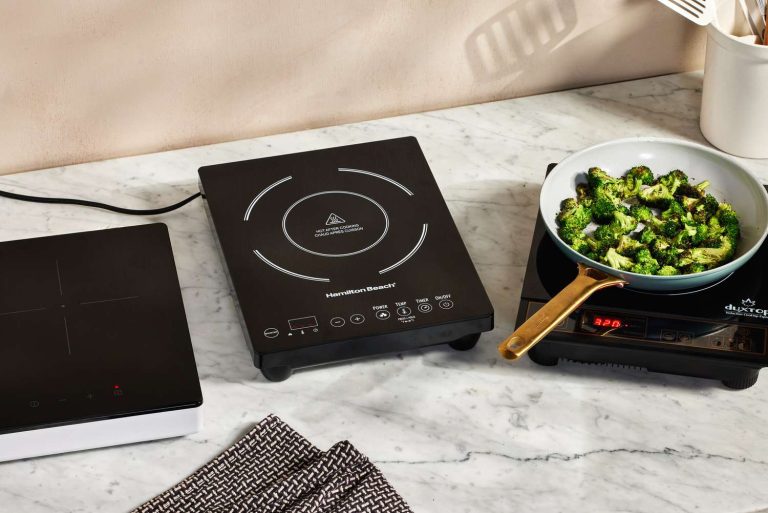
Can I Use Cast Iron On An Induction Stove?
Yes. Cast iron works on all stove types: gas, electric, induction, and campfires. It’s magnetic and pairs well with induction. Just be careful: it heats slowly and retains a lot of heat.
Troubleshooting: My skillet smokes or is sticky after seasoning
If it smokes: you used oil with a low smoke point or the oven was too hot. If it’s sticky: too much oil was left on during seasoning. Wipe with a paper towel and re-bake at a slightly higher temperature with a thin oil coat.
Using a cast iron skillet for the first time may feel tricky, but it’s mostly about patience and small, consistent habits. Season your pan, cook simple, forgiving foods, clean it the right way, and avoid the common mistakes listed above. Over time, your skillet will become smoother and more nonstick. It will also become a tool that lasts for generations and makes many great meals.
Over time, you’ll enjoy deeper flavors and a kitchen tool that truly lasts. Keep a small care routine and your skillet will reward you for years.

Credit: smithey.com