How Is Cast Iron Cookware Made: From Sand To Skillet

Cast iron cookware is made by melting iron, pouring it into sand molds, finishing, and seasoning.
I have worked with cookware makers and tested many pans, so I know the full process behind how is cast iron cookware made. This article breaks down each stage, from raw metal to a seasoned skillet, and gives practical tips, quality checks, and care advice you can use right away. Read on to learn the full, step-by-step story of how is cast iron cookware made and why those heavy pans last for decades.

Overview: How is Cast Iron Cookware Made
Cast iron cookware is made through a blend of foundry craft and finishing work. The basic steps are design, pattern and mold making, melting iron, pouring into molds, cleaning and machining, and finally seasoning or applying enamel. Each step affects performance, weight, and durability.
I will explain each step in simple terms. You will learn what to watch for when buying cast iron. You will also get tips to care for pans at home. This helps you appreciate why cast iron is so durable and how the manufacturing choices change the final product.

Raw Materials and Foundry Basics
Cast iron cookware is made from pig iron, scrap iron, and steel alloys. Foundries blend these metals to get the right carbon content and fluidity. Good control of raw materials keeps the metal from cracking or forming weak spots.
Foundries use sand molds because sand handles heat well and is inexpensive. The sand is bound to hold the mold shape during the pour. The quality of the sand and pattern directly affects surface finish and detail. Better molds yield smoother pans with fewer defects.
Step-by-step Manufacturing Process
Here is the typical flow for how is cast iron cookware made. I list the main steps and what matters in each.
- Design and pattern making
- Designers create the pan shape and thickness. Patterns are carved in wood or machined in metal to form the mold.
- Mold and core production
- Sand is packed around the pattern to form the mold. Cores shape internal cavities like handles or hollow features.
- Melting and alloying
- Furnaces melt pig iron and scrap at high heat. Alloying adjusts carbon and silicon for strength and fluid flow.
- Pouring
- Molten iron is poured into molds. Timing and temperature control prevent cold shuts or gas pores.
- Cooling and shakeout
- The cast parts cool and the sand is broken away. Rapid or uneven cooling can cause stress or cracks.
- Fettling and cleaning
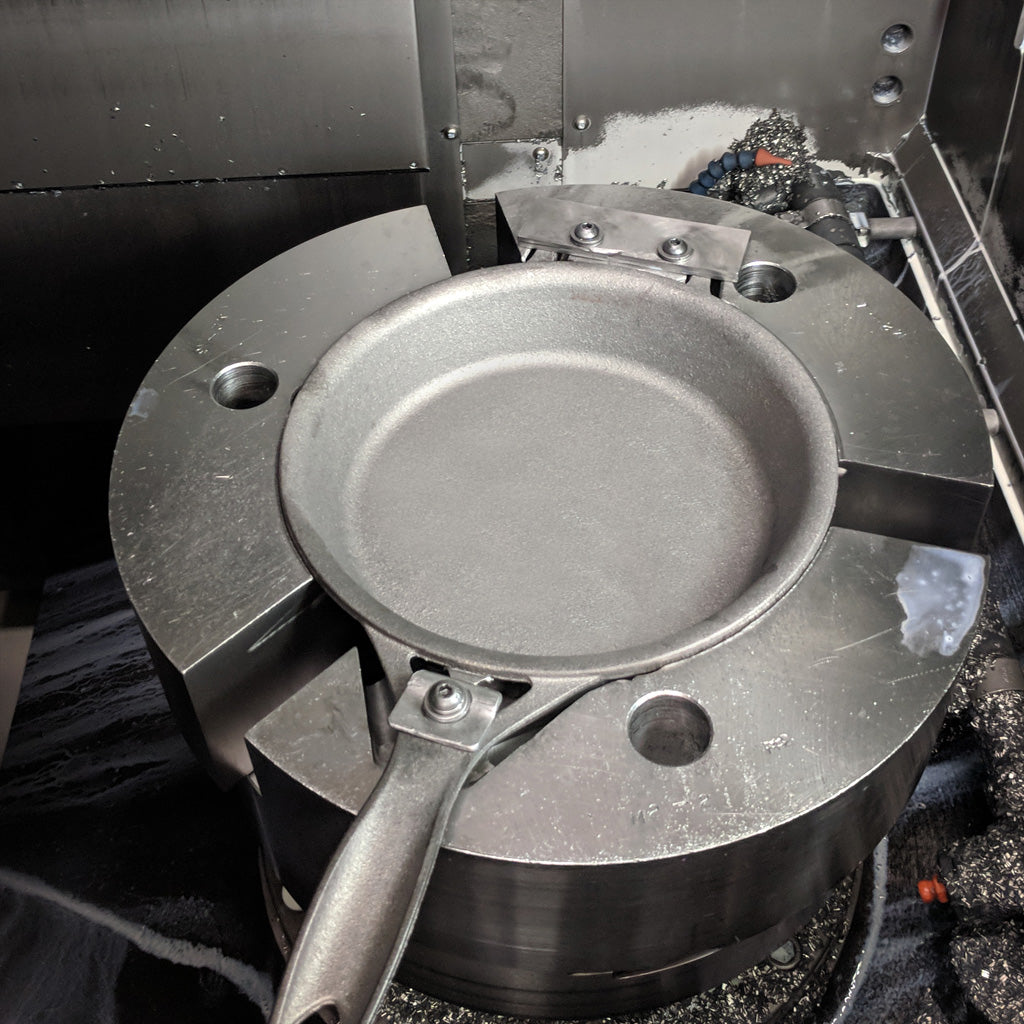
- Workers remove excess metal, gates, and rough edges. Grinding and shot blasting smooth the surface.
- Machining and inspection
- Critical surfaces are machined to tight tolerances. Quality checks look for cracks, pits, and warpage.
- Heat treatment and stress relief
- Some makers heat-treat parts to relieve internal stress and stabilize the metal.
- Surface finishing and seasoning or enamel
- Traditional pans are seasoned with oil and baked. Enameled pans get a ceramic coating fused in a kiln.
- Packaging and final QA
- Finished pans pass taste and safety tests, are cleaned, and packaged.
When you ask how is cast iron cookware made, these steps explain why some pans are heavier, smoother, or more expensive. Small foundries often hand-finish pans. Big factories automate many steps to cut cost and keep consistency.

Seasoning and Surface Treatment
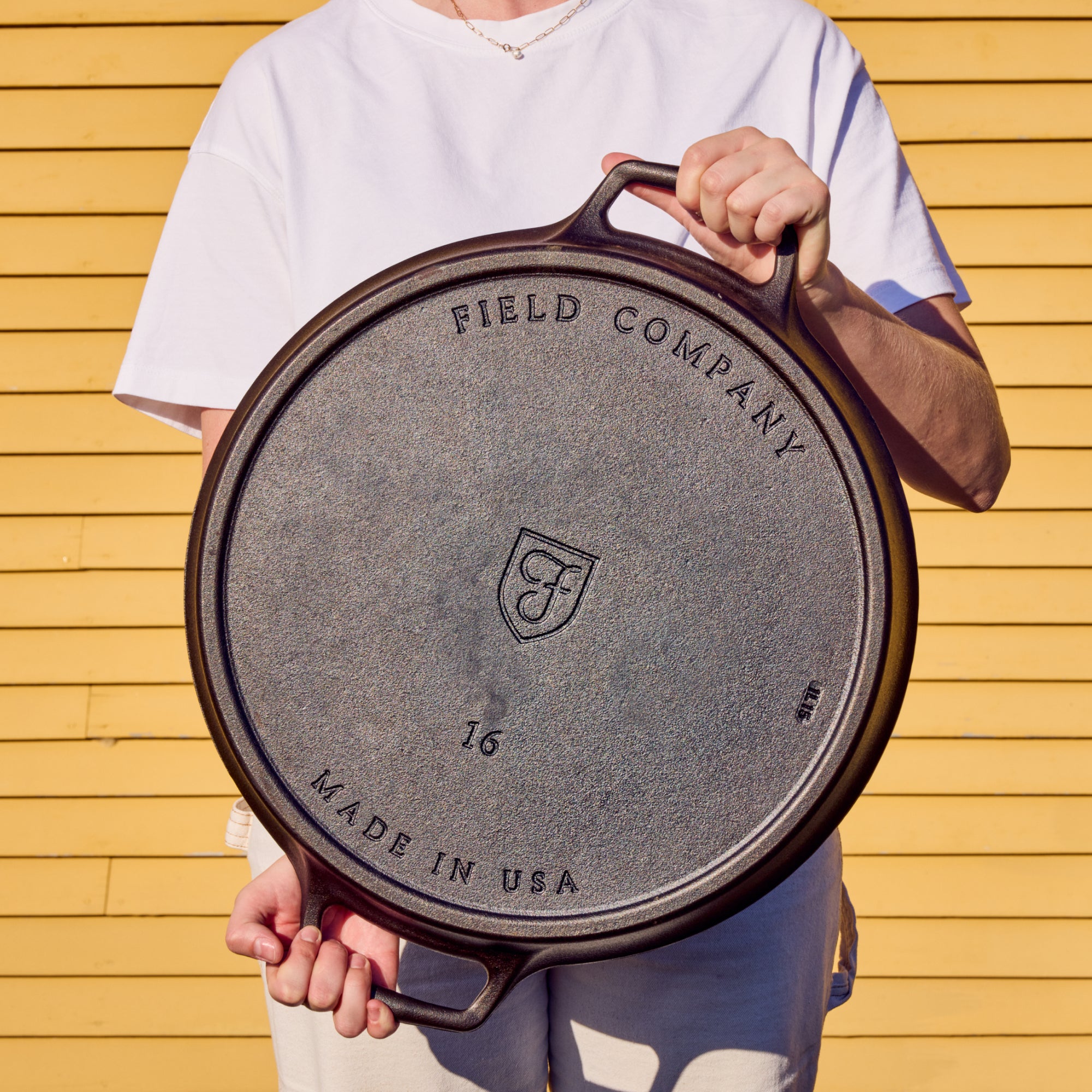
Seasoning is a key step in how is cast iron cookware made for traditional pans. Seasoning builds a polymerized oil layer that gives a nonstick feel. Makers pre-season pans by applying oil and baking them at high heat. Home seasoning follows the same idea.
Enameled cast iron uses a glass-like coating fused to the metal. The enamel prevents rust and removes the need to oil the pan constantly. However, enamel changes heat response and repair options differ from bare cast iron.
Types of Cast Iron Cookware and Variations
Cast iron cookware is made in several forms. Each type suits different cooks and uses.
- Traditional bare cast iron pans
- Classic, needs seasoning, can last generations with care.
- Pre-seasoned cast iron pans
- Factory-seasoned to reduce stickiness from day one.
- Enameled cast iron
- Coated for easy cleaning and acidic cooking; heavier and pricier.
- Lightweight cast iron
- Thinner walls, faster to heat, but less heat retention.
- Recast or recycled cast iron
- Made from scrap to save cost and support sustainability.
How is cast iron cookware made changes slightly for each type. Enameled pieces need extra firing steps. Pre-seasoned pans get oil baked on at the factory. Knowing the differences helps you choose the right pan.

Benefits, Limitations, and Care
Cast iron cookware is made to last. Here are key benefits and limits.
Benefits
- Excellent heat retention and even cooking.
- Extremely durable—can last generations.
- Can be restored if neglected.
- Often affordable for long-term value.
Limitations
- Heavy—can be hard to handle for some cooks.
- Reactive to acidic foods if not enameled or well-seasoned.
- Slower to heat compared to thin stainless pans.
Care tips from my experience
- Avoid soap for light cleaning; use hot water and a scrub brush when possible.
- Dry immediately and apply a thin coat of oil to prevent rust.
- Re-season after deep cleaning or rust removal by baking oil in a hot oven.

Sustainability, Safety, and Quality Standards
Cast iron cookware is made from recyclable metal, which makes it eco-friendly over its life. Many foundries use recycled scrap and reduce waste. Enameled cast iron must meet food-safety standards for heavy metals and glaze durability.
Safety and standards to watch for
- Lead- and cadmium-free enamel certification.
- Proper curing of polymerized seasoning or factory coatings.
- Food-contact testing and traceability from foundry to brand.
Being aware of standards helps you buy safe, long-lasting products. I prefer brands that publish testing info and show clear supply chain details.
Personal Experience and Practical Tips
I have used a range of cast iron that shows how is cast iron cookware made affects performance. Heavy, thick pans hold heat best. Thin, well-finished pans are faster to use on home stoves. Pre-seasoned pans saved me time but I re-season them for better nonstick results.
Mistakes I learned from
- Overheating thin pans can warp them.
- Using harsh detergents repeatedly strips factory seasoning.
- Storing pans wet leads to stubborn rust spots.
Practical tips
- Heat the pan gradually for even cooking.
- Use a small amount of oil and wipe excess after each use.
- If rust appears, scrub with steel wool, dry, and re-season immediately.
Frequently Asked Questions of How is Cast Iron Cookware Made
What metals are used when learning how is cast iron cookware made?
Foundries use pig iron, scrap iron, and small amounts of alloying elements. The mix controls carbon, silicon, and other properties for strength and flow.
How long does it take to make a cast iron pan from start to finish?
From pattern making to final seasoning, a pan can take days. The actual pour and cooling are quick, but finishing and quality checks add time.
Why are some cast iron pans pre-seasoned and others not?
Pre-seasoned pans get a factory-applied oil layer to improve initial nonstick properties. Unseasoned pans let the buyer build a custom seasoning and may have a slightly rougher surface.
Is enameled cast iron made the same way as bare cast iron?
The base casting is similar, but enameled pieces receive multiple glaze applications and kiln firings. This adds cost and changes maintenance needs.
Can cast iron cookware be recycled after it is made?
Yes, cast iron is highly recyclable. Many foundries reuse scrap metal, and old pans can be melted down and recast into new products.
How do quality checks factor into how is cast iron cookware made?
Quality checks include visual inspection, dimensional checks, and testing for cracks or porosity. Good makers keep strict QA to avoid defects that affect cooking or safety.
Does how is cast iron cookware made affect cooking performance?
Yes. Wall thickness, surface finish, and seasoning method all change heat retention and how food releases. Heavier, thicker pans generally give better heat stability.
Are there safety concerns from coatings when cast iron cookware is made?
Enameled glazes must be tested to be free from lead and cadmium. Factory seasonings should be cured properly to avoid off-flavors. Reputable brands publish safety data.
Conclusion
You now know how is cast iron cookware made, from raw metal to the seasoned pan on your stove. The process blends metalwork, careful finishing, and surface treatment to create a tool that can last a lifetime. Try a small experiment: buy a modest cast iron pan, follow basic seasoning steps, and you will see how the pan improves with use.
Takeaway: choose a pan that fits your needs, learn simple care steps, and treat your pan like a tool you value. If you found this useful, try one of the tips, share your experience in the comments, or subscribe for more practical guides on cookware and kitchen craft.