How To Display Cast Iron Cookware: Stylish Ideas

Displaying cast iron cookware well protects the finish, adds charm, and makes your kitchen feel lived-in.
Cast iron cookware is one of those rare kitchen tools that is both practical and beautiful, which is why it deserves more than a crowded cabinet. I’ve seen the best results when people treat cast iron display like a mix of storage, styling, and care, because the wrong setup can lead to rust, chips, or clutter fast. If you want your skillets, Dutch ovens, and pans to look intentional while staying ready to cook, this guide walks you through how to display cast iron cookware the right way.
Why Display Cast Iron Cookware at All?
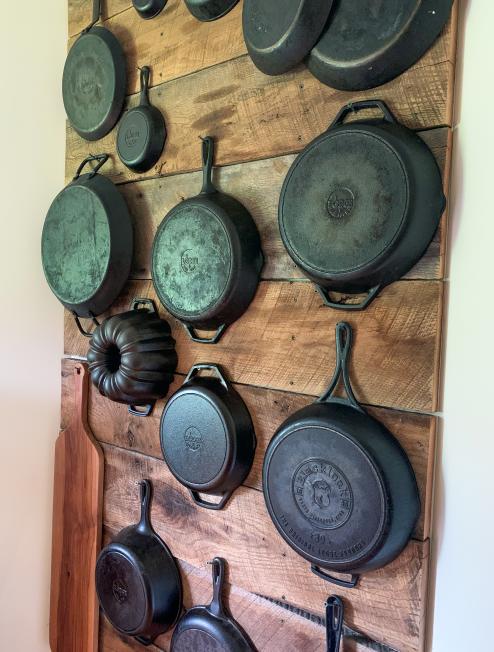
Cast iron cookware has a visual weight that other kitchen tools just do not have. The dark finish, sturdy shape, and old-school feel can turn a plain wall or shelf into a warm focal point.
There is also a practical side. When you display cast iron cookware correctly, you make it easier to grab the pan you use most often. That can save space in small kitchens and keep your favorite pieces from getting buried.
In my own kitchen, I learned this the hard way. I once stacked a few skillets too tightly in a cabinet, and the seasoning mark on one pan got scuffed. After that, I started treating display as a form of protection, not just decoration.
Benefits of thoughtful cast iron display include:
- Better access to daily-use pans
- A more attractive kitchen layout
- Less clutter in cabinets and drawers
- More airflow around the cookware
- A chance to show off vintage or heirloom pieces

How to Display Cast Iron Cookware Safely
The safest display starts with knowing what cast iron needs. It prefers dry air, steady support, and enough space so pieces do not knock into each other. That is especially important if the cookware is seasoned or antique.
A good display should also match how often you cook. If you reach for one skillet every day, keep it low and easy to grab. If you are displaying a decorative piece, like an old griddle or Dutch oven, you can place it higher or farther back.
Here are the main safety points to keep in mind:
- Keep cast iron completely dry before display
- Use strong supports that can handle the weight
- Avoid overcrowding shelves or hooks
- Do not place pieces where they can fall if bumped
- Keep away from sinks, dishwashers, and humid spots
If you live in a humid area, I strongly recommend checking the pans often. Even a well-seasoned skillet can show surface rust if the air stays damp. A light wipe with oil helps, but the real key is dry storage and good air circulation.
Best Places to Display Cast Iron Cookware
The best place depends on your kitchen size, your design style, and how much you cook. You want a spot that looks good but still works for everyday life. In most homes, the best display spots are the ones that balance beauty and access.
Common display areas include:
- Wall-mounted pot rails
- Open shelving
– Hanging pot racks - Countertop stands
- Inside glass-front cabinets
- Above a stove, if heat and grease are controlled
- Pantry walls or mudroom shelves for less-used pieces
Wall rails work well for single skillets or lightweight pans. Open shelves look great if you have a small collection and want a rustic or farmhouse feel. Hanging racks save space, but they only work if the ceiling or wall support is strong enough for heavy iron.
One mistake I often see is placing cast iron too high just because it looks nice there. It may photograph well, but if you need a step stool every time you cook, the display is not doing its job.
How to Choose the Right Display Method
The right method depends on the kind of cast iron you own. A large Dutch oven needs a different setup than a 10-inch skillet. Lighter or smaller pieces are easier to hang, while heavier cookware needs shelves or sturdy hooks.
Think about these factors before choosing a display:
- Weight of each piece
- How often you use it
- Size of your wall or shelf space
- Whether the cookware is decorative or functional
- Your kitchen style, such as modern, rustic, or vintage
If you have a few matching skillets, a wall rack can create a clean, balanced look. If you have a mixed collection, shelves may be better because they let you separate sizes and shapes. If you own heirloom pieces, consider display inside a cabinet with glass doors to protect them from dust.
A simple rule I follow is this: the more often I use a piece, the closer it stays to hand. That keeps the setup practical and cuts down on clutter.
Display Ideas for Cast Iron Cookware
There are many ways to display cast iron cookware, and the best setups often feel simple and natural. You do not need a designer kitchen to make the pieces look good. A few smart choices can make the whole space feel intentional.
Wall-Mounted Display
A wall-mounted display is one of the most popular options. It keeps cookware visible while freeing up cabinet space. Use sturdy hooks, a rail system, or individual wall pegs rated for heavy loads.
This option works especially well for:
- Skillets
- Grill pans
- Lightweight griddles
- Decorative vintage pans
Open Shelf Display
Open shelves give cast iron a homey, collected look. They are ideal if you want to mix cookware with cookbooks, ceramics, or baskets. Just make sure the shelf is strong enough and not too crowded.
I’ve found open shelving works best when you leave breathing room. A skillet looks better with space around it than squeezed between jars and décor.
Hanging Pot Rack Display
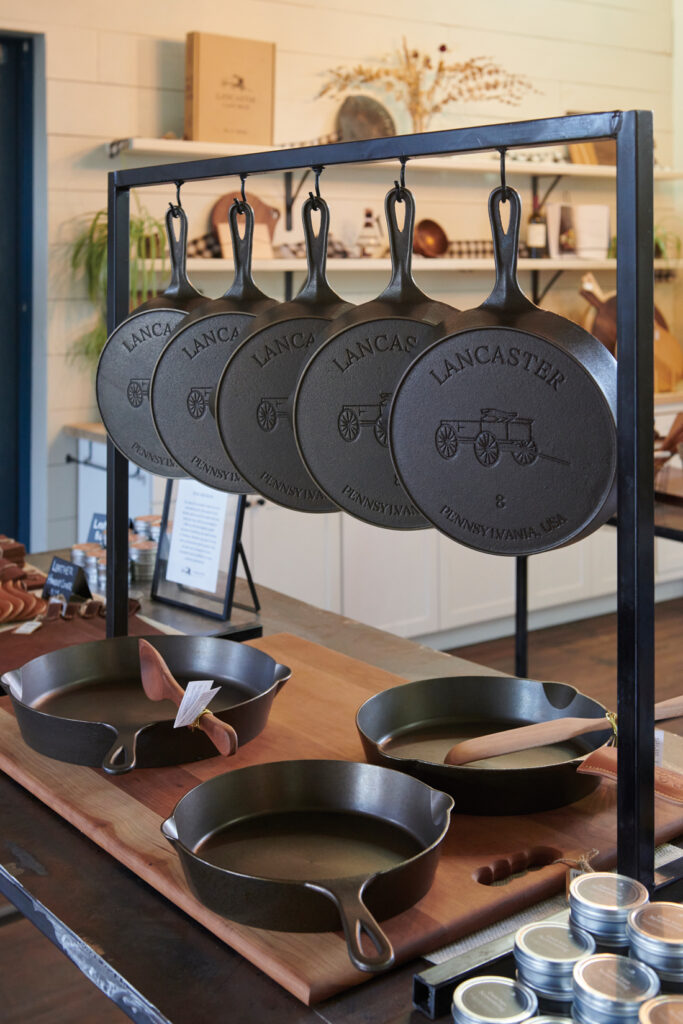
A hanging rack is a classic choice for cast iron cookware. It can create a professional kitchen feel and keep pans easy to grab. Make sure the hardware is anchored into a ceiling joist or secure wall support, because cast iron is heavy.
This method is best for:
- Kitchens with high ceilings
- Frequent cooks
- Larger collections
- Rustic or industrial spaces
Cabinet or Glass-Front Display
If you want protection and beauty, glass-front cabinets are a strong option. They keep dust off the cookware while still letting you show it off. This is a smart choice for antique pieces or pans you use less often.
Countertop Display
Countertop display works if you only have one or two cast iron pieces. Use a trivet, stand, or wooden riser to make the display look neat. Avoid crowding your prep space, though, because cast iron takes up visual and physical room.
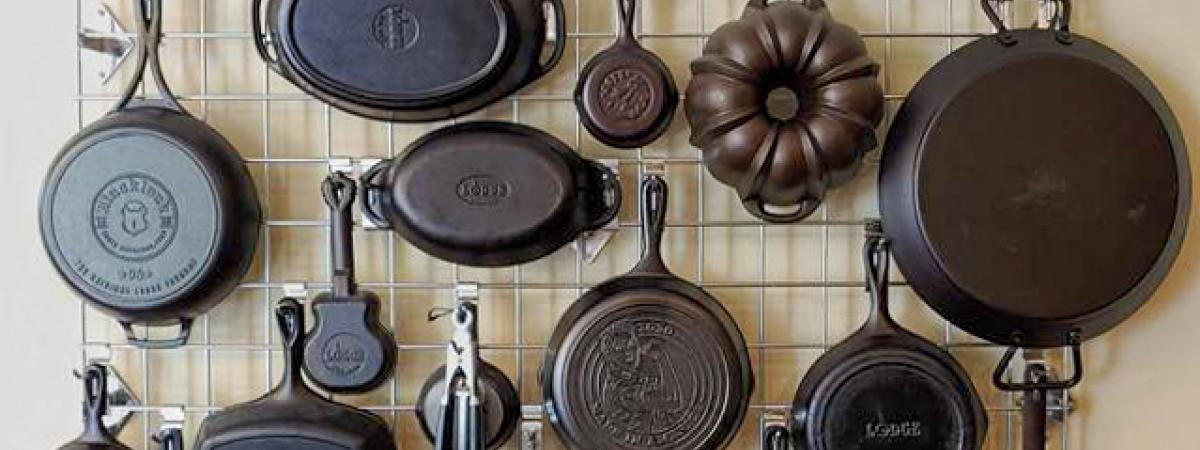
How to Display Cast Iron Cookware in a Small Kitchen
Small kitchens need a little more creativity, but cast iron can still shine. The trick is to display only what you use often and keep the setup compact. When space is tight, every inch has to work twice as hard.
Smart ideas for small kitchens include:
- A narrow wall rail above the prep area
- A single floating shelf for one or two pans
- Inside-the-door hooks for lighter pieces
- A corner shelf with stacked cookware
- A magnetic knife strip style rail for compatible hanging tools, not for the pans themselves
Try not to display every cast iron piece you own if the room cannot support it. A few well-placed pans will look better than a crowded wall. I once helped a friend with a tiny galley kitchen, and we reduced her display from six pieces to three. The room instantly felt bigger and calmer.

Styling Tips to Make Cast Iron Look Good
Cast iron already has a strong look, so styling it should stay simple. The goal is to make it feel like part of the kitchen, not like random hardware stuck on the wall. Natural textures and neutral tones usually work best.
Good styling partners for cast iron include:
- Wood shelves
- Linen towels
- Woven baskets
- Ceramic jars
- Brass or black metal hooks
- Neutral stoneware
You can also group pans by size for a cleaner look. Place the largest piece at the back or center, then layer smaller items around it. This gives the display a steady shape and keeps it from looking messy.
If you want a farmhouse feel, pair cast iron with wood and soft colors. If you want an industrial feel, use matte black hardware and metal shelves. Either way, let the cookware be the star.
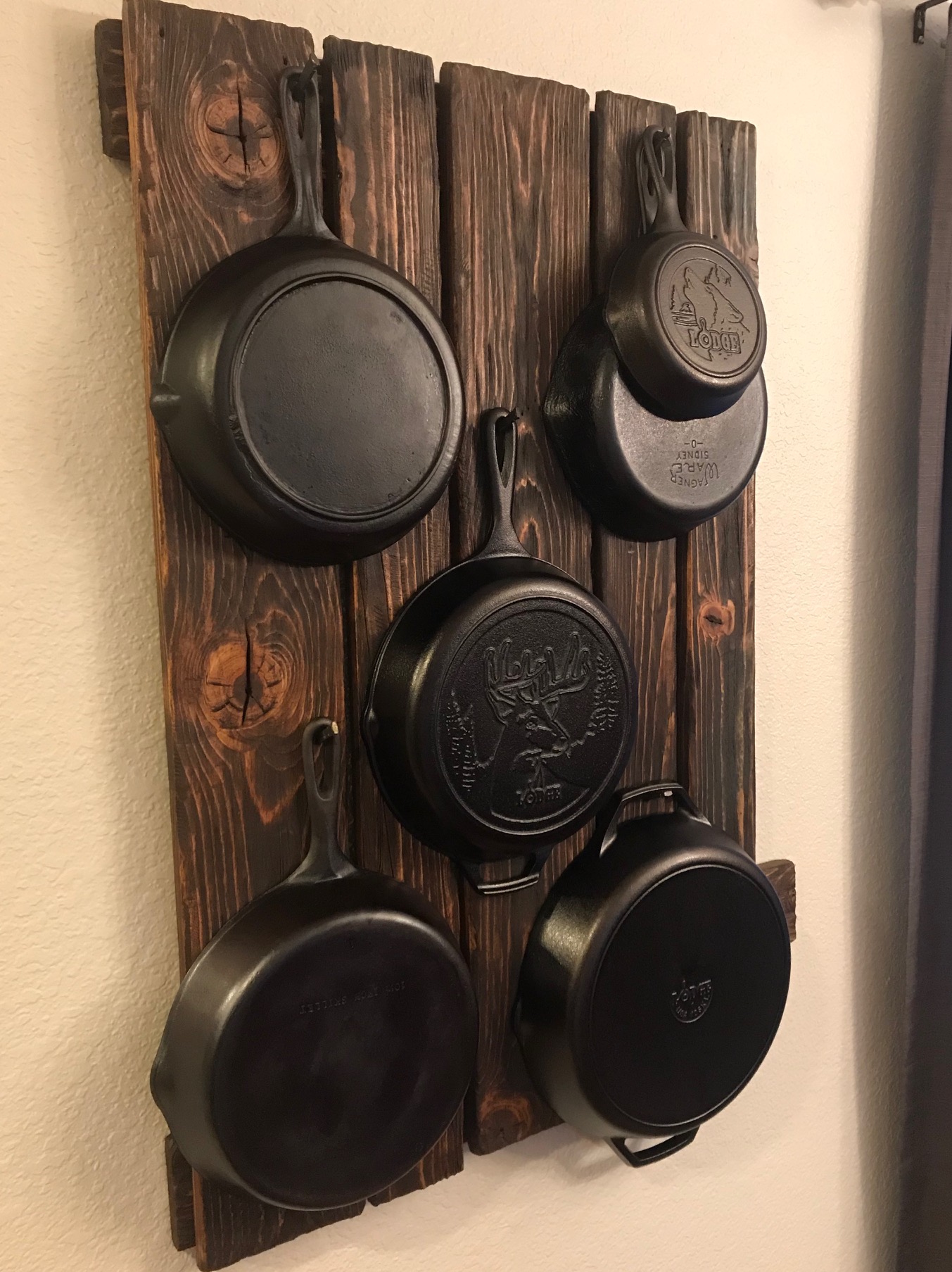
How to Protect Cast Iron While on Display
Cast iron can stay on display and still remain in great shape, but only if you care for it regularly. Display does not replace maintenance. In fact, display makes upkeep more important because the cookware is exposed to air, dust, and temperature changes.
Protect your cast iron by following these habits:
- Wipe it clean before putting it out
- Keep a thin layer of seasoning oil if needed
- Dust it often with a dry cloth
- Check for rust spots every few weeks
- Move it away from steam and splash zones
- Avoid plastic containers or covers that trap moisture
According to kitchen maintenance best practices, cast iron performs best when it stays dry and lightly seasoned. That lines up with what many home cooks and cookware experts recommend. If you see orange rust, do not panic. Clean it, dry it, re-season it, and adjust the display spot if humidity is the issue.
Common Mistakes to Avoid
A lot of display problems happen because people focus on looks first and care second. Cast iron is durable, but it is not indestructible. A few small mistakes can lead to rust, scratches, or unsafe storage.
Watch out for these common errors:
- Hanging pieces from weak hooks
- Stacking pans without protection between them
- Displaying damp cookware
- Placing cast iron too close to the sink
- Overloading a shelf or rack
- Using decorative display that makes the cookware hard to reach
Another mistake is treating all cast iron the same. A mini skillet and a heavy Dutch oven need different support. I have seen shelves sag because someone assumed the weight would not matter. With cast iron, weight always matters.
Care and Maintenance for Displayed Cast Iron
Displayed cast iron still needs routine care. A quick wipe, a dry check, and occasional re-seasoning go a long way. If you display your cookware often, build maintenance into your weekly cleaning habit.
A simple care routine looks like this:
- Dust the cookware with a dry cloth.
- Check for moisture, rust, or dull spots.
- Wipe with a tiny amount of oil if needed.
- Make sure hooks, shelves, or racks are still secure.
- Rotate pieces if one side gets more sun or humidity.
Sunlight is not usually the biggest danger, but heat and moisture can be. If your display is near a stove, oven, or window, inspect it more often. It is much easier to prevent damage than to fix it later.
Frequently Asked Questions of How to Display Cast Iron Cookware
Can you hang cast iron cookware on the wall?
Yes, but only if the wall system is built to support the weight. Use heavy-duty hooks or a rail anchored into studs, and do not overload one spot.
Is it okay to display cast iron cookware in a humid kitchen?
It can be okay if you keep the pieces dry and check them often. In humid spaces, a little extra maintenance matters because moisture can cause rust more quickly.
Should cast iron be displayed with lids on or off?
It depends on the look and the airflow. If you want better airflow, leave lids slightly open or store them separately so moisture does not get trapped.
How do I make cast iron cookware look decorative?
Use simple styling and give each piece room to breathe. Pair it with wood, ceramics, or neutral decor so the cookware feels intentional instead of cluttered.
Can vintage cast iron be displayed safely?
Yes, as long as it is clean, dry, and supported well. Vintage pieces can be more fragile in spots, so avoid rough handling and check for cracks or rust before displaying them.
Conclusion
Displaying cast iron cookware is one of the easiest ways to make a kitchen feel warm, useful, and personal. When you choose the right spot, use sturdy support, and keep the pieces dry, you get both style and function in one simple setup.
The best display is the one that fits your cooking habits, your space, and the care your cookware needs. Start small, use what you already have, and adjust as you go until the display feels natural. If this guide helped, try one idea in your own kitchen and leave a comment with how you set up your cast iron display.