What Cookware Material is Safest for Health: Expert Guide 2026

Choosing the right cookware matters more than most people realize. I’ve cooked thousands of meals in a range of pans, and I can tell you: every time a pot or pan touches food, there’s a chance the material will affect both flavor and health. Some metals and coatings can react with food or release unwanted substances. Others are much safer but may not suit every recipe or cooking style.
With so many options—stainless steel, non-stick (PTFE/Teflon), cast iron, ceramic, aluminum, copper, carbon steel, and more—deciding what’s truly safe can feel confusing. Below, I break down the most common cookware materials, explain real health risks, and share practical tips so you can pick non-toxic, long-lasting cookware that fits your kitchen and cooking habits.
You can also read: Best Enameled Cast-Iron Skillets for Every Kitchen 2026
Why Cookware Material Matters
The metal or coating used in your pans affects two main things: your health and the taste of food. Some materials stay inert and stable under heat. Others can leach metals or chemicals, especially when scratched, overheated, or used with acidic foods. Over time, repeated exposure can matter—so it’s worth choosing wisely.
Safety is one part of the equation. The other is performance. Some materials heat evenly but are heavy. Some are lightweight but warp on high heat. I always balance durability, safety, and how I cook day-to-day when I buy new cookware.
Common Cookware Materials And Their Health Impact
Let’s break down the most common cookware materials. For each, you’ll see what makes it safe or risky, and what to watch out for. To help you compare quickly, here’s a summary table:
| Material | Is it Safe? | Main Concerns |
|---|---|---|
| Stainless Steel | Yes (mostly) | Nickel or chromium leaching |
| Cast Iron | Yes | Iron overload (rare) |
| Non-stick (PTFE/Teflon) | With care | Overheating, scratched coating |
| Ceramic | Yes | Quality varies, some leach lead |
| Aluminum | With caution | Uncoated can leach metal |
| Copper | With lining | Unlined can leach copper |
| Carbon Steel | Yes | Requires seasoning |
Stainless Steel
Stainless steel is one of the most popular and practical choices. It resists rust, cleans easily, and lasts a long time. Typical cookware grades mix iron with chromium and often nickel. That mix helps resist corrosion and gives a shiny finish.
For most people, stainless steel is a safe daily option. Small amounts of nickel and chromium can leach into food. This is more likely when cooking acidic foods (tomatoes, wine-based sauces) for a long time. If you’re allergic to nickel, this can trigger reactions. Still, studies show typical leaching is well below levels that cause harm for most people.
Non-obvious Insight:
Lower-grade stainless (for example, 18/0) has little or no nickel and resists leaching, but it can rust more easily. Higher-grade types (18/8 or 18/10) resist rust and corrosion but may contain nickel that can leach if the surface is damaged. I usually pick high-quality 18/10 for daily use and replace any warped or pitted pans promptly.
Cast Iron
Cast iron has been a kitchen workhorse for centuries. When seasoned, it develops a natural, durable non-stick surface. Cast iron can transfer small amounts of iron into food, which is often a benefit—especially for people with low iron levels.
However, if you have hemochromatosis—a rare condition where the body stores too much iron—you should avoid cast iron cookware because it can add dietary iron. For most people, that extra iron is a nutritional plus.
Non-obvious Insight:
Acidic foods (like tomato sauce) cooked in cast iron will absorb more iron and may also strip the seasoning. I avoid simmering tomato-based sauces in bare cast iron for long periods. If I need a long-simmer sauce, I choose enamelled cast iron or stainless steel instead.
Non-stick (ptfe/teflon)
Non-stick pans typically use a PTFE-based coating (often called Teflon). They are superb for eggs, pancakes, and low-fat cooking because food slides off and cleanup is fast. But there are safety caveats:
- If PTFE-coated pans are overheated (above about 260°C / 500°F), the coating can break down and release fumes that may be harmful to people and fatal to pet birds.
- Scratched or worn non-stick surfaces can flake. You could end up ingesting tiny coating particles.
Modern non-stick coatings are safer than older formulas and most are PFOA-free. Still, I recommend using non-stick on low to medium heat, avoiding dry high-heat cooking, and never using metal utensils that could scratch the surface.
Ceramic
Ceramic cookware comes either as fully vitrified ceramic pots or as metal pans with a ceramic non-stick coating. When properly made, ceramic is inert and does not react with food. That makes it attractive as a non-toxic alternative to some chemical coatings.
The caveat: low-cost ceramic glazes and coatings can contain lead or cadmium. These heavy metals are harmful. Always buy from trusted brands and look for clear “lead-free” or third-party tested labeling. Real, high-quality ceramic is more durable and less likely to chip than cheap coatings.
Non-obvious Insight:
Ceramic coatings can wear faster than you expect. High heat, stacked storage, and dishwashers shorten their life. When the coating thins, non-stick performance drops and you may begin to see more sticking or surface wear. I hand-wash ceramic pans and use them on medium heat to prolong life.
Aluminum
Aluminum heats quickly and is budget-friendly. However, raw (uncoated) aluminum reacts with acidic and salty foods and can leach into dishes. There have been historical concerns about aluminum and neurological health, though current evidence is mixed.
Most modern aluminum pans are anodized (a hard, non-reactive surface) or have a protective coating. These are much safer. Still, if the coating is scratched or degraded, aluminum can leach. For this reason, I prefer anodized aluminum or aluminum clad inside stainless steel for recipes that touch acid.
Copper
Copper gives exceptional heat control and is a favorite among chefs for sauces and delicate work. But copper can be toxic at high levels. That’s why reputable copper cookware is lined with stainless steel or tin.
Never cook in unlined copper cookware. Even lined copper pans need inspection. If the lining gets thin or holes appear, stop using the pan until it’s relined or replaced.
Carbon Steel
Carbon steel behaves like cast iron but is lighter and faster to heat. It requires seasoning to build a non-stick surface and to prevent rust. Like cast iron, it can add small amounts of iron to food, though usually less.
Well-seasoned carbon steel is a reliable, safe choice for high-heat cooking, stir-frying, and searing. If you skip maintenance, it can rust and react with acidic dishes.
Comparing The Health Safety Of Cookware Materials
Here’s a deeper look at how these materials compare for health safety:
| Material | Best For | Key Health Risk | How to Minimize Risk |
|---|---|---|---|
| Stainless Steel | Everyday cooking | Nickel leaching | Use high-quality, avoid cooking acidic foods for too long |
| Cast Iron | Frying, searing | Iron overload (rare) | Don’t use for long acidic cooking |
| Non-stick | Eggs, pancakes | Toxic fumes, coating flakes | Keep heat low, avoid scratches |
| Ceramic | Low-fat cooking | Lead/cadmium in poor quality brands | Buy certified lead-free |
| Aluminum | Quick cooking | Metal leaching | Use anodized or coated pans |
| Copper | Delicate sauces | Copper toxicity | Check lining, avoid unlined |
| Carbon Steel | High-heat cooking | Rust, iron leaching | Keep seasoned, dry after wash |
The Safest Choices For Health
If you want to keep things simple and safe, the following materials are generally best:
- High-quality stainless steel: A versatile, durable choice suitable for most cooking tasks. Look for multi-ply or clad construction for even heat distribution.
- Properly seasoned cast iron or carbon steel: Durable, natural non-stick, and a source of dietary iron for those who need it.
- Lead-free ceramic: A good non-stick option without chemical coatings—ideal for low-fat cooking if you buy reputable brands.
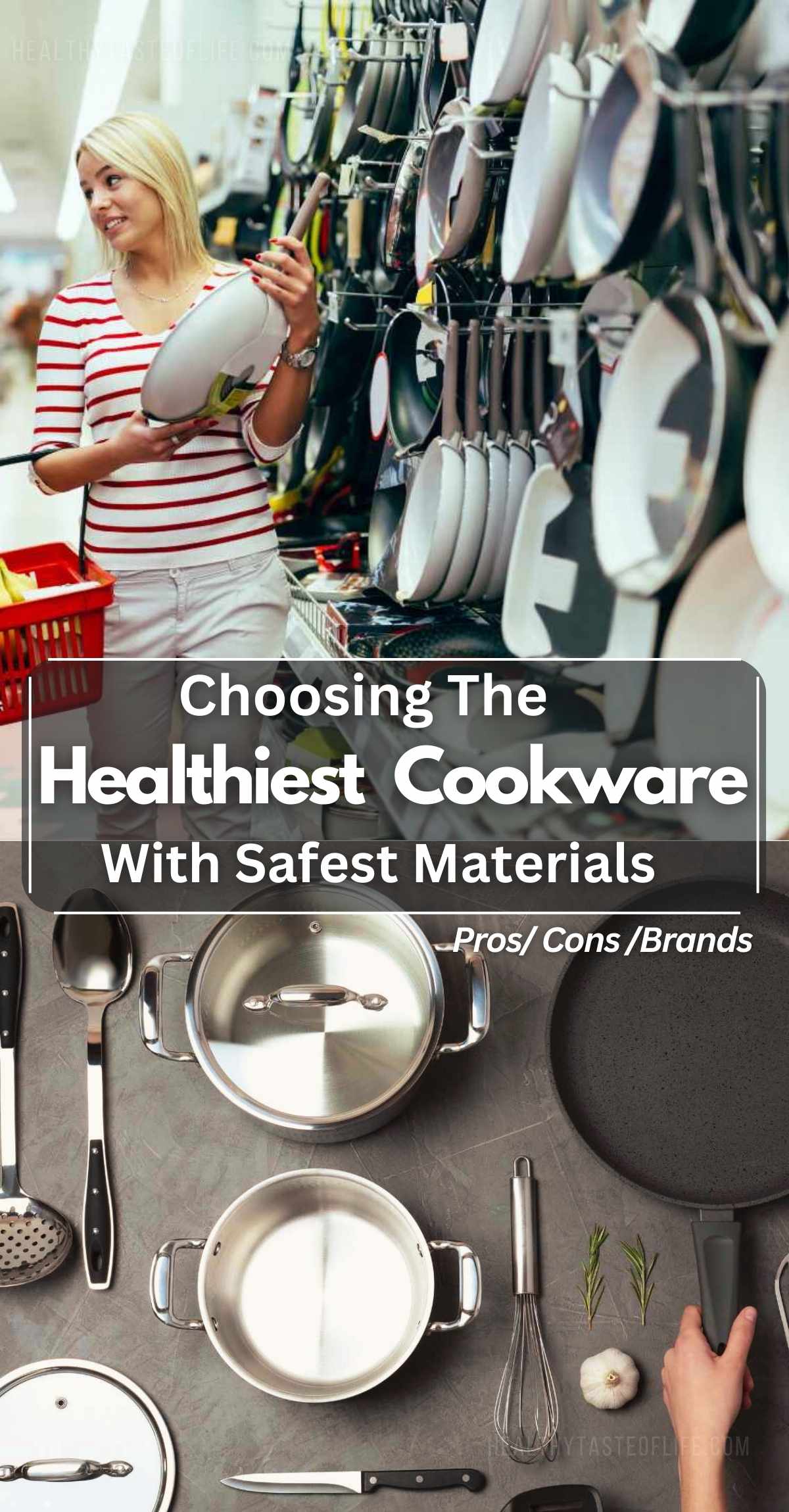
In most kitchens, a small mix of these materials covers everything: a stainless pot for soups and pasta, a cast iron skillet for searing and roasting, and a ceramic or high-quality non-stick pan for eggs and pancakes. I keep one copper pan for sauces and a carbon-steel wok for high-heat stir-fries.
Credit: healthytasteoflife.com
Common Mistakes When Choosing Cookware
Many people make simple mistakes when buying cookware for health. Here’s what to watch out for:
- Buying cheap, unbranded cookware: Low-cost sets may contain poor-quality coatings or unsafe glazes. They can flake or leach metals.
- Using scratched non-stick pans: Even small scratches reduce safety and performance. Replace worn non-stick pans rather than risk flakes.
- Ignoring manufacturer instructions: Some pans aren’t dishwasher safe or can’t handle high heat. Read and follow the care guide.
- Assuming all “ceramic” is safe: Only trusted brands certify “lead-free” and test glazes for heavy metals.
- Not replacing worn-out pans: Old pans—especially coated aluminum or non-stick—should be replaced when damaged.
- Using the wrong utensils: Metal tools scratch coatings. Use wood, silicone, or nylon tools on non-stick and ceramic surfaces.
How To Care For Your Cookware To Keep It Safe
Taking care of your cookware is as important as picking the right material. Here are practical tips I use daily:
- Always wash new pans before first use. This removes factory residues and dust.
- Avoid sharp or metal utensils on coated pans. Use silicone or wooden spoons.
- Hand-wash non-stick and ceramic pans to extend their life. Avoid abrasive scrubbers.
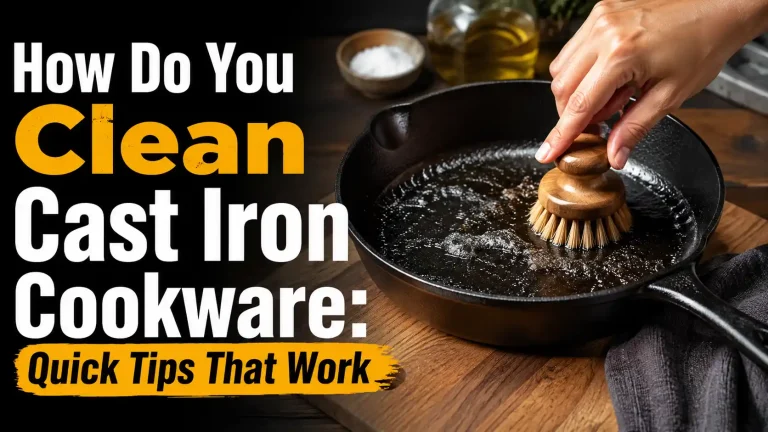
- Dry cast iron and carbon steel immediately after washing to prevent rust. I heat them briefly on the stove to evaporate moisture.
- Store pans to prevent scratches—use pan protectors or hang them. Don’t stack without padding.
- If you see chips, deep scratches, or damaged lining, replace the pan. Safety and performance decline once the surface is compromised.
Credit: www.organicauthority.com
Do Cookware Materials Affect Taste?
Yes. The material can change how food tastes. Cast iron and carbon steel can impart a faint iron note, especially with acidic foods. Copper gives excellent temperature control, which helps produce smoother sauces. Stainless steel and modern non-stick coatings tend to be neutral.
If flavor is critical—say, for a delicate sauce—I’ll reach for a lined copper or heavy stainless-steel pan. For everyday meals, I use stainless steel or well-seasoned cast iron without worrying about taste changes.
Are Expensive Pans Always Safer?
Price alone doesn’t guarantee safety. However, very cheap cookware often cuts corners on materials and coatings. Trusted brands invest in safer finishes, better bonding of layers, and clearer labeling. Look for transparency: the manufacturer should list materials (18/10 stainless, anodized aluminum, PFOA-free coating) and care instructions.
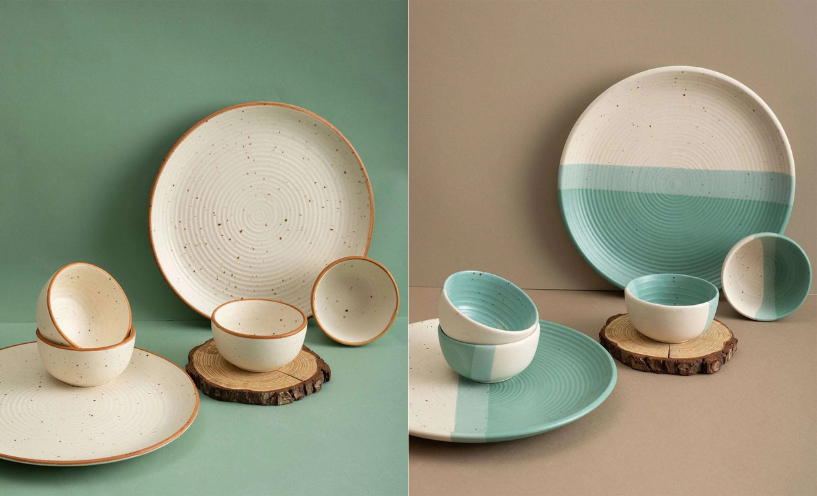
Credit: www.urbanspacestore.in
What About New “green” Cookware?
“Green” or eco-friendly cookware—often marketed as PTFE/PFOA-free—has become popular. Many of these products use ceramic-based coatings. They can be safer in terms of chemical exposure, but some low-quality versions wear quickly and lose non-stick performance.
My rule: check independent reviews and look for third-party testing or certifications. Eco-friendly labeling helps, but verified testing and brand reputation matter most.
Scientific Research And Regulation
Cookware safety is regulated and studied by health agencies. For example, the FDA regulates lead and cadmium in ceramic glazes. The EPA has examined PTFE fumes from overheated non-stick pans. If you want official guidance, the Centers for Disease Control and Prevention has useful resources on ceramic glazes and lead.
Frequently Asked Questions
What Is The Safest Cookware Material For Daily Use?
Stainless steel and cast iron are very safe for most people. Use high-quality stainless and avoid long acidic cooking in bare cast iron. For non-stick needs, choose modern, PFOA-free coatings and keep heat low.
Are Non-stick Pans Safe If Used Correctly?
Yes. Non-stick pans are safe when used on low to medium heat and never overheated. Replace pans with deep scratches or flaking coatings. Avoid using them for high-heat searing.
Can Aluminum Cookware Cause Health Problems?
Uncoated aluminum can leach metal, especially with acidic foods. Anodized or coated aluminum is much safer. Replace aluminum pans if the surface is scratched or damaged. If you want no risk, choose stainless steel or clad cookware instead.
Is Ceramic Cookware Really Non-toxic?
Pure, certified lead-free ceramic cookware is non-toxic. But cheap or poorly tested ceramic glazes can contain lead or cadmium. Always check for “lead-free” labeling and buy from brands with third-party testing.
How Often Should I Replace My Cookware?
Replace cookware when you see deep scratches, chips, rust, or peeling coatings. Typical lifespans: non-stick pans 2–5 years, quality stainless steel and cast iron can last decades if cared for. I replace non-stick sooner and keep a probe on any warped or pitted stainless pans.
How I Choose Cookware for My Kitchen (Practical Checklist)
When I shop, I follow a short checklist. I find this practical and safe:
- Identify the main cooking tasks (boiling, searing, frying, sauces).
- Pick one reliable stainless-steel pot, one cast iron or carbon-steel skillet, and one non-stick or ceramic pan for eggs and delicate foods.
- Prefer multi-ply or clad stainless for even heat and to avoid hotspots.
- For aluminum, choose anodized or stainless-clad options.
- Avoid unlined copper unless it’s for specialized use and you inspect the lining regularly.
- Buy from brands that list materials and testing or have clear warranties.
Quick Shopping Tips
- Look for “18/10” or “18/8” on stainless steel labels if you don’t need nickel-free options.
- Check for “anodized” on aluminum products.
- Confirm “PFOA-free” or “PFOA/PFAS-free” on non-stick coatings and read warranty details.
- For ceramic, seek “lead-free” and independent testing claims.
When To Replace Your Cookware: A Simple Guide
Here are clear signs it’s time to replace a pan:
- Non-stick coating is peeling or has deep scratches.
- Cast iron or carbon steel is severely pitted or cracked.
- Stainless-steel cookware is warped, has deep pitting, or visible corrosion inside the cooking surface.
- Enamel or lined copper shows chips that expose the base metal.
Replacing worn cookware protects both food quality and health. I replace pans at the first sign of serious wear—especially coated types.
Choosing safe cookware is not about buying the most expensive set. It’s about understanding materials, using pans correctly, and caring for them. Follow these tips, and you’ll be able to cook delicious meals while protecting your health for years to come.