Stainless Steel vs Nonstick Cookware: The Honest Guide to Health 2026

Choosing a pan shouldn’t feel like a high-stakes marriage proposal. Yet here we are—standing in the kitchen aisle like it’s a pop quiz. I’ve burned enough eggs and ruined enough salmon skins to know the “perfect” pan doesn’t exist. What does exist is the right pan for the right Tuesday night. That distinction is what actually matters when you’re shopping for cookware.
Full disclosure: my kitchen cabinet is chaotic. I have a three-year-old nonstick skillet with a mysterious scratch that looks like Ohio. I also have a stainless steel pan that looks like it survived a small explosion after I tried to sear scallops while distracted by a podcast. Sound familiar? We’ve all been there—gripping a handle in a store, deciding whether to spend $100 on a “diamond-infused” claim or go with the shiny pro-style stainless set.
Here’s the real takeaway: the difference between stainless steel and nonstick cookware goes beyond price and looks. It’s about your habits. Do you want to flip a crepe at 7:00 AM with no drama? Or do you want to finish a steak, deglaze the pan with white wine, and make a pan sauce that tastes like a bistro dish? Most of us want both—just on different nights. The nonstick vs. stainless steel choice isn’t about a single winner. It’s about building a practical, durable cookware toolkit you’ll actually use.
The “Tuesday Morning Egg” Test: Nonstick’s Time to Shine
There is a specific kind of morning—usually a Tuesday when coffee hasn’t kicked in and you’re running late—when you do not want a culinary battle. This is when nonstick cookware earns its place in your kitchen.
- The Slick Factor: Modern nonstick coatings—PTFE (Teflon) or newer ceramic options—offer a very smooth surface. For eggs, crepes, pancakes, and delicate fish, nonstick turns a fragile task into an easy one. That means fewer ruined breakfasts and more consistent results.
- The Cleanup Dream: One tilt and a three-egg omelet slides right out. No scraping, little soaking. Cleanup becomes quick. Less time at the sink. More time doing other things.
- The Lifespan Reality: Nonstick is a short-term tool. Even premium nonstick pans usually lose their slickness in 2–5 years. When the coating flakes or stops sliding, replace it. Treat nonstick as a consumable—not an heirloom.
The “Saturday Night Sear”: Why I Reach for Stainless Steel
Then there are the Saturdays. The nights when you have a good steak, a glass of red wine, and a desire to actually cook. That’s where nonstick vs. stainless steel becomes an easy call for me.
- The Maillard Reaction: That deep, golden-brown crust on a scallop or ribeye? You won’t get it on a nonstick pan. Stainless steel lets food brown and build fond—the tasty brown bits that become a rich pan sauce when you add wine and butter.
- Indestructibility: My stainless skillet has survived three moves and a failed homemade caramel experiment. I’ve scrubbed it with steel wool and boiled vinegar in it. It still looks great. Metal utensils are fine. This pan is the tank of the kitchen.
- The Sensory Sizzle: There is a distinct tsssss when cold meat hits a preheated stainless pan. It’s loud. It’s satisfying. It sounds like cooking that matters.
Nonstick vs. Stainless Steel Health: Clearing the Fog
Is my pan trying to kill me? Many of us whisper that when we see a tiny scratch in a black coating or smoke from a dry skillet. Let’s clear some of that anxiety.
I remember finding a flake of black coating in my scrambled eggs. I nearly tossed the whole stove. But the real story about nonstick vs. stainless steel health is simpler. It’s about materials and how you use them. Once you know the basics, you cook safer and with less worry.

PFOA vs. PTFE: A Plain-English Breakdown
- The Ghost of PFOA: You’ve probably seen “PFOA-Free” stickers. PFOA was used in older manufacturing processes. Since about 2013, major makers stopped using it. Seeing “PFOA-Free” is now common and reassuring.
- The PTFE Reality: Most nonstick surfaces still use PTFE. PTFE is chemically inert. If a tiny flake is swallowed, it usually passes without harm. The bigger risk is fumes. Heat PTFE above about 500°F and it can break down and release fumes that cause temporary flu-like symptoms in humans and can harm birds.
- Sensory Warning: If your pan smells like burning plastic or has a strange metallic smell, you’ve overheated it. Turn off the heat and open a window. Avoid using nonstick on very high heat.
Is Uncoated Stainless Steel Safe?
If you want the “cleanest” cooking surface, uncoated stainless steel is a top choice. It does not off-gas. You can heat it hot for blackened salmon. It won’t release fumes. It’s just metal.
- Zero Off-Gassing: Stainless steel won’t give off toxic fumes at high heat. It’s stable and predictable.
- The Nickel Factor: Many high-quality stainless pans use 18/10 stainless steel. That number means 18% chromium and 10% nickel. Nickel improves shine and corrosion resistance. If you have a severe nickel allergy, check labels. For most people, stainless steel is safe and durable.
The Three-Way Tussle: Nonstick vs. Stainless Steel vs. Ceramic
If stainless steel is the reliable workhorse and nonstick is the easy friend, ceramic is the trendy cousin. Ceramic looks great on a stove but can be sensitive when things get hot.
Stainless Steel Pan vs. Ceramic: The Durability Gap
- Heat Retention: Ceramic pans are metal coated with a silica-based layer. They look and feel smooth. But they usually don’t retain or transfer heat as well as heavy stainless or cast iron.
- The “Stick” Factor: New ceramic coatings can be very slick. But many lose their nonstick properties after months of heavy use or dishwasher cycles. Stainless steel stays useful. Your cooking skill becomes the “nonstick” factor with stainless.
- The Aesthetic Factor: Ceramic pans come in colors like “Dusty Rose” and “Sage Green.” They photograph well. Pro kitchens still favor stainless steel for durability and even heating.
Is Nonstick Stainless Steel Safe?
- The Hybrid Middle Ground: You’ve seen hybrid pans like HexClad with a laser-etched stainless grid and nonstick valleys. They try to combine both worlds.
- The Safety Verdict: Hybrids are generally safe if you don’t abuse them with constant high heat. The steel peaks help protect the nonstick coating from metal tools. Still, these pans have a temperature ceiling like all PTFE-lined pans.
- The Reality Check: “Best of both worlds” can mean “not the best at either.” You may prefer a dedicated $20 egg pan and a solid $80 stainless skillet instead of one $150 hybrid that tries to do everything.

Expanding the Cabinet: Cast Iron and Baking Pans
The cookware debate often moves from the stovetop to the oven. And that’s where cast iron and good baking pans matter. Your choice affects everything from roasted vegetables to pizza and cookies.
Nonstick vs. Stainless Steel vs. Cast Iron
- The Weight Comparison: A 12-inch cast iron skillet is heavy. It’s a workout to lift one-handed. But that weight helps with heat retention and even cooking.
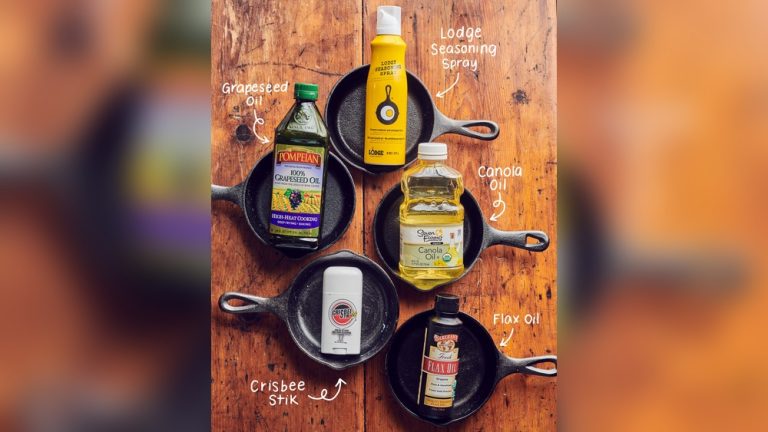
- The Seasoning Ritual: Cast iron needs care. You must oil it, bake it, and maintain the seasoning. If you like hands-on maintenance, cast iron rewards you with a naturally nonstick surface over time. If you want low-effort clean-up, stainless steel is easier: cook, rinse, and move on.
Stainless Steel vs. Nonstick Baking Pans
- Cookie Physics: Cheap dark nonstick baking sheets absorb heat fast. That can burn bottoms while leaving tops undercooked. Cheap pans warp and cook unevenly.
- The “Thump” Factor: Thin baking sheets often warp with heat. High-quality stainless steel or heavy gauge aluminum stays flat. That gives even baking and no mystery flakes in your roasted broccoli.
Stainless Steel vs. Nonstick vs. Others
| Feature | Stainless Steel | Nonstick (PTFE) | Ceramic | Cast Iron |
| Best For | Searing, pan sauces, “forever” use. | Eggs, fish, pancakes, quick cleanup. | Low-fat cooking, aesthetic kitchens. | Deep frying, baking, high-heat grilling. |
| Durability | High. Practically indestructible. | Low. Lasts 2–5 years. | Medium-Low. Coating can chip. | High. Gets better with age. |
| Ease of Cleaning | Requires some scrubbing (or soaking). | Wipe and go. | Very easy (while new). | Needs special care (no soap/soaking). |
| Health Safety | Gold Standard. No fumes or chemicals. | Safe below 500°F; fumes at high heat. | Toxin-free, but check for lead/cadmium. | Safe; adds a tiny bit of iron to food. |
| Metal Utensils? | Yes, go wild. | Never. It will ruin the pan. | No, use wood or silicone. | Yes, if well-seasoned. |
| Dishwasher Safe? | Yes (usually). | Technically “yes,” but don’t do it. | Hand wash to save the coating. | Absolutely not. |
Conclusiton
You don’t need a 20-piece set that fills three cabinets and requires a degree in metallurgy to organize. You need a small, strategic set of pans that makes cooking easy. That way you won’t want to order takeout every time you look at the stove.
The Essential Trio
- The 12-inch Stainless Skillet: Your workhorse. Use it for chicken thighs, searing, and pan sauces. It handles high heat and stays reliable.
- The 8-inch Nonstick: Your egg specialist. Use it for omelets, crepes, and pancakes. Don’t use metal utensils. Don’t put it in the dishwasher if you want it to last.
- The Big Ol’ Pot: Get a roomy pot—stainless or enameled cast iron. You need something that can boil a gallon of pasta water without drama.
Maintenance Hack: If you go stainless, buy a can of Bar Keepers Friend. It’s a powdery miracle. Weird rainbow spots or burnt-on oil vanish in about thirty seconds. It’s one of the best investments for keeping stainless steel looking new.
Quick Maintenance Tips for Longer-Lasting Pans
- Nonstick: Use low-to-medium heat. Avoid metal utensils. Hand wash to extend life. Replace when coating wears.
- Stainless Steel: Preheat properly. Add oil when the pan is hot. For stuck food, deglaze with wine or stock. Use Bar Keepers Friend for stains.
- Cast Iron: Dry thoroughly after washing. Oil lightly after use. Re-season when food starts to stick.
- Ceramic: Avoid high heat. Hand wash and skip abrasive cleaners to preserve the coating.
How to Choose Pans for Your Kitchen (Short Checklist)
- Cook what you eat most. Love eggs and pancakes? Buy nonstick. Cook steak and pan sauces? Buy stainless.
- Think about maintenance. If you hate hand-washing, avoid delicate ceramic or aging nonstick.
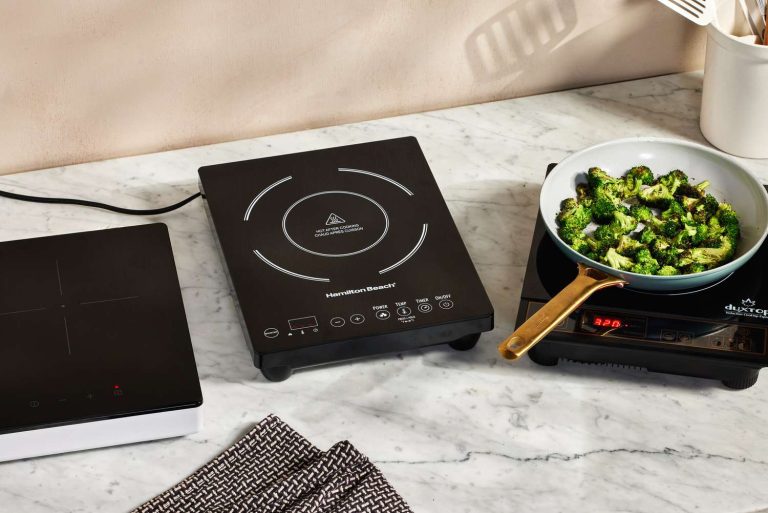
- Match pans to your cooktop. Some pans work better on induction. Check the manufacturer’s specs.
- Buy one good stainless skillet and one reliable nonstick. Add a pot and a cast iron or Dutch oven if you want to roast and braise.
The right cookware makes a real difference. Stop overthinking the purchase. Start building a small, sensible kitchen kit: one great stainless skillet, one reliable nonstick, and a roomy pot. Cook more. Worry less. And yes—use Bar Keepers Friend when the stainless gets moody.