Cast Iron Cookware Benefits And Side Effects: What You Must Know 2026

Cast Iron Cookware Benefits And Side Effects
For centuries cooks around the world have trusted cast iron cookware. I grew up with a well-worn skillet in my kitchen. Over the years I learned what it does best and where it falls short. From rustic skillets to heavy Dutch ovens, these sturdy pans are famous for long life and strong cooking performance. But is cast iron the right choice for every kitchen and every cook? Many people rave about its strengths. Others worry about its drawbacks. In this article I’ll explain the real benefits and the common side effects of using cast iron. You’ll learn why chefs and home cooks love it, what science says about health and cooking, and what to watch for when you use and care for these pans. Whether you’re buying your first cast iron pan or already own several, this guide will help you make smart choices. Let’s explore what makes cast iron unique and whether it belongs in your kitchen.
What Is Cast Iron Cookware?
Cast iron cookware is made by melting iron and pouring it into molds. The metal cools into thick, heavy pots and pans. The surface is often slightly rough. Unlike aluminum or stainless steel, cast iron feels solid and substantial. It often looks black or dark gray. You’ll find two main finishes: bare (uncoated) and enameled (coated).
There are two main types:
- Bare cast iron: Uncoated and needs seasoning to build a nonstick layer.
- Enameled cast iron: Covered with a glass-like glaze and does not need seasoning.
Cast iron is heavy. A 10–12″ skillet will feel far heavier than a similar nonstick or steel pan. The material is very hard and durable. That durability is why many pieces last for decades. Cast iron is ideal for frying, baking, roasting, and long-simmered stews.
Types and grades of cast iron
Not all cast iron is the same. Brands and foundries use different sand molds and finishing techniques. Some pans are smoother out of the factory; others are purposely textured. Cheaper pieces may have pits or uneven walls. Premium pans are machined to be flatter and smoother. I recommend feeling the pan’s underside and handle before buying used pieces—small defects can affect heat and balance.
Major Benefits Of Cast Iron Cookware
Many cooks choose cast iron for clear advantages. Below I list the strongest benefits and explain how they help in real kitchens.
1. Exceptional Heat Retention
Cast iron holds heat very well. Once hot, it stays hot longer than most other materials. That makes it ideal for:
- Searing meats: It helps form a rich, well-browned crust.
- Baking bread: It keeps oven heat steady for better oven spring.
- Simmering stews: It maintains temperature so soups and sauces stay warm for longer.
Compared to aluminum or stainless steel, cast iron’s heat retention is superior. In my kitchen, a cast-iron skillet keeps food hotter on the plate, which matters for finishing steaks and pans of cornbread.
| Material | Heat Retention | Heat Distribution |
|---|---|---|
| Cast Iron | Excellent | Good |
| Stainless Steel | Moderate | Very Good |
| Aluminum | Poor | Excellent |
2. Even Cooking Surface
Cast iron heats slowly. But once hot, it spreads heat evenly across the thick base. This reduces hot spots and helps with tasks like deep frying and slow-cooking braises. I use my Dutch oven for long braises because the heat is steady and predictable.
3. Long Lifespan
A well-cared-for cast iron pan can last decades. Some last over 100 years. Families often pass these pans down as heirlooms. Unlike many nonstick pans that lose their coating, cast iron can be restored. If it rusts or the seasoning degrades, you can reseason and bring it back to life.
4. Natural Nonstick Ability
Seasoned cast iron builds a natural nonstick surface. Seasoning forms when oils polymerize under heat and bond to the metal. With a well-built seasoning, eggs, pancakes, and fish slide off easily. I prefer this to synthetic coatings because it’s repairable and free of PTFE chemicals.
5. High Temperature Tolerance
Cast iron stands up to very high heat. It works on gas, electric, induction, and open flames. Many pieces can go from stovetop straight to oven. This is handy for dishes like seared steak, pan-roasted vegetables, and skillet pizzas.
6. Adds Iron To Food
Cooking in cast iron can increase the iron content of food. Acidic dishes (like tomato sauce) pick up more iron. Studies show food cooked in cast iron can have 2–5 times more iron than food cooked in other pans. For people with iron deficiency, that boost helps. I’ve noticed iron-rich stews cook differently in cast iron—both in taste and nutrition.
7. Versatility
Cast iron is useful for many cooking tasks:
- Frying
- Baking
- Roasting
- Broiling
- Grilling
It’s also reliable for camping. Cast iron survives open flames and rough handling that would damage lighter pans. I regularly take my skillet on trips for campfire cornbread and skillet hash.
8. Eco-friendly And Sustainable
Cast iron comes from natural materials and can be recycled. It rarely ends up in landfills because people restore and pass it on. Buying cast iron lowers the frequency of replacement compared to disposable nonstick pans. Many foundries reuse scrap iron, reducing waste and resource use.
9. Cost-effective Over Time
While some cast iron is pricey, the cost per year is very low because it lasts so long. You can find great used pans at thrift stores or flea markets. I’ve restored several thrift-store finds that cook perfectly and cost a fraction of new pieces.
10. No Harmful Chemicals
Bare cast iron does not contain synthetic nonstick chemicals like PTFE (Teflon) or PFOA. Enamel-coated pans are generally safe too, though you should avoid very low-quality enameled cookware that might have glaze issues. Buy known brands if you’re worried about contaminants.
Common Side Effects And Drawbacks
Cast iron is not perfect. It has limits and risks you should know. I’ve made every one of these mistakes at least once—so consider this a friendly warning.
1. Heavy Weight
Cast iron pans are heavy. A small skillet can weigh 4–5 pounds. Big Dutch ovens can be over 10 pounds. The weight makes them hard to lift and move. If you have weak wrists or arthritis, try a smaller pan or an enameled option with a lighter handle.
2. Requires Seasoning And Maintenance
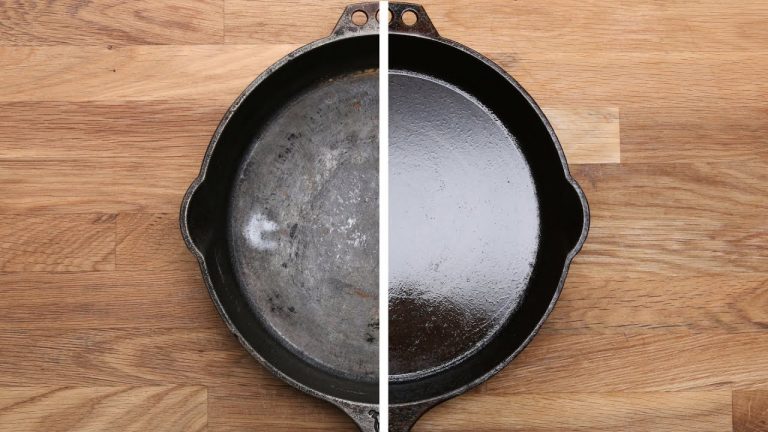
Bare cast iron needs regular seasoning. Without care the pan can rust or lose its nonstick layer. Seasoning means applying oil and baking it on. It’s simple, but it takes time and attention. If you prefer low-maintenance pans, enameled cast iron may be better.
3. Prone To Rust
If cast iron gets wet and is not dried, it can rust. Even small water spots will cause orange stains. Rust can be removed, but it takes effort. I once left a pan by the sink overnight and had to scrub it back to life.
4. Reactive With Acidic Foods
Bare cast iron reacts with acidic foods like tomatoes, vinegar, and citrus. The reaction can cause a metallic taste, discoloration, and extra iron in the food. Enameled pans avoid this. If you use bare pans, avoid long-simmering tomato sauces unless you like the extra iron content.
5. Slow To Heat Up
Cast iron takes time to warm up. If you want quick changes in temperature, cast iron might frustrate you. I preheat my pan several minutes before cooking to avoid uneven sears.
6. Not Dishwasher Safe
Most cast iron pans should never go in the dishwasher. Soap and water will strip seasoning and can cause rust. Cleaning by hand is required. There are a few enameled pieces labeled dishwasher-safe, but hand washing is usually gentler.
7. Can Crack Or Chip
If dropped, cast iron can crack or break. Enamel-coated pans can chip. Unlike steel, once the cast iron body fractures it’s usually beyond repair. Avoid sudden temperature shocks and handle with care.
8. Uneven Surface
Many cast iron pans have a rough surface. That can make cleaning harder and cause food to stick until seasoning builds up. Newer, machined pans tend to be smoother and easier to maintain.
9. May Leach Too Much Iron
While extra iron can help some people, those with iron overload disorders (like hereditary hemochromatosis) should limit iron intake. If you have a medical condition that affects iron, check with your doctor about using cast iron regularly.
10. Not Ideal For All Cooking Methods
Cast iron is not perfect for boiling plain water, making delicate emulsified sauces, or dishes that need rapid temperature shifts. It also can’t be used in microwaves. Use stainless steel or nonstick pans for light, fast tasks.
Cast Iron Vs Other Cookware: Key Comparisons
To help you decide if cast iron fits your kitchen, here’s a simple comparison with other common cookware types.
| Feature | Cast Iron | Stainless Steel | Nonstick (PTFE) | Aluminum |
|---|---|---|---|---|
| Heat Retention | Excellent | Moderate | Poor | Poor |
| Nonstick Ability | Good (when seasoned) | Low | Excellent | Low |
| Durability | High | High | Low | Moderate |
| Weight | Heavy | Moderate | Light | Light |
| Maintenance | High | Low | Low | Low |
| Chemical Safety | Excellent | Excellent | Low | Moderate |
Cast iron shines in durability and heat retention. Nonstick pans win on convenience but do not last as long. Stainless steel is reliable and safe, but it lacks the same heat-staying power as cast iron.
Credit: foodal.com
Health Effects Of Cooking With Cast Iron
Iron Leaching: A Double-edged Sword
When you cook in cast iron, some iron enters your food. This can be a benefit or a drawback depending on your needs.
- Women of childbearing age often need more iron.
- Vegetarians may have lower iron intake from food and can benefit.
- People with anemia can get a dietary boost.
Research shows cast iron can add a significant amount of iron to food—sometimes up to 80% more than other pans, especially in acidic dishes. This boost helps people with low iron. But too much iron can hurt people with iron overload conditions. If you have a health condition, talk to your doctor before using cast iron daily.
Chemical Safety
Cast iron does not contain harmful chemicals like many older nonstick coatings. No PTFE or PFOA is used in bare cast iron. Enamel-coated pans are generally safe too. That said, very cheap enamel ware can have glaze problems. Choose trusted brands to avoid any lead or glaze defects.
Allergies And Sensitivities
True iron allergies are rare. Some people do notice stomach upset or a metallic taste when they first use cast iron. If that happens, switch pans or reduce use until you know how your body reacts.
Bacterial Resistance
A well-seasoned cast iron surface resists bacteria and mold. Proper heat and seasoning make it hygienic for cooking. Always heat pans long enough to kill bacteria and clean them between uses.
How To Season And Maintain Cast Iron
Seasoning Steps
Proper seasoning is key for cast iron. Here’s a simple, repeatable method I use:
- Wash the pan with warm water and mild soap if it’s new or heavily soiled.
- Dry the pan completely with a towel and a short time on the stovetop or oven to remove all moisture.
- Rub a thin layer of oil (flaxseed, grapeseed, or vegetable oil) across the whole surface, inside and out.
- Place the pan upside-down in an oven at 400°F (200°C) for 1 hour. Put foil on the rack below to catch drips.
- Let the pan cool inside the oven until it’s safe to handle.
Repeat this 2–3 times the first time you season a new or stripped pan. Each use will improve the seasoning. I usually cook fatty foods the first few times to build a strong layer faster.
Cleaning Tips
- Never soak cast iron in water.
- Clean with a stiff brush, chainmail scrubber, or coarse salt and a cloth.
- Dry immediately after washing—heat on the burner for a minute if needed.
- Apply a small amount of oil after each use to keep the seasoning fresh.
Restoring Rusty Cast Iron
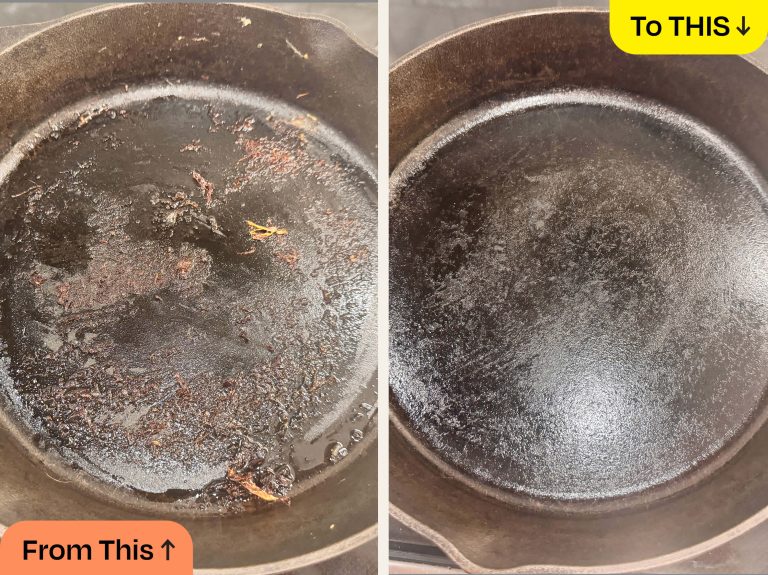
If your pan rusts, don’t panic. Scrub off the rust with steel wool until you reach bare metal. Wash and dry it thoroughly, then re-season as described above. Even badly rusted pans can often be saved with patient work and a good reseasoning.
Quick Maintenance Checklist (My Routine)
- Preheat pan before cooking.
- Use enough fat—oil or butter—on first uses after seasoning.
- Wash and dry immediately after use.
- Reapply a light smear of oil if the surface looks dry.
- Store in a dry place and avoid sealing with lids on to prevent trapped moisture.
Cooking Tips For Cast Iron
To get the best results, follow these tips I use regularly:
- Preheat the pan for several minutes before adding food. This prevents sticking and gives even browning.
- Use enough oil or fat to prevent sticking, especially early on.
- Avoid cooking acidic foods for long periods in bare pans to protect seasoning.
- Let hot pans cool slightly before washing to avoid thermal shock and potential cracking.
- Store in a dry place and separate stacked pans with paper towels to protect the seasoning.
One insight beginners miss: never place cold cast iron on a hot burner—this can warp or crack the metal. I learned this the hard way and now always preheat both the pan and the stove properly.
Another tip: use a paper towel between stacked pans to avoid scratches and to keep seasoning intact.
Enameled Vs Bare Cast Iron: Which Should You Choose?
Enameled cast iron is coated with a glaze. Here’s a direct comparison to help decide:
| Feature | Bare Cast Iron | Enameled Cast Iron |
|---|---|---|
| Needs Seasoning | Yes | No |
| Rust Risk | High | Low |
| Handles Acidic Foods | Poor | Excellent |
| Nonstick Ability | Good (when seasoned) | Moderate |
| Weight | Heavy | Very Heavy |
| Price | Lower | Higher |
Enameled pans are easier to maintain. They are excellent for long tomato sauces, braises, and acidic dishes. Bare cast iron is more affordable and builds a richer natural nonstick surface with time. I keep both types and use the enameled Dutch oven for tomato-based stews and the bare skillet for searing and pan-frying.
Credit: traditionalcookingschool.com
Practical Uses And Unique Advantages
Cast iron is popular for dishes that need high or steady heat. In my kitchen I use it for:
- Steak searing: High heat gives a perfect crust and even browning.
- Cornbread baking: The pan keeps edges crisp and gives even color.
- Frying chicken: It holds oil temperature steady for even frying.
- Pizza making: A hot skillet gives a crisp base and chewy crust.
Cast iron also shines in outdoor cooking. It survives fire and rough handling better than many pans. Chefs often prefer cast iron for dishes that need a consistent, high-heat surface.
A lesser-known advantage: cast iron can boost iron in lentils, rice, and beans. That makes it helpful for people on vegetarian diets who want more dietary iron.
Common Mistakes With Cast Iron
Even experienced cooks make mistakes. Avoid these common errors:
- Using soap regularly: It can strip seasoning if used aggressively.
- Leaving pans wet: That leads to rust in minutes.
- Cooking acidic foods for hours: This damages seasoning on bare pans.
- Storing with lids on: Trapped moisture causes rust—store with lids off or ajar.
- Heating too fast: Sudden heat can crack or stress the pan.
Most issues are fixable, but prevention saves time and effort. If you catch problems early you can often correct them with a reseasoning cycle.
Cast Iron Cookware: Buying Guide
When choosing cast iron, think about these factors:
- Weight: Can you lift it easily and safely?
- Size: Pick sizes that match the recipes you cook most.
- Surface: Smooth pans are easier to clean; textured pans can build seasoning faster.
- Brand: Reliable brands (like Lodge, Le Creuset) offer consistent quality and warranties.
- Price: Good pans cost more but last longer—used pans can be great value.
Look for even thickness, no hairline cracks, and a handle you can grip comfortably. If you buy used, inspect for deep pitting, heavy rust, or structural damage. Surface rust is usually fixable; deep cracks are not.
Environmental Impact Of Cast Iron
Cast iron is a sustainable choice when you consider lifespan. It is often made from recycled metal and can be recycled again. Because pieces last for decades, they reduce waste compared to disposable pans. Restoring old pans extends their life and cuts down on new production. Some manufacturers now use renewable energy and eco-friendly packaging, which further reduces impact.

Credit: www.reddit.com
Is Cast Iron Right For You?
Cast iron works best for people who:
- Enjoy slow, even cooking
- Want durable cookware that can last generations
- Prefer natural materials over synthetic coatings
- Could use extra dietary iron
It’s less suitable for people who:
- Have weak wrists, arthritis, or trouble lifting heavy cookware
- Prefer quick, low-effort cleaning
- Cook mostly acidic dishes and don’t want to buy enameled pans
My advice: start with one pan. A small skillet is a low-risk way to test whether you like working with cast iron. If you enjoy the results and the care routine, expand to a Dutch oven or griddle.
Frequently Asked Questions
What Foods Should Not Be Cooked In Cast Iron?
Avoid cooking highly acidic foods (tomato sauce, vinegar-based stews) for long periods in bare cast iron. These foods can damage seasoning and give a metallic taste. Enameled cast iron is safe for all foods and is better for long-simmered acidic dishes.
How Do I Clean Cast Iron After Cooking?
Wipe out excess food. Rinse with warm water and scrub with a stiff brush or coarse kosher salt. Dry completely and then rub a small amount of oil on the surface. Avoid harsh soap unless you need to remove old seasoning or heavy grease.
Does Cast Iron Add Iron To Food?
Yes. Especially when you cook acidic foods, cast iron can add significant iron. Some studies report up to 80% more iron in foods cooked in cast iron versus other pans. This helps people with low iron, but it can be a concern for those who must limit iron intake.
Can I Use Cast Iron On Glass Stovetops?
Yes, but be careful. Cast iron is heavy and can scratch or crack glass. Lift the pan rather than sliding it. Use a smooth-bottomed pan if you cook exclusively on glass or ceramic cooktops.
Is Cast Iron Safe For Health?
Cast iron is safe for most people. It contains no harmful PTFE chemicals. However, people with iron overload (like hereditary hemochromatosis) should limit frequent use. Always buy enameled pans from reputable makers to avoid low-quality glazes. For more technical details about iron leaching, visit Wikipedia.
Cast iron cookware is a classic choice that blends tradition and practicality. It offers clear benefits—excellent heat retention, strong durability, and potential health advantages from added dietary iron. It requires some care and is not perfect for every meal. Many cooks find it rewarding once they learn the basics. Start with one pan. Learn to season, clean, and cook on it. With proper use and maintenance, cast iron can become a favorite tool that lasts for generations.
With practice and care, a cast iron pan will feel like an old friend in your kitchen. It’s a tool I rely on for reliable heat, deep flavor, and long-term value.