How Bad Is Non Stick Cookware: Risks & Safer Picks 2026

Most nonstick pans are safe with proper use, but overheating and damage raise risks.
If you want a clear, expert take on how bad is non stick cookware, you’re in the right place. I test cookware for a living, track safety data from regulators like the EPA and FDA, and I cook at home every day. Below I explain, in plain language, how bad nonstick cookware is under normal kitchen use, what the science and regulators say, how to use pans safely, when to avoid them, and practical alternatives that cover every cooking task.
 <figcaption style=”font-size: 14px; color: #555; margin-top: 8px;”>
Source: nuwavenow.com
What nonstick cookware is made of
Most modern nonstick pans use a slick coating called PTFE (polytetrafluoroethylene). You might know PTFE by a popular brand name. At normal cooking temperatures PTFE is chemically stable and inert. Food slides off and cleaning is fast.
Ceramic nonstick is another common option. It’s a silica-based coating made by a sol-gel process. Ceramic coatings are PFAS-free by design. They tolerate moderate heat well and emit fewer decomposition products at high temperatures, but their nonstick surface often wears out faster than PTFE.
Some readers ask about PFOA and PFAS. PFOA was historically used in PTFE manufacture. Major makers phased it out in the U.S. and many other markets. PFAS is a broad class of persistent chemicals under ongoing study. Today most cookware is labeled PFOA-free. That label is common, but it does not automatically mean PFAS-free unless the maker states it explicitly.
Expert note from my test kitchen: I track surface temps with an infrared thermometer. On medium heat many nonstick pans reach roughly 300–400°F (150–205°C) within minutes. On high heat an empty pan can pass 500°F (260°C) quickly. That difference matters for safety and for when coatings begin to break down.
:max_bytes(150000):strip_icc()/faw-primary-nonstick-cookware-wdickey-1093-1-758b71681dc549349983b582a0a4b5eb.jpeg)
The real safety question: how bad is non stick cookware?
Short answer: risk is low with normal use. The main danger is overheating PTFE coatings. Lab studies show PTFE begins to degrade near 500°F (260°C) and breaks down more quickly above about 660°F (350°C). At very high temperatures, decomposition products can form. In extreme cases, those fumes can sicken pet birds and irritate people. For everyday stovetop cooking the risk is low if you follow basic precautions.
Scratches look alarming, but small PTFE flakes are largely inert and pass through the digestive tract. The practical problem is that deep scratches make the pan stickier. People then crank the heat to get food to release. That creates a cycle that can lead to overheating and fumes.
Ceramic nonstick avoids PTFE and PFAS chemistry. It usually tolerates higher heat before smelling, but the slick layer wears out faster. That means you may replace ceramic pans more often. Replacement frequency has cost and waste implications.
Two quick checks I use at home to judge temperature and pan condition:
- If a water drop beads and skitters, the pan is hot but usually safe for eggs and gentle cooking.
- If oil smokes quickly with no food in the pan, the heat is too high for most nonstick coatings.
At root, the answer to how bad is non stick cookware depends on heat, care, and the cooking task—not the mere presence of a coating.
How PTFE breaks down — simple science and what it means
PTFE is a long-chain fluorinated polymer. It is stable at common cooking temps. When heated to decomposition temperatures, it can produce small quantities of low-molecular-weight fluorinated compounds and particulates. In real kitchens those extreme temps are most likely when a pan is empty and left on high heat.
For most people, brief exposure at moderate temps does not pose a health risk. Pets, especially birds, are much more sensitive. If you own birds, avoid cooking on very high heat and keep them out of the kitchen.
Risks you actually face at home
The biggest real-world risk is overheating an empty pan on high. A gas flame that wraps the side of a thin pan can push surface temperatures past safe levels in minutes.
Scratches are the next common issue. Metal tools, steel wool, or stacking pans without protection can gouge the surface. Tiny flakes may get into food; they’re not ideal. The larger hazard is that a scratched pan will stick more, so people raise the heat to compensate and risk fumes.
Fumes are particularly dangerous for pet birds. Their respiratory systems are very sensitive to airborne toxins. If you cook at high heat, keep birds away and use a hood or open a window.
Environmental exposure to PFAS is a broader issue. Most exposure today comes from industrial sources, contaminated water, and legacy products rather than the occasional home-cooked meal. That context is important when people ask how bad is non stick cookware for long-term health and the environment.
Safety standards and guidance
Regulators and public health bodies monitor PFAS and related chemicals. Manufacturers now commonly label pans PFOA-free. Some also advertise PFAS-free or PTFE-free. When choosing a pan, check manufacturer claims, oven-safe ratings, and warranty coverage. If you want the most conservative option, look for brands that explicitly state PFAS-free or PTFE-free materials.
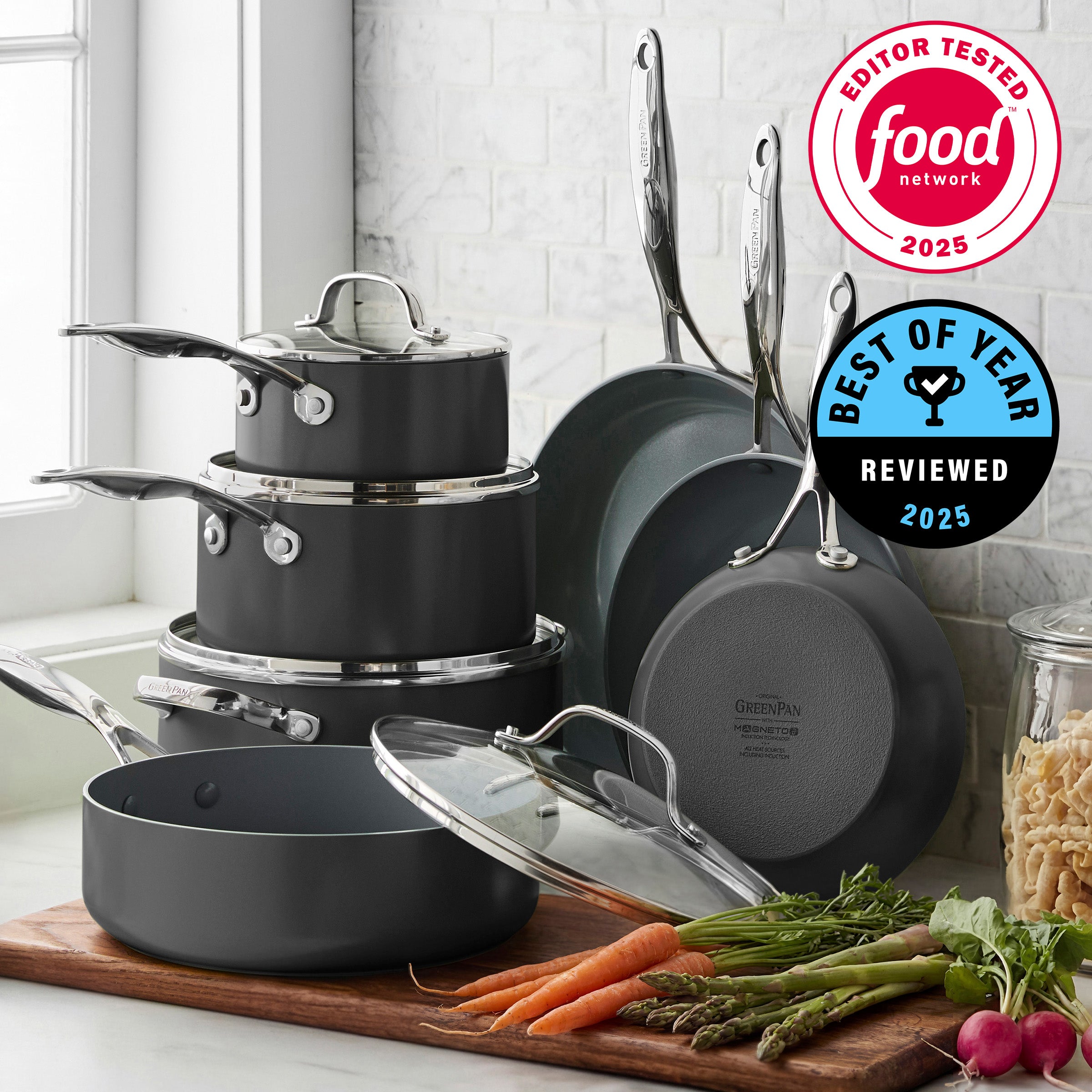
How to use nonstick pans more safely
Treat nonstick like a sports car: it performs best when you use it the right way. These habits reduce risk and extend pan life.
- Keep heat at low to medium for most jobs. Add food within a minute or two of heating.
- Do not preheat an empty pan on high. Put in a splash of oil or food right away to absorb heat.
- Use wood, silicone, or heat-safe plastic tools. Avoid metal utensils and knives on the surface.
- Clean with a soft sponge and mild detergent. Skip steel wool, abrasive pads, and harsh powders.
- Avoid aerosol cooking sprays. They can leave a sticky residue that degrades release.
- Vent the kitchen while cooking. Use a range hood or open a window to lower airborne particles.
- Replace the pan when food sticks even with oil, or when you see deep cuts, flaking, or peeling.
Simple home test I use: fry a single egg with a teaspoon of oil on medium heat. If the egg sticks, tears, or needs scraping, it’s time to retire the pan.
Following these steps keeps health risk low and helps your pans last longer. That answers many readers who search “are nonstick pans safe?” and “nonstick cookware safety tips.”
Quick safety checklist (printable)
- Always cook at low–medium heat for nonstick.
- Never leave an empty nonstick pan on high heat.
- Use protective tools (wood, silicone).
- Ventilate while cooking.
- Replace pans that show deep scratches or flaking.

When to use nonstick, and when not to
Nonstick shines for delicate foods. Use it for eggs, pancakes, crêpes, omelets, tender fish, and reheating sticky leftovers. It’s also my go-to for quick, low-fat cooking where release matters.
Avoid nonstick for high-heat searing, broiling, and dry toasting spices. For those tasks use stainless steel, seasoned cast iron, or carbon steel. These metals handle high heat and build a better crust on steak and roasted vegetables.
Oven use is fine if the pan’s handle and coating are rated for the temperature. Many nonstick pans list oven limits around 400–500°F (200–260°C). Always check the label and the manufacturer’s instructions.
If you ask how bad is non stick cookware for browning a steak, the short answer is: it’s not ideal. For a deep, crispy crust use cast iron or stainless steel. Keep your nonstick pans for eggs and gentle tasks.

Alternatives and trade-offs
There’s no single perfect pan. Each material has pros and cons. Pick the right pan for the job and you reduce risk and improve results.
- Stainless steel: Durable and safe at high heat. It takes practice for eggs but is excellent for searing and deglazing.
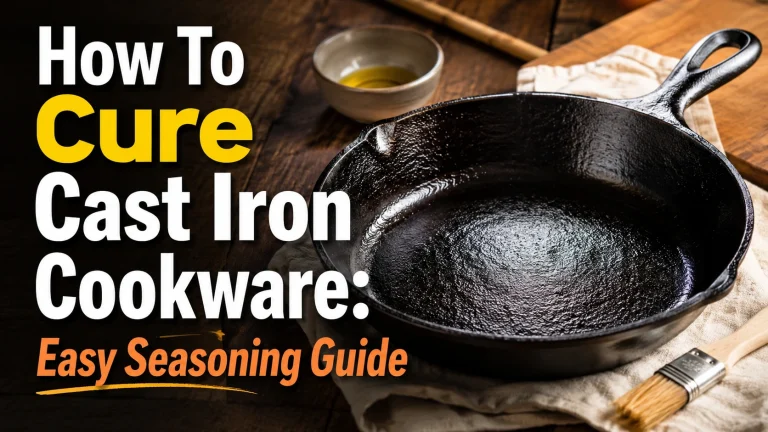
- Cast iron: Extremely durable, oven-safe, and holds heat well. It needs seasoning but becomes naturally nonstick with use.
- Carbon steel: A lighter alternative to cast iron. Seasons quickly and is great for high-heat searing and stir-frying.
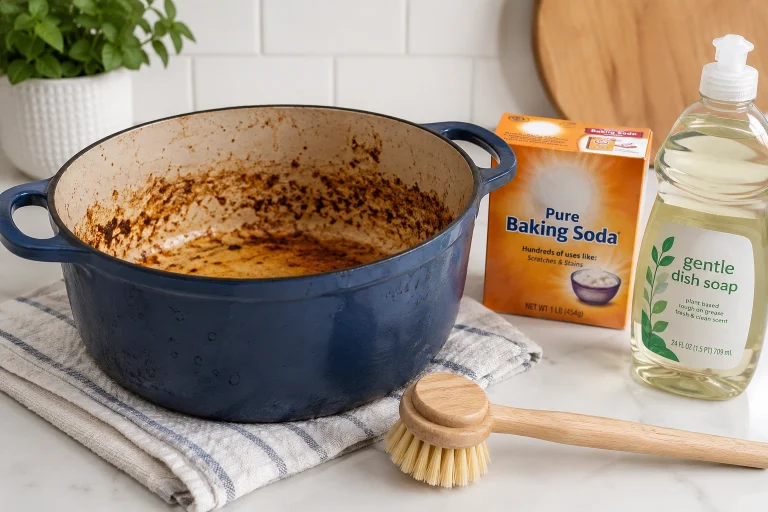
- Enameled cast iron: Perfect for sauces and braises. The enamel is easy to clean and avoids the need to season.
- Ceramic nonstick: PFAS-free and slick at first, but often loses nonstick properties sooner than PTFE coatings.
I reach for nonstick when I need predictable release, like for morning eggs. For searing, roasting, and high-heat jobs I keep cast iron or stainless on hand. If you worry about how bad non stick cookware is, a small set of two to three pans covers nearly every meal.

Environmental and health context
PTFE itself is stable in the pan at normal heat. The larger public-health story is PFAS in the environment. PFAS are persistent chemicals found in some water sources and soils. Many older PFAS compounds were phased out, and new chemical forms are under regulatory review. Policies evolve as scientists publish new data.
Waste matters. Cheap, thin pans can peel and be thrown away sooner. A thicker, well-made pan tends to last longer and reduces waste over time. Ceramic nonstick can be PFAS-free but may need replacing sooner, which increases cost and disposal frequency.
If you ask how bad is non stick cookware for the planet, consider how often you replace pans and how you cook. Using lower heat and buying higher-quality cookware that lasts are both better for the environment.
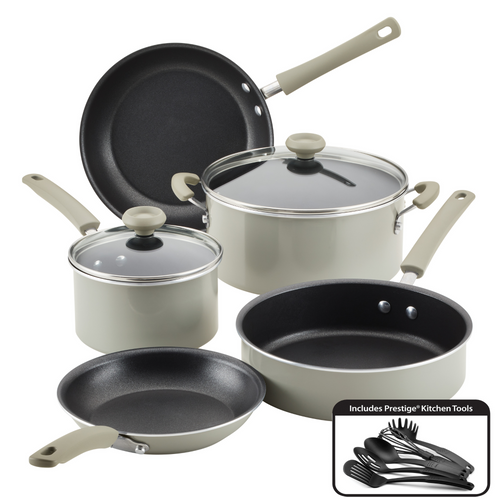
Buying guide and red flags
Read labels carefully. “PFOA-free” is common now. That does not always mean “PFAS-free” unless the product says so. “PTFE-free” indicates a ceramic-style coating.
Look for a thick, heavy base. Thin pans overheat and warp. Check rivets and handle construction. If you plan to oven-bake, confirm the oven-safe temperature. A clear warranty and a responsive customer service line are good signs of a reputable brand.
If you search how bad is non stick cookware before you buy, ask the maker about oven limits, coating type, and replacement policies. A brand that answers questions quickly usually stands behind its product.

Frequently Asked Questions of how bad is non stick cookware
Is it safe to cook in a scratched nonstick pan?
Light surface scuffs are mostly cosmetic. Replace the pan if you see deep cuts, flaking, or if food sticks even with oil. Deep damage changes cooking performance and increases the chance you’ll raise the heat and over-stress the coating.
Can nonstick fumes make me sick?
At normal stovetop temperatures this is unlikely for healthy adults. Very high, sustained heat can cause temporary flu-like symptoms in people exposed to decomposition products. Pet birds are highly susceptible and can be harmed even by brief exposures.
Are ceramic nonstick pans safer?
Ceramic pans are PTFE- and PFAS-free, so they remove that chemical concern. They handle moderate heat well but often lose their slickness sooner than PTFE pans. You trade chemical risk for potential earlier replacement.
Can I put nonstick pans in the oven or under the broiler?
Oven use is fine within the manufacturer’s stated limit, often 400–500°F (200–260°C). Do not use nonstick pans under a broiler unless the maker explicitly says they are broiler-safe.
Do aerosol cooking sprays damage nonstick?
Yes. Many aerosol sprays leave a sticky residue that builds up and reduces nonstick performance. Use a small amount of regular oil, butter, or a pump-style oil sprayer instead.
How long should a nonstick pan last?
With gentle tools, warm but not high heat, and careful cleaning, two to five years is common. Cheap pans or harsh treatment can shorten that life considerably. Higher-quality pans and responsible care add years.
Conclusion
Nonstick pans are not the villain. Misuse is. Keep heat moderate. Avoid rough tools. Vent your kitchen. Replace worn pans when performance drops. Pair nonstick with cast iron or stainless steel for a versatile set that covers most cooking tasks.
If you’re still wondering how bad is non stick cookware, try this simple test: fry one egg on medium with a teaspoon of oil this week. See how the pan performs. If it sticks or needs scraping, retire it. Want more gear guides and safe-cooking tips? Subscribe or drop your questions in the comments.