Best Way To Store Cast Iron Cookware: Space-Saving Tips

Store clean, dry, lightly oiled pans separated or hung to prevent rust and damage.
As a professional cook and long-time cast iron enthusiast, I’ve tested many storage methods and learned what works in real kitchens. This guide explains the Best Way to Store Cast Iron Cookware with clear, practical steps, proven tips, and simple solutions that keep your pans rust-free and ready to cook. I’ll share what I do at home and on the job so you can protect your investment, avoid frustration, and make daily cooking smoother.

Why Proper Storage Matters for Cast Iron
Cast iron is built to last for generations, but poor storage shortens its life. Rust, dings, and sticky buildup start when pans are left damp, stacked without protection, or put away with food residue. Humidity, salty air, and tight spaces can also speed up oxidation.
I’ve seen rust ruin family heirlooms and brand-new skillets alike. Proper storage keeps seasoning intact, prevents odors, and reduces the need for heavy re-seasoning or repairs. In short, learning the Best Way to Store Cast Iron Cookware saves time, money, and elbow grease. It also keeps cooking consistent, nonstick, and safe.
A quick mindset shift helps: think of storage as part of the cooking process. When you end well, you start the next meal strong.
Preparing Cast Iron for Storage
Clean and dry pans fully before storing. Any moisture left on the surface can cause rust in hours, not days. A light oil coat seals the surface and protects your hard-earned seasoning.
Steps to prepare cast iron for storage:
- Wash warm water with a soft brush for stuck food. Avoid soap unless grease build-up needs it. If you use a tiny bit of mild soap for heavy residue, re-oil right after.
- Dry immediately with a towel. For extra safety, heat the pan briefly on a stovetop to evaporate any remaining moisture.
- Apply a thin coat of oil to protect the surface. Use a high-smoke-point oil like flaxseed, canola, vegetable, grapeseed, or rice bran oil. Wipe until the pan looks dry with a soft sheen—no drips.
- Cool and store once fully dry and lightly oiled.
I always heat pans for two minutes after drying. That simple habit stopped my pans from developing rust spots even in humid months. If you live near the coast or in a damp climate, this step is a must.
Pro tip: If flaxseed oil gets sticky, switch to canola or grapeseed. Thin coats are key. Thick coats collect dust and can turn tacky.

Best Storage Methods for Cast Iron Cookware
There are several solid options to store cast iron. Pick the one that fits your kitchen layout and how often you use each pan. Aim for airflow, separation, and easy access.
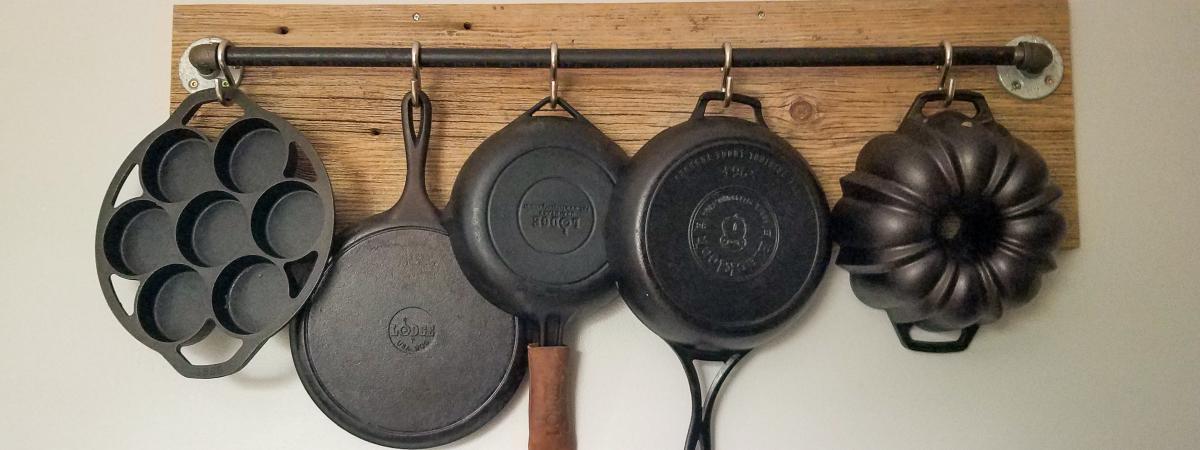
Hanging storage
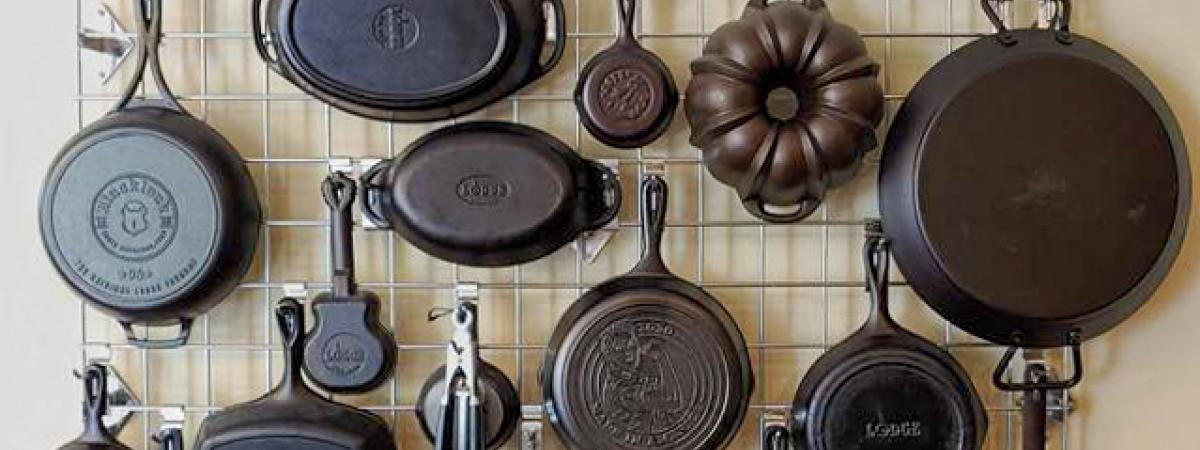
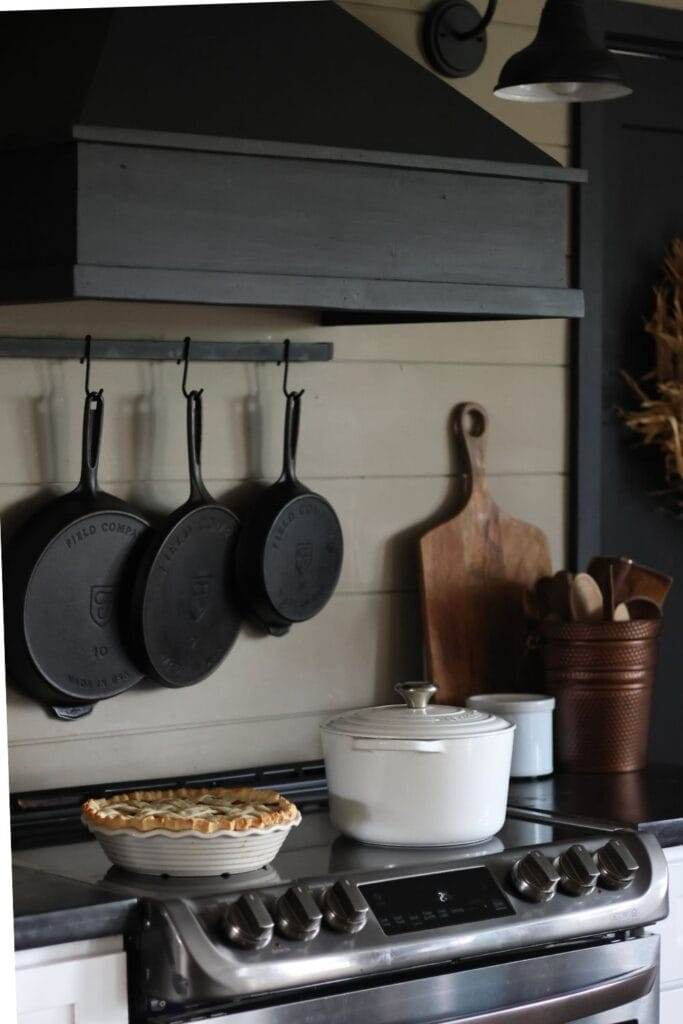
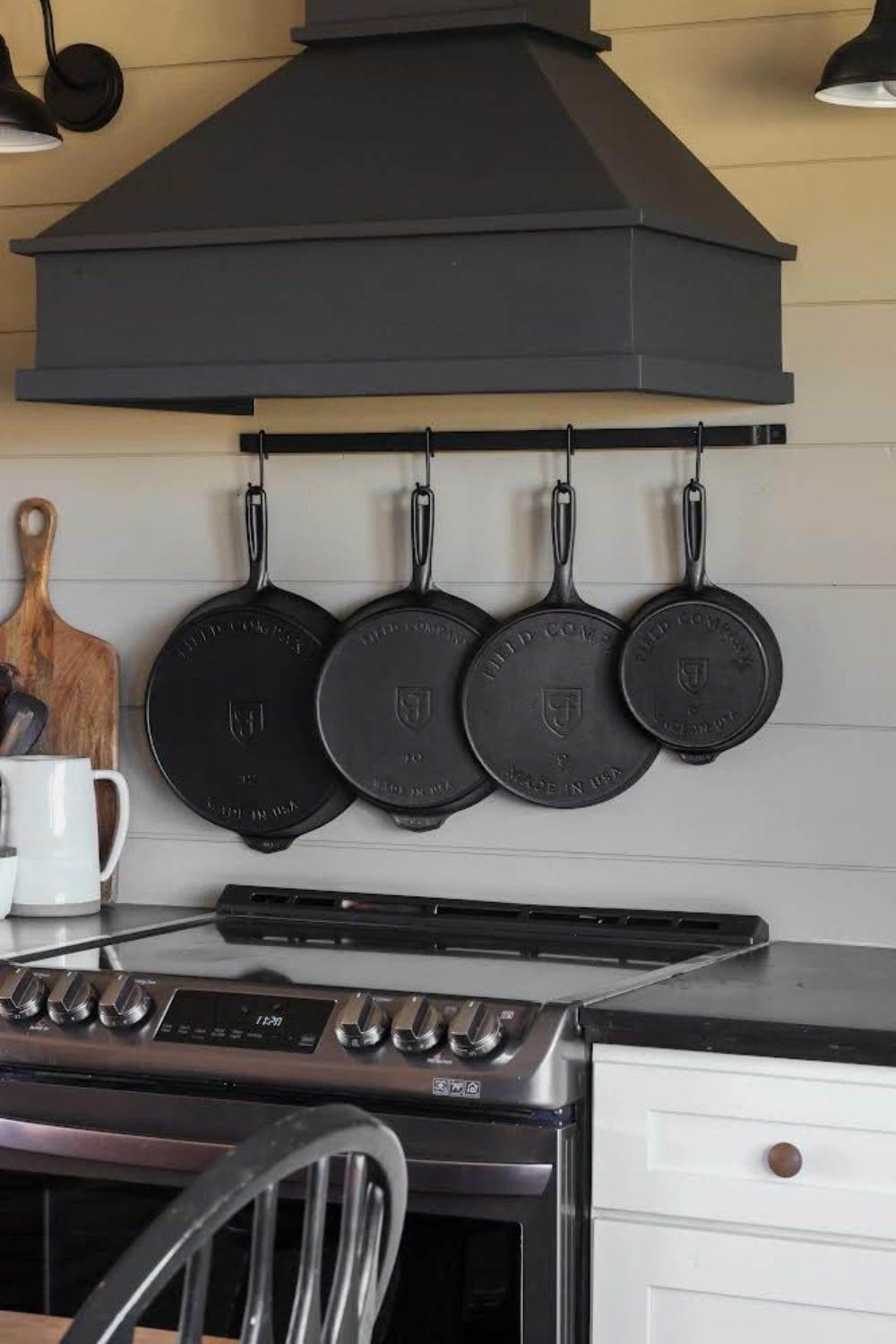
- Hang skillets on a rack or pegboard. This prevents stacking damage and improves airflow.
- Use padded hooks or felt pads where metal touches metal.
- Mount racks into studs or use heavy-duty anchors. Cast iron is heavy—secure hardware prevents accidents.
- Space hooks so handles and rims don’t touch. A finger’s width is enough.
Open shelving
- Store pans on a low, open shelf where they are easy to reach.
- Keep lids separate or inverted to avoid trapped moisture.
- Add cork or silicone feet under pans to protect shelves and promote airflow.
- If sunlight hits the shelf, ensure pans are cool and dry; heat can pull out any hidden moisture.
Stacking with protection
- If you must stack, place paper towels, felt liners, or dedicated pan protectors between pans.
- Use cloth or silicone protectors to prevent scratching and preserve seasoning.
- Stack by size and weight—heavier pans on the bottom, lighter on top for stability.
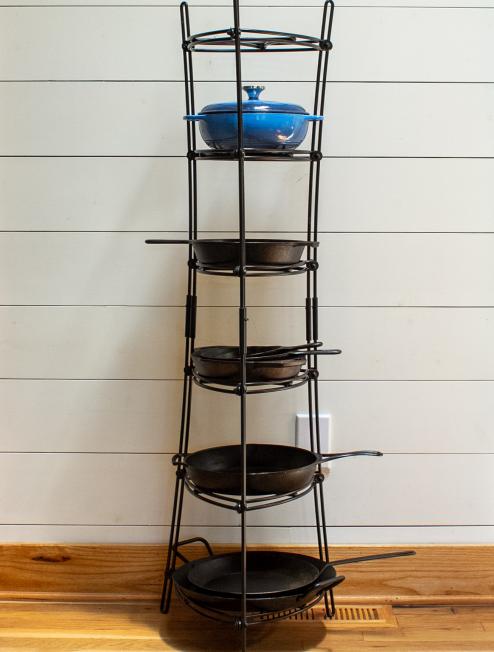
- Consider vertical pan racks or dividers to save space and reduce contact.
Cabinet storage
- Store in a cool, dry cabinet and avoid lids sealed tightly onto warm pans.
- Leave doors slightly ajar if humidity is a concern.
- Slip a small desiccant pack (food-safe) or a few tablespoons of dry rice in a breathable pouch to reduce moisture.
- Avoid cabinets above steamy appliances if possible.
Everyday carry
- Keep the pan you use most on the stovetop or near it. Immediate access encourages frequent use and upkeep.
I prefer hanging for frequently used skillets and one or two open shelves for larger pieces. That balance gives quick access without crowding. In a small apartment, a wall rail with S-hooks works wonders.

Preventing Rust and Moisture
Rust prevention is central to the Best Way to Store Cast Iron Cookware. Moisture and salt are the main culprits. Airflow, oil, and dryness are your best defenses.
Key rust-preventing steps:
- Always dry fully after washing or rinsing. Heat to speed evaporation.
- Apply a thin layer of oil before storing to create a moisture barrier.
- Avoid storing cast iron in basements or damp garages.
- Don’t seal a slightly warm pan in a closed container; let it cool first.
- Use desiccant packs or a small dehumidifier if your kitchen is humid, especially in coastal areas.
- Keep salty brines or marinades away from bare cast iron during storage and transport.
PAA-style questions
### How long can cast iron sit without oil?
Cast iron can sit for a few days without oil if dry, but apply oil before long-term storage to prevent oxidation. Regular light oiling every few months helps maintain the seasoning. In humid climates, oil more often and keep airflow strong.
Can I store cast iron with the lid on?
You can store cast iron with the lid on if both pieces are clean and dry, but a paper towel between lid and pan improves airflow and prevents moisture traps. I also crack the lid a bit if the space is humid.
Climate and Humidity Control for Different Homes
Your location changes your storage plan. Dry mountain air is not the same as a coastal kitchen. Adjust your routine to match your environment.
- Coastal or humid homes: Add desiccant packs, use open racks, and oil lightly after each use. Consider a small cabinet dehumidifier.
- Cold climates: Avoid storing pans in unheated garages; condensation forms when temps swing.
- Small apartments: Go vertical with pegboards and rails. Use pan protectors if you must stack.
- Shared kitchens: Label hooks or shelves and keep pan protectors handy to avoid rough stacking.
Special Cases: Dutch Ovens, Grill Pans, and Enameled Pieces
Not all cast iron pieces store the same. A few tweaks protect unique shapes and finishes.
- Dutch ovens: Store the pot and lid with a paper towel between them. Crack the lid or flip it upside down to improve airflow.
- Grill pans: Oil the ridges lightly and store with a liner to protect the peaks from chipping.
- Griddles and reversible grill/griddles: Hang or slide into a vertical rack to save space and prevent warping pressure.
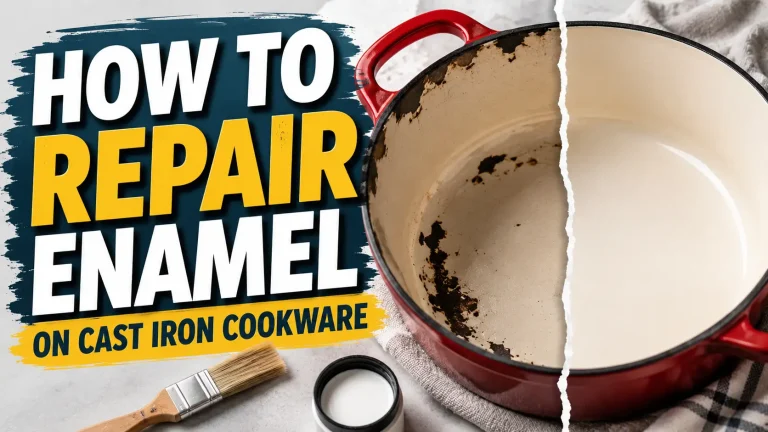
- Enameled cast iron: It does not need oil on the enamel, but keep rims (bare iron) lightly oiled. Avoid rough stacking to prevent chips.
Stacking and Space-Saving Strategies
If space is tight, stacking is common. Do it right to avoid ruining the seasoning or scratching the cooking surfaces. Keep contact soft and pressure light.
Stacking tips:
- Place soft liners, paper towels, or felt between each pan.
- Stack similar-sized pans together for stability.
- Store lids separately to save vertical space and prevent trapped moisture.
- Consider a pan divider or rack to keep pans upright and separated.
- Avoid stacking when pans are still warm; trapped steam can cause flash rust.
I once stacked pans without protection and learned the hard way—seasoning gouges that required heavy re-seasoning. A set of inexpensive felt pads fixed the problem immediately. Now, I keep a small stack of protectors in the cabinet so I never skip them.
Seasoning and Maintenance for Stored Cast Iron
Storage is part of a maintenance routine. Regular seasoning keeps pans cooking well and reduces rust risk. A little care after each use beats a big rescue later.
Maintenance checklist:
- Reapply a thin coat of oil after deep cleaning or every few uses.
- If the surface looks dull or sticky, strip to bare iron and re-season with multiple thin oil layers.
- Use the oven method for seasoning when needed: apply oil, bake at 400–450°F for an hour, cool in oven.
- Wipe pan after every use and heat briefly to dry before storing.
- Spot-fix small rust areas with fine steel wool, then oil and heat. Don’t wait—rust spreads fast.
Regular use is the best maintenance. The more you cook with your cast iron, the stronger the seasoning becomes. Bacon and roasted veggies do wonders for a fresh layer.
Quick Troubleshooting Guide
- Pan smells musty: Wash, dry, heat for 2–3 minutes, then wipe with oil. Store with the lid cracked or off.
- Sticky surface after storage: Wipe off excess oil, heat the pan to smoke point briefly, cool, and re-wipe.
- Orange specks of rust: Scrub the spot with steel wool, rinse, dry, oil, and heat. Repeat if needed.
- Seasoning scratches from stacking: Cook a few fatty meals or do a thin oven re-season to rebuild.
Travel and Temporary Storage
When transporting or storing cast iron temporarily, take a few precautions to avoid damage. Weight and moisture are the two big risks on the road.
Travel tips:
- Wrap pans in cloth or bubble wrap to protect the finish.
- Keep pans dry and avoid placing them next to damp items.
- For short-term storage, stack with liners and keep in a dry room.
- Add a small desiccant pack in the tote if you expect big temperature swings.
I travel twice a year with cast iron to pop-up events. A simple towel wrap and a small container of oil in the bag keep pans safe and ready to cook. I also pack a few felt pads so I never stack bare metal on metal.
Common Mistakes to Avoid
Avoid habits that undo your hard work maintaining cast iron. These mistakes are easy to prevent with small changes.
Common errors:
- Storing damp pans or sealing in plastic while warm
- Stacking without protection and scratching the seasoning
- Using too much soap or scrubbing off seasoning regularly
- Putting pans in humid or unventilated storage spaces
- Applying thick, sticky layers of oil that attract dust and turn rancid
- Mounting heavy pans on weak hooks or drywall anchors not rated for the load
Learning from mistakes keeps your cookware in top shape. I once used too much oil and created a sticky layer that needed removal. A quick strip and thin re-season fixed it. Since then, I always wipe until the pan looks almost dry.
Frequently Asked Questions of Best Way to Store Cast Iron Cookware
How should I store cast iron to prevent rust?
Store cast iron clean, fully dry, and lightly oiled in a dry area with good airflow; avoid sealed damp spaces. Add pan protectors if stacked, and use desiccants in humid rooms.
Can I stack cast iron pans?
Yes, stack with protective liners, paper towels, or felt pads between pans to avoid scratching and seasoning damage. Keep the heaviest pans on the bottom and keep lids separate.
Is it okay to store cast iron with the lid on?
It’s fine if both are dry and lightly oiled, but place a paper towel between lid and pan to allow airflow and prevent moisture buildup. Crack the lid in very humid climates.
How often should I re-season cast iron in storage?
Re-season only when the surface looks dull, rusty, or sticky; a light oiling every few months is usually enough for stored pans. If you cook often, seasoning builds naturally.
Can I store cast iron in a garage or basement?
Avoid damp garages and basements due to humidity; choose a dry, temperate indoor spot to reduce rust risk. If that’s your only option, use desiccants and check pans monthly.
What oil is best for protecting cast iron in storage?
Use a high-smoke-point, neutral oil like canola, grapeseed, rice bran, vegetable, or flaxseed. Apply very thin coats and wipe excess. Avoid animal fats for long storage—they can go rancid.
How do I store enameled cast iron?
Don’t oil the enamel, but do oil any exposed rims. Store with a paper towel between pot and lid to prevent moisture and protect from chips. Avoid hard stacking.
Conclusion
Storing cast iron well means clean, dry, lightly oiled pans kept with space or padding between pieces. Choose hanging, open shelving, or careful stacking with liners to protect seasoning and prevent rust. Start small: dry each pan, add a thin oil coat, and pick a storage spot that stays dry with airflow. Try one change this week—your pans will thank you with better performance, less sticking, and fewer repairs. Share your storage tips or ask questions below to keep the conversation going.