
Is Stainless Steel Cookware Safe? The Evidence-Based Answer

I remember standing in the aisle of a kitchen store years ago. I was staring at a shiny stainless steel pan. It looked great. It felt heavy and solid. But a question nagged at me: is this safe? We hear so much about cookware. One day a pan is fine. The next day, it is “bad” for us. It is hard to keep up with the headlines and ads.
I spent a long time digging into this topic. I wanted clear answers for my own family. I read studies, checked ingredient lists, and tested pans. I looked past the marketing. I learned how these pans are made and why that matters. I want to share what I found. Let’s clear up the confusion and give you practical advice on stainless steel cookware safety.
Is Stainless Steel Cookware Safe?
Here is the short answer: yes. For most people, stainless steel cookware is a very safe choice. It is durable and long-lasting. It does not peel like many non-stick pans. But small details matter. How you use the pan and what grade you buy can change the risk a bit.
When used properly, good-quality stainless steel is safe. If you buy low-grade metal or mistreat a pan, that can increase metal transfer. And if you have a rare nickel allergy, you should be careful. We will cover that later. For now, know this: chefs and home cooks pick stainless steel for a reason. It is clean, tough, and largely inert—meaning it does not react much with food.
Understanding What Stainless Steel Actually Is (And Why It Matters for Safety)
To judge safety, you must know what the pan is made of. Stainless steel is not a single metal. It is an alloy. Think of it like a recipe. Small changes in ingredients change the final product. Those changes affect durability, corrosion resistance, and how the metal interacts with food.
The Alloy Composition: Why 18/10 and 18/8 Aren’t Just Marketing Terms
You may see numbers like 18/10 or 18/8 stamped on a pot. These are not random. They tell you the metal mix.

The first number shows the percent of chromium. Chromium is the hero. It forms a thin oxide layer on the surface. That layer stops rust and protects the metal from air, water, and food acids.
The second number shows the percent of nickel. Nickel improves strength and maintains the shiny finish. It also helps resist corrosion.
So, 18/10 means roughly 18% chromium and 10% nickel. This blend is common and safe for food use. Some premium alloys add molybdenum. That helps resist pitting from salt and acidic ingredients.
Different Grades of Stainless Steel: Not All Are Food-Safe
All stainless steel is not equal. There are grades. Some are better for cookware than others. Know the names and what they mean.
- 304 Stainless Steel: This is the most common cookware grade. It is what you find in 18/10 or 18/8 pans. It balances corrosion resistance, durability, and safety.
- 316 Stainless Steel: This grade adds molybdenum. It resists salt and strong acids better. You will see it in higher-end cookware and marine-grade items.
- 430 Stainless Steel: This is often used in cheap pots and mixing bowls. It contains little or no nickel and is magnetic. It can rust faster than 300-series steel.
Watch out for “200 series” steel. Makers replace nickel with manganese to cut costs. This can make the metal less stable. It may rust or pit sooner. If a brand does not list the grade, that is a red flag. Reputable brands clearly state the alloy and often show 18/10 or 304 on the box or base.
The Heavy Metal Question: What Actually Leaches from Stainless Steel?
This is what worries people most. I was worried too. We hear “heavy metals” and we panic. The truth is nuanced. Yes, tiny amounts of metal can leach into food. But the amounts are usually very small. We need to look at what the research shows and what increases leaching.
Chromium and Nickel Leaching: What the Research Shows
When you cook, trace bits of chromium and nickel can migrate into food. Scientists call this leaching. Most studies find the amounts are measured in micrograms. That is a tiny fraction of a gram and generally well below safety limits.
Three factors increase leaching:
- Acidic foods: Tomatoes, vinegar, citrus.
- Cooking time: Long simmering or stewing.
- High heat: Very high temperatures, especially in new or damaged pans.
New pans sometimes leach a bit more at first. Worn or pitted pans can also leach more. But for regular cooking—short to medium cook times—the metal transfer is tiny and not a main health concern for most people.
When Stainless Steel Cookware Becomes Less Safe
A well-made, well-kept pan is safe. A damaged or badly made pan is more likely to cause issues. Here are the main danger signs.
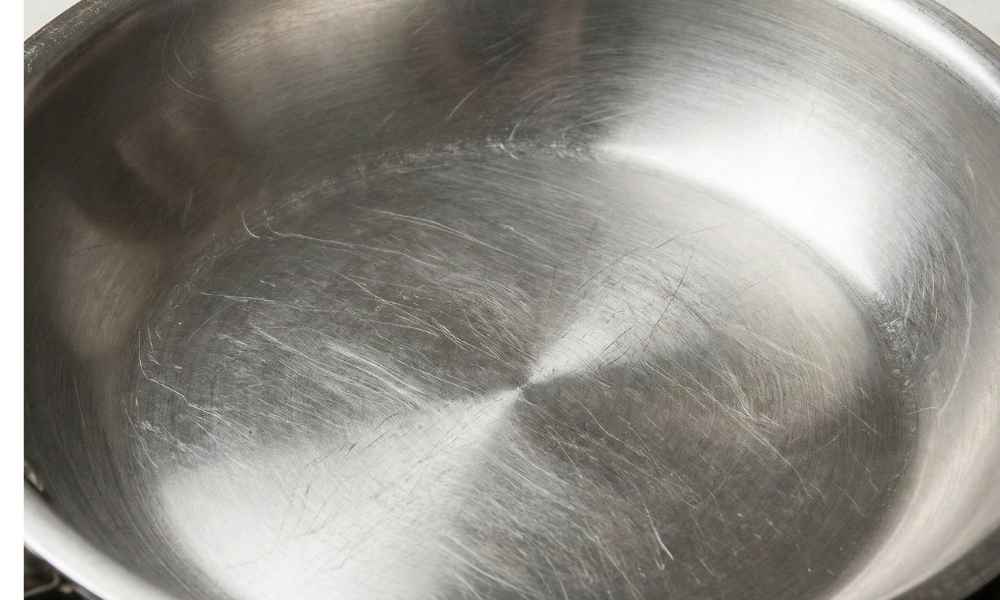
If the pan has deep scratches, pits, or holes, stop using it. Those areas trap food and allow more metal to leach. Cheap pans with poor alloy mixes can show “hot spots” of corrosion or wear. Avoid those.
Also, do not scour your pan with harsh steel wool every day. That removes the smooth, protective oxide layer. That layer helps keep metals from transferring into food. Treat the surface gently to keep it sealed and safe.
Putting the Numbers in Perspective: Daily Exposure Limits
Let’s put this in context. Our bodies handle small amounts of some metals. Chromium, for example, is an essential trace nutrient. We take in chromium and nickel from many foods.
The World Health Organization (WHO) and other agencies set safe intake limits for metals. Most research shows the metal you might get from a stainless steel pan is well below these limits for a normal diet.
To make it concrete: many foods contain more nickel than a pan will leach. Dark chocolate, nuts, and whole grains are notable sources. So, cooking in stainless steel is usually a minor part of total metal intake.
The Nickel Sensitivity Issue: A Real Concern for Some People
For most people, nickel in cookware is not a problem. But nickel allergy is real and common. If you are one of the sensitive few, pay attention. I want to make sure you have clear options.
Who Should Be Cautious About Nickel in Cookware
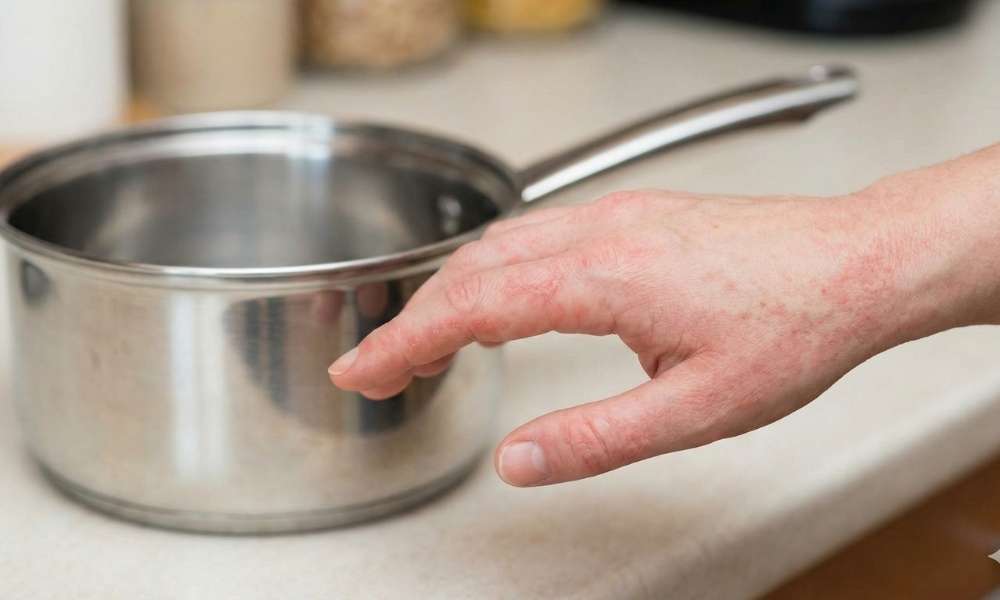
Do cheap jewelry or belt buckles cause your skin to break out? Do certain metal buttons make your skin itch? You might have a nickel allergy. About 10–15% of people show some sensitivity. Women report it more often than men.
Most reactions are skin-related from touching. But some people react after eating food cooked in nickel-rich pans. If you know you are sensitive, it is smart to avoid high-nickel cookware and to speak with your doctor about diet changes.
Lower-Nickel Alternatives for Sensitive Individuals
You do not have to ditch stainless steel if you are sensitive. You just need the right kind. Look for nickel-free stainless steel or low-nickel options.
Check for 400-series stainless or labels that say “18/0.” The “0” means zero nickel. These pans are magnetic and will pass the magnet test. They resist nickel exposure but can be slightly less shiny and require faster drying to avoid rust.
These nickel-free pans work well for people with allergies. The trade-offs are mostly cosmetic and care-related. For sensitive users, the health benefit is worth it.
How Stainless Steel Compares to Other Cookware Materials
I have tried every pan trend. My kitchen has a cabinet full of cookware. So how does stainless steel stack up against other materials? Let’s compare safety, durability, and everyday use.
Stainless Steel vs. Non-Stick Pans
Non-stick pans are great for eggs and easy cleanup. But for safety, stainless steel often wins.
Traditional non-stick coatings can wear off. Scratches and flaking are common. Over time, bits of coating can end up in your food. High heat can also cause old non-stick coatings to break down and release fumes that are harmful to humans and pets. Stainless steel handles high heat without breaking down. You can sear, roast, and broil with it safely.
Stainless Steel vs. Aluminum and Anodized Aluminum
Plain aluminum is light and heats fast. But it is reactive. Acidic foods can pick up a metallic taste if cooked in bare aluminum. That is metal leaching.
Anodized aluminum has a hard surface that cuts leaching. It works well and is common in budget-friendly cookware. Still, that hard layer is a surface treatment. If it is scratched deeply, raw aluminum shows through. Stainless steel is solid metal. It does not depend on a thin coating to stay safe.
Stainless Steel vs. Cast Iron and Carbon Steel
I love cast iron. It brings great flavor and browning. But it releases iron into food. That can be useful for people with low iron. But it can be a problem for those with excess iron, like people with hemochromatosis.
Cast iron also needs seasoning and careful care. Acidic foods can strip the seasoning. Stainless steel is lower maintenance. You can simmer tomato sauce or boil pasta without worrying about stripping a coating or seasoning layer.
Stainless Steel vs. Pure Ceramic and Glass
Glass and pure ceramic are very inert. They do not react with food at all. But they are fragile. I have dropped lids and dishes and cleaned up shattered glass.
Many “ceramic” pans are actually metal with a ceramic-like coating. Those coatings can wear. Solid ceramic cookware is heavy and can crack. Stainless steel hits the middle ground: tough, durable, and safe. It can last a lifetime with basic care.
You can also read: Best Non-Toxic Cookware for Health
Manufacturing Quality: Why Not All Stainless Steel Cookware Is Created Equal
You get what you pay for. That is a cliché, but it applies to cookware. A cheap pan is not the same as a well-made pan. Safety starts with manufacturing quality and finish.
Warning Signs of Low-Quality Stainless Steel Cookware
How do you spot a low-quality pan? Be a careful shopper. Here are the red flags I look for.
- Weight: Pick it up. A good pan feels solid. Thin, light pans heat unevenly and can warp. They cook poorly and wear out fast.
- The Label: Check the bottom and the box. Does it say “18/10” or “304”? Or does it only say “stainless steel”? If a brand hides the grade, it might be cheap material.
- The Finish: Run your hand over the edges and rim. Are they smooth? Sharp edges or poor welds are signs of rushed work.
- The Handles: Look where the handle meets the body. Gaps trap food and bacteria. A tight, seamless fit is best.
What to Look for in High-Quality, Safe Stainless Steel
When I shop, I look for specific features that show care and performance.
First, look for clad or multi-ply construction. Stainless steel alone does not move heat well. Good pans sandwich aluminum or copper between steel layers. This spreads heat evenly. Search for “tri-ply” or “5-ply.” Clad cookware reduces hot spots and burns.
Next, check for third-party marks. NSF certification is one sign the product meets sanitation and safety standards. Brands that list certifications and alloy grades generally make reliable cookware.
Finally, look at the warranty. A lifetime warranty shows the brand trusts its product. That gives you extra confidence in the pan’s durability and safety.
Safe Usage Practices: Maximizing Safety with Stainless Steel Cookware
You bought a good pan. Now use it right. How you treat cookware affects safety and life span. Small habits make a big difference.
Seasoning and First-Use Preparation
Wash a new pan before first use. Factories use oils during forming. Hot, soapy water removes that residue. I often add a splash of white vinegar to the wash. It cuts grease and helps remove factory oils.
You can “season” stainless steel lightly. It is not the same as cast iron but it helps. Heat the pan, add a thin layer of oil, let it smoke briefly, then wipe it out. This creates a temporary slick surface that makes frying eggs easier.
Cooking Techniques That Minimize Metal Leaching
You can reduce leaching with simple habits.
Rule one: do not store acidic food in the pan. Move leftovers into glass or ceramic containers. Acid sitting in metal over hours or days increases metal transfer. Cook in the pan. Eat from the pan. Then store in a bowl.

Also, add salt at the right time. Add salt when water boils. Dissolved salt does not sit on the metal surface. If you add salt to cold water, grains can lodge on the pan and cause pitting over time. Wait for the boil, then salt away.
Cleaning and Maintenance for Long-Term Safety
Treat your pans like tools. Clean them gently and repair issues early.
Avoid harsh steel wool every day. It acts like sandpaper and removes the protective layer. Use a soft sponge or nylon scrubber for routine cleaning. For stuck-on food, soak the pan in hot water for ten minutes. The residue will lift easily.
For stains, discoloration, or rainbow heat tints, I use a mild abrasive cleaner. Bar Keepers Friend is a staple in my kitchen. It polishes stainless steel without damaging the alloy. Regular polishing keeps the surface smooth and reduces spots where bacteria or corrosion can start.
Special Populations: Safety Considerations for Specific Groups
Some people need extra care. Age, pregnancy, and medical conditions change what is best. Here are focused tips for these groups.
Is Stainless Steel Safe for Cooking Baby Food and Children’s Meals?
Yes. Stainless steel is often my first pick for baby food. Babies absorb nutrients and chemicals faster than adults. You want to limit coated surfaces that can flake. Stainless steel is easy to clean, non-porous, and hygienic. Hot water and soap kill germs effectively. That makes it a solid choice for little ones.
Pregnancy and Stainless Steel Cookware Safety
During pregnancy we watch our exposures carefully. Stainless steel is a safe bet. It does not contain PFOA or PFAS chemicals common in older non-stick surfaces. Unless you have a known nickel allergy, stainless steel is one of the safer cookware choices in pregnancy.
Considerations for People with Hemochromatosis or Iron Overload
People with hemochromatosis absorb too much iron. For them, cast iron is a poor choice. Cast iron can add measurable iron to food, especially with acidic or long-cooked dishes.
Stainless steel releases very little iron. It is the safer alternative for anyone watching their iron intake. If you have iron overload, confirm cookware choices with your clinician and choose stainless steel over cast iron for daily cooking.
Debunking Common Myths About Stainless Steel Cookware Safety
There are a lot of scary headlines online. Many are misleading. Let’s separate fact from fiction and correct common misconceptions.
Myth: Stainless steel causes cancer. This claim mixes up metal types. Some chromium compounds are toxic, but those are not the forms found in stainless steel cookware. The chromium in pans is metallic and bound in the alloy. It does not pose a cancer risk in normal use.
Myth: If a magnet sticks, it is not safe. A magnet tells you about the metal mix, not safety. 400-series stainless is magnetic and often nickel-free. That can be a good choice for people with nickel allergy. Magnetism alone does not signal hazard.
Myth: Expensive always means safer. Price can reflect brand, design, or marketing. You can find safe 18/10 pans at reasonable prices. Look for proper alloys, cladding, and good construction—not just a high price tag.
Myth: You need to replace stainless steel every few years. Not true. A high-quality stainless steel pan can last decades. My grandmother still uses hers. With proper care, stainless steel does not peel or fail like many non-stick coatings.
Myth: Cooking acidic foods is always dangerous. It is about context. Cooking tomato sauce for an hour is fine. Letting that sauce sit in the pot for days is not. Cook, eat, and move leftovers to glass. That simple habit keeps both food and pan safe.
The Bottom Line: Making an Informed Decision
We covered a lot. Here is the bottom line in plain terms.
For most people, stainless steel is the best choice. It is durable, hygienic, and heat tolerant. It does not peel. It works for everything from searing steak to making soup. I use it for about 90% of my cooking because it is safe and reliable.
Who should be careful? If you have a known nickel allergy, choose nickel-free or 18/0 stainless steel. If you have severe iron overload, avoid cast iron and prefer stainless steel.
Your Quality Checklist: When you shop, look for these three things:
- Weight: It should feel solid and substantial.
- Grade: Look for 304, 18/10, or 18/8 markings.
- Ply: Look for clad construction (tri-ply or 5-ply) for even heat.
If a pan meets these three checks, you are choosing well. It will heat evenly, resist corrosion, and last a long time.
Read more :Is Staub or Le Creuset Better?
FAQs For About Stainless Steel Cookware Safety
I get asked these questions a lot. Here are clear, quick answers based on experience and research.
Can scratched stainless steel make you sick?
No. Scratches in stainless steel are mostly cosmetic. Unlike non-stick coatings, scratches do not release toxins. Food might stick more in a scratched spot, but the pan will not make you sick from the scratch alone.
Does “food grade” stainless steel mean it is safe?
Usually, yes. “Food grade” means the metal meets minimum safety standards. But it is a broad term. Better brands list the exact grade—look for 18/10 or 304. Those labels give you real information rather than vague marketing.
How do I test my cookware quality?
Try the magnet test. If a magnet sticks firmly, the pan likely has low or no nickel. If a magnet does not stick, the pan likely contains nickel (18/10). Both can be safe; the test helps you know what you own. You can also tap the pan. A solid, well-made pan gives a dull thud. Thin, low-quality pans sound tinny.
Can stainless steel cause nickel poisoning?
This is extremely rare. To reach toxic levels you would have to eat large amounts of highly acidic food cooked repeatedly in new or damaged high-nickel pans. For the average person with a varied diet, the risk is near zero.
Is it safe to cook tomato sauce in stainless steel?
Yes. I cook tomato sauce in stainless steel all the time. The tiny amount of metal that might leach is not enough to harm most people. Just don’t use the cooking pot as long-term storage for the sauce.
What happens if you accidentally overheat stainless steel?
It happens. If a pan gets too hot, it can develop a rainbow tint or blue-gold heat marks. This is heat tint. It is cosmetic and not toxic. Clean it with vinegar or a specialized cleanser. The pan remains safe to use.
Cooking should be joy, not fear. With a few smart choices and simple care, stainless steel cookware gives you safe, reliable performance. Grab that sturdy pan. Sear a steak. Simmer a soup. Enjoy your food with peace of mind.




2 Comments