Cast Iron Cookware Disadvantages: What You Need to Know 2026

Cast iron cookware is famous for its durability, rustic charm, and excellent heat retention. I use it a lot for steaks, cornbread, and campfire cooking. Many home cooks and pro chefs swear by it. But behind the appeal, cast iron has clear downsides that reviews sometimes gloss over. If you’re thinking about buying a cast iron skillet or Dutch oven, you should know the common disadvantages of cast iron cookware and how they might affect your kitchen routine. I’ll walk you through the issues in plain language, share practical fixes I use, and point out the trade-offs so you can choose what fits your cooking style.
Heavy Weight: More Strain Than Expected
One of the first things people notice is the weight. An 8-inch cast iron skillet can weigh over 4 pounds (1.8 kg). Bigger pans and Dutch ovens can be 10 pounds (4.5 kg) or more before food is added. I can carry them, but I notice the strain when I lift them from high shelves or pour hot oil.
How Heavy Is Cast Iron Compared To Other Cookware?
Here’s a quick comparison of typical pan weights:
| Type | 8-inch Frying Pan | 12-inch Frying Pan | Dutch Oven (5 qt) |
|---|---|---|---|
| Cast Iron | ~4 lbs (1.8 kg) | ~7 lbs (3.2 kg) | ~13 lbs (6 kg) |
| Stainless Steel | ~2 lbs (0.9 kg) | ~3.5 lbs (1.6 kg) | ~6 lbs (2.7 kg) |
| Aluminum | ~1.5 lbs (0.7 kg) | ~2.2 lbs (1 kg) | ~4 lbs (1.8 kg) |
That gap matters. People with wrist issues, arthritis, or limited strength can struggle to lift, tilt, or clean heavy pans. Even healthy adults find pouring hot oil or moving a loaded Dutch oven more tiring and risky than with lighter pans.
Non-obvious insight: Dropping a heavy cast iron pan can crack floor tiles, smash a sink, or break a toe. That risk is real. Lighter cookware rarely causes that level of damage.
How I Manage The Weight
I keep only one large cast iron piece. For other tasks I use lighter pans. When I must lift heavy cast iron, I use two hands and a thick oven mitt. I also store it low so I don’t lift it above shoulder height. These simple steps cut the strain and risk.
Requires Regular Seasoning And Maintenance
Cast iron is not naturally non-stick. It needs a baked-on oil layer called seasoning. This layer protects the metal and helps food release. But the seasoning needs regular care. If you want low-maintenance cookware, this will feel like extra work.
The Seasoning Process
To season a cast iron pan:
- Clean the pan thoroughly (remove rust or stuck food).
- Dry it completely.
- Rub a thin layer of oil (flaxseed, canola, or vegetable oil) over the pan.
- Bake it upside down in the oven at 400–500°F (200–260°C) for an hour.
- Let it cool in the oven.
You repeat this when food starts to stick or the surface looks dull. Acidic foods and soap can strip seasoning. That means more work after certain meals.
Maintenance Challenges
- Washing: Avoid long soaks and heavy soap. Use a brush, scraper, or coarse salt to remove bits.
- Drying: Dry right away and heat briefly on the stove if needed to remove all moisture.
- Oiling: Wipe a thin coat of oil after each use to protect the surface from rust.
Non-obvious insight: In humid climates or small kitchens, keeping cast iron dry is harder. I once left a pan in a damp cupboard and it formed rust spots within days. Those spots took time to remove and required re-seasoning.
Seasoning Tips I Use
I season lightly after every few uses. For quick touch-ups, I heat the pan, add a teaspoon of oil, spread it, and wipe off the excess. For full seasoning, I use the oven method above. Flaxseed oil can create a hard surface, but it smokes more. Use oils you trust and watch oven temps.
Prone To Rust And Corrosion
Cast iron will rust if the seasoning is damaged or the pan stays wet. Unlike stainless steel or nonstick pans, cast iron needs protection against moisture and oxygen.
Why Does Cast Iron Rust So Easily?
Cast iron is porous metal. Water and oxygen react with iron and cause oxidation. The seasoning layer blocks this. But the layer is not permanent. Scratches, heavy scrubbing, or dishwasher cycles remove it and expose bare metal.
Everyday Risks
- Washing with water and not drying immediately
- Storing in a damp cupboard
- Leaving food in the pan for hours
- Cooking acidic foods often
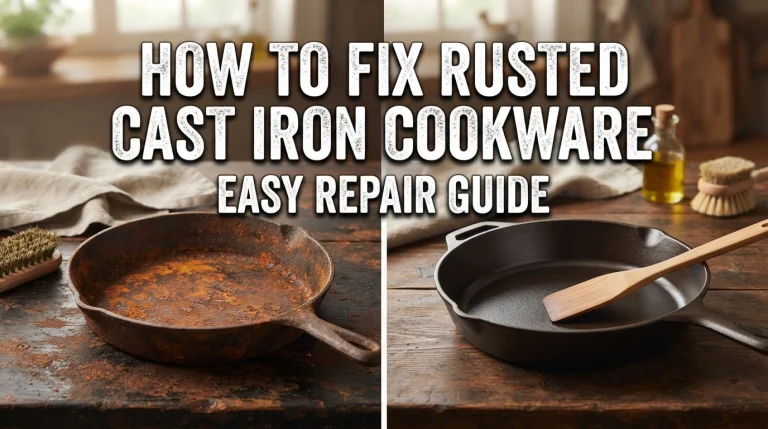
If rust shows up, scrub it off with steel wool or a scrubber, then re-season. For busy people who want minimal care, this can be a deal-breaker.
Comparing Rust Resistance
| Cookware Material | Rusts Easily? | Special Care Needed? |
|---|---|---|
| Cast Iron | Yes | Yes (seasoning, oiling, drying) |
| Stainless Steel | No | Minimal (drying recommended) |
| Enamel-Coated Cast Iron | No (unless chipped) | Gentle care for coating |
| Nonstick Aluminum | No | No |
Practical tip: If you live near the coast or in a salty-air region, cast iron rusts faster. I use a dehumidifier in that house and keep pans well-oiled to fight the salt air.
Not Dishwasher Safe
Modern convenience meets an old rule: don’t put cast iron in the dishwasher. Dishwashers strip the seasoning and leave the pan prone to rust.
Hand Washing Required
- Wash with hot water and a brush or scraper.
- Avoid soap or use very little if needed.
- Dry fully with a towel or by heating on the stove.
- Rub with oil before storing.
If you value tossing cookware in the dishwasher, cast iron forces a habit change. I hand-wash almost everything, but I admit this is a bother for many people.
What Happens If You Dishwasher Cast Iron?
If you accidentally place cast iron in the dishwasher, you’ll likely face:
- Complete loss of seasoning
- Rapid rusting over large areas
- Need to completely re-season the pan
Non-obvious insight: Even “pre-seasoned” pans from the factory can lose their coating in one dishwasher run. I learned this the hard way with a brand-new skillet my friend put in the dishwasher.
Reactive With Acidic Foods
Cast iron reacts with acidic foods like tomatoes, vinegar, citrus, and wine. This reaction can cause metal tastes, strip seasoning, and discolor sauces. I avoid long-simmered tomato sauces in cast iron for this reason.
- Metallic taste in food
- Damaged seasoning layer
- Discolored sauces or stews
- Black flecks in food (from loose seasoning)
Which Foods Are Acidic?
Common examples include:
- Tomato sauce
- Lemon or lime juice
- Wine-based stews
- Dishes with vinegar
Cooking acidic foods now and then is OK. But if you cook them often, the seasoning will wear faster and you’ll need to re-season more often.
Data Example: Tomato Sauce Test
A simple home test: simmering tomato sauce in cast iron for 30 minutes can remove noticeable seasoning and leave a metallic aftertaste. Many chefs skip cast iron for long acidic braises for this reason.
Practical tip: Use stainless steel or enamel-coated pans for long or acidic recipes. They keep flavor neutral and save your seasoning.
Uneven Surface And Possible Roughness
Cast iron often has a textured surface. That roughness can trap food and make eggs and fish stick. I found that cheaper pans feel coarse until they build up many seasoning layers.
Why Is Cast Iron Rough?
Traditional cast iron is poured into sand molds. The molds leave a textured surface. Some makers machine-smooth pans, but many do not. That leaves a rough finish out of the box.
How Does Surface Texture Affect Cooking?
- Sticking: Eggs, pancakes, and fish stick more on rough surfaces.
- Cleaning: Food gets trapped in crevices and takes more effort to remove.
- Seasoning: Rough pans need more layers to become fully nonstick.
Seasoning fills some roughness over time. But it can take months of regular use to reach a smooth, easy-release surface.
Non-obvious insight: If you want a near-glass finish, buy a premium brand or be ready to sand and polish the pan yourself. Most home cooks do not do this.
Slow To Heat And Cool
Cast iron heats slowly. It also cools slowly. That’s great for steady heat, but bad for recipes that need fast temperature changes. I always plan more time when I cook with cast iron.
Heating And Cooling Properties
- Slow to heat: A 12-inch skillet can take 5–10 minutes to preheat.
- Slow to cool: Once hot, the pan keeps heat for a long time and can overcook delicate foods.
Comparison: Cast Iron Vs. Other Materials
| Material | Heats Up | Cools Down | Heat Retention |
|---|---|---|---|
| Cast Iron | Slow | Slow | Excellent |
| Aluminum | Fast | Fast | Poor |
| Stainless Steel | Moderate | Moderate | Moderate |
This makes cast iron a poor choice for quick meals or recipes that need rapid temp control. For example, scrambled eggs can overcook in a hot cast iron pan even after you turn off the heat.
Practical tip: Preheat cast iron slowly. Start on low and raise heat gradually. This helps heat the pan evenly and reduces the chance of warping.
Brittle And Can Crack If Dropped
Cast iron is heavy and hard. Yet it is brittle. If dropped on a hard floor, it can crack or shatter. Aluminum and steel bend or dent. Cast iron can break.
Real-life Examples
- Dropping a pan from counter height can crack the pan or the tile floor.
- Rinsing a red-hot pan with cold water can cause thermal shock and a crack.
Non-obvious insight: Small cracks can mean the pan will heat unevenly and become unsafe. Repairing a cracked cast iron pan for kitchen use is usually not practical.
Requires Special Care For Glass And Ceramic Stovetops
Cast iron pans are rough and heavy. That can spell trouble for glass and ceramic cooktops. Sliding the pan can scratch the surface. Dropping it can crack the cooktop.
Manufacturer Warnings
Most glass stove makers warn:
- Lift, don’t drag, cast iron pans.
- Place pans down gently.
- Keep the pan bottom clean to avoid grit that scratches.
If you have a smooth-top stove, I recommend using lighter, flat-bottomed pans for daily cooking and saving cast iron for special tasks.
Protecting Your Cooktop
Use a thick silicone mat or a trivet when placing cast iron down. Clean the pan bottom before use to remove grit. These small steps prevent scratches and keep your stovetop in good shape.
Limited Usability For Some Recipes
Cast iron shines for searing and baking. But it is not ideal for every dish. I rarely use it for delicate food that needs fast heat changes or a smooth surface.
Not Ideal For:
- Delicate fish: Prone to sticking and breaking apart.
- Eggs and pancakes: Can stick unless the pan is perfectly seasoned.
- Sauces and cream-based dishes: Hard to control gentle simmering due to high heat retention.
- Quick sautéing: Weight and slow response are drawbacks.
Better Alternatives
For quick response or easy-release cooking, I use stainless steel, nonstick aluminum, or carbon steel. Carbon steel gives a lot of cast-iron-like performance but is lighter and faster to heat.
Possible Iron Overload For Some People
Cooking with cast iron can add small amounts of iron to food. Most people benefit from this, and it may help those with low iron. But some people must limit iron intake.
Who Should Be Careful?
- People with hemochromatosis (a disorder that causes excess iron buildup)
- Anyone advised by a doctor to limit iron intake
How Much Iron Is Added?
- Acidic foods (like tomato sauce) pick up more iron than neutral foods.
- Studies show a single meal cooked in cast iron can add about 1–5 mg of iron.
For most people, this is safe. If you have a medical concern, talk with your doctor. I mix my cookware types so I do not rely solely on cast iron for all meals.
Practical tip: Use cast iron selectively. Cook a meal or two per week in cast iron, and use stainless for the rest if you monitor iron intake.
Handles Get Extremely Hot
Cast iron handles are metal. They get as hot as the pan. There is no cool grip built in. That means oven mitts or silicone covers are required every time.
Safety Risks
- Easy to burn your hand when grabbing the handle
- Oven mitts or silicone covers are required every time
I always use an oven mitt. I once grabbed a hot handle and burned my knuckle. It was a small but painful reminder to be careful.
Non-obvious insight: Cheap silicone handle covers can melt at high oven temps. Check the cover’s max temperature before using it in the oven.
Takes Up More Space
Cast iron is bulky. The thick walls, heavy lids, and wide handles need room. If your kitchen is small, storing several cast iron pieces can be a problem.
Kitchen Storage Issues
- Hard to stack with other pans
- Heavy to lift off high shelves
- Lids are large and often don’t nest
I hang my main skillet on a strong wall hook. That saves cabinet space and keeps the pan handy. But wall hooks must be rated for the weight.
Practical tip: Store cast iron low, or hang it on a sturdy rack. Avoid stacking many pieces—weight can damage lower items.
Expensive High-end Options
You can buy a basic cast iron skillet cheaply. But premium brands and enamel-coated options cost much more. Enamel cast iron fixes some problems, but it comes at a price.
Example Prices (as Of 2024)
- Lodge 10-inch skillet: $25–$35
- Le Creuset 10-inch skillet: $180–$220
- Staub Dutch Oven: $250–$350
You pay extra for smoother finishes, better seasoning, and enamel coatings. If you are on a budget, a Lodge or another basic brand gives most of the core benefits without the sticker shock.
Not Compatible With All Cooking Surfaces
Cast iron works with many heat sources. But it is not perfect for every cooktop.
Induction And Flat Glass Tops
- Works well on induction, but the heavy weight can scratch the surface.
- Not recommended for smooth-top electric stoves unless used with care.
Outdoor Cooking
Cast iron is great on a campfire or grill. But sudden temperature changes—like dropping a hot pan in cold water—can stress the metal and cause cracks. I always let a hot pan cool before cleaning at the campsite.
Slower Cooking And Preheating
Because cast iron heats slowly, it is not the best tool for rushed weeknights. I plan more time when I use it. Waiting 10 minutes to heat a skillet can feel long on a busy night.
Impact On Meal Prep
- Longer preheat times delay meal start.
- Less responsive when a recipe needs quick temp changes.
For quick meals, I keep a lightweight pan or nonstick skillet in the drawer. That speeds things up without giving up my cast iron for special tasks.
Not Always Nonstick
Cast iron is often called nonstick. That is only true after it builds a good seasoning layer. Even then, some foods can stick if you use the wrong heat or not enough oil.
Common Causes Of Sticking
- Pan not hot enough before adding food
- Not enough seasoning layers
- Cooking acidic or watery foods first
If you want easy-release cooking every time, a modern nonstick pan is more reliable. Still, a well-used cast iron pan can be nearly nonstick for many tasks.
Harder To Clean
Cleaning cast iron is more work than newer pans. You can’t soak it for hours or scrub with dishwasher detergent.
Cleaning Steps
- Wipe out leftover food with a paper towel.
- Scrape stuck bits with a spatula or brush.
- Rinse quickly with hot water.
- Dry immediately and completely.
- Oil the pan before storage.
Skip a step and you risk rust or sticky residue. Salt scrubs work well, but used too often they can wear the seasoning layer thin.
Practical tip: Use coarse kosher salt and a cloth to scrub gently. Rinse, dry, and oil. This cleans without stripping seasoning.

Credit: www.bbqguys.com
Risk Of Flaking Seasoning
If seasoning is poorly bonded or the pan overheats, black flakes can peel into food. It is not harmful, but it is unpleasant and can ruin a meal.
Causes Of Flaking
- Overheating the pan (over 600°F/315°C)
- Scrubbing with metal tools
- Incomplete or uneven seasoning layers
If flakes appear, strip the pan and re-season carefully. This fixes the problem, but it takes time.
Not Microwave Safe
Cast iron is metal. Do not use it in the microwave. That limits the convenience of reheating leftovers directly in the pan.
Not All Pans Are Created Equal
Quality varies a lot. Cheap pans can have rough bases, thin walls, or poor handles. This can cause more sticking, uneven heat, or warping. Look closely before you buy.
Practical tip: Inspect pans before purchase. Look for a flat base, even thickness, and a solid handle. Try to buy from brands with a good history, like Lodge for value or Le Creuset and Staub for premium enamel options.
Appearance Changes Over Time
Cast iron develops a patina with use. The pan darkens and the finish changes. Some people love the worn look. Others prefer shiny stainless pans.
What Is Patina?
Patina is a dark layer that forms with seasoning and time. It does not hurt performance. But it can look uneven, and some cooks don’t like that aged look on their stove.

Credit: www.reddit.com
Environmental Impact Considerations
Cast iron lasts a long time and is recyclable. But its production uses a lot of energy. Mining, smelting, and high-heat casting leave a bigger initial carbon footprint than some other materials.
Comparing Environmental Impact
- Cast iron: Durable, but high initial energy cost.
- Aluminum: Lower energy to produce, but may wear out faster.
- Stainless steel: Moderate energy cost and long lifespan.
Think about how long you will keep the pan. A long-lasting cast iron piece can balance its initial impact if you use it for decades.
Frequently Asked Questions
Is Cast Iron Cookware Safe For Everyday Use?
Yes, for most people cast iron is safe and can add dietary iron. Keep pans well seasoned to avoid rust and sticking. If you have a medical condition like hemochromatosis, talk to your doctor before regular use.
Why Do My Eggs Stick To My Cast Iron Pan?
Eggs stick when the pan is not well-seasoned or not hot enough. Heat the pan first, add a little oil, and then add eggs. Over time, regular use and seasoning make a smoother, more nonstick surface.
Can I Use Soap To Clean My Cast Iron Skillet?
A small amount of mild soap is usually fine. Avoid heavy scrubbing or strong detergents. Too much soap strips seasoning. Rinse well, dry fully, and oil the pan after washing.
How Do I Remove Rust From A Cast Iron Pan?
Scrub rust with steel wool or a stiff brush. Rinse and dry completely. Re-season right away in the oven with oil. Regular care prevents most rust problems.
Where Can I Learn More About Cookware Materials?
For more details on cookware materials, properties, and comparisons, visit the Wikipedia Cookware and Bakeware page.
Cast iron cookware brings unique benefits. It lasts, holds heat well, and gives great sears and crusts. But it is not the right tool for everyone. The disadvantages—from heavy weight and regular seasoning to reactivity with acids and cleaning limits—are real. Use cast iron if you like the ritual of seasoning and care. Choose stainless steel, nonstick, or carbon steel if you want lighter, low-maintenance, and faster pans. Think about your kitchen, your recipes, and your time. That will help you pick the right cookware for your needs.

Credit: www.cupindy.com