Why Cast Iron Cookware is Bad for You: Hidden Health Risks

Many of us love cooking with cast iron pans. I do. They feel solid, sear meat beautifully, and people often say they add a little iron to food. But cast iron is not perfect for everyone. It has downsides that many cooks miss. Some are minor. Others can affect your health, your meals, and your kitchen. If you want to choose cookware wisely, you need the full picture. In this article I explain why cast iron cookware can be harmful for some people. I cover health risks, food-safety issues, practical problems, common mistakes, and the science behind them. I also compare cast iron to other cookware and offer safer options and tips. Read on and you’ll know if cast iron is right for you—or if another pan will serve you better.
Health Risks From Cast Iron Cookware
Cast iron pans are known for adding iron to food. That can help people with low iron. But too much iron is not always safe. Some people absorb iron more easily. For them, cast iron can raise health risks.
Iron Overload
When you cook acidic foods—think tomato sauce, wine reductions, or food with vinegar—cast iron releases iron into the dish. For most people this extra iron is small. But for people with certain conditions it can add up fast.
- Too much iron can damage organs such as the liver and heart.
- High iron levels can cause tiredness, joint pain, and stomach trouble.
- Children and some women absorb iron more easily and are more at risk.
Research supports this. The American Journal of Clinical Nutrition found that food cooked in cast iron had up to 16 times more iron than food cooked in non-iron cookware. For example, tomato sauce cooked in cast iron had 5.77 mg of iron per serving versus 0.69 mg in glass. That shows how much iron can leach into acidic dishes.
Risk For Certain Groups
People with these conditions should avoid or limit cast iron:
- Hemochromatosis: A genetic condition where iron builds up in the body and damages organs.
- Iron supplementation: If you already take iron pills, extra iron from cookware can push you too far.
- Children under 6: Young kids can get iron toxicity more easily.
- Pregnant women: High iron levels can cause complications in some cases—talk to your doctor.
Iron Toxicity Symptoms
Signs of too much iron from food or cookware can include:
- Nausea
- Vomiting
- Stomach pain
- Fatigue
- Dark or tarry stools
If you have any risk factors for iron overload, doctors often recommend avoiding regular use of bare cast iron. Small amounts of extra iron may seem harmless, but it can build up over months and years.
Cast Iron And Food Safety Issues
Many cooks assume cast iron is naturally nonstick and nearly indestructible. That belief can lead to food-safety problems when a pan is poorly maintained.
Seasoning Problems
Seasoning is the polymerized oil layer you build on the pan. It keeps food from sticking and stops rust. But the seasoning can wear or flake. If that happens, the pan can:
- Rust quickly
- Leave black flakes in your food
- Hide food residues and bacteria in cracks
Bacterial Growth
Cast iron can develop tiny pits and cracks. These trap food and moisture. That creates a place for bacteria to survive.
- Many people clean cast iron by wiping or rinsing with water only.
- If the pan is not dried well, moisture leads to rust and helps bacteria multiply.
A study at the University of Arkansas found that cast iron pans can harbor E. coli and Salmonella when not cleaned and dried properly. Those bacteria can cause foodborne illness and diarrhea.
Lead And Contaminants
Some older or imported cast iron pans may contain lead or other harmful metals. The FDA tested antique and certain imported pans and found lead leaching in some cases. Acidic cooking makes leaching worse.
- Lead harms the brain and nervous system.
- Children are especially vulnerable to lead poisoning.
If you use second-hand or antique cast iron, have it tested for lead. New pans from trusted brands are generally safer. Still, avoid pans that lack manufacturer information.
Practical Problems With Cast Iron Cookware
Cast iron works well for certain jobs. But it also brings practical hassles. The pans are heavy, need care, and can be hard to handle for many cooks.
Weight And Usability
A typical 10-inch cast iron pan weighs about 5–6 pounds. Stainless steel pans of the same size usually weigh 2–3 pounds. That extra weight matters. It affects:
- Elderly users
- People with weak wrists or arthritis
- Anyone who needs to move a pan quickly or lift it to pour
Heavy pans increase the risk of spills and accidents. I’ve seen people drop skillets when reaching for them. That can lead to burns and injuries.
Maintenance And Cleaning
Cast iron asks for regular work:
- Seasoning to build a good nonstick surface
- No harsh soaps if you want to protect seasoning
- Thorough drying after washing to prevent rust
- Light oiling after each use to keep the surface conditioned
Common mistakes I see:
- Storing cast iron while damp, which causes rust
- Using metal tools that scratch the seasoning
- Cooking acidic recipes often, which wears the seasoning
These steps take more time than using nonstick or stainless steel cookware.
Uneven Heating
Cast iron warms slowly. It also transfers heat unevenly unless you preheat it properly. That can create burned edges and undercooked centers.
- Slow heating means longer prep time.
- Uneven heat can spoil delicate foods like eggs and pancakes.
In tests, eggs and pancakes stick more and cook unevenly in cast iron unless you hit the heat and seasoning just right.
Reactivity With Food
Cast iron reacts with acidic foods such as tomatoes, vinegar, and citrus. This reaction:
- Can give food a metallic taste
- Increases iron leaching into the meal
- Wears down the seasoning layer
If you cook tomato sauce or lemon chicken in bare cast iron, you may notice a metallic tang. Acidic cooking means more upkeep.
Comparison With Other Cookware Types
Is cast iron the best pan to own? It depends on what you cook and who you are. Below I compare cast iron with common alternatives to help you decide.
| Cookware Type | Health Risks | Maintenance | Weight | Reactivity |
|---|---|---|---|---|
| Cast Iron | Iron overload, bacteria, lead (old pans) | High (seasoning, drying, oiling) | Heavy | Reactive with acids |
| Stainless Steel | Nickel allergies (rare) | Low (dishwasher safe) | Medium | Non-reactive |
| Ceramic | Chipping, lead (cheap brands) | Low | Light | Non-reactive |
| Nonstick (Teflon) | PTFE fumes (high heat), scratching | Low | Light | Non-reactive |
Cast iron has unique strengths. It holds heat and sears well. But stainless steel and ceramic avoid iron leaching and are easier to keep clean. Nonstick pans are the easiest to use for delicate foods, though they have different risks when overheated.
Common Mistakes With Cast Iron Cookware
Even seasoned cooks make errors with cast iron. These mistakes can make the pan unsafe or shorten its life.
Using Acidic Foods
Tomatoes, vinegar, and citrus break down seasoning and pull iron into food. This means:
- Higher iron in your meal
- Faster wear of the seasoning
- A metallic taste
I avoid long-cooked acidic dishes in bare cast iron. For those recipes I reach for enameled cast iron or stainless steel.
Poor Cleaning Habits
Wiping a pan and calling it clean leaves food bits behind. That invites bacteria and rust.
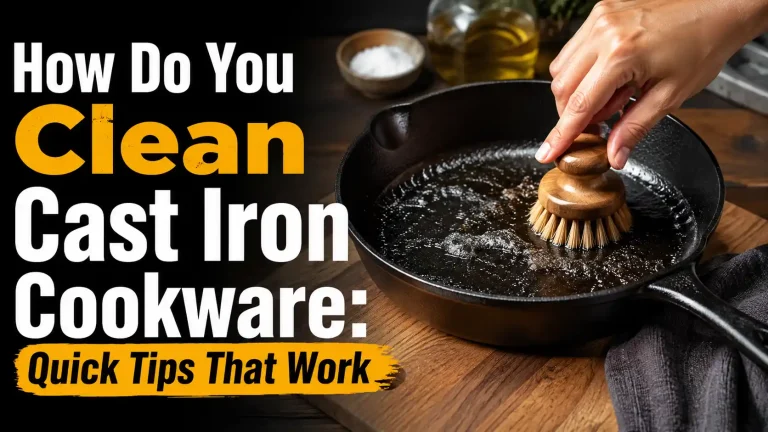
- Use a stiff brush and hot water to remove stuck food.
- Dry the pan right away—heat it on the stove briefly to evaporate moisture.
- Apply a thin coat of oil after drying to protect the seasoning.
Skipping these steps raises the risk of rust and contamination.
Cooking With Damaged Pans
If your pan shows chips, cracks, or flaking seasoning, stop using it until you fix or replace it. Damaged pans:
- Trap bacteria in pits
- Drop black flakes into food
- Lose the nonstick surface
Inspect your pan often. Repair or replace a pan that looks worn out.
Storing Cast Iron Incorrectly
Storing cast iron in humid places causes rust. Stack pans with paper towels or cloth between them to absorb moisture. Keep them somewhere dry and ventilated.
Scientific Research On Cast Iron Risks
Cast iron has a long history in kitchens. That does not mean it’s risk-free. Several modern studies show where problems arise.
Iron Leaching Studies
The Journal of Food Science reports that iron leaching depends on:
- How acidic the food is
- How long you cook it
- How well seasoned the pan is
For instance, cooking tomato sauce for 30 minutes in bare cast iron can raise iron content by about 400%. Acidic foods leach more iron than neutral ones.
Bacterial Contamination
University of Arkansas research showed cast iron can harbor bacteria if not cleaned and dried well. Comparable stainless steel pans had much lower bacterial counts after normal cleaning.
Lead Testing
The FDA tested some antique and imported cast iron pans. They found lead leaching in a few products, especially when cooking acidic food. Modern pans from reputable makers are safer. Still, old pans can be risky.
Cooking Performance
In tests such as those by Cook’s Illustrated, eggs cooked in cast iron stuck more and cooked unevenly unless the pan was perfectly seasoned and preheated. Stainless steel and nonstick pans usually perform better for delicate foods.
:max_bytes(150000):strip_icc()/faw-cast-iron-cookware-set-june-24-test-lodge-skillet-red-silicone-hot-handle-holder-nsimpson-672-1-ed489cfed4bf41598d481ecf31bbf0fa.jpeg)
Credit: www.foodandwine.com
Environmental Impact Of Cast Iron
Cast iron pans can last for decades. That longevity helps the environment. Still, production and maintenance have downsides you should know.
Production
Making cast iron uses a lot of energy. Mining iron ore, smelting, and casting produce CO2. Heavy pans also cost more to ship. Compared with aluminum or ceramic, cast iron often has a larger carbon footprint per unit made.
- Mining iron ore
- Smelting and casting
- Shipping heavy products
Maintenance
Keeping seasoning means using oil or fat regularly. If you use animal fats or vegetable oils often, that adds to your environmental impact. Using disposable paper towels to dry and oil pans also creates waste.
Rust And Waste
When cast iron rusts badly, people sometimes throw it away. If not recycled, that ends up as landfill. Stainless steel and some ceramics are easier to recycle in many areas.
Cast Iron Cookware And Allergies
Some people have metal sensitivities or allergies that affect their choice of cookware.
Nickel Allergy
Stainless steel can contain nickel. Cast iron usually does not. Still, some specialty cast iron blends may add other metals for strength. Check the maker’s specs if you have a nickel allergy.
Metal Sensitivity
Rarely, people react to metals used in cookware. Possible symptoms include:
- Skin irritation
- Stomach pain
- Allergic-type reactions
If you suspect metal sensitivity, test cookware or see an allergist before regular use.
Practical Cooking Challenges
Cast iron is excellent in some kitchens and frustrating in others. Know where it fits and where it does not.
Unsuitable For Delicate Foods
Eggs, fish, and pancakes stick easily unless the pan is very well seasoned and hot. Even skilled cooks sometimes struggle with these foods in cast iron.
High Heat Only
Cast iron shines at searing, roasting, and oven use. It does not do low-and-slow as well on a small flame, because it heats slowly and retains heat strongly.
Not Dishwasher Safe
Cast iron cannot go in the dishwasher. The detergents and water exposure strip seasoning and speed rust. This reduces convenience compared with other pans.
Difficult For Small Kitchens
Heavy, bulky pans take up storage space. If your kitchen is small, cast iron can be hard to store and haul in and out of cabinets.
Real-life Examples And Stories
I like real stories. They show how theory plays out in daily life. Here are a few I collected from people who changed their cookware choices after experiences with cast iron.
Story 1: Iron Overload
Maria, 34, had anemia and started using cast iron to boost her iron. After six months her blood iron was too high. Her doctor told her to stop using the pan. This is a real example of how cookware can affect health when someone is sensitive to iron.
Story 2: Rust And Bacteria
John, 52, often left his cast iron pan wet. It developed rust and black flakes. After eating from it he got stomach problems. A food safety expert said bacteria likely grew in the pan’s cracks.
Story 3: Heavy Pan Accident
Linda, 67, dropped her cast iron skillet while cooking. She injured her wrist. She switched to lighter pans for safety and convenience.
These stories show that cast iron has real risks. The risks matter most for people with health issues, children, or limited strength.

Credit: www.youtube.com
Safer Alternatives To Cast Iron
If these risks worry you, many other pans work well. I use multiple types in my kitchen. Each has trade-offs. Here are the main options.
Stainless Steel
- Non-reactive with acidic foods
- Dishwasher safe and low maintenance
- Medium weight and very durable
Ceramic
- Non-reactive and easy to clean
- Great for eggs, pancakes, and low-fat cooking
- Lightweight
Nonstick
- Very easy to use for delicate foods
- Low maintenance and quick clean-up
- Lightweight—avoid overheating to prevent PTFE fumes
Each alternative has pros and cons. For people sensitive to iron or worried about bacteria, stainless steel or ceramic are safer daily choices.
| Cookware | Best For | Health Concerns | Ease of Cleaning |
|---|---|---|---|
| Cast Iron | Searing, baking | Iron overload, bacteria, rust | Hard |
| Stainless Steel | All-purpose | Rare nickel allergy | Easy |
| Ceramic | Eggs, pancakes | Chipping | Easy |
| Nonstick | Eggs, fish | PTFE fumes (high heat) | Easy |
Expert Recommendations
Many chefs and food-safety experts advise limiting daily use of bare cast iron unless you:
- Have no risk of iron overload
- Know how to season and care for the pan
- Can safely handle heavy cookware
For many home cooks, stainless steel or ceramic pans offer a safer, easier daily option. Experts also warn against using old or damaged cast iron pans. The FDA and food safety groups recommend using pans from known makers. Avoid antique pans unless tested for lead.
Non-obvious Insights
- Cast iron is not automatically nonstick. Beginners often expect a smooth, nonstick surface right away. It takes time and care to build proper seasoning.
- Acidic foods destroy seasoning quickly. Even a few uses with tomato or vinegar can weaken the protective layer and speed maintenance needs.
- Bacteria can hide in the pan’s cracks. Unlike stainless steel, cast iron can hold bacteria even after a quick wipe if it is not cleaned thoroughly and dried.
These points explain risks many cooks miss. They also show when cast iron is a great tool and when another pan is smarter.
FAQs (Why Cast Iron Cookware is Bad for You)
Is Cast Iron Cookware Safe For Everyone?
No. Cast iron is not safe for people with iron overload, very young children, some pregnant women, or anyone on iron supplements. If you have health concerns, choose stainless steel or ceramic instead. Talk to your doctor if you are unsure.
Can Cast Iron Pans Cause Iron Poisoning?
Yes, but only in certain cases. Iron poisoning from cast iron is rare for most adults. It can happen if you are sensitive to iron, have hemochromatosis, or frequently cook acidic foods in bare cast iron. Young children are at higher risk.
How Do I Know If My Cast Iron Pan Contains Lead?
If your pan is vintage or second-hand, consider having it tested for lead. New pans from reputable brands are usually safe. For lead-testing resources see CDC Lead Test Kit.
What Are The Signs Of A Damaged Cast Iron Pan?
Look for rust, chips, or flaking seasoning. If the surface is pitted or you find black flakes in food, stop using it. Damaged pans can trap bacteria and are unsafe.
Is Cast Iron Better Than Stainless Steel?
Not for everyone. Stainless steel is lighter, non-reactive, and easier to clean. Cast iron is best for high-heat searing, oven use, and baking. Choose the pan that fits the dish and your health needs.

Credit: www.carawayhome.com
Final Thoughts
Cast iron pans are durable and beloved for good reasons. They can sear, hold heat, and last a long time. But they carry real risks for certain people. Iron overload, bacterial issues, maintenance needs, heavy weight, and possible contaminants in old pans make them a poor choice for some cooks. If you have health concerns or want low-effort care, stainless steel or ceramic pans are safer daily choices. If you keep cast iron, use it wisely: avoid acidic long-cooked foods, clean and dry the pan well, and test any vintage pieces for lead. With the right information and care, you can enjoy safe cooking and pick the best cookware for your home. For more technical background and history, see Wikipedia.
How to Reduce Risks When Using Cast Iron
If you want to keep a cast iron pan but lower the risks, here are practical steps I use in my kitchen. They work well and add little time to cooking.
- Limit acidic dishes in bare cast iron. Use enameled cast iron or stainless steel for tomato-based meals.
- Preheat properly. Heat the pan slowly and evenly before adding food.
- Clean with hot water and a stiff brush. Avoid long soaks. If you use soap occasionally, re-oil and reheat to restore seasoning.
- Dry immediately on the stove or in a warm oven. Never store damp pans.
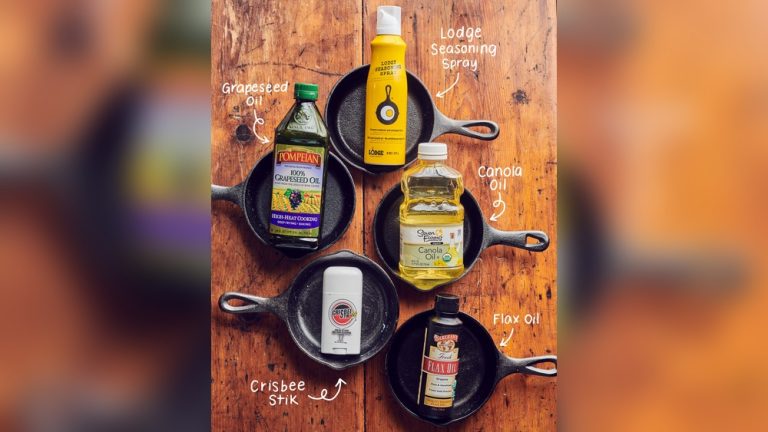
- Oil lightly after drying. A thin layer of vegetable oil or flaxseed oil helps maintain seasoning.
- Replace or restore any pan that shows deep pitting, cracks, or large flakes.
- Get vintage pans tested for lead if you plan to use them for cooking acidic foods.
When to Choose Enameled Cast Iron
Enameled cast iron keeps the heat benefits of cast iron but adds a non-reactive coating. I reach for enameled pieces when I want:
- To cook acidic sauces without extra iron leaching
- Less maintenance—no seasoning required
- A similar oven-safe, heat-retaining pan with an easier surface to clean
Enameled cast iron can cost more, but it removes many health and flavor concerns tied to bare cast iron.
Quick Safety Checklist Before Cooking with Cast Iron
- Is the pan modern and from a trusted brand? If not, test for lead.
- Is the seasoning intact and well-cared-for?
- Will you cook acidic food? If yes, consider an alternative.
- Can you lift and handle the pan safely?
- Will you clean, dry, and oil the pan after use?
Follow this checklist to reduce health and safety risks when you use cast iron in your kitchen.