Can You Boil Water in Cast Iron Pot? Expert Tips 2026

Boiling water is one of the simplest tasks in the kitchen. Still, the pot you choose can change how easy and safe that task is. Many people ask me if they can boil water in a cast iron pot. I use cast iron often, so I’ll share what I’ve learned. Cast iron is prized for its durability, steady heat, and timeless look. It also needs care. In this post I explain exactly what happens when you boil water in cast iron, the pros and cons, and the safe way to do it. I’ll clear up common myths, share practical tips, and give real examples so you can use your cast iron with confidence.
What Makes Cast Iron Unique
Cast iron pots have been a kitchen staple for centuries. They are heavy and built to last. Their thick walls hold heat well, so food cooks evenly and stays warm. Cast iron is versatile: I use mine for frying, baking, roasting, braising, and simmering.
But cast iron is porous at a microscopic level. That’s why it needs to be seasoned. Seasoning is a layer of polymerized oil. It protects the metal from rust and reduces sticking. If that layer gets damaged, the iron can rust quickly. That is the main reason people worry about boiling water in cast iron.
Main Benefits
- Durability: Lasts for decades, sometimes generations.
- Heat retention: Holds and releases heat slowly, which helps even cooking.
- Versatility: Works on stovetops, ovens, and campfires.
Main Drawbacks
- Weight: Heavy, which can make lifting and pouring harder.
- Care: Needs regular seasoning and mindful cleaning.
- Rust risk: Water and acidic foods can speed corrosion if not handled right.
Can You Boil Water In Cast Iron?
Short answer: Yes. You can boil water in a cast iron pot. I do it sometimes. But you must know what it does to the seasoning and how to protect the pan. Boiling water is not dangerous, but it can affect the cookware over time.
What Happens When You Boil Water In Cast Iron?
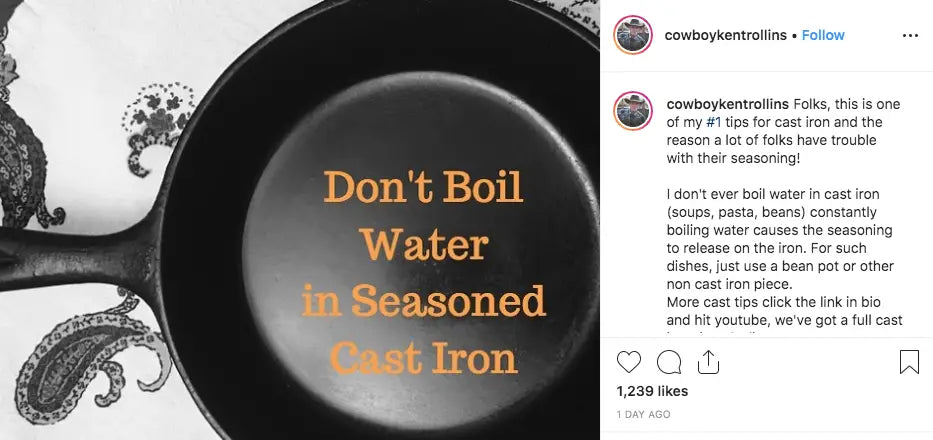
Boiling water won’t release toxic chemicals from a cast iron pot. The real issue is the seasoning layer. Hot water and steam can soften or strip seasoning. If that protective layer thins, the iron beneath can be exposed and rust can form.
If your pot is well-seasoned, boiling water once or twice won’t wreck it. But frequent boiling or leaving water to sit in the pan will speed seasoning loss and raise the risk of rust.
Is It Safe?
From a food-safety view, boiling water in a cast iron pot is safe. Iron won’t react dangerously with water. If the pan has rust or bare spots, tiny rust particles can end up in the water. That won’t usually hurt you, but it can taste off and is not ideal.
Types Of Cast Iron Pots
There are two main types:
- Bare cast iron: Needs seasoning. More prone to reacting with moisture.
- Enamel-coated cast iron: Has a glass-like enamel layer. No seasoning needed. Easier and safer for boiling water, soups, and stews.
I use bare cast iron for searing and frying. For regular boiling or acidic dishes, I reach for enamel-coated pots because they are low-maintenance.
Comparison: Bare Vs Enamel Cast Iron For Boiling Water
Here is a quick comparison:
| Feature | Bare Cast Iron | Enamel-Coated Cast Iron |
|---|---|---|
| Needs Seasoning | Yes | No |
| Rust Risk | High | Low |
| Safe for Boiling Water | With Care | Yes |
| Easy Cleaning | No | Yes |
How To Boil Water In Cast Iron Safely
If you decide to boil water in bare cast iron, follow these steps. I use this routine to protect my pans.
Step-by-step Guide
- Check Seasoning: The surface should be smooth and dark with a light sheen. If it looks dull or has rust, re-season first.
- Fill with Water: Add clean water. Leave space—no more than 2/3 full—to avoid boil-overs.
- Heat Slowly: Start on medium heat. Cast iron warms slowly. Sudden high heat can stress the metal and the seasoning.
- Watch Closely: Once the water boils, use as needed. Don’t let it boil for long unless necessary.
- Empty Immediately: Pour out the water when done. Do not leave water standing in the pot.
- Dry Thoroughly: Wipe dry, then place the pot on low heat for a couple of minutes to evaporate any hidden moisture.
- Re-season if Needed: If the seasoning looks weak, rub a thin layer of oil and heat until it forms a shiny coating.
Extra Tips
- If you boil water for pasta or vegetables, remove food and drain right away. Don’t store them in the cast iron.
- Avoid boiling acidic liquids (tomato, vinegar-based broths) in bare cast iron. Acid strips seasoning faster.
- For frequent boiling, use enamel-coated cast iron or stainless steel. It saves time and wear on your pan.
How To Test Your Seasoning (New Subheading)
Before boiling, test the seasoning quickly. Drop a few water droplets on the surface. If they bead up and roll, the seasoning is in good shape. If they spread and darken the metal, the seasoning may be thin and could use attention.
What Happens To Seasoning When Boiling Water?
Seasoning is the thin, polymerized oil layer that protects cast iron. It makes the surface less sticky and shields the metal from moisture. Boiling water and steam can weaken this layer over time.
Science Behind It
Seasoning is hydrophobic—it repels water. But high heat and lots of moisture can loosen the layer. Repeated boiling or long exposure to water can cause the coating to peel or dull.
- Loss of shine: Seasoning looks faded or uneven.
- Sticky spots: Food sticks where seasoning wore thin.
- Rust: Tiny orange spots show where iron is exposed.
If you see these signs, re-seasoning will restore the protective layer.
How Often Can You Boil Water?
Occasional boiling won’t ruin a well-seasoned pan. If you boil water daily or weekly and don’t dry and oil the pot, the seasoning will weaken faster. For regular boiling, use cookware designed for it.
Comparing Cast Iron To Other Pots For Boiling Water
People use many pot materials to boil water. Each one has trade-offs. Below I compare common options so you can pick the right one for the job.
| Pot Type | Heat Retention | Weight | Rust Risk | Seasoning Needed | Boiling Water Safety |
|---|---|---|---|---|---|
| Cast Iron | Excellent | Heavy | High | Yes | With Care |
| Enamel Cast Iron | Excellent | Heavy | Low | No | Yes |
| Stainless Steel | Average | Medium | None | No | Yes |
| Aluminum | Poor | Light | None | No | Yes |
| Nonstick | Poor | Light | None | No | Yes (short term) |
Key Insights
- Stainless steel is easy to use and clean. It doesn’t hold heat as long as cast iron.
- Aluminum heats fast and is lightweight, but it can warp and often doesn’t last as long.
- Nonstick pans are convenient for low-fat cooking. Avoid overheating them. They are fine for boiling water briefly, but not for long, high-heat use.
Common Myths About Boiling Water In Cast Iron
I hear a lot of myths about cast iron and water. Here I lay out the facts so you know what to trust.
Myth 1: Boiling Water Ruins Cast Iron Instantly
Fact: Boiling water once or twice will not ruin a well-seasoned pot. Damage usually comes from repeated soaking, not quick boils.
Myth 2: Cast Iron Leaks Iron Into Boiling Water
Fact: A well-seasoned cast iron pan won’t leach significant iron into plain boiling water. Acidic foods can release more iron. If the pan is rusty, you may get tiny iron flakes. They’re not ideal for flavor but rarely dangerous in small amounts.
Myth 3: You Can Never Use Water In Cast Iron
Fact: Cast iron is used for soups, stews, and braises—all of which include water. The key is to dry and oil the pot after use.
Myth 4: Enamel-coated Cast Iron Is The Same As Bare Cast Iron
Fact: Enamel-coated cookware behaves differently. It does not need seasoning and it resists rust, so it’s a better choice for frequent boiling.
Credit: www.reddit.com
Real-life Examples: When To Boil Water In Cast Iron
Boiling water in cast iron is handy in certain situations:
- Camping: Cast iron stands up well to open flames. I often use it to boil water for coffee or tea on a campfire.
- Cooking pasta: If a cast iron pot is all you have, you can boil pasta. Just drain and dry the pot right away.
- Sterilizing: In a pinch, you can boil water in cast iron to sterilize utensils or bottles. Dry and re-season the pan afterward.
Example: Boiling Water For Pasta
If I need to cook pasta and only have cast iron:
- Fill the pot with water and bring to a boil.
- Add pasta and cook as directed.
- Drain the water and transfer pasta out immediately.
- Dry the pot and rub with a thin layer of oil.
This routine helps prevent rust and protects the seasoning.
Example: Boiling Water For Tea While Camping
Cast iron works great over a campfire. I set the pot on the flames, bring water to a boil, and brew tea. Afterward I dry the pot thoroughly. Outdoor moisture and rain make drying a top priority to avoid rust.
Expert Opinions And Data
Professional chefs use cast iron mostly for searing, frying, and roasting. They use other pots for frequent boiling. A survey from America’s Test Kitchen found that 90% of chefs prefer stainless steel for boiling water, while about 10% sometimes use enamel-coated cast iron.
A study in the Journal of Food Engineering showed that cast iron holds heat longer than aluminum—about twice as long in some tests. That makes it useful when you want liquids to stay hot for a while.
The Science Of Rust And Cast Iron
Rust is cast iron’s main enemy. When iron meets water and oxygen, it forms iron oxide (rust). Seasoning acts like a barrier. Boiling water and steam can weaken that barrier if the pan isn’t cared for.
How Quickly Does Rust Form?
If you leave water sitting in a cast iron pot, rust can appear in less than 12 hours. If you dry and oil the pot after use, rust usually won’t form. I always dry my pans on the stove to be safe.
How To Remove Rust
If you see rust:
- Scrub with steel wool or a stiff brush until the rust is gone.
- Wash with warm water. Avoid soap unless you plan to re-season.
- Dry completely, including the handle and lid.
- Rub with oil and bake at 400°F for 1 hour to rebuild the seasoning.
This method restores the protective surface and gets the pan back to work.
How To Re-season Cast Iron After Boiling Water
If boiling water has dulled your seasoning, re-seasoning is straightforward. I do this whenever the pan looks dry or uneven.
Steps To Re-season
- Clean the pot thoroughly. Remove rust and stuck-on food.
- Dry the pot completely.
- Rub a thin coat of vegetable oil or flaxseed oil inside and out.
- Place the pot upside down in an oven preheated to 400°F. Put foil under it to catch drips.
- Bake for 1 hour, then let cool in the oven.
- Repeat if you want a stronger layer.
A good seasoning looks smooth and shiny and repels water.
Practical Tips For Boiling Water In Cast Iron
Simple habits can extend the life of your cast iron:
- Boil water only when you need to.
- Never leave boiled water sitting in the pot.
- Dry the pot after every use.
- Rub a thin layer of oil on the surface after drying.
- Use enamel-coated cast iron if you boil water often.
What Beginners Often Miss
- Don’t use soap on seasoned pots: Soap can strip seasoning. Use hot water and a brush instead.
- Avoid sudden temperature changes: Pouring cold water into a hot pan can cause thermal stress and, in rare cases, cracks.
- Don’t store food or water in cast iron: Move food to another container after cooking.
Comparing Boiling Water In Cast Iron To Other Cooking Methods
Here’s a quick look at the pros and cons of boiling water in cast iron versus other common methods.
| Method | Heat Speed | Ease of Cleaning | Seasoning Needed | Rust Risk | Best Use |
|---|---|---|---|---|---|
| Cast Iron | Slow | Challenging | Yes | High | Stews, Slow Cooking |
| Enamel Cast Iron | Slow | Easy | No | Low | Soups, Boiling |
| Stainless Steel | Fast | Easy | No | None | Boiling Water, Pasta |
| Aluminum | Very Fast | Easy | No | None | Quick Boiling |
Key Takeaways
- Cast iron shines in slow cooking and tasks that benefit from steady heat.
- Enamel-coated cast iron is a great middle ground for boiling and one-pot meals.
- For quick, frequent boiling, stainless steel or aluminum is more practical.
Pros And Cons Of Boiling Water In Cast Iron
Here’s a quick summary to help you decide when to use cast iron for boiling.
Pros
- Built to last and very durable.
- Retains heat well so liquids stay warm.
- Can boil water when needed.
- Stands up to outdoor and campfire use.
Cons
- Seasoning can break down with repeated boiling.
- Rust risk if you don’t dry and oil the pot.
- Heavy and harder to move or pour from.
- Not ideal for frequent boiling without extra care.
Situations Where Cast Iron Is Best
- Camping and outdoor cooking.
- Slow-cooked stews and soups where heat retention helps.
- Emergency use when no other pots are available.
How To Prevent Damage When Boiling Water
Protect your cast iron pot with these steps:
- Always dry and oil after boiling water.
- Avoid boiling acidic liquids in bare cast iron.
- Use enamel-coated cast iron for regular boiling.
- Store the pot in a dry place with good air circulation.
Many people forget to dry the pot after boiling. In my experience, that is the most common cause of rust.
Alternatives To Boiling Water In Cast Iron
If you need to boil water often, consider these alternatives:
- Stainless steel pots: Easy to clean, lightweight, and do not need seasoning.
- Aluminum pots: Light, heat quickly, and are good for fast boiling.
- Enamel-coated cast iron: Gives you cast iron’s heat retention without the seasoning work.
I love cast iron for certain jobs. For frequent boiling, I switch to stainless steel to save maintenance time.
Cleaning And Caring For Cast Iron After Boiling Water
A little routine goes a long way. Here’s what I do after boiling water.
Cleaning Steps
- Pour out the water right away.
- Wipe the interior with a towel to remove moisture.
- Place on low heat for a few minutes to be sure it’s dry.
- Rub a thin layer of oil inside and out to restore protection.
What Not To Do
- Do not soak the pot in water.
- Do not use strong soap on a well-seasoned pan unless you will re-season it.
- Do not store food or water in the pot.
Is Boiling Water In Cast Iron Good For Health?
Some people say cooking in cast iron adds dietary iron to food. That is true for acidic foods. Plain boiling water adds very little iron. If a pan is rusty, tiny iron particles can enter the water. This isn’t usually harmful in small amounts, but it can affect taste.
Cast Iron Pot Brands And Boiling Water
Brands differ. Some make thicker enamel or heavier seasoning out of the box. Lodge is known for sturdy, pre-seasoned bare cast iron. Le Creuset makes high-quality enamel-coated pots that are easy for boiling and cleaning.
Data: Pot Durability
According to Consumer Reports, enamel-coated pots hold up better when you use them for regular boiling. Bare cast iron needs more upkeep if you boil water often.
Credit: kentrollins.com
When Should You Not Boil Water In Cast Iron?
Avoid boiling water in cast iron if:
- The pot is rusty, chipped, or damaged.
- You plan to leave water sitting in the pot for hours.
- You want to boil acidic liquids in a bare pan.
- You need to boil water often—daily use will wear the seasoning.
Summary Of Key Points
- You can boil water in cast iron, but protect the seasoning.
- Enamel-coated cast iron is safer and easier if you boil water regularly.
- Always dry and oil the pot after boiling to prevent rust.
- For frequent or fast boiling, stainless steel and aluminum are better choices.
For more scientific details on cast iron care, visit Wikipedia.
FAQs (Can You Boil Water in Cast Iron Pot)
Can Boiling Water Ruin The Seasoning On My Cast Iron Pot?
Boiling water can weaken or remove seasoning, especially with repeated exposure. If you dry and oil the pot after boiling, the seasoning will last much longer. Quick use and prompt care keep problems rare.
Is It Safe To Boil Water In A Rusty Cast Iron Pot?
No. A rusty pot can shed small rust particles into the water. Clean and re-season a rusty pan before using it for cooking or boiling.
How Can I Restore Seasoning After Boiling Water In Cast Iron?
Clean and dry the pot. Rub with oil and bake at 400°F for 1 hour. This rebuilds the seasoning and protects against rust.
What Is The Best Pot For Boiling Water Regularly?
Stainless steel pots are the best choice for regular boiling. They are light, easy to clean, and do not need seasoning.
Can I Boil Water In Enamel-coated Cast Iron?
Yes. Enamel-coated cast iron is safe for boiling water. It does not need seasoning and resists rust. It combines cast iron’s heat retention with the ease of a non-porous surface.
Final Thoughts
Boiling water in a cast iron pot is fine when done with care. Occasional boiling won’t ruin a well-seasoned pan if you dry and oil it afterward. For regular boiling, choose enamel-coated cast iron, stainless steel, or aluminum to save time and protect your cookware. Cast iron is best used for searing, frying, baking, and slow-cooked dishes. With a little care, your cast iron will last for many years and stay a reliable part of your kitchen.

Credit: www.youtube.com