Does Aluminum Cookware React With Food? Myths vs. Facts 2026

Aluminum cookware is a common choice in kitchens worldwide. It’s lightweight, heats up fast, and usually costs less than other metals. But a frequent question I hear from home cooks is: Does aluminum cookware react with food? I’ve tested pans, cooked acidic sauces, and read the science. In this article I’ll explain how aluminum interacts with food, what the research says about safety, and practical tips I use in my own kitchen to avoid problems.
What Is Aluminum Cookware?
Aluminum is a silvery-white, soft metal and the third most abundant element in the Earth’s crust. Cookware makers shape it into pots, pans, and baking sheets because it conducts heat very well. That even, fast heating helps food cook quickly and with fewer hot spots — a real plus when you’re cooking for a crowd or working on a tight timing.
There are two main types of aluminum cookware:
- Bare aluminum (not coated)
- Anodized aluminum (a treated, harder surface)
Many pieces also come with a nonstick coating applied over aluminum. That layer helps prevent sticking and also reduces direct contact between food and the metal.
How Aluminum Reacts With Food
Aluminum is a reactive metal. That means it can chemically interact with certain foods. Reactions are most likely with acidic or very salty ingredients. When a reaction happens, tiny amounts of aluminum may move into the food. The key questions are how much moves, and whether it matters for health or taste.
Common Foods That Cause Reactions
Acidic foods are the main trigger. Examples include:
- Tomato sauce
- Vinegar-based dishes
- Citrus fruits or juice
- Wine-based recipes
- Pickles
- Rhubarb
Very salty foods and long, slow cooking can also speed up reactions. Think brined meats, long-simmered soups, or anything left sitting in the pan for hours.
What Happens During The Reaction
When acidic or salty food touches bare aluminum, a small chemical reaction can occur. The metal can oxidize and release aluminum ions into the food. That may:
- Change the food’s color (sometimes it looks gray or dull)
- Alter the taste (a metallic or “off” flavor)
- Leave marks, stains, or pits on the cookware
In most home-cooking situations, the total aluminum that transfers is small. Still, if you want pristine flavor or color, it’s smart to choose non-reactive cookware for acidic recipes.
How to Tell If Your Pan Is Bare Aluminum
Not all aluminum pans are labeled clearly. Here are quick checks I use:
- Look for a dull, matte silver surface inside the pan — that often means bare aluminum.
- If the inside is very hard, dark, or has a smooth colored finish, it may be anodized.
- If it has a black, gray, or colored coating that peels slightly or feels slick, that’s usually a nonstick layer over aluminum.
If in doubt, check the manufacturer’s label or product page. Many brands list “anodized aluminum” or “hard-anodized” in the specs.
Health Concerns: Is It Safe?
A lot of people worry about aluminum and health. Old headlines linked aluminum to Alzheimer’s disease. That scared many home cooks. I studied recent reviews and regulatory advice to clarify the facts.
How Much Aluminum Gets Into Food?
Research shows that normal cooking with aluminum cookware adds roughly 1–10 milligrams of aluminum to a meal. To put that in perspective:
- The average adult consumes about 7–9 milligrams of aluminum per day from all sources (food, water, and additives).
- The World Health Organization (WHO) suggests a tolerable intake of up to 2 milligrams per kilogram of body weight per week. For a 70 kg adult, that is about 140 mg per week.
So, everyday cooking in aluminum contributes a small fraction of the total weekly allowance.
Does Aluminum Cause Health Problems?
Current science does not find a strong link between aluminum cookware and diseases like Alzheimer’s. The body absorbs very little aluminum from food. Healthy kidneys remove most of what is absorbed. Problems arise only with very high exposures or in people with kidney disease.
Major health bodies, including the U.S. Food and Drug Administration (FDA) and the European Food Safety Authority (EFSA), consider aluminum cookware safe for most people when used correctly.
Anodized Aluminum: What’s The Difference?
Anodized aluminum is aluminum that has been electrochemically treated to build up a thick, hard layer of aluminum oxide on the surface. This layer is dense and much less reactive than raw aluminum.
Benefits of anodized aluminum:
- Does not react with acidic or salty foods
- More scratch-resistant than bare aluminum
- Less likely to stain, pit, or transfer metal taste
If you want the cooking performance of aluminum but less risk of reactivity, anodized aluminum is a great choice. In my kitchen, most of my daily pans are hard-anodized for that reason.
:max_bytes(150000):strip_icc()/Aluminum-pan-alternatives-58e241832b404ca6b5c762194f0accce.jpg)
Credit: www.eatingwell.com
Comparing Aluminum With Other Cookware Materials
It helps to see how aluminum stacks up with other common cookware materials. Here’s a quick comparison:
| Material | Reactivity with Food | Heat Conductivity | Common Uses |
|---|---|---|---|
| Aluminum | Reacts with acids/salts | Excellent | Frying pans, baking sheets |
| Anodized Aluminum | Non-reactive | Excellent | Saucepans, skillets |
| Stainless Steel | Non-reactive | Good | All-purpose cookware |
| Cast Iron | Reacts with acids (unseasoned) | Moderate | Skillets, Dutch ovens |
| Copper | Reacts with acids | Excellent | Specialty pans |
| Nonstick (over aluminum) | Non-reactive | Excellent | Egg pans, crepe pans |
As you can see, stainless steel and anodized aluminum are the safer options when cooking acidic foods. Regular bare aluminum works well for baking, roasting, and frying non-acidic dishes.
How To Use Aluminum Cookware Safely
If you already have aluminum pots and pans, you don’t need to stop using them. A few simple habits help you avoid reactions and keep food tasting as it should. These are the steps I follow and recommend:
- Avoid long cooking times for acidic foods. Make tomato sauce or fruit jam in stainless steel or glass instead.
- Do not store food in aluminum pans. Move leftovers to glass or plastic containers.
- Check for pitting or surface damage. Replace pans with deep pits — they react more and are harder to clean.
- Choose anodized aluminum for everyday use if you cook acidic foods often.
- Use nonstick-coated aluminum for eggs, pancakes, and other sticky foods.
- Avoid metal utensils on bare aluminum. Scratches increase reactivity.
- Hand-wash aluminum pans. Dishwashers can dull and wear protective layers faster.

Credit: myborosil.com
Does Cooking In Aluminum Change The Taste Or Color Of Food?
Yes — sometimes. You might notice a faint metallic taste or a grayish tint. That is most common with:
- Tomato-based sauces
- Lemon or vinegar marinades
- Fruit jams and jellies
This happens when aluminum ions dissolve into food and react with acids or pigments. It is usually not harmful. But it can change how the food looks and tastes. One detail many cooks miss: egg whites can turn slightly gray when cooked in aluminum. Sulfur compounds in eggs react with aluminum, which can affect color in delicate desserts like meringues or angel food cake.
Myths And Facts About Aluminum Cookware
There are many stories about aluminum cookware. Here’s a clear look at common myths and the facts behind them:
- Myth: Cooking with aluminum causes Alzheimer’s disease.
- Fact: Studies do not show a direct link. Experts generally consider aluminum cookware safe for healthy people.
- Myth: All aluminum leaches into food.
- Fact: Only tiny amounts transfer, mainly with acidic or salty foods or damaged pans.
- Myth: Anodized aluminum is the same as bare aluminum.
- Fact: Anodized aluminum has a sealed oxide layer and is much less reactive.
- Myth: Aluminum is banned in Europe.
- Fact: Aluminum cookware is legal and widely used in Europe. Authorities set safe limits and standards, but there is no blanket ban.
When Should You Avoid Aluminum Cookware?
Most people can use aluminum pans safely. But you might choose another material in these cases:
- If you have kidney disease — the body then struggles to clear aluminum efficiently.
- If you often cook acidic foods — stainless steel, enameled pots, or glass is better for tomato sauces, vinaigrettes, or pickles.
- If you want absolute color and flavor control for a recipe — professional chefs often prefer non-reactive pans for sauces and confections.
Environmental Impact Of Aluminum Cookware
Aluminum is 100% recyclable. Old pans can be melted and reused. Making aluminum from recycled scrap uses roughly 95% less energy than producing it from raw ore. If you replace worn cookware, recycling your old pans helps save energy and reduces mining impacts. Check your local recycling rules; many centers accept aluminum cookware even with minimal prep.
Comparing Aluminum: Bare Vs. Anodized Vs. Nonstick
Choosing the right aluminum cookware depends on how you cook. Here’s a quick guide:
| Type | Reactivity | Best For | Care Needed |
|---|---|---|---|
| Bare Aluminum | Reacts with acids/salts | Baking, frying non-acidic foods | Hand-wash, avoid acids |
| Anodized Aluminum | Non-reactive | All-purpose cooking, sauces | Gentle cleaning, avoid harsh abrasives |
| Nonstick over Aluminum | Non-reactive | Eggs, pancakes, low-fat cooking | No metal utensils, avoid overheating |
Two Insights Most Beginners Miss
- Not all aluminum pans are the same. Many cooks don’t realize that anodized and nonstick-coated aluminum behave very differently from bare aluminum. Check your pan type before cooking acidic food.
- Storing food in aluminum pans increases reaction. Leaving food, especially acidic or salty items, in an aluminum pan overnight causes more leaching than the brief exposure during cooking.
Practical Examples
Here are real scenarios from my kitchen to help you decide:
If I make a tomato-based pasta sauce, I reach for stainless steel or an enameled pot. A bare aluminum pan can tint the sauce gray and add a faint metallic taste. For baking cookies on an aluminum sheet, I use bare aluminum without worry — there’s no acid to react, so the cookies bake evenly and taste great.
Quick Buying Checklist: Choose the Right Aluminum Pan
When shopping, I look for these features. They help me pick long-lasting, safe cookware:
- Label that clearly says “anodized” or “hard-anodized” for non-reactive use.
- Nonstick-coated options for eggs and pancakes, but check durability ratings.
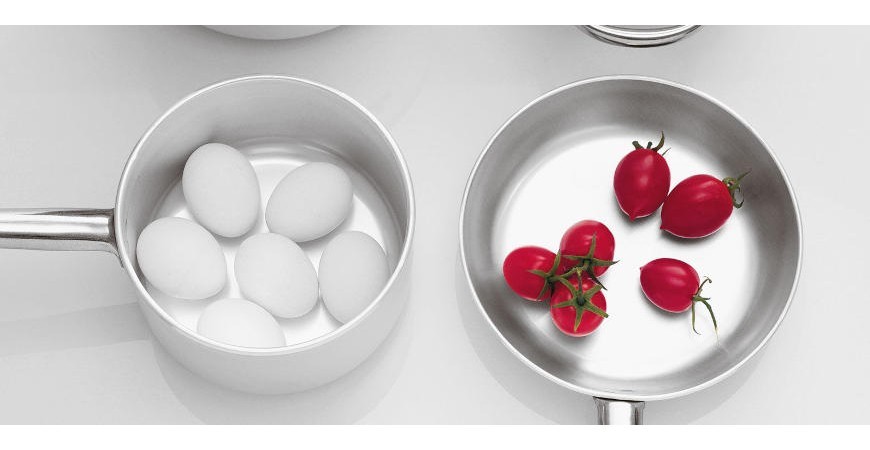
- Stainless steel or enameled interiors if I plan to cook lots of acidic dishes.
- Good warranty and clear care instructions from the manufacturer.
Credit: www.stellinox.com
Final Thoughts
Aluminum cookware is practical, affordable, and efficient. Bare aluminum can react with acidic or salty foods, but the health risk for most healthy people is low. Simple habits help you avoid reactions: use anodized or stainless steel for acidic dishes, don’t store food in aluminum pans, and replace heavily pitted cookware.
If you want to cook tomato sauce or pickles, switch to stainless steel or glass for those recipes. For everyday frying, roasting, and baking, anodized or nonstick-coated aluminum works well and keeps your kitchen light and fast.
Remember: Anodized aluminum and nonstick-coated pans are less reactive and give you more peace of mind. With the right use and care, aluminum cookware can serve your kitchen for many years.
For more technical details and safety advice, you can visit the Wikipedia page on aluminum cookware.
Credit: www.stellinox.com
Frequently Asked Questions
Does Aluminum Cookware Cause Alzheimer’s Disease?
No. Current research does not show a clear link between aluminum cookware and Alzheimer’s. The Alzheimer’s Association and major health agencies agree that amounts from normal cooking are too small to cause harm in healthy people.
Can I Cook Tomato Sauce In An Aluminum Pan?
It’s better to avoid cooking tomato sauce or other acidic foods in bare aluminum. The acid can react with the metal and change taste or color. Use stainless steel, enameled, or anodized pans instead for the best results.
Is Anodized Aluminum Safer Than Regular Aluminum?
Yes. Anodized aluminum has a hard, non-reactive oxide layer. That makes it much less likely to react with food, including acidic or salty dishes.
Does Food Taste Different When Cooked In Aluminum Pans?
Some acidic or salty dishes might pick up a slight metallic taste in bare aluminum pans. Most everyday foods — like baked goods or many fried foods — are unaffected.
Can I Put Aluminum Pans In The Dishwasher?
I recommend hand-washing aluminum cookware. Dishwashers can accelerate discoloration and wear down protective layers. This applies to both bare and anodized pans, though anodized surfaces tolerate cleaning better than raw aluminum.
Aluminum cookware can be a safe, reliable part of your kitchen. With better knowledge about which pans react and a few simple habits, you can keep your food tasting great and cook with confidence.