Is Nonstick Cookware Safe? The Truth About Your Kitchen in 2026

I’ll be honest: for a long time, I was scared of my own omelet pan. Like many of you, I read the alarming headlines and watched documentaries about “forever chemicals.” I almost threw everything out. But when I dug into the science—not just the clickbait—I found that the “Teflon scare” from the mid-2000s is not the same thing as the reality in most kitchens today.
If you’re asking, “Is nonstick cookware safe?” the short answer is yes, as long as you use it the right way. But “safe” is not an on/off switch. It means understanding how coatings have changed, the real risks that remain, and simple habits that cut exposure to near zero.
What’s Changed Since the “Teflon Scare” Headlines
If you are reading an article about nonstick safety from 2010, put it down. It is dated. Here’s the modern reality for the home cook and anyone searching “nonstick cookware safety” or “Teflon safety”:
- The PFOA Phase-Out: Long used in the factory process, PFOA was linked to environmental and worker harms. Major manufacturers phased it out by 2015. New pans are made without PFOA.
- Current Standards: Today’s nonstick pans face stricter testing and rules. Labels that say “PFOA-free” reflect industry-wide changes and regulatory oversight in markets like the U.S. and EU.
- “PFOA-Free” vs. “PFAS-Free”: This matters. PFOA is one chemical. PFAS is a large family (the “forever chemicals”). A pan can be PFOA-free but still be made with other PFAS-based formulas. That lowers consumer risk but keeps environmental concerns on researchers’ radars.
The Science Consensus: What Toxicologists Say Now
I read reports from the FDA, EPA, EFSA, and other food safety bodies. The consensus is calm and clear. Most toxicologists now call modern PTFE-based nonstick coatings inert. That means they do not react in your body. If a tiny flake is swallowed, it usually passes through without being absorbed.
Where uncertainty remains: Scientists continue to watch the newer PFAS used in manufacturing. The main concern is long-term environmental persistence—not acute risk to a home cook. For everyday use, the risk is extremely low — as long as you avoid overheating the pan.
The Nuanced Reality: Not All Nonstick Is Equal
We often lump all slippery pans together. They are different in materials, lifespan, and safe use. Use these quick labels when people search “best nonstick cookware” or “ceramic vs Teflon”:
- Traditional PTFE (Teflon style): The top nonstick performer for eggs and delicate foods. It lasts longer if used at moderate heat.
- Ceramic Coatings: Marketed as “green” or PFAS-free. They handle higher heat briefly but lose slickness faster than PTFE. Good for low-fat cooking early on, but expect re-coating or replacement sooner.
- Hard Anodized: Tough, aluminum-based pans with bonded nonstick layers. Durable and a solid middle ground for many cooks.
Understanding the Chemicals: PFOA, PFAS, and PTFE Decoded
PTFE: The Actual Nonstick Coating
When you touch a smooth skillet, you’re touching PTFE (Polytetrafluoroethylene). It’s the material people mean when they say “Teflon.”
- Why it’s safe: PTFE is chemically stable. It does not leach into food at normal cooking temperatures. It resists acids, bases, and detergents.
- The limit: PTFE breaks down at very high heat (around 500°F / 260°C). That breakdown produces fumes. That is the main safety concern.
PFOA: The Banned Ghost of the Past
PFOA used to help PTFE stick to pans during manufacturing. It is not present in modern cookware made after the global phase-out.
- The good news: Since the phase-out, testing shows new pans contain no detectable PFOA. The highest risk was to workers and nearby communities during manufacturing—not to cooks using finished pans.
PFAS: The “Forever Chemicals” Umbrella
PFAS covers thousands of chemicals. PTFE and PFOA are both part of this family. Newer PFAS chemistries reduce consumer exposure but can still persist in the environment. That’s the main reason researchers keep studying alternatives and better recycling methods.
What Independent Lab Testing Actually Shows
Independent tests from groups like Consumer Reports (2022–2025) show that during normal cooking there is zero or negligible chemical transfer from modern nonstick pans to food. For many people, other sources pose more PFAS exposure—like some drinking water supplies, stain-resistant carpets, grease-resistant packaging, and contaminated soils.
The Temperature Question: When Nonstick Becomes Unsafe
Heat is the main control knob for risk. The stove setting matters more than the brand. Learn the thresholds and you’ll be safe.
The Critical Temperature Thresholds Explained
- 500°F (260°C): The caution zone. PTFE starts to degrade and may release small amounts of byproducts.
- 660°F+ (350°C+): The danger zone. Coating breaks down quickly and fumes can rise sharply.
For context: an egg fries at about 300°F. A grilled cheese finishes around 350°F. When you’re cooking real food, the food acts as a heat sink. That keeps pan temperature lower than when the pan is empty.
Polymer Fume Fever
If you leave an empty nonstick pan on high heat, it can reach 500°F in under two minutes. The fumes can cause “Polymer Fume Fever”—short, flu-like symptoms in people. The real danger is to birds. Pet birds have very sensitive lungs. Even a short exposure can be fatal to them.
The Scratched and Damaged Nonstick Debate
Is a scratched pan a health hazard? Probably not in terms of toxicity. It is just a bad pan to cook with.
- Ingestion: PTFE is inert. If you swallow a tiny flake, your body usually passes it without absorbing it.
- The real problem: Once the coating is damaged, food sticks. Exposed aluminum or alloy cores can react with acidic foods (tomatoes, vinegar). That can change flavor and texture.
- The rule: If it’s flaking or badly scratched, replace it. Not because it will poison you, but because it no longer works safely and well.
Manufacturing Quality: Why Brand Matters
Cheap pans often use a single, thin coating that wears fast. Better pans are built to last and tested more thoroughly.
- Multi-layer systems: Higher-end brands use 3–5 layers. Those layers include primers, mid-coats, and a topcoat for durability and abrasion resistance.
- Certifications: Look for seals from NSF International, EU REACH compliance, or other independent marks. These often mean stricter manufacturing controls than basic labeling alone.
Nonstick Alternatives: An Honest Comparison
- Ceramic: PFAS-free and marketed as eco-friendly. They are good for mild cooking but tend to lose nonstick performance in 6–12 months under heavy use.
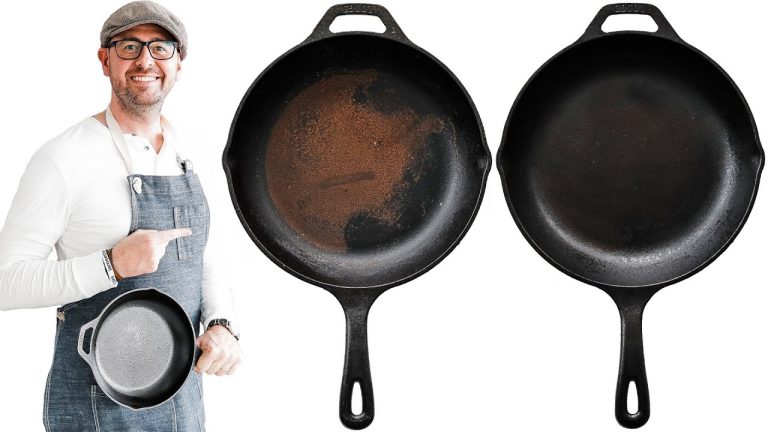
- Cast Iron/Carbon Steel: Nearly indestructible and free of synthetic coatings. They can add trace iron to food. They require seasoning and a little maintenance.
- Stainless Steel: A pro-level choice. Durable, safe, and good for high-heat searing. You will need more oil to prevent sticking with stainless.
The Exposure Context: The Bigger Picture
Biomonitoring studies show cookware is a small part of total PFAS exposure. You are far more likely to encounter PFAS from drinking water, stain-resistant carpets, or waterproof clothing than from a well-maintained pan.
Safe Usage Protocol
- Never preheat empty: Always add oil or food before bringing the heat up.
- Stay on Medium: Use nonstick for eggs, omelets, and fish. Use cast iron or stainless steel for high-heat searing and browning.
- Hand wash: Dishwashers expose coatings to harsh detergents and high temperatures. Hand washing prolongs life.
- Soft utensils: Use silicone, wood, or nylon to avoid scratching the surface.
The Bottom Line: Your Personal Decision
Is nonstick cookware safe? Yes, when used as intended. I use a hybrid setup in my kitchen. I keep one high-quality, PFOA-free nonstick pan just for eggs and delicate items. For most other cooking I reach for stainless steel or cast iron. This gives me convenience and peace of mind.
FAQ
- “Should I throw my pans out?” Toss pans only if they are flaking, heavily scratched, or made before 2013. If the coating is intact, keep using it with safe habits.
- “Can it cause cancer?” There is no proven link between using modern PTFE cookware properly and cancer. Concerns in the past centered on PFOA exposure during manufacture, not normal home use of finished cookware.
- “Are air fryers safe?” Yes. Most air fryers have internal thermostats and temperature limits that prevent the pan from reaching PTFE breakdown temperatures. Still, follow the device’s instructions and avoid running it empty at max heat.
How to Choose a Safe Nonstick Pan (New section)
When shopping for cookware, search for key features. These will help you find a safe, long-lasting pan.
- Look for reputable brands with multi-layer coatings and clear labeling (PFOA-free, PTFE type listed).
- Check warranties. Many quality makers offer long warranties. That often reflects better construction and quality control.
- Think size and use. Keep a small dedicated nonstick for eggs. Use heavier pans for browning and high-heat tasks.
- Read independent reviews. Sources like Consumer Reports or NSF listings provide practical test results on durability and safety.
Signs It’s Time to Replace Your Pan (New section)
Replace a pan if any of these are true.
- Coating peels or flakes off.
- Surface is deeply scratched and food sticks constantly.
- Pan warps or the base separates from the coating.
- Manufacturer no longer supports the model and you cook often with it.
Environmental Impact and Disposal Tips (New section)
If you care about PFAS in the environment, you can act beyond your kitchen habits.
- Recycle or donate: Some recycling centers accept old cookware. Check local guidelines before tossing pans in the trash.
- Buy quality: Longer-lasting pans mean fewer thrown-out pans and less waste.
- Support better manufacturing: Choose brands that disclose materials and support PFAS phase-outs and safe disposal programs.
Quick Safety Checklist (New section)
Print this or save it on your phone.
- Don’t preheat empty pans.
- Cook on medium or below for nonstick pans.
- Use the pan for its intended purpose (eggs, fish, low-fat cooking).
- Hand wash and dry promptly.
- Replace if the coating flakes.
- Keep birds out of the kitchen when cooking on high heat or if a pan overheats.
I wrote this from my own kitchen experience and from reading the science. If you want quick tips for replacing or choosing pans, ask me what brands I’ve tested and why I keep the ones I do. The key is smart use, not fear. That gives you the benefits of nonstick cooking—easy cleanup and great eggs—without undue risk.