How To Wash Cast Iron Cookware: Easy Care Tips

Wash cast iron with warm water, mild soap if needed, then dry fully and re-oil.
If you want cast iron to last for years, the washing step matters more than most people think. I’ve seen well-loved skillets go from rusty and sticky to smooth and dependable with just a few simple habits, and I’ve also seen good pans get ruined by careless soaking. In this guide, I’ll walk you through how to wash cast iron cookware the right way, when soap is safe, how to handle stuck-on food, and how to keep the seasoning strong without making the process complicated.
Why proper cast iron washing matters
Cast iron is tough, but it is not invincible. It reacts to water, harsh scrubbing, and long soaks in a way that other pans do not. If you wash cast iron cookware the wrong way, you can strip seasoning, invite rust, and create a rough surface that food loves to cling to.
Seasoning is the thin layer of oil baked into the pan over time. It acts like a shield and helps the pan stay nonstick. Good washing habits protect that layer, so your skillet keeps getting better with use instead of worse.
A lot of people think cast iron is high maintenance. Honestly, it is more like caring for a good pair of leather boots. If you clean it well and keep it dry, it stays reliable for a long time.
:max_bytes(150000):strip_icc()/__opt__aboutcom__coeus__resources__content_migration__serious_eats__seriouseats.com__images__2016__09__20160817-cast-iron-pan-vicky-wasik-1-2-5ca3f25cf17a4a6aa97f4a8c878c63b3.jpg)
What you need before you wash cast iron cookware
You do not need fancy products to wash cast iron cookware. In most kitchens, the basics are enough.
- Warm water
- A soft sponge or nonabrasive scrub pad
- A chainmail scrubber for stubborn bits, if you want one
- Mild dish soap, optional but useful
- A dry towel
- A little cooking oil for re-seasoning after washing
I keep it simple in my own kitchen. The fewer products you use, the less chance you have of overcomplicating the process. That said, the right tools make cleanup faster and safer for the pan.
How to wash cast iron cookware after cooking
The best time to wash cast iron cookware is soon after it cools a bit, but not while it is blazing hot. A pan that is too hot can warp if you run it under cold water. Let it cool until it is warm, not scorching.
Follow these steps:
-
Remove food while the pan is still warm
Use a spatula or paper towel to lift out loose bits. This makes washing much easier. -
Rinse with warm water
Warm water helps loosen grease and soft food without shocking the metal. -
Scrub gently
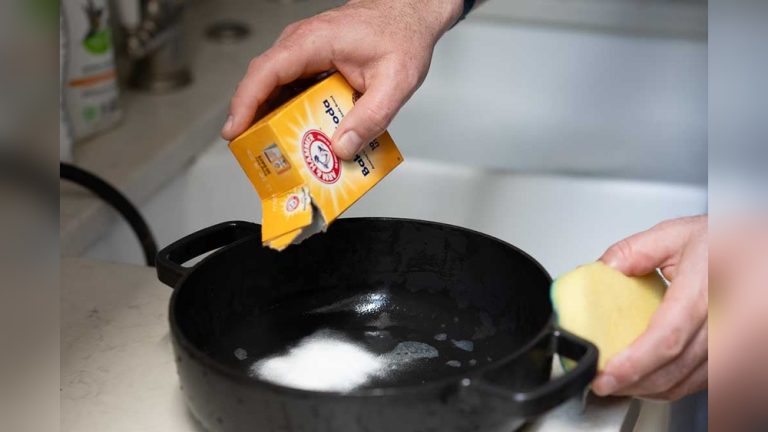
Use a soft sponge, a nonabrasive pad, or a chainmail scrubber for stuck bits. If needed, add a drop of mild dish soap. -
Rinse well
Make sure no soap, food, or loose residue stays behind. -
Dry immediately
Use a towel first, then place the pan on low heat for a minute or two to remove hidden moisture. -
Add a light coat of oil
Rub on a thin layer, then wipe off any extra. The pan should look lightly polished, not greasy.
This is the core routine I recommend to almost everyone. It is fast, safe, and easy to repeat after every meal.

Can you use soap on cast iron cookware?
Yes, you can usually use a small amount of mild dish soap on cast iron cookware. This is one of the biggest myths in the cast iron world. Older soaps were much harsher than what most people use today, so the old warning still gets repeated a lot.
A little soap will not ruin a well-seasoned pan. In fact, for greasy meals, soap can help cut residue and make cleaning easier. The key is to use a small amount and avoid soaking the pan in sudsy water.
I have used mild soap on cast iron plenty of times, especially after cooking bacon, sausage, or pan-fried chicken. The pan still performed great because I dried and oiled it right after washing. The real danger is neglect, not a few drops of soap.
How to clean stuck-on food without damaging seasoning
Stuck-on food happens. It is normal, especially after cooking eggs, cornbread, fish, or anything with sugary sauces. The trick is to loosen it without scraping away the seasoning.
Try these methods:
- Use warm water and a short soak of just a few minutes
- Scrub with a nonabrasive sponge
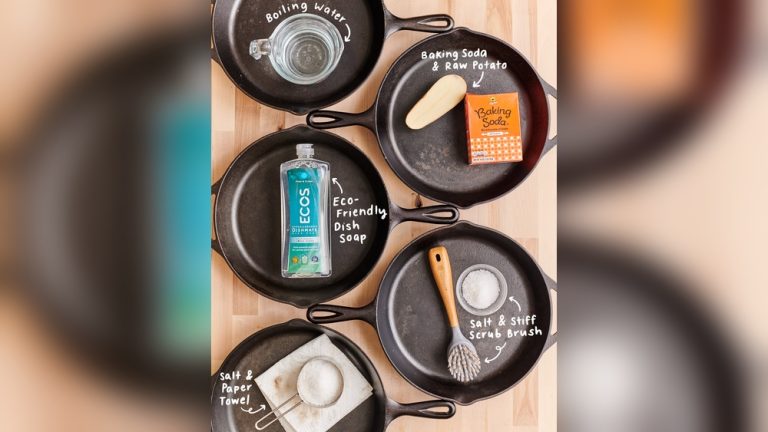
- Add coarse salt as a gentle scrub if the residue is stubborn
- Use a chainmail scrubber for tough bits
- Simmer a small amount of water in the pan for a minute to lift food
Do not use steel wool unless you truly need to strip and restore the pan. In my experience, most stuck food comes off with heat, water, and patience. Think of it like peeling off dried mud from a boot, not sanding down the leather.
What not to do when washing cast iron cookware
A few habits can shorten the life of cast iron fast. These are the mistakes I see most often.
- Do not soak the pan for long periods
- Do not leave it in the sink overnight
- Do not put it in the dishwasher
- Do not air-dry it and walk away
- Do not use very cold water on a very hot pan
- Do not scrub aggressively with harsh abrasives unless restoring the pan
These mistakes matter because cast iron is porous on the surface and can rust quickly if moisture sits on it. Even one bad night in the sink can leave orange spots by morning. I have learned that lesson the hard way, and it is much easier to prevent than fix.
How to dry and oil cast iron after washing
Drying is just as important as washing cast iron cookware. If water stays on the surface, rust can form fast. That is why I always finish with heat.
Here is the safest method:
- Wipe the pan dry with a clean towel
- Set it on low heat for 1 to 3 minutes
- Turn off the heat and add a few drops of oil
- Rub the oil over the full cooking surface and outside if needed
- Wipe away all excess oil
You want a thin protective layer, not a sticky film. Too much oil can turn tacky and attract dust or crumbs. A light sheen is enough to keep the pan protected.
How to wash cast iron cookware with rust
If your pan already has rust, do not panic. Light rust is often fixable, especially if the rest of the pan is still solid. The goal is to remove the rust, dry the pan completely, and rebuild the seasoning.
For light rust:
- Scrub the rusted area with a scrub pad or fine steel wool
- Wash the pan with warm water and mild soap
- Dry it right away
- Heat it briefly on the stove
- Apply a thin layer of oil
- Bake it if you need to restore the seasoning more deeply
For heavy rust, the pan may need a full restoration. That usually means stripping old buildup, removing the rust, and re-seasoning from scratch. If the rust is deep or flaky, it may take more than one round to bring the surface back.
How often should you wash cast iron cookware
You should wash cast iron cookware after each use, but not in a harsh way. Skipping washing entirely is not a good plan, because leftover food can turn rancid and attract odors. At the same time, over-scrubbing can wear down the seasoning.
A simple rule works well:
- After greasy or saucy meals, wash lightly with warm water and soap if needed
- After light cooking, rinse and wipe clean
- After each wash, dry and oil the pan
I treat cast iron like a good cast-iron skillet from my grandmother’s kitchen: clean, dry, and ready for next time. That steady routine keeps the pan dependable without turning cleanup into a chore.
Washing different types of cast iron cookware
Not all cast iron pieces need exactly the same care. A skillet, Dutch oven, grill pan, and grill press each collect food in different ways.
- Skillets usually clean up fastest because the surface is open and easy to reach
- Dutch ovens often need a little more water and a longer scrub because of sauces and braises
- Grill pans can trap food in ridges, so a brush or chainmail scrubber helps
- Enamel-coated cast iron is different and can usually handle soap more easily, but still should not be shocked with extreme temperature changes
If your cookware is bare cast iron, the basic routine still applies. If it is enameled, follow the manufacturer’s care tips because the surface is glass-like and needs a different touch.
Common cast iron washing problems and how to fix them
Even when you do everything right, cast iron can act up now and then. Most problems have simple fixes.
Sticky surface after washing
This usually means too much oil was left on the pan. Wipe off the extra and heat the pan gently until the surface feels dry and smooth.
Gray or dull spots
These often show up when seasoning wears thin. Keep cooking with oil-rich foods and maintain the pan with light oiling after washing.
Rust spots
Rust means moisture sat on the pan too long. Remove the rust, dry it fully, and re-season as soon as possible.
Food keeps sticking
This can happen if seasoning is uneven or too thin. Keep washing gently, then build seasoning through regular use and proper drying.
Benefits of washing cast iron cookware the right way
Good washing habits pay off in real ways. The pan performs better, lasts longer, and gets easier to use over time.
- Food releases more easily
- Rust stays away
- Seasoning stays strong
- Cleanup becomes faster
- The pan can last for generations
That long life is one reason cast iron remains so popular in home kitchens. Many cooks rely on it because it is durable, heat-friendly, and forgiving once you learn the basics. Proper washing is the bridge between a rusty old pan and a trusted kitchen workhorse.
Frequently Asked Questions of How to Wash Cast Iron Cookware
Can I wash cast iron cookware with dish soap?
Yes, a small amount of mild dish soap is usually fine for cast iron cookware. The key is to rinse well, dry it right away, and apply a thin coat of oil if needed.
Should I let cast iron soak in water?
No, long soaking can lead to rust and damage the seasoning. If food is stuck, use a short warm soak for a few minutes instead.
How do I dry cast iron cookware after washing?
Wipe it with a towel, then heat it on the stove for a minute or two. This removes hidden moisture and helps prevent rust.
What is the best way to remove stuck food?
Use warm water, a soft scrub pad, or a chainmail scrubber. For tough bits, simmer a little water in the pan to loosen the residue.
Why is my cast iron sticky after washing?
Sticky cast iron usually means too much oil was left behind. Wipe off the extra oil and heat the pan briefly to even out the surface.
Can I put cast iron cookware in the dishwasher?
No, the dishwasher is too harsh for bare cast iron. It can strip seasoning and cause rust very quickly.
Conclusion
Washing cast iron cookware does not have to be complicated. Warm water, gentle scrubbing, fast drying, and a light coat of oil are usually all you need to keep the pan in great shape. Once you build the habit, cast iron becomes one of the easiest and most rewarding tools in the kitchen.
If you want your skillet to stay smooth, seasoned, and ready for the next meal, treat cleanup like part of the cooking process. Try these steps after your next use, and see how much better your pan performs over time. If this guide helped, share it, bookmark it, or leave a comment with your own cast iron care tip.