How To Clean Samsung Cooktop: Easy Step-By-Step Guide

A Samsung cooktop cleans best with the right surface-safe method, gentle tools, and quick spill removal.
A clean cooktop is not just about looks. It helps your Samsung appliance work better, stay scratch-free, and last longer. I have cleaned many Samsung cooktops over the years, and the same lesson always holds true: the right method matters more than the amount of scrubbing. In this guide, I’ll walk you through how to clean a Samsung cooktop the safe way, what to use, what to avoid, and how to handle stubborn messes without damaging the surface.
How to Clean Samsung Cooktop the Right Way
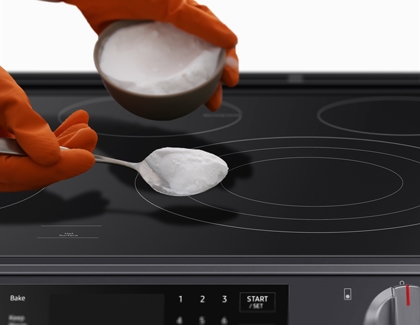
Cleaning a Samsung cooktop depends on the type of surface you have. Most Samsung models are glass ceramic, induction, or smooth electric cooktops, and each one needs gentle care. The biggest mistake people make is using harsh pads, sharp tools, or strong cleaners that leave marks or dull the finish.
Before you begin, always let the cooktop cool completely. Hot glass and cleaning sprays do not mix well, and I learned that the hard way early on when I tried to wipe a warm surface too soon. It left streaks and made the mess smear instead of lift.
What you need
• Soft microfiber cloths
• Warm water
• Mild dish soap
• Cooktop cleaner made for glass ceramic surfaces
• Plastic scraper made for cooktops
• Paper towels or a dry soft cloth
Step-by-step cleaning process
-
Turn off the cooktop and let it cool fully.
Cleaning a warm surface can make spills harder to remove and may also be unsafe. -
Remove loose crumbs and debris.
Wipe away dry bits first so they do not scratch the glass when you clean. -
Mix warm water with a few drops of mild dish soap.
Dip a soft cloth in the solution and wring it out well so it is damp, not wet. -
Wipe the surface gently.
Use small circles and light pressure. Do not scrub hard. -
Apply cooktop cleaner for buildup.
For Samsung glass cooktops, a cleaner designed for ceramic glass helps loosen oily film and light stains. -
Use a plastic scraper for stuck-on food.
Hold it at a low angle and work slowly. Never use a metal blade. -
Buff with a dry microfiber cloth.
This helps remove streaks and brings back the shine.
One thing I tell people often is this: clean the cooktop like you are polishing a camera lens, not washing a frying pan. That mindset saves the surface from damage and gives better results.
Know Your Samsung Cooktop Surface
Samsung makes different cooktop types, and the cleaning method should match the material. If you use the wrong cleaner, you can leave haze, scratches, or cloudy spots that are hard to reverse. Knowing your surface is the first step in proper Samsung cooktop care.
Glass ceramic cooktops
These are smooth and sleek, but they can scratch if you use rough pads. They also show fingerprints and dried spills quickly, so regular wiping helps a lot.
Induction cooktops
Induction surfaces often look like glass ceramic, but they heat through magnetic energy under the surface. The top still needs the same gentle care, with no abrasive tools.
Electric smooth-top cooktops
These also have a glass-like finish and should be cleaned with soft cloths and approved cleaners only. Heavy scrubbing can damage the polished look.
When I service or help clean these surfaces, I always check the model instructions first. Samsung’s care guides are very clear about avoiding abrasive cleaners, steel wool, and sharp scrapers that are not made for cooktops.

Best Supplies for Cleaning a Samsung Cooktop
Using the right supplies makes the job faster and safer. You do not need a long list of products. In fact, simple and gentle tools often work better than strong chemicals.
Safe cleaning tools
• Microfiber cloths
• Soft sponge without a scrub side
• Plastic razor-style scraper for cooktops
• Spray bottle with warm water
• Mild dish soap
• Cooktop cleaner approved for glass surfaces
What to avoid
• Steel wool
• Abrasive powder cleaners
• Rough scouring pads
• Knife blades
• Oven cleaner
• Bleach-based products
I once saw a cooktop that had tiny permanent scratches from a scrub sponge with a rough back. The owner was shocked because the mess was gone, but the shine was not. That is why gentle tools matter so much.
How to Remove Common Cooktop Messes
Not every spill needs the same treatment. A light smudge is easy, but burned sugar, grease, or boiled-over sauces need more care. The good news is that most Samsung cooktop stains can be managed at home if you act at the right time.
For everyday smudges
Use a damp microfiber cloth with a drop of dish soap. Wipe in circles, then dry with a clean cloth. This works well for fingerprints, dust, and light grease.
For greasy film
Spray a little warm soapy water on the cloth, not directly on the cooktop if the manual warns against excess liquid. Wipe gently, then follow with a dry cloth. A cooktop cleaner can help if the film keeps coming back.
For stuck-on food
Let the area cool completely. Then use a plastic scraper at a low angle to lift the residue. Finish with a damp cloth and dry the surface well.
For burned sugar or hard crusts
These need patience. Apply a cooktop-safe cleaner, wait a few minutes, and then use a scraper carefully. If the spill is thick, repeat the process rather than forcing it off in one try.
For white haze or streaks
This usually comes from cleaner residue or minerals in the water. Buff the surface with a dry microfiber cloth, or use a cleaner made for ceramic glass to restore clarity.
How Often Should You Clean a Samsung Cooktop
The best schedule is simple: wipe after every use and deep clean once a week or as needed. Light daily cleaning prevents buildup, which is much easier than removing old, baked-on food later.
If you cook often, especially with sauces or oils, you may need to do a quick wipe after each meal. I treat it like wiping a kitchen counter right after cooking. It takes one minute now, or ten minutes later.
A simple cleaning routine
• After each use, wipe away spills once the surface is cool
• Once a week, do a deeper clean with cooktop cleaner
• As needed, remove stuck-on residue with a scraper
• Every few weeks, polish the surface with a dry microfiber cloth

Mistakes to Avoid When Cleaning a Samsung Cooktop
Some cleaning habits do more harm than good. If you want your Samsung cooktop to stay smooth and glossy, avoid these common errors.
Common mistakes
• Cleaning while the cooktop is still hot
• Using metal tools on the glass surface
• Spraying too much liquid directly on the cooktop
• Scrubbing with abrasive pads
• Using oven cleaner or harsh chemicals
• Letting sugary spills sit too long
One mistake I see a lot is people waiting until the spill has hardened like glue. That makes the job harder and raises the chance of scratching. A quick cleanup is always easier than a rescue mission.
How to Keep Your Samsung Cooktop Looking New
A little care goes a long way. Good maintenance protects the finish, keeps cooking neat, and helps the appliance look newer for longer.
Helpful habits
• Wipe spills soon after cooling
• Use cookware with flat bottoms
• Lift pans instead of sliding them
• Avoid dragging heavy pots across the surface
• Clean the edges and control area regularly
• Dry the cooktop after washing to prevent streaks
Another tip from experience: check the bottoms of your pans. Grit, salt, and tiny food crumbs on pan bases can scratch the surface more than you think. Keeping cookware clean is part of keeping the cooktop clean.
Why Regular Cleaning Matters
Regular care does more than improve appearance. It can help the cooktop heat evenly, reduce smoke from burned residue, and make future cleaning much easier. It also lowers the risk of permanent stains and helps preserve the value of the appliance.
From a practical point of view, a clean cooktop makes the whole kitchen feel calmer. It is like making the bed before starting the day. Small effort, big payoff.
Frequently Asked Questions of How to Clean Samsung Cooktop
How do I clean a Samsung glass cooktop without scratching it?
Use a microfiber cloth, mild dish soap, and a cooktop-safe cleaner. Avoid rough pads, metal blades, and abrasive powders because they can scratch the surface.
Can I use vinegar on a Samsung cooktop?
A small amount of diluted vinegar may help with streaks on some surfaces, but it is not the best first choice. Samsung generally recommends gentle, nonabrasive cleaning products made for glass ceramic surfaces.
What is the best way to remove burned-on food from a Samsung cooktop?
Let the surface cool, then apply cooktop cleaner and use a plastic scraper at a low angle. If needed, repeat the process rather than scraping harder, which can damage the glass.
How often should I deep clean my Samsung cooktop?
A weekly deep clean is a good habit for most homes, though heavy cooking may require more frequent care. Wiping after each use helps reduce the need for heavy scrubbing later.
Why does my Samsung cooktop look cloudy after cleaning?
Cloudiness often comes from cleaner residue, hard water, or too much product. Buff the surface with a dry microfiber cloth and use only a small amount of approved cleaner next time.
Can I use glass cleaner on my Samsung cooktop?
Some glass cleaners are not safe for cooktops because they can leave residue or damage the finish. It is better to use a cleaner made specifically for ceramic glass or smooth cooktops.
Conclusion
Keeping a Samsung cooktop clean does not have to be complicated. With the right cloth, a gentle cleaner, and a little patience, you can remove spills, protect the finish, and keep the surface looking sharp. The biggest wins come from simple habits like cleaning after use and avoiding harsh tools.
If you start treating your cooktop with the same care you give a favorite pan, the results will show fast. Try these steps the next time you cook, and make regular cleaning part of your kitchen routine. If this guide helped, explore more appliance care tips or leave a comment with your own favorite cleaning trick.