Is Cast Iron Cookware Healthy: The Real Truth

Yes, cast iron cookware can be healthy when used and cared for properly.
Cast iron has earned a loyal place in kitchens for good reason. It cooks well, lasts for decades, and may even add a small amount of iron to your food. But like most kitchen tools, its health value depends on how you use it, what you cook in it, and how well you maintain it. If you want a clear, practical answer to whether cast iron cookware is healthy, this guide breaks it down in a simple, honest way.
What Makes Cast Iron Cookware Popular?
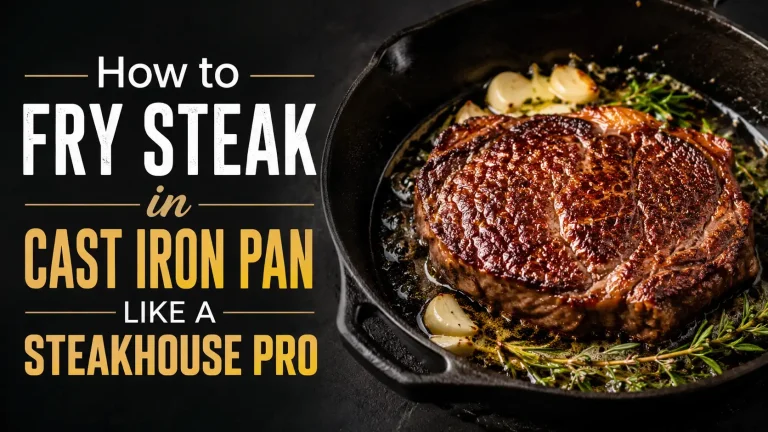
Cast iron cookware has been around for generations because it does one thing very well: it holds heat. That makes it great for searing, baking, frying, and slow cooking. It also gets better with time when properly seasoned and cared for.
From a health point of view, cast iron stands out because it is simple. It does not usually have synthetic nonstick coatings, and it can be a durable choice for people who want fewer chemical surfaces in the kitchen. I have used cast iron for years, and one thing I learned early is that the pan itself is only part of the story. The real question is how the pan interacts with your food, your diet, and your cooking habits.

Is Cast Iron Cookware Healthy?
Cast iron cookware can be a healthy choice for many people because it is sturdy, long lasting, and may increase dietary iron in food. For some households, that extra iron is a benefit, especially when cooking acidic foods like tomato sauce or dishes with moisture and heat.
That said, “healthy” is not automatic. Cast iron can be less ideal if it is rusty, poorly seasoned, or used in ways that cause too much iron transfer. It also has practical limits, such as weight and the need for regular care. In my experience, cast iron is healthiest when treated as a reliable tool, not a magic solution.
How Cast Iron Affects Your Food
Cast iron can influence your food in a few important ways. The most talked about effect is iron leaching, which means small amounts of iron can move from the pan into your meal during cooking. This tends to happen more with moist, acidic, or long-cooked foods.
Here’s what matters most:
- Acidic foods like tomato sauce can absorb more iron.
- Longer cooking times can increase iron transfer.
- Well-seasoned pans may reduce sticking and improve cooking performance.
- Very old or damaged pans may transfer more iron than expected.
For most healthy adults, this added iron is usually not a problem. In fact, it may be helpful for people with low iron intake. But if you already get enough iron, or if you have a condition that causes iron overload, you should be more cautious.
Possible Health Benefits of Cast Iron Cookware
Cast iron has several health-related advantages that make it attractive in everyday cooking.
May add iron to your diet
One of the best-known benefits is iron enrichment. Studies have shown that cooking in cast iron can raise the iron content of food, especially when the food is moist or acidic. This can matter for people who are at risk for iron deficiency, including some children, women of childbearing age, and people who eat limited amounts of meat.
No need for chemical nonstick coatings
Many people prefer cast iron because it does not depend on synthetic nonstick surfaces. That can be reassuring if you want a pan that feels simple and time-tested. A well-seasoned cast iron skillet can also develop a natural nonstick layer from oil and heat.
Strong and long lasting
A quality cast iron pan can last for decades, sometimes longer. That durability can support a healthier kitchen in a roundabout way because it reduces waste and the need to keep replacing cookware. A pan that stays in the family often becomes a practical part of better home cooking.
Encourages home cooking
This is a small but real benefit. Because cast iron is good for skillet meals, roasted vegetables, eggs, meats, and baked dishes, it can make home cooking easier and more enjoyable. And home cooking often means more control over salt, sugar, oil, and portion size.
Possible Downsides and Health Concerns
Cast iron is not perfect for everyone. There are a few concerns worth knowing before you buy one or use it every day.
Too much iron for some people
This is the biggest health concern. People with hemochromatosis, certain liver conditions, or other iron overload disorders may need to avoid extra iron exposure. If that applies to you, talk with a doctor before using cast iron often.
Uneven seasoning can affect cooking
A poorly seasoned pan can stick, rust, or release bits into food. That is not usually dangerous, but it can make the cooking experience frustrating. I once left a pan wet overnight and learned the hard way how fast rust can appear.
Heavy weight can be a problem
Cast iron is heavy. For some people, especially older adults or anyone with wrist or grip issues, that can make daily use harder and less safe. A pan that is difficult to lift is not always a practical healthy choice.
Not ideal for every recipe
Cast iron works well for many dishes, but it is not always the best fit. Very delicate foods can stick if the pan is not ready, and some high-acid dishes may not be ideal for long simmering in cast iron, especially if the seasoning is weak.
Cast Iron vs Other Cookware
People often ask whether cast iron is healthier than other cookware. The honest answer is that it depends on the material and how you cook.
Cast iron vs nonstick
Nonstick pans are easy to use and clean, but the coating can wear over time. Cast iron does not rely on that same coating, which some people see as a plus. On the other hand, nonstick can be easier for low-fat cooking and may be better for people who need lightweight pans.
Cast iron vs stainless steel
Stainless steel is stable, durable, and does not add iron in the same way cast iron can. It is also lighter than cast iron in many cases. If you want a low-maintenance pan with no seasoning, stainless steel is often a strong choice.
Cast iron vs carbon steel
Carbon steel is lighter than cast iron and also develops a seasoned surface. It heats faster and is often easier to handle. Cast iron, though, tends to hold heat better, which helps with deep browning and steady cooking.
Who May Benefit Most From Cast Iron?
Cast iron may be a good fit for:
- People with low iron intake
- Home cooks who want durable cookware
- Anyone who likes high-heat cooking
- Families that cook often and want a long-term pan
- People who prefer fewer coated surfaces in the kitchen
It may be less ideal for:
- People with iron overload conditions
- Cooks who want very lightweight cookware
- Anyone who dislikes seasoning and maintenance
- People who mainly cook delicate, low-fat foods
How to Use Cast Iron in a Healthy Way
Using cast iron well is mostly about simple habits. When done right, it can be a very healthy and useful kitchen tool.
Season the pan properly
Seasoning creates a protective layer that helps reduce sticking and rust. It also improves the surface over time. A pan that is well seasoned is usually easier to cook with and easier to clean.
Avoid storing food in the pan for long periods
Cast iron is not the best container for leftovers, especially acidic ones. Tomato-based sauces and vinegar-heavy foods can affect the pan if left too long. I always move leftovers into a glass or steel container after cooking.
Dry it fully after washing
Moisture is the enemy of cast iron. Wash it, dry it right away, and warm it briefly on the stove if needed. That one habit can save the pan and keep it in good shape for years.
Use the right amount of oil
You do not need a lot of oil, but a small amount helps build a good cooking surface. Over time, this supports a smoother, more reliable pan. A light coat is usually enough.
Cook a balanced diet, not just one-pan meals
Cast iron can support healthy cooking, but the pan is only one piece of the puzzle. The real health value comes from what you cook in it. Vegetables, lean proteins, beans, and whole grains all benefit from a well-kept skillet.

What the Research Says
Research has shown that cast iron cookware can increase the iron content of food, especially when cooking acidic or moist items. That finding has been repeated often enough to be considered well established. At the same time, experts also note that the amount of iron transferred varies based on the food, cooking time, pan condition, and seasoning.
Health organizations generally do not warn healthy people against cast iron use. Instead, the caution is mostly for people who already have high iron levels or certain medical conditions. That is a good reminder that cookware should fit the person, not the other way around.
My Real-World Take on Cast Iron
From my own use, cast iron is one of those tools that rewards patience. The first few times can feel a little annoying, especially if the pan is sticky or too hot. But once you understand the rhythm, it becomes easy and dependable.
The biggest mistake I made was treating cast iron like a disposable pan. It is more like a trusted work boot than a sneaker. If you care for it, it keeps working. If you ignore it, it gets rusty and stubborn fast.
Frequently Asked Questions
Is cast iron cookware healthy for everyday use?
Yes, for most healthy people, cast iron cookware is fine for everyday use. It can even add small amounts of iron to food, which may be helpful in some diets.
Can cast iron cookware give you too much iron?
It can for people who already have iron overload or certain medical conditions. For most people, though, the amount of iron transferred from cooking is usually not excessive.
Is cast iron better than nonstick cookware?
It depends on your needs. Cast iron is durable and may be healthier for some people because it does not rely on a coating, while nonstick is lighter and easier for quick cleanup.
Does cast iron rust make food unsafe?
Rust on a pan is not ideal, but light surface rust is usually a maintenance issue rather than a major health danger. It should be cleaned off, reseasoned, and prevented from returning.
Is enamel cast iron healthier than plain cast iron?
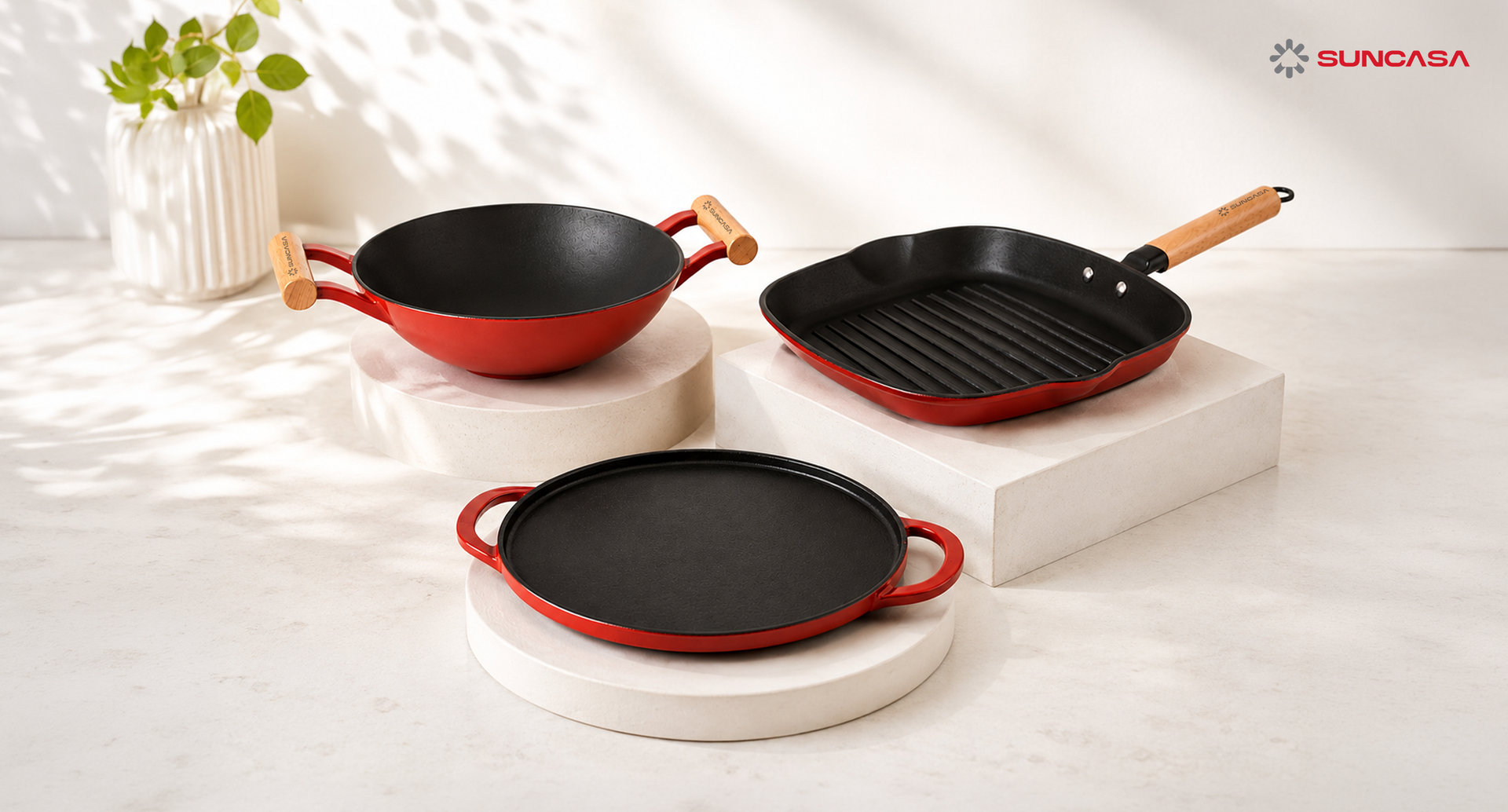
Enamel cast iron does not season the same way and usually adds less iron to food. It can be a great option if you want cast iron performance with less maintenance and less iron transfer.
Conclusion
Cast iron cookware can be a healthy, practical choice when you use it the right way. It may add beneficial iron, lasts a long time, and supports home cooking with strong heat and solid performance. But it is not the best fit for everyone, especially people with iron overload concerns or those who want lightweight, low-maintenance cookware.
The best approach is simple: choose the pan that matches your health needs, your cooking style, and your daily routine. If cast iron fits your kitchen, treat it well and it can serve you for years. If this guide helped, keep learning, try a few healthy recipes in cast iron, and share your own experience in the comments.