How To Use Enamel Cast Iron Cookware: Easy Guide

Enamel cast iron cookware is easy to use when you heat it gently, cook low to medium, and clean it carefully.
If you want cookware that feels sturdy, looks beautiful, and cooks evenly, enamel cast iron is hard to beat. I’ve used it for everything from simmered sauces to slow-braised meats, and the big lesson is simple: treat it with care, and it will reward you for years. This guide on how to use enamel cast iron cookware will walk you through the basics, the best cooking methods, common mistakes, and practical tips so you can use it with confidence.

What Is Enamel Cast Iron Cookware?
Enamel cast iron cookware is cast iron coated with a smooth glass-like enamel finish. That coating helps protect the metal from rust and makes the surface easier to clean than bare cast iron.
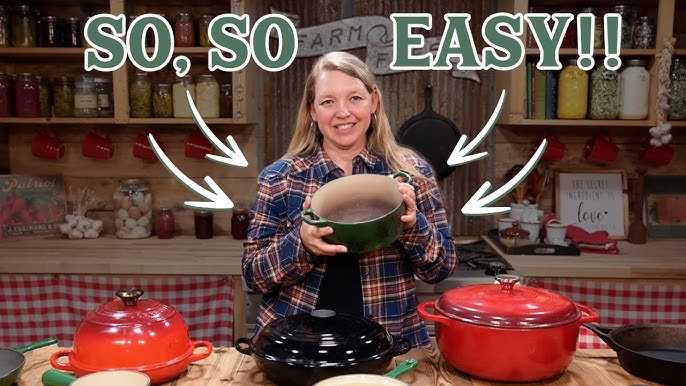
You’ll often see it in Dutch ovens, braisers, skillets, and stockpots. Brands like Le Creuset, Staub, and Lodge have made it popular because it blends durability with great heat retention. In simple terms, it gives you the heavy-duty power of cast iron without the same seasoning routine.
The enamel layer also changes how you use it. You do not need to season it like traditional cast iron, but you do need to avoid harsh heat and rough handling. That balance is what makes learning how to use enamel cast iron cookware so important.
Why People Love Enamel Cast Iron Cookware
One reason this cookware is so popular is that it works well for many cooking styles. It can simmer soups, roast chicken, bake bread, and braise short ribs with steady heat.
Here are the biggest benefits:
- Even heat distribution: It spreads heat slowly and evenly, which helps reduce hot spots.
- Great heat retention: Once hot, it stays hot, which is useful for searing and slow cooking.
- Easy cleanup: The enamel surface is smoother than bare cast iron.
- No seasoning required: You do not need to build up an oil layer like you do with traditional cast iron.
- Attractive design: Many people use it straight from stove to table.
I still remember the first time I made a tomato sauce in an enamel Dutch oven. The flavor stayed deep, the pot looked good on the table, and cleanup took minutes. That was the moment I understood why so many home cooks keep reaching for it.
How to Use Enamel Cast Iron Cookware on the Stove
Using enamel cast iron on the stove is simple, but it works best when you stay patient. The most common mistake I see is turning the burner too high too fast.
Follow these steps:
- Place the cookware on a burner that matches the base size.
- Start with low to medium heat.
- Let the pot or pan warm up gradually for a few minutes.
- Add oil, butter, or food once the surface is warm.
- Adjust heat slowly as needed.
A good rule is to avoid blasting it with high heat right away. Enamel cast iron holds heat so well that a medium flame is often enough. If you rush it, you may end up with scorching on the bottom or stress on the enamel.
This is one of the key points in how to use enamel cast iron cookware well. Think slow and steady, not fast and fierce.
How to Use Enamel Cast Iron Cookware in the Oven
Most enamel cast iron cookware is oven-safe, which is one of its best features. It is excellent for recipes that start on the stove and finish in the oven.
Use it for:
- Braises and stews
- Roasted chicken
- Baked pasta
- Artisan bread
- Slow-cooked beans
Before putting it in the oven, check the manufacturer’s temperature limit. Many pieces handle high oven heat, but not all lids, knobs, or handles are rated the same way. Some lids have metal knobs, while others have heat limits you need to watch.
A helpful habit is to use oven mitts on both hands, even if the pot feels easy to lift. Enamel cast iron gets very hot and stays hot for a long time. I learned that the hard way once when I grabbed a lid too casually and regretted it immediately.
Best Foods to Cook in Enamel Cast Iron Cookware
This cookware shines with moist heat, slow heat, and one-pot meals. It is especially good for dishes that benefit from steady temperature control.
Great choices include:
- Soups and stews
- Chili
- Pasta sauce
- Braised meats
- Risotto
- Roast vegetables
- Casseroles
- Bread doughs that need a covered bake
It also works well for searing, but only if you preheat it gently and use enough oil. For delicate foods like eggs or fish, a well-heated and lightly oiled enamel pan can do the job, but it is not always as naturally nonstick as seasoned cast iron or nonstick cookware.
For sticky foods, I usually lower the heat a bit and give the food time to release on its own. That patience makes a bigger difference than people expect.
What Not to Do with Enamel Cast Iron Cookware
This is where many people get tripped up. Enamel cast iron is strong, but it is not indestructible.
Avoid these mistakes:
- Do not heat an empty pot on high heat for a long time
- Do not use metal utensils if the enamel is prone to scratching
- Do not shock it with cold water while it is very hot
- Do not use steel wool or harsh abrasives
- Do not store food in it for long periods if the enamel is chipped
- Do not stack heavy pans on top of it without protection
The biggest warning is thermal shock. If you move a very hot pot into cold water, the enamel can crack. That can shorten the life of the cookware fast. I always let mine cool before washing, and that small habit has saved me from trouble more than once.
How to Clean Enamel Cast Iron Cookware
Cleaning is one of the easiest parts once you know the rhythm. Most of the time, warm water, mild soap, and a soft sponge are enough.
Here is a simple cleaning method:
- Let the cookware cool first.
- Wash with warm water and mild dish soap.
- Use a non-abrasive sponge or soft brush.
- Soak stuck-on bits for a few minutes if needed.
- Dry completely with a towel.
For stubborn residue, you can simmer water in the pot for a few minutes and then scrape gently with a wooden spoon or silicone tool. A paste made from baking soda and water can help with stains, but use it lightly.
One thing I love about enamel cast iron cookware is that it does not demand a long cleanup ritual. Compared with bare cast iron, it feels a little more forgiving, especially on busy weeknights.
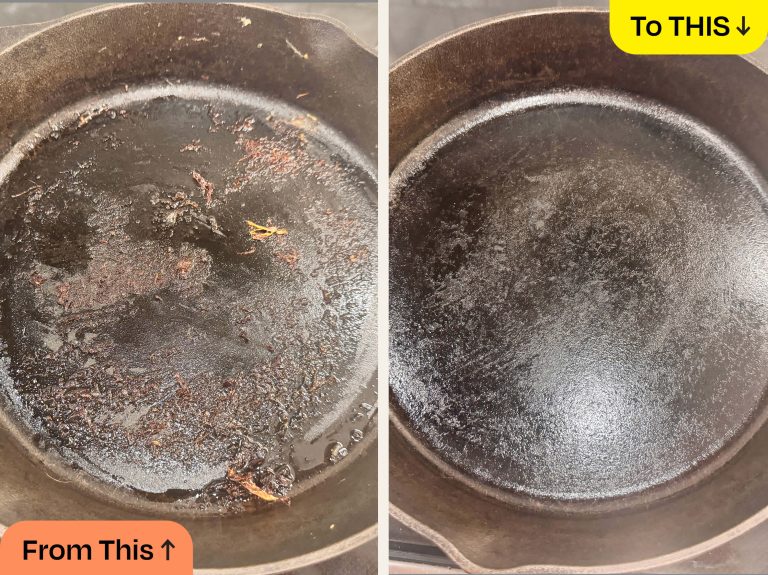
How to Remove Stains and Burnt Food
Even careful cooks deal with stains now and then. Tomato sauce, curry, and caramelized drips can leave marks on the enamel surface.
Try these methods:
- Baking soda paste: Apply gently, let sit, then rinse.
- Boiling water: Simmer water in the pot to loosen stuck food.
- Vinegar and water: Use a diluted mix for mineral buildup, but do not overdo it.
- Gentle scrubber: Use only non-scratch tools.
If the stain is just discoloration, it may be cosmetic. Many enamel pots darken a little over time, especially on the inside. That does not always mean the cookware is damaged. What matters most is whether the surface remains smooth and intact.
How to Prevent Chipping and Cracking
A chipped enamel surface is the main thing people worry about, and for good reason. Once the coating is damaged, the pot may still work, but it is no longer in its best condition.
To protect it:
- Preheat slowly
- Avoid banging it against sinks, counters, or other pans
- Use wooden, silicone, or nylon tools when possible
- Store it with pan protectors or soft cloths between pieces
- Lift, do not drag, across glass cooktops
From experience, the easiest way to extend the life of enamel cast iron cookware is to treat it like a trusted tool, not a rugged camp pot. It is strong, but it likes gentle handling.
How to Season or Care for Enamel Cast Iron Cookware
This cookware does not need seasoning like raw cast iron. Still, it does need care to stay in good shape.
Keep it in good condition by:
- Drying it fully after washing
- Wiping the rim and exterior if moisture remains
- Storing it in a dry place
- Using a tiny bit of oil only if the manufacturer suggests it for certain surfaces
If food starts sticking more than usual, check whether the pot is overheating or whether residue has built up. Sometimes the issue is not the cookware itself but the cooking method. Lowering the heat and adding a little fat often solves the problem.
Can You Use Enamel Cast Iron Cookware on Induction, Gas, and Electric Stoves?
Yes, in most cases, enamel cast iron cookware works on all three. Because it has a cast iron base, it is usually induction-compatible.
Here is what to know:
- Gas stoves: Very compatible, but keep flames under the base.
- Electric stoves: Works well, though heating may be slower.
- Induction cooktops: Usually excellent, as long as the base is flat and induction-ready.
- Glass cooktops: Works well, but avoid sliding the pot to prevent scratches.
If you use induction, the cookware often heats quickly and evenly. That is great for soups and sauces, but it also means you should keep an eye on the heat setting. A strong burner can make the pot hot faster than you expect.
Common Mistakes When Learning How to Use Enamel Cast Iron Cookware
A lot of problems come from small habits, not bad cookware. Once you know the usual mistakes, it gets much easier to avoid them.
Common issues include:
- Heating too fast
- Using too much heat for too long
- Dropping cold ingredients into an extremely hot pan
- Scraping with metal tools
- Washing before the pot cools
- Ignoring small chips or cracks
I think of enamel cast iron like a good camera lens. It gives excellent results, but only if you handle it with care. Once you settle into the right rhythm, it becomes one of the most satisfying pieces in the kitchen.
Tips for Buying the Right Enamel Cast Iron Cookware
If you are shopping for your first piece, keep it simple. The best choice depends on how you cook and how much you want to lift.
Look for:
- A size you can handle comfortably
- Tight-fitting lids
- Smooth enamel with no visible flaws
- Oven-safe knobs and handles
- A shape that matches your most common recipes
A 5 to 7 quart Dutch oven is a popular starting point for many home cooks. It is big enough for soups and braises, but not so heavy that it becomes awkward to move.
Price matters too, but the most expensive option is not always the best for your needs. A reliable, mid-range piece can serve you very well if you take care of it.
FAQ About How to Use Enamel Cast Iron Cookware
Can you use enamel cast iron cookware on high heat?
You can, but it is usually not the best choice. Enamel cast iron performs better with low to medium heat because it holds heat so well. High heat can lead to scorching or stress on the enamel surface.
Do you need to season enamel cast iron cookware?
No, traditional seasoning is not required. The enamel coating protects the surface, so you can use it without building up layers of oil. Still, keeping it clean and dry helps it last longer.
Is enamel cast iron cookware dishwasher-safe?
Some pieces may be labeled dishwasher-safe, but hand washing is usually safer. Harsh detergent and repeated dishwasher cycles can dull the finish over time. If you want the cookware to look good for years, hand washing is the better choice.
Why does food stick to enamel cast iron cookware?
Food often sticks when the pan is too hot, too cold, or not greased enough. Preheating gently and using enough oil usually helps a lot. Sticky bits can also happen if the pot has residue build-up from previous cooking.
Can you use metal utensils with enamel cast iron cookware?
You can, but it is not ideal if you want to protect the enamel. Wooden, silicone, or nylon utensils are safer and gentler on the surface. Metal tools may scratch or wear the coating over time.
How long does enamel cast iron cookware last?
With good care, it can last for many years, even decades. The key is avoiding chips, sudden temperature changes, and rough cleaning. I have seen well-kept pieces stay useful for a very long time.
Conclusion
Learning how to use enamel cast iron cookware is really about mastering a few simple habits: heat it slowly, cook with patience, clean it gently, and store it with care. Once you do that, it becomes one of the most useful tools in the kitchen, whether you are making weeknight soup or a slow Sunday braise.
If you have been hesitant to use yours, start with a simple recipe and pay attention to how the pot responds. The more you cook with it, the more natural it feels. Try these tips in your own kitchen, and if you found this guide helpful, explore more practical cookware advice or leave a comment with your favorite enamel cast iron recipe.