How To Use Cast Iron Cookware: Easy Care Tips

Cast iron cookware is easy to use once you season it, cook with it, clean it well, and dry it fully.
If you have ever wondered how to use cast iron cookware without ruining it, you are in the right place. I have used cast iron for years, and the truth is simple: it rewards patience and basic care with great heat, long life, and better flavor. Once you learn the rhythm, cast iron becomes less of a kitchen tool and more like a trusted old friend.
What Cast Iron Cookware Is and Why People Love It
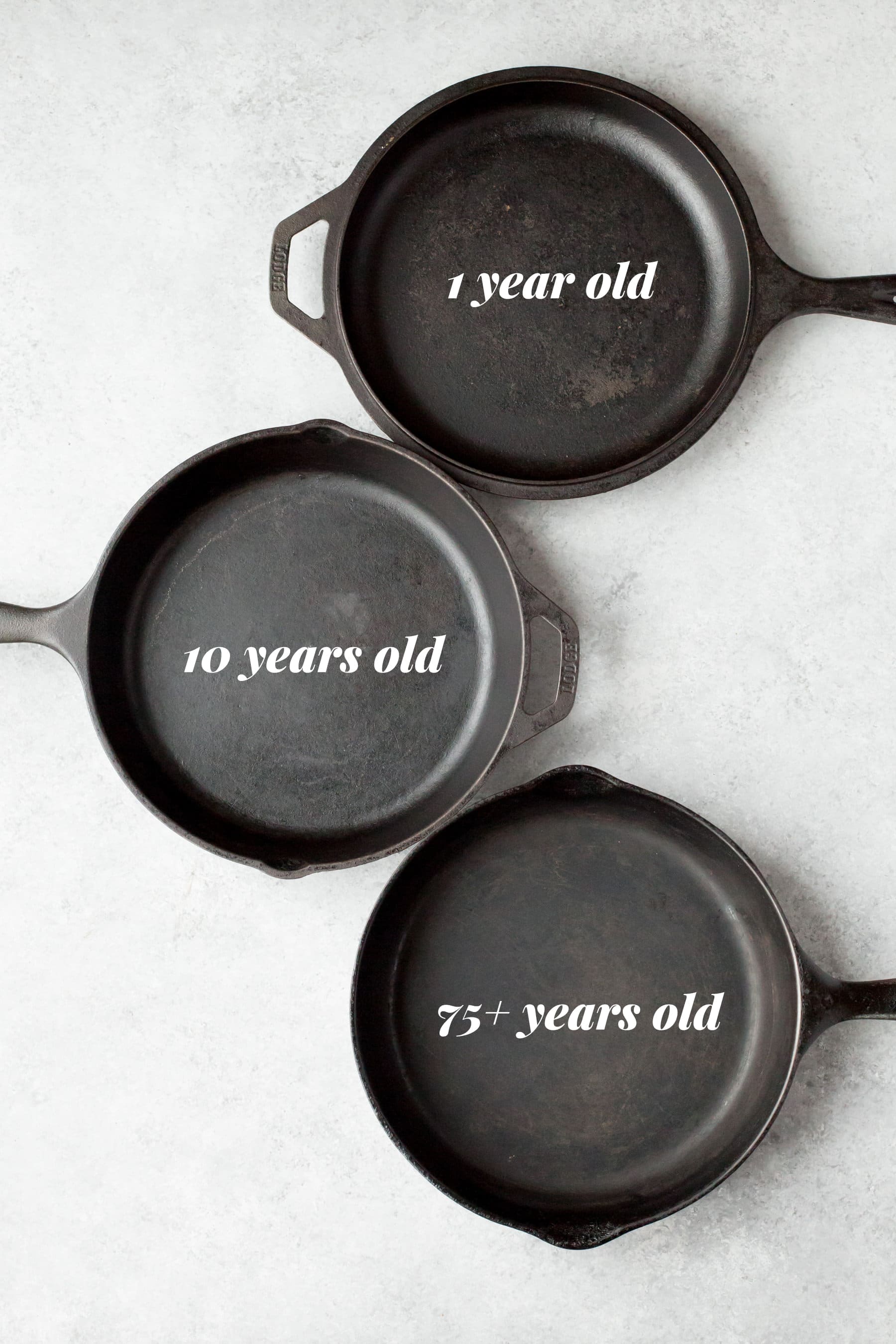
Cast iron cookware is made from thick iron and holds heat very well. That makes it great for searing meat, baking cornbread, frying eggs, and slow cooking dishes that need even heat. It is also known for lasting decades, and in many homes, it gets passed down like a family keepsake.
One reason people search for how to use cast iron cookware is that it feels different from nonstick pans. It needs a little care, but that care pays off. The more you use it the right way, the more natural its nonstick surface becomes.
Cast iron is popular for a few clear reasons:
- It heats evenly and stays hot
- It works on the stove, in the oven, on the grill, and over a campfire
- It can last a lifetime with proper care
- It develops a seasoned surface that improves with use
- It is free of synthetic nonstick coatings
I still remember the first skillet I used that had been in a family for years. It looked rough, but it cooked steak better than some newer pans I had tried. That was the moment I understood that cast iron is not about looking fancy. It is about performance.
:max_bytes(150000):strip_icc()/__opt__aboutcom__coeus__resources__content_migration__serious_eats__seriouseats.com__images__2014__11__20141106-cast-iron-myth-1-8ff1d69b5ead4305adf927d7bb705246.jpg)
How to Season Cast Iron Cookware
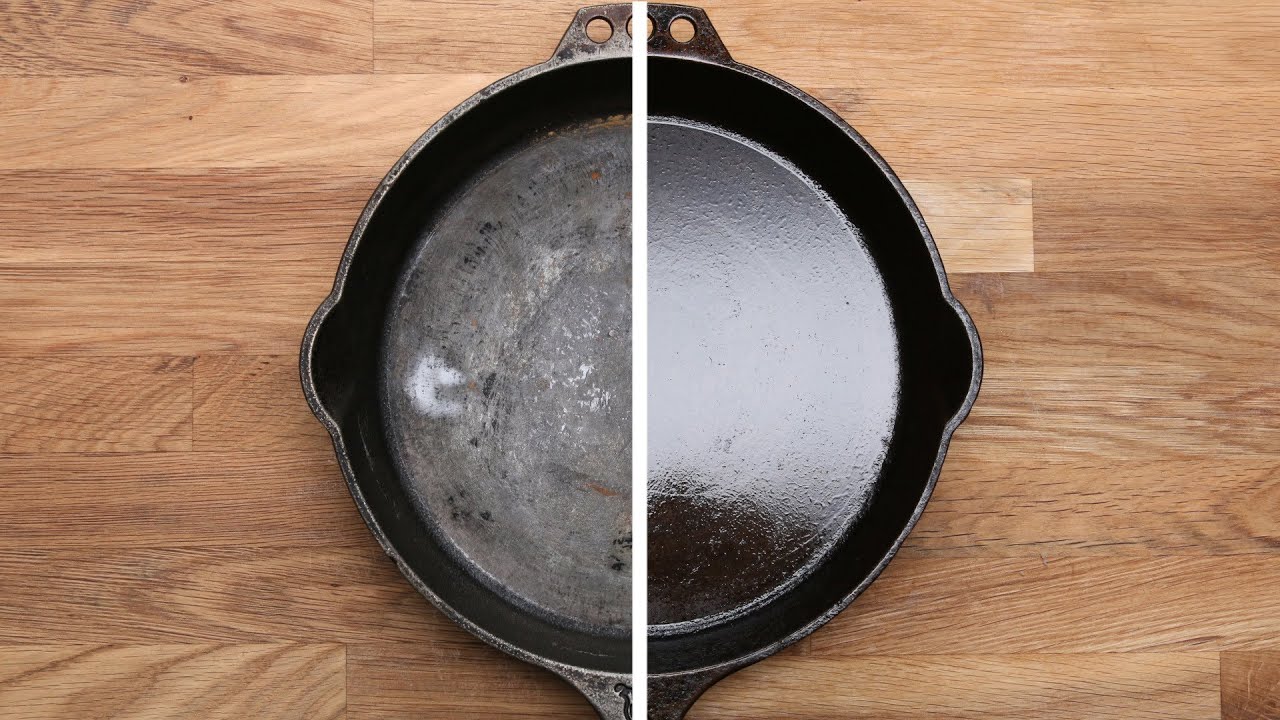
Seasoning is one of the most important parts of how to use cast iron cookware. It means building a thin layer of oil on the surface and heating it so the oil bonds to the pan. This creates a protective coating that helps prevent rust and improves the cooking surface.
If your pan is new, it may come pre-seasoned. Even then, adding your own seasoning helps make it stronger over time. If the pan looks dull or sticky, it may need another thin coat of seasoning.
Here is a simple way to season cast iron cookware:
- Wash the pan with warm water and mild soap if needed, then dry it fully.
- Rub a very thin layer of oil on the inside, outside, and handle.
- Wipe off extra oil until the pan looks almost dry.
- Place it upside down in an oven at 450 to 500 degrees Fahrenheit.
- Bake it for one hour, then let it cool inside the oven.
Good oils for seasoning include:
- Flaxseed oil
- Canola oil
- Vegetable oil
- Grapeseed oil
A mistake I made early on was using too much oil. That left the pan sticky instead of smooth. Less is better here. Think of seasoning like painting with a whisper, not a brush full of paint.
How to Preheat Cast Iron Cookware
Preheating is a key step in how to use cast iron cookware well. Cast iron holds heat, but it also needs time to warm up. If you rush it, food may stick or cook unevenly.
Start with low to medium heat and let the pan warm slowly for several minutes. For oven use, let the cookware heat with the oven so it comes up to temperature at the same pace. This helps avoid thermal shock and protects the pan.
A few useful preheating tips:
- Heat the pan slowly, not on high right away
- Test heat by sprinkling a drop of water on the surface
- Add oil after preheating if your recipe needs it
- Let the pan fully warm before placing food inside
In my experience, this step matters most when cooking eggs, fish, or pancakes. A well-heated pan behaves like a calm stage. A cold pan acts like a crowd that is not ready yet.
How to Cook with Cast Iron Cookware
Once the pan is seasoned and preheated, cooking with cast iron becomes easy. The surface works best when you use enough heat, a little fat, and the right timing. You do not need special recipes, just a few smart habits.
Cast iron is excellent for:
- Searing steaks and chops
- Frying chicken
- Cooking bacon
- Making skillet cornbread
- Roasting vegetables
- Baking pizza
- Cooking one-pan meals
For best results, follow these cooking tips:
- Use a small amount of oil or butter
- Avoid moving food too soon
- Let meat form a crust before flipping
- Use wooden, silicone, or metal tools carefully
- Do not overcrowd the pan
When I cook chicken thighs in cast iron, I always let the skin brown before I touch them. If you try to move them too early, they stick. If you wait, they release on their own. That patience is one of the biggest lessons in how to use cast iron cookware.
Foods That Work Best in Cast Iron
Some foods shine in cast iron more than others. The cookware’s strength is heat retention, so it does well with recipes that need strong, steady heat.
Great foods for cast iron include:
- Steak
- Bacon
- Fried chicken
- Cornbread
- Skillet cookies
- Roasted potatoes
- Hamburgers
- Frittatas
- Dutch baby pancakes
Foods that can be trickier:
- Very acidic sauces cooked for long periods
- Delicate fish if the pan is not well seasoned
- Sticky eggs in an under-seasoned skillet
Tomato sauce, lemon-heavy dishes, and vinegar-based meals can wear on seasoning if left too long. That does not mean you can never cook them. It just means balance matters. Short cooking times are usually fine.
How to Clean Cast Iron Cookware
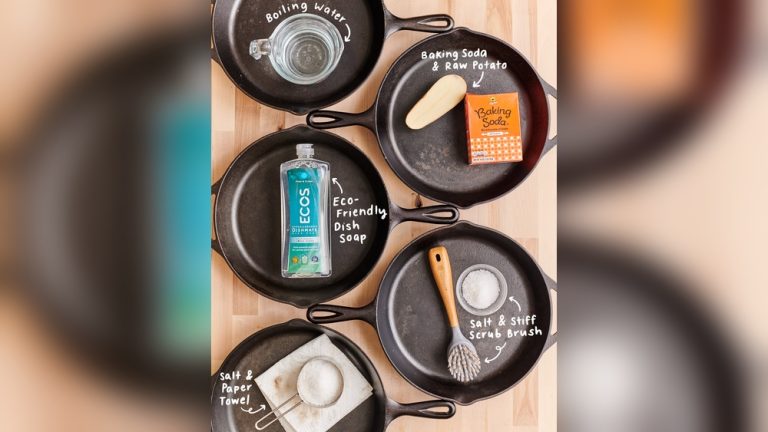
Cleaning is where many people get nervous, but it is simpler than most think. You do not need to baby cast iron, but you do need to clean it the right way. The goal is to remove food while protecting the seasoning.
Here is a safe cleaning method:
- Let the pan cool a bit, but do not soak it in cold water while hot.
- Wash it with warm water and a soft sponge or brush.
- Use a little mild soap if needed.
- Scrub off stuck bits with a pan scraper or coarse salt.
- Dry it right away with a towel.
- Place it on low heat for a minute or two to remove hidden moisture.
- Rub on a light coat of oil before storing.
Useful cleaning tools:
- Soft sponge
- Pan scraper
- Chainmail scrubber
- Coarse salt
- Paper towel or clean cloth
One of the biggest myths I ran into was that soap ruins cast iron. That is outdated advice. A small amount of mild soap is fine for most modern seasoned pans. The real enemy is sitting water, not soap.
:max_bytes(150000):strip_icc()/GettyImages-614986450-2000-f7ac499e535845c2903ff48843e0b142.jpg)
How to Store Cast Iron Cookware
Good storage is part of how to use cast iron cookware for the long term. The pan must stay dry so rust does not form. It also helps to keep the cooking surface lightly oiled.
Store cast iron this way:
- Make sure it is fully dry
- Add a thin layer of oil after cleaning
- Place a paper towel inside the pan to absorb moisture
- Store it in a dry cabinet or open rack
- Avoid stacking heavy cookware directly on top without protection
If you live in a humid area, check the pan now and then. I have seen a perfectly good skillet get tiny rust spots just because it sat in a damp cabinet. A quick wipe and re-oil usually fix the problem before it gets worse.
How to Maintain and Restore Cast Iron Cookware
Maintenance is simple if you stay consistent. Most cast iron problems come from neglect, not from normal use. Small habits keep the pan in great shape.
To maintain cast iron cookware:
- Clean it soon after use
- Dry it completely every time
- Re-oil it lightly after washing
- Avoid long soaks in water
- Re-season if the surface starts looking dull or rough
If rust appears, do not panic. Scrub the rust off with steel wool or a stiff brush, wash and dry the pan, then season it again. This is one reason cast iron is so dependable. It can often be restored instead of replaced.
I like to think of cast iron like leather boots. It does not need perfection. It needs care, and care goes a long way.
Common Mistakes to Avoid
A lot of beginner trouble with how to use cast iron cookware comes from a few avoidable mistakes. These are easy to fix once you know them.
Common mistakes include:
- Using too much oil during seasoning
- Not drying the pan fully
- Cooking on heat that is too high
- Adding food before the pan is hot
- Soaking the pan in water
- Scrubbing too hard on a new seasoning layer
- Storing it while damp
Another mistake is expecting cast iron to act exactly like nonstick cookware on day one. It usually takes time to build a smooth surface. The good news is that every meal helps improve it a little more.
Benefits and Limitations of Cast Iron Cookware
Cast iron has clear strengths, but it is not perfect for every situation. Knowing both sides helps you use it with confidence.
Benefits include:
- Excellent heat retention
- Natural nonstick potential when seasoned well
- Long lifespan
- Oven-safe and versatile
- Good value over time
Limitations include:
- Heavy weight
- Needs seasoning and care
- Slower to heat up than thin pans
- Can react to acidic foods during long cooking times
In my kitchen, cast iron is the pan I reach for when I want deep browning and reliable heat. For quick jobs, lighter pans may be easier. The best cookware is the one that fits the task.
Expert Tips for Better Results
If you want to get better at how to use cast iron cookware, a few small habits make a big difference. These are the kinds of things home cooks learn after a lot of trial and error.
Helpful expert-style tips:
- Preheat slowly for better browning
- Use enough fat for eggs and lean foods
- Let food release naturally before flipping
- Season the pan whenever the surface starts to fade
- Use the oven for even cooking when needed
- Avoid sudden temperature changes
Food science supports much of this. Cast iron’s thermal mass helps it hold heat, which is why it performs well for searing and baking. That same property also means patience matters more than speed.
Frequently Asked Questions of How to Use Cast Iron Cookware
How do you start using cast iron cookware for the first time?
Wash it if needed, dry it fully, and add a light coat of oil before cooking. Then preheat it slowly and start with simple foods like vegetables or bacon.
Can you use soap on cast iron cookware?
Yes, a small amount of mild soap is fine for most seasoned cast iron pans. Just dry the pan fully afterward and apply a thin layer of oil if needed.
Why does food stick to my cast iron skillet?
Food often sticks when the pan is not hot enough, not seasoned well enough, or when the food is moved too soon. Preheating and using enough oil usually solves most sticking problems.
How often should you season cast iron cookware?
You do not need to season it after every use if the pan is in good shape. Re-season when the surface looks dull, food starts sticking, or rust appears.
Can cast iron cookware go in the oven?
Yes, most cast iron cookware is oven-safe and often works very well there. Just make sure the handle and any added parts can handle high heat.
Is cast iron cookware good for everyday cooking?
Yes, it can be used every day if you care for it properly. It is especially good for meals that benefit from even heat, like seared meats, skillet meals, and baked dishes.
Conclusion
Learning how to use cast iron cookware is really about building a few simple habits. Season it well, preheat it with patience, clean it gently, and keep it dry. Once those steps become routine, cast iron turns into one of the most reliable tools in the kitchen.
What makes it special is not just the cooking power, but the way it improves with time and use. If you start small and stay consistent, you will get better results with every meal. Try one new cast iron recipe this week, and if you found this guide helpful, explore more kitchen tips or leave a comment with your own cast iron experience.