How To Season Cast Iron Enamel Cookware: Easy Guide

Seasoning cast iron enamel cookware is usually unnecessary; use gentle cleaning and light oil care instead.
If you’ve ever wondered whether your enameled Dutch oven or skillet needs the same treatment as bare cast iron, you’re not alone. I’ve worked with both types in real kitchens, and the answer depends on the surface: enamel is already sealed, so the goal is not to build a classic cast iron seasoning layer. What matters most is learning how to protect the enamel, improve food release, and keep your cast iron enamel cookware looking and cooking its best.
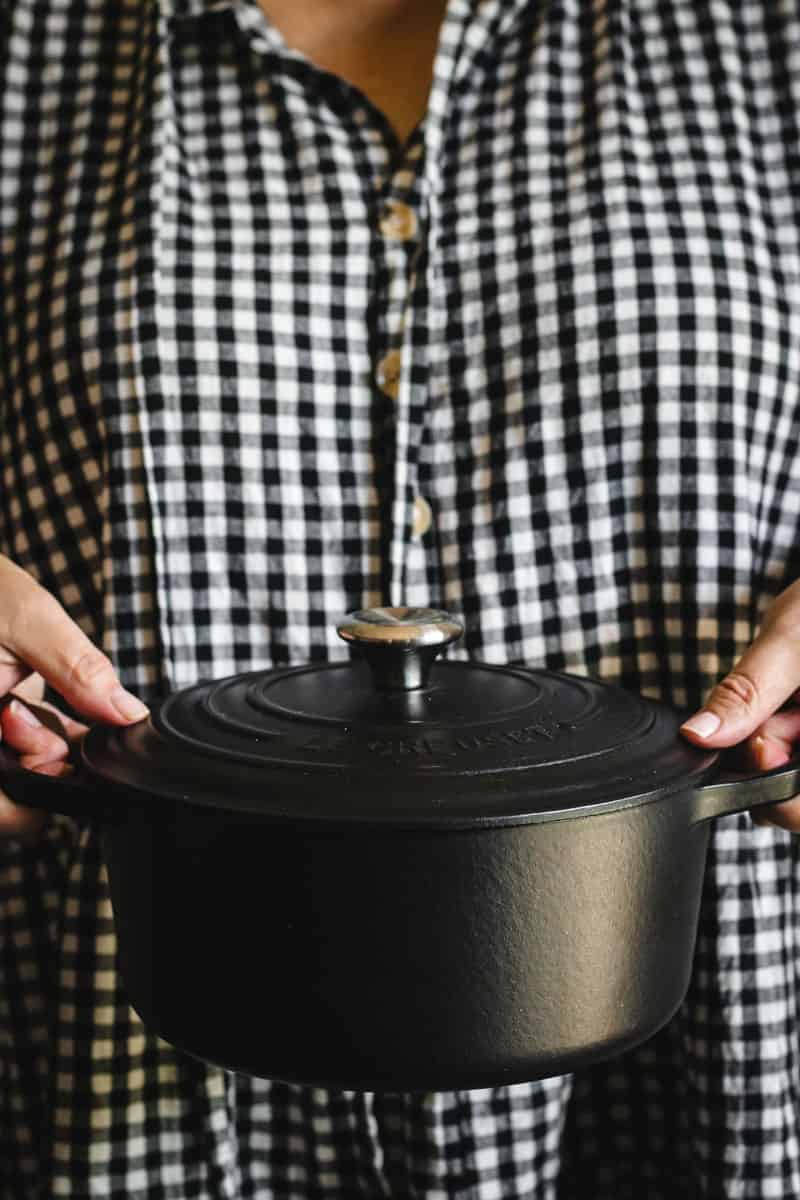
What Cast Iron Enamel Cookware Actually Is
Cast iron enamel cookware is made from cast iron coated with a glass-like enamel finish. That enamel layer creates a smooth, nonreactive surface, which is why it does not need the same seasoning process as raw cast iron. You can use it for braising, baking, simmering, and searing with great results.
This is where many people get confused. Bare cast iron benefits from polymerized oil that builds a natural nonstick layer over time. Enamel, on the other hand, is already coated, so seasoning it is more about maintenance and protection than building a true seasoning layer.
From experience, I’ve found that people often over-oil enameled pans because they treat them like black cast iron. That can leave sticky residue, dull spots, or smoke in the kitchen. Once you understand the difference, caring for cast iron enamel cookware becomes much easier.
Do You Really Need to Season Cast Iron Enamel Cookware?
In most cases, no. You do not season cast iron enamel cookware the way you season raw cast iron. The enamel coating does not absorb oil in the same way, and it does not need a polymer layer to stay usable.
That said, a light oil treatment can help in some situations. It can improve surface feel, reduce sticking, and add a little extra protection during storage or after deep cleaning. I usually think of it as a light care step, not true seasoning.
Here are the main reasons people ask about seasoning:
- Food sticks to the surface more than expected
- The cookware looks dry or dull after washing
- They want to protect the rim or exposed cast iron areas
- They heard seasoning helps every cast iron pan
The key is knowing when to use oil and when to leave the surface alone. Less is usually more with enamel.

How to Season Cast Iron Enamel Cookware the Right Way
If you want to lightly “season” cast iron enamel cookware, the process is simple and careful. This is not the same as oven-seasoning raw iron. Instead, it is a light oil finish that helps maintain the surface.
Follow these steps:
-
Wash the cookware gently
Use warm water, mild dish soap, and a soft sponge. Dry it completely with a clean towel. -
Warm it slightly
Place it on low heat for a minute or two, or let it sit in a warm oven. The goal is to remove any hidden moisture. -
Apply a tiny amount of oil
Use a neutral oil like canola, grapeseed, or avocado oil. Put a few drops on a paper towel and spread a very thin layer. -
Buff off the excess
The surface should look almost dry. If it looks greasy, there is too much oil. -
Heat briefly
Warm the cookware on low heat for a few minutes, or place it in a low oven if the manufacturer allows it. This helps the oil settle into a thin protective film. -
Cool and store
Let it cool fully before storing. Keep the lid slightly open if possible to avoid trapped moisture.
I learned the hard way that a thick oil coat on enamel can turn tacky fast. The best results come from a whisper-thin layer, not a heavy gloss.
When Light Oiling Helps Most
A light oil treatment can be useful in a few situations. It is especially helpful if your cast iron enamel cookware has been scrubbed well and now feels a bit dry. It can also help after cooking acidic foods, which may leave the surface looking less polished.
Good times to apply a light coat include:
- After a deep clean
- Before long-term storage
- After cooking sticky foods like eggs or cheese
- On exposed cast iron edges or chips, if safe and approved by the maker
This step is practical, but it is not mandatory after every wash. In fact, many enameled pieces do better with simple drying and careful use.
What Not to Do With Cast Iron Enamel Cookware
A lot of damage happens when people treat enamel like bare iron. The coating is strong, but it is not the same thing as a raw iron surface. Harsh methods can shorten its life.
Avoid these mistakes:
- Using steel wool or aggressive scouring pads
- Heating an empty pan on high heat for too long
- Applying too much oil and leaving it sticky
- Using aerosol cooking sprays that leave residue
- Shock cooling a hot pan with cold water
One of the most common issues I’ve seen is sticky buildup from repeated oiling without proper buffing. It looks harmless at first, but it can attract dust and make the pan feel gummy. If that happens, wash gently with warm soapy water and start over with a much thinner oil layer.
Best Oils for Cast Iron Enamel Cookware
If you do choose to apply oil, use a neutral oil with a high smoke point. You want something that wipes on cleanly and does not leave a strong smell or sticky film.
Good options include:
- Canola oil
- Grapeseed oil
- Avocado oil
- Sunflower oil
Avoid heavy, strongly flavored oils if you only want a maintenance coat. Olive oil can work in some cases, but it may leave a residue if used too thickly. In my kitchen, I usually reach for grapeseed oil because it spreads well and stays light.
How to Clean Before and After Seasoning
Clean cookware is the foundation of good care. If you skip this step, oil can trap food bits and create a messy finish. A clean, dry surface always gives better results.
Use this routine:
- Wash with warm water and mild soap
- Use a soft sponge or nylon brush
- Remove stuck-on food with soaking, not scraping
- Dry right away with a towel
- Warm briefly to remove hidden moisture
After applying oil, wipe once more with a clean towel if the surface still looks shiny. The goal is a smooth, even finish, not visible grease. That small step makes a big difference.

Common Problems and How to Fix Them
Even well-made cast iron enamel cookware can develop a few issues. Most are easy to solve if you catch them early. The good news is that enamel problems are usually about care habits, not failure.
Sticky residue
Sticky residue usually means too much oil was used. Wash the pan with warm soapy water, dry it well, and reapply a much thinner coat if needed. The surface should feel smooth, not slick.
Dull appearance
A dull look can happen after repeated washing or acidic cooking. A light oil wipe can restore some sheen, but do not expect enamel to look like raw cast iron. The finish is meant to be functional first.
Food sticking
Food sticking is often a heat issue, not a seasoning issue. Preheat the cookware gently, use a little oil during cooking, and avoid sudden high heat. Enameled cast iron holds heat well, so moderate heat is usually enough.
Rust on exposed edges
If there is chipped enamel or exposed cast iron on the rim, that area needs extra care. Dry it completely and follow the manufacturer’s guidance. Small chips can sometimes be managed, but severe damage may need replacement.
Benefits of Proper Care for Cast Iron Enamel Cookware
When you care for cast iron enamel cookware the right way, it lasts longer and performs better. The surface stays cleaner, food release improves, and the pan keeps its shine. That means fewer headaches in the kitchen and better results on the plate.
Main benefits include:
- Easier cleanup
- Better cooking performance
- Less sticking
- Longer life for the enamel finish
- Reduced chance of rust on exposed areas
I’ve noticed that cookware treated with gentle care feels better to use every day. It is like keeping a good tool sharp and clean. You don’t need to fuss over it, but a little attention pays off.
What Experts and Manufacturers Generally Recommend
Most cookware makers advise against true seasoning of enameled cast iron. Their guidance usually focuses on low to medium heat, gentle cleaning, and avoiding thermal shock. That advice lines up with what kitchen professionals and long-term users see in practice.
Industry guidance also supports the idea that enamel is a protective coating, not a porous surface that needs polymerized oil. That is why the best care methods are usually simple. Wash, dry, protect, and store well.
When there is uncertainty, the safest move is always to check the care instructions for your specific piece. Different brands use slightly different enamel formulas and thicknesses, so the manufacturer’s advice matters.
Practical Tips From Real Kitchen Use
After using enameled Dutch ovens and skillets for years, a few habits stand out. These small choices make the biggest difference over time. They also help avoid the mistakes that shorten a pan’s life.
Try these tips:
- Preheat slowly instead of blasting high heat
- Use wooden, silicone, or nylon tools
- Wipe the pan dry right after washing
- Store lids slightly open if moisture is a problem
- Use a tiny amount of oil only when the surface truly needs it
One lesson I keep coming back to is this: cast iron enamel cookware rewards patience. Treat it like a steady friend, not a tough workhorse you can rough up. It will give back with years of solid cooking.
Frequently Asked Questions of How to Season Cast Iron Enamel Cookware
Can you season enameled cast iron like regular cast iron?
No, not in the same way. Enameled cast iron has a glass-like coating, so it does not absorb oil and build a true seasoning layer.
Should I oil cast iron enamel cookware after every use?
Usually, no. A light oil wipe is only needed sometimes, such as after deep cleaning or long storage.
Why is my enameled pan sticky after oiling?
It usually means too much oil was applied. Wash it with warm soapy water, dry it well, and reapply a much thinner layer if needed.
Is it safe to use soap on cast iron enamel cookware?
Yes, mild dish soap is safe for enamel. The old no-soap rule applies to raw cast iron, not enameled surfaces.
How do I keep food from sticking to enameled cast iron?
Preheat the pan slowly, use enough cooking fat, and avoid very high heat. Enameled cast iron performs best with steady, moderate heat.
Conclusion
Cast iron enamel cookware does not need traditional seasoning, but it does benefit from smart care. Gentle washing, complete drying, and the occasional thin oil wipe can help protect the surface and keep it performing well. The biggest win is understanding that enamel and raw cast iron are different, so they need different care.
If you remember one thing, make it this: use less oil, more patience, and steady heat. That simple approach will keep your cookware in great shape for years. If this guide helped, try the steps on your own pan, and share your results or questions with other home cooks.