What Is A Cooktop: Complete Guide For Beginners

A cooktop is a kitchen appliance with heated cooking zones built into a counter or range surface.
If you have ever wondered, “What is a cooktop?” the simple answer is only the beginning. A cooktop can use gas, electricity, or induction to heat pots and pans, but each type cooks in a different way. Understanding these differences helps you choose the right appliance, use it safely, and plan a kitchen that fits your daily life.
What Is a Cooktop?
A cooktop is a flat cooking appliance designed to heat cookware from below. It usually has two to six cooking zones, also called burners or elements. Unlike a traditional range, a cooktop does not include an oven.
A cooktop may sit on top of a kitchen counter. It connects to an electric circuit, gas line, or both, depending on the model. Many cooktops also have control knobs or touch controls placed at the front or side.
In simple terms, a cooktop is the upper cooking part of a range. It lets you boil, fry, sauté, simmer, and warm food without using an oven.
People often ask, “What is a cooktop compared with a stove?” In everyday speech, the words may mean the same thing. However, a stove often refers to a full appliance with burners and an oven, while a cooktop is usually a separate, built-in surface.
How Does a Cooktop Work?
A cooktop transfers heat to cookware. The exact process depends on the fuel or technology it uses.
Gas cooktops
A gas cooktop burns natural gas or propane beneath the pan. The flame touches the bottom of the cookware and creates direct heat.
Gas cooktops give you quick visual feedback. When you turn the flame up or down, you can see the change at once. Many home cooks like gas because it offers strong heat control and works with almost any flat-bottomed pan.
Electric cooktops
An electric cooktop sends electricity through a metal heating element. The element becomes hot and passes heat to the pan.
Some electric models use exposed coils. Others use a smooth glass or ceramic surface with hidden radiant elements. Electric cooktops are often easy to install in homes with existing electrical service, but the surface can stay hot after cooking ends.
Induction cooktops
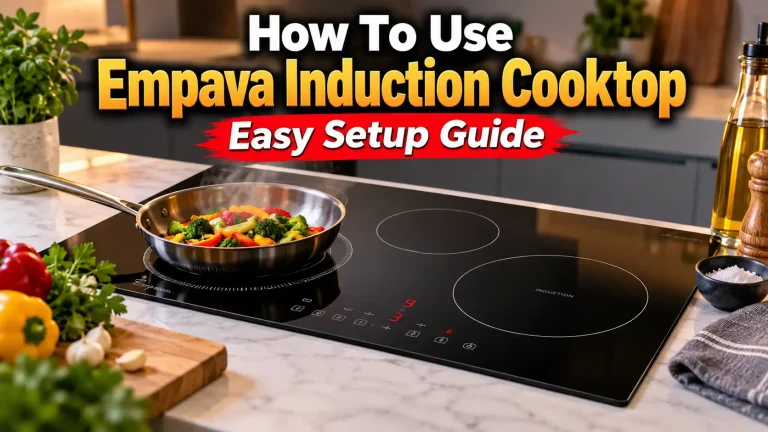
An induction cooktop uses a magnetic field to heat the cookware itself. The cooking zone creates energy in a magnetic pan, rather than heating the air or the surface first.
This design can heat food quickly and offers precise control. The cooking zone may feel less hot than a standard electric surface, although it can still become warm from contact with a hot pan.
Downdraft cooktops
A downdraft cooktop includes ventilation built into the cooking surface. A fan pulls steam, smoke, and odors downward through a filter or duct.
This layout can help when an overhead range hood is not practical. However, downdraft ventilation may not capture rising smoke as well as a properly sized hood above the cooktop.
Main Types of Cooktops
Knowing the answer to “What is a cooktop?” also means knowing the main types available. Each type has clear strengths and limits.
Gas cooktop
A gas cooktop is a popular choice for people who enjoy visible flame and fast heat changes.
Benefits include:
• Fast response when adjusting heat
• Strong high-heat performance
• Compatibility with many types of cookware
• Ability to cook during some power outages if the ignition system allows manual lighting
Limitations include:
• Open flames can create a burn or fire risk
• Grates and burner parts need regular cleaning
• Gas combustion adds heat and moisture to the room
• Poor ventilation can affect indoor air quality
A gas cooktop should be installed by a qualified professional. The gas connection must be secure, and the room should have proper ventilation.
Electric coil cooktop
An electric coil cooktop uses metal coils that become hot when electricity passes through them. This type is often simple and affordable.
It can work well for basic cooking, but the coils may heat unevenly if they are bent or poorly seated. They also take more time to cool after use.
Smooth-top electric cooktop
A smooth-top electric cooktop hides the heating elements under a glass-ceramic surface. The flat design gives the kitchen a clean look and makes spills easier to wipe away.
The surface needs gentle care. Heavy pans, rough cookware, and sugary spills can scratch or damage it. You should also avoid sliding cast iron across the glass.
Induction cooktop
An induction cooktop is often praised for speed, control, and energy performance. It heats only when compatible cookware sits on the cooking zone.
Benefits include:
• Very fast heating
• Precise temperature changes
• A relatively cool cooking surface
• Easy cleanup because the surface is flat
• Less wasted heat around the pan
Limitations include:
• Higher purchase prices on many models
• The need for magnetic cookware
• Possible humming or buzzing sounds
• Dependence on electricity
A simple magnet test can help. If a magnet sticks firmly to the bottom of the pan, the pan will usually work on induction.
Cooktop vs. Range: What Is the Difference?
A cooktop and a range are not the same appliance.
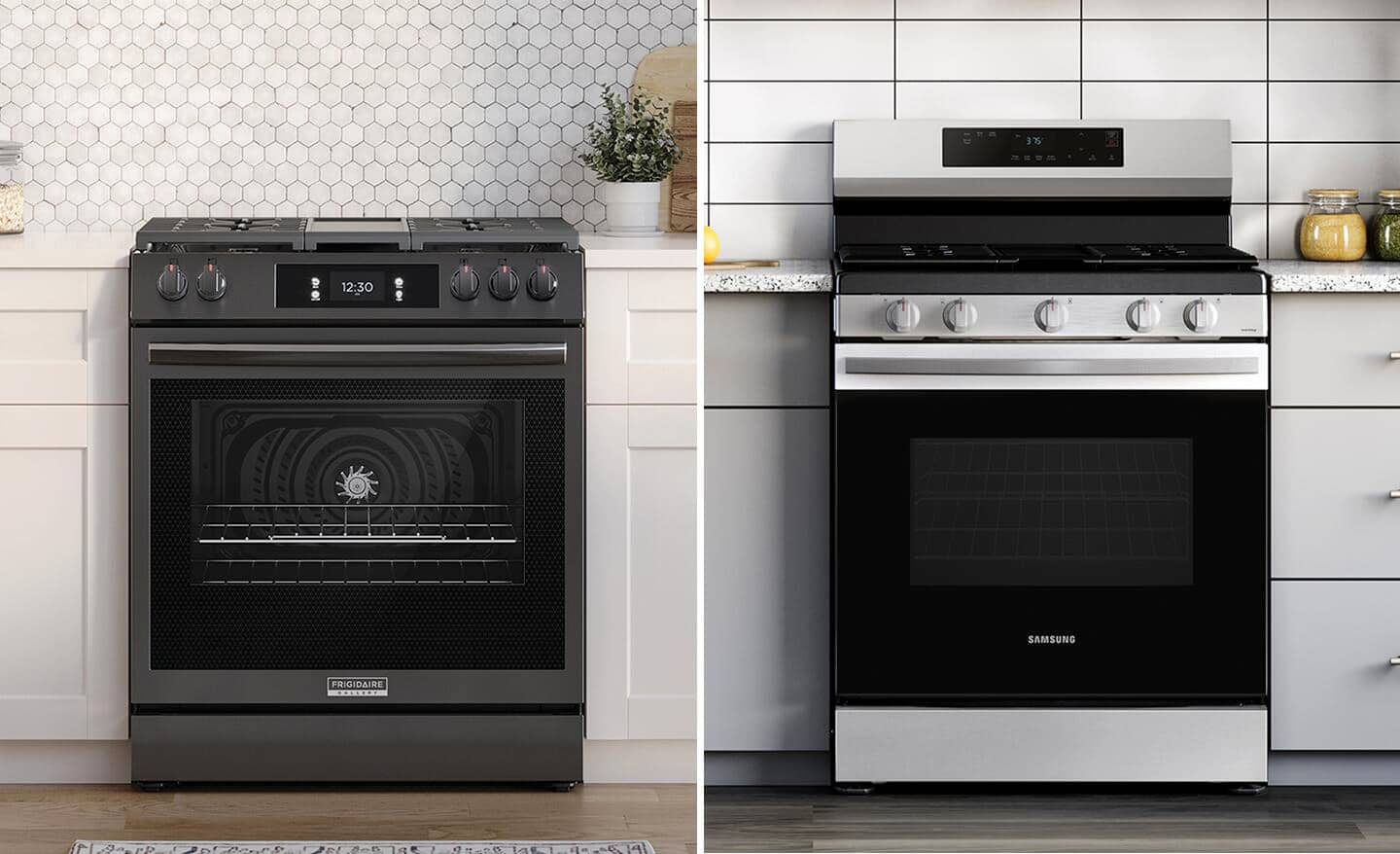
A range combines a cooking surface and an oven in one unit. It usually slides between kitchen counters or stands alone. A cooktop is installed into the counter and has no oven below it.
Here are the main differences:
• A range includes burners and an oven.
• A cooktop includes burners but no oven.
• A cooktop offers more freedom in oven placement.
• A range often costs less to install because it is one appliance.
• A cooktop can create a more custom, built-in kitchen design.
For example, a homeowner may place a cooktop on an island and install a wall oven at waist height. This setup can make baking easier and reduce bending.
A range may be a better fit for a small kitchen or a budget renovation. A cooktop may work better when design, accessibility, or flexible appliance placement matters most.
Benefits of Using a Cooktop
A cooktop can improve both cooking comfort and kitchen design. Its value depends on the type you choose and how you use it.
Flexible kitchen layouts
Because a cooktop has no oven below it, you can install the oven somewhere else. This can help create a more comfortable work area.
A wall oven, for example, may be easier to reach than an oven below a range. You can also place storage drawers under the cooktop if local installation rules allow it.
Clean, built-in appearance
Many cooktops sit flush with the countertop. This creates a smooth line across the kitchen and can make a small space look more open.
Glass and induction models offer a modern appearance. Gas models can provide a professional look with sturdy grates and metal controls.
Easy access to controls
Cooktops often place controls at the front or side. This can help you adjust heat without reaching across a hot pan.
Some touch-control models offer child locks, timers, pause settings, and automatic shutoff. These features can add convenience, but they should not replace careful supervision.
Cooking flexibility
A cooktop lets you use several pans at once. A larger model may include a bridge element for a griddle or a high-powered burner for boiling pasta.
Before buying, think about your normal cooking habits. Someone who cooks large family meals may need four or five zones. Someone who mainly prepares simple meals may need only two or three.
Limitations and Common Problems
A balanced answer to “What is a cooktop?” must include its drawbacks. No cooktop type is perfect for every home.
Heat remains after cooking
Electric and glass cooktops may stay hot for several minutes after the controls are off. Some models show a hot-surface warning, but you should still treat every zone as hot until it cools.
Ventilation matters
Cooking creates steam, grease, smoke, and odors. Gas cooking also produces combustion byproducts. A vented range hood that sends air outdoors is often the strongest option for removing pollutants and moisture.
If outdoor ventilation is not possible, use a high-quality recirculating hood and open a window when practical. Filters must be cleaned or replaced as directed.
Surface damage
Glass cooktops can crack if a heavy object falls on them. A cracked surface should not be used, especially if it exposes electrical parts.
To reduce damage:
• Lift pans instead of sliding them.
• Keep the surface free from grit.
• Use cookware with smooth bottoms.
• Clean spills after the surface cools.
• Follow the appliance maker’s care instructions.
Installation costs
The appliance price is only part of the total cost. You may also need electrical work, gas piping, countertop cutting, ventilation, cookware, or professional installation.
An induction cooktop may require a dedicated high-amperage circuit. A gas cooktop may require a gas connection and approved ventilation. Always confirm the requirements before purchasing.
How to Choose the Right Cooktop
The best cooktop depends on your cooking style, kitchen setup, budget, and safety needs.
Use this checklist before you shop:
- Check your available power or gas connection.
- Measure the counter opening carefully.
- Count how many cooking zones you use at one time.
- Decide whether you prefer knobs or touch controls.
- Check whether your cookware works with the chosen technology.
- Review ventilation needs.
- Compare warranty terms and service access.
- Confirm installation rules in your area.
- Look for safety features that fit your household.
- Plan for future repairs and replacement parts.
Families with young children may prefer induction because the cooking surface does not heat in the same way as a gas flame. Still, hot pans remain dangerous, and induction is not risk-free.
People who enjoy wok cooking may prefer gas because the open flame can work well with a rounded wok and wok ring. People who want easy cleaning may prefer a smooth electric or induction model.
In my own kitchen testing, one common mistake is choosing a cooktop based only on appearance. A beautiful four-zone model can feel cramped when three large pans are in use. Measure your favorite pans and imagine them on the surface before you buy.
Cooktop Safety Tips
Safe use begins with correct installation and daily habits. Follow the product manual and local building rules.
Important safety practices include:
• Never leave cooking food unattended for long periods.
• Keep paper towels, curtains, and packaging away from heat.
• Turn pan handles away from the front edge.
• Keep children and pets away from hot cookware.
• Do not use a cooktop with damaged wiring, glass, knobs, or gas parts.
• Keep a suitable fire extinguisher nearby.
• Never pour water on a grease fire. Turn off the heat if safe, cover the pan with a metal lid, and leave the area if the fire grows.
• Use the correct cookware size for each burner or zone.
• Make sure gas flames burn mostly blue and remain steady.
A yellow, unstable, or unusual gas flame may signal a problem. Stop using the appliance and request professional service.
For induction models, remember that the pan can become very hot even when the cooking zone looks calm. Magnetic heating is quiet and less visible, so normal cooking caution still applies.
How to Clean and Maintain a Cooktop
Regular cleaning prevents grease buildup and keeps controls working well. The correct method depends on the cooktop material.
Gas cooktop cleaning
Let the surface cool fully. Remove grates, burner caps, and other removable parts as the manual allows.
Soak suitable parts in warm, soapy water. Wipe the surface with a soft cloth. Make sure burner ports are clear, but do not enlarge them with a sharp object.
Electric and induction cleaning
Wipe spills with a soft, damp cloth after the surface cools. Use a cleaner made for glass or ceramic cooktops when needed.
Avoid steel wool, harsh scouring powders, and rough scrub pads. If food is stuck, use a scraper designed for the surface and hold it at the angle recommended by the manufacturer.
Preventive care
Good maintenance includes:
• Cleaning spills before they harden
• Keeping pan bottoms dry and clean
• Checking knobs and controls
• Inspecting cords and plugs
• Replacing filters when required
• Scheduling service for gas leaks or electrical faults
One lesson I learned early is that delayed cleaning creates more work. A quick wipe after cooking is far easier than removing baked-on grease at the end of the week.
Energy Use and Indoor Air Quality
Cooktop efficiency depends on the technology, cookware, heat level, and ventilation. Induction cooktops often transfer heat efficiently because the pan receives energy directly. Electric and gas cooktops lose more heat around the pan.
Efficiency does not mean you should ignore ventilation. Gas cooking can release nitrogen dioxide, carbon monoxide, and other combustion products. Electric cooking still creates smoke and fine particles when food burns or oil overheats.
Use an exhaust hood that vents outdoors when possible. Run it during cooking and for several minutes afterward. If you have concerns about indoor air quality, a qualified heating, ventilation, and air-conditioning professional can assess your kitchen.
Claims about energy savings vary by model and cooking habits. Check the appliance’s official energy information and installation requirements rather than relying only on advertising.
Frequently Asked Questions About What Is a Cooktop
What is a cooktop used for?
A cooktop is used to heat pots and pans for boiling, frying, sautéing, simmering, and other stovetop tasks. It does not include an oven.
What is a cooktop versus a stove?
A cooktop is usually a built-in surface with burners or cooking zones. A stove, often called a range, normally combines a cooktop and an oven in one appliance.
Is an induction cooktop better than a gas cooktop?
Neither is best for every home. Induction often offers fast, precise heating and easy cleaning, while gas provides visible flame and works with many cooking styles.
Do all pans work on an induction cooktop?
No. Induction cooktops need magnetic cookware, such as many cast iron and magnetic stainless steel pans. A magnet that sticks firmly to the pan base is a useful basic test.
Are cooktops safe?
Cooktops are safe when installed correctly and used with care. Burns, fires, gas leaks, electrical faults, and hot surfaces can still create risks, so follow the manual and maintain proper ventilation.
Can a cooktop be installed on a kitchen island?
Yes, many cooktops can be installed on an island. The design must allow for proper electrical or gas service, counter support, ventilation, and the required safety clearances.
Conclusion
A cooktop is a dedicated cooking surface that can use gas, electric heat, or induction technology. Unlike a range, it does not include an oven, which gives you more freedom to design your kitchen.
The right choice depends on your cooking habits, cookware, budget, ventilation, and installation options. Compare the benefits and limits of each type, measure carefully, and prioritize safe installation. Explore reliable appliance guides, review manufacturer instructions, and share your cooktop experience in the comments.