What Is A Ceramic Cooktop: Benefits And Safety

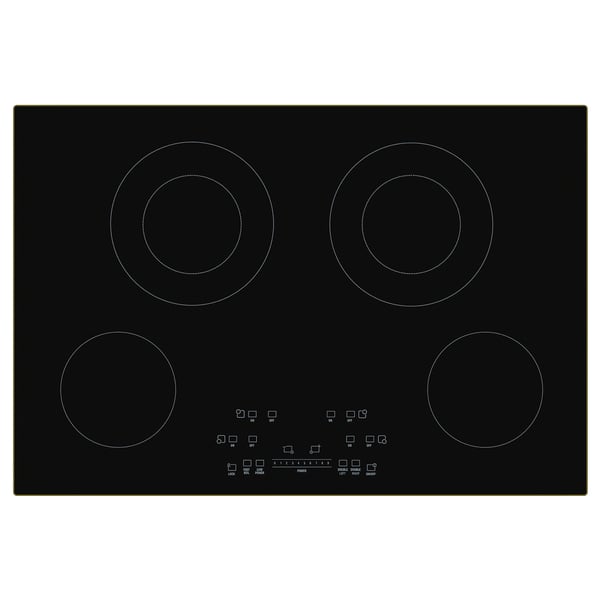
A ceramic cooktop is a smooth glass-ceramic cooking surface that heats pots with electric elements below it.
A ceramic cooktop gives a kitchen a clean, modern look while offering steady heat and simple cleanup. After using and testing several smooth-top electric ranges, I have found that the surface is easy to love, but it also rewards careful cookware choices and gentle cleaning. This guide explains how a ceramic cooktop works, its benefits and limits, and how to use one safely.

What Is a Ceramic Cooktop?
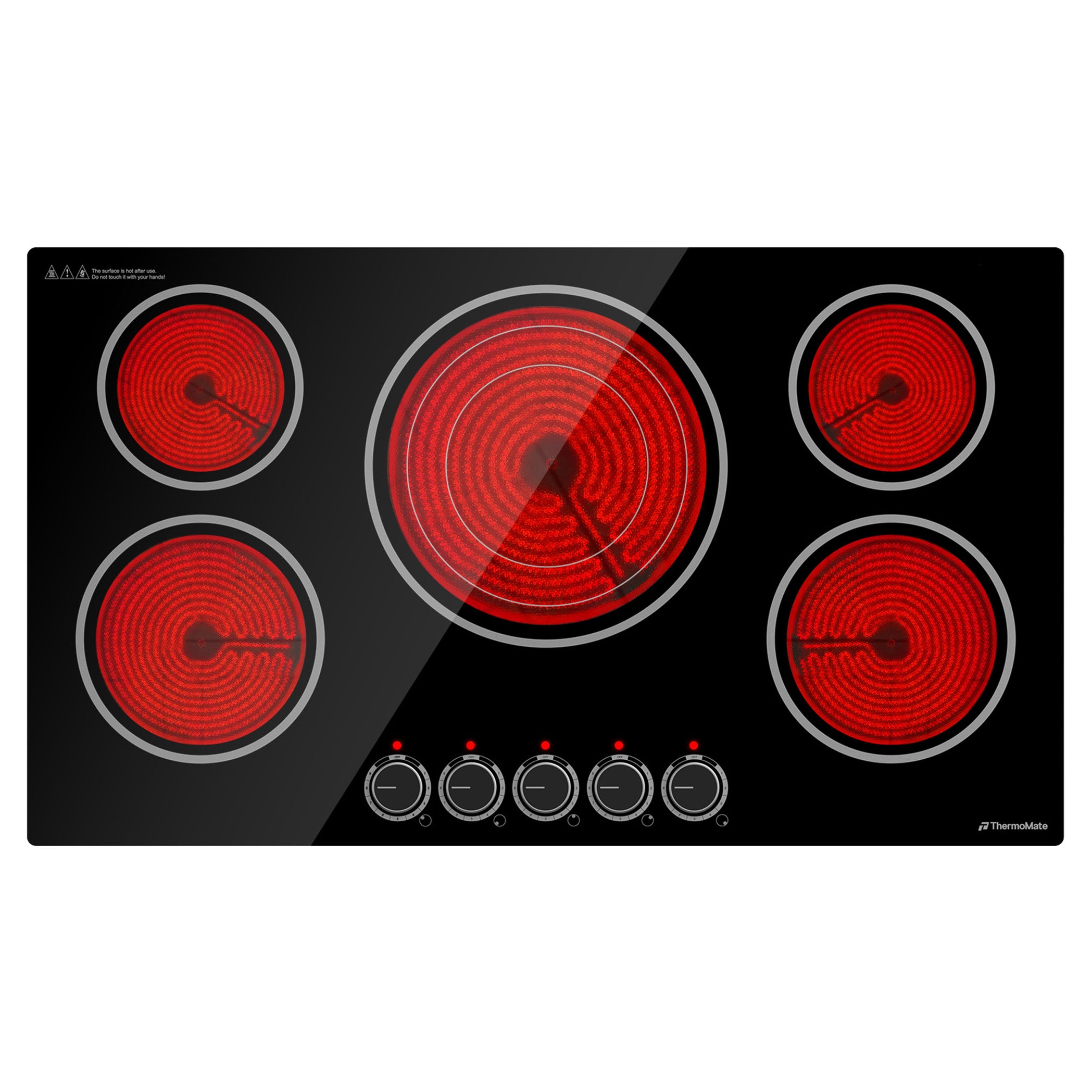
A ceramic cooktop is an electric cooking surface made from tough glass-ceramic material. Heating elements sit beneath the surface. When you turn on a burner, the element becomes hot and transfers heat through the glass to the pan.
The top looks like a single sheet of dark glass. However, it is not ordinary window glass. Glass-ceramic material can handle repeated heating and cooling better than standard glass.
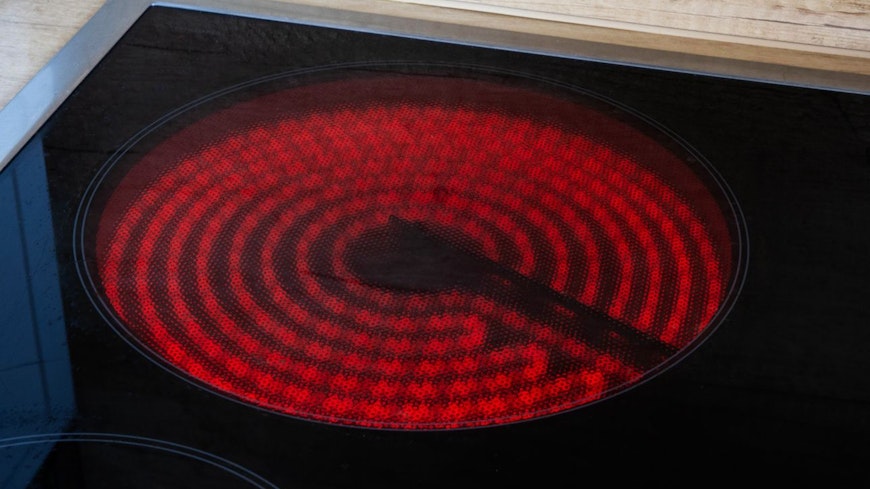
Most ceramic cooktops use radiant electric heat. The burner glows red as it heats, then fades as the temperature drops. The smooth surface may stay hot for several minutes after you turn the control off.
A ceramic cooktop can be part of:
• A freestanding electric range
• A slide-in range
• A built-in wall oven and cooktop pair
• A standalone electric cooktop
The term “ceramic cooktop” often describes the surface, not the heat source alone. Most use radiant electric elements, while some models may combine radiant burners with induction zones.
How Does a Ceramic Cooktop Work?
Under the glass-ceramic surface, each cooking zone contains an electric heating element. Electricity passes through the element and creates heat. That heat moves upward through the surface and into the cookware.
The process is similar to a hot plate, but the heating element is hidden below the cooktop. A control knob or touch panel adjusts the power level. Many models use temperature sensors to reduce or cycle power when the pan becomes very hot.
Here is the basic heating process:
- You select a cooking zone and power level.
- Electricity heats the element beneath the glass.
- The element transfers heat through the ceramic surface.
- The pan absorbs the heat and cooks the food.
- The element cycles on and off to maintain the chosen setting.
A ceramic cooktop does not heat the pan as quickly as most induction cooktops. It also does not respond as fast when you lower the heat. The glass and pan hold heat, so cooking continues for a short time after a setting changes.
In my experience, this delayed response is easy to manage. I simply lower the heat earlier when making sauces, rice, or eggs. That small habit helps prevent scorching.

Ceramic Cooktop vs. Glass Cooktop
People often use “glass cooktop” and “ceramic cooktop” as if they mean different products. In many cases, they describe the same smooth cooking surface.
A glass cooktop may be made from glass-ceramic, a specialized material designed for high heat. Some marketing terms can make the surface sound different, but the key feature is the smooth, flat top over the burners.
The more useful question is how the cooktop creates heat:
• Radiant ceramic cooktop: Electric elements heat the pan through the glass.
• Induction cooktop: Magnetic energy heats compatible cookware directly.
• Traditional electric coil cooktop: Exposed metal coils heat the pan.
• Gas cooktop: A flame heats the bottom of the pan.
A ceramic cooktop is usually easier to clean than exposed coils. It also looks more seamless than a coil or gas model. However, the surface needs more care because scratches, chips, and cracks can affect its safety and performance.
Main Benefits of a Ceramic Cooktop
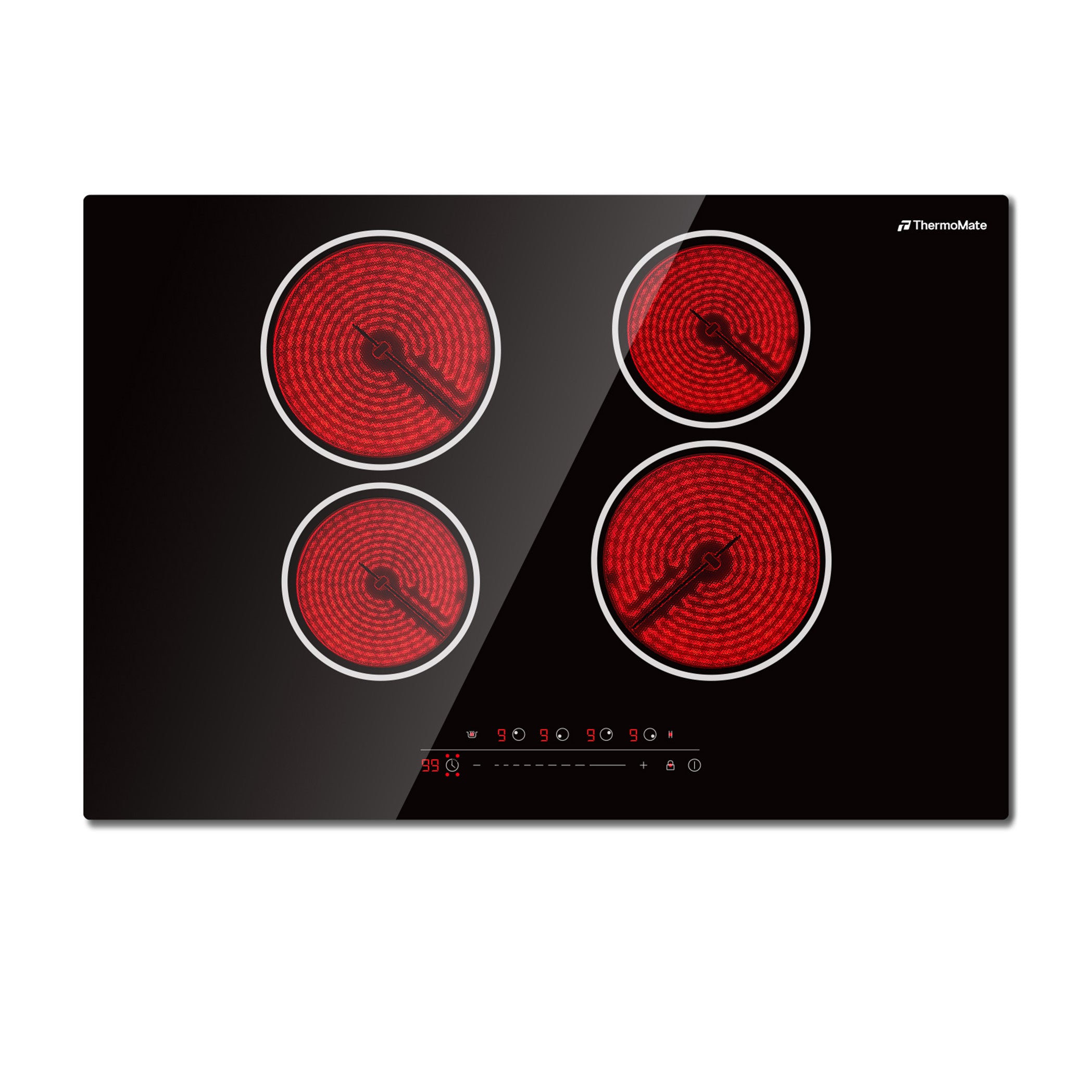
A ceramic cooktop offers several practical benefits for everyday cooking. It is especially useful for people who want an electric appliance with a clean design and simple care.
Smooth and modern appearance
The flat black or dark surface gives the kitchen a polished look. It blends well with modern cabinets, stainless steel appliances, and open kitchen designs.
Easy daily cleaning
Spills do not fall below removable burners. Once the surface cools, you can wipe away most food with a damp cloth. A cooktop scraper can remove stuck-on residue when used at the correct angle.
Even cooking surface
Flat cookware sits steadily on the smooth top. This helps keep pans level when you cook pancakes, soups, or delicate sauces.
No open flame
A ceramic cooktop does not create a flame. This can make it appealing in homes where gas is not available or where users prefer electric cooking.
Still, the surface remains hot. No flame does not mean no burn risk.
Flexible kitchen placement
Electric cooktops can work in many homes without a gas line. They may also be useful in areas where local rules limit new gas connections.
Simple heat control
Most models offer several power levels. Some include dual-size burners, warming zones, bridge elements, or timers.

Disadvantages of a Ceramic Cooktop
A ceramic cooktop is not perfect for every kitchen. Knowing its limits can help you choose with fewer surprises.
Slower heat response
Radiant elements take time to heat and cool. If you change from high heat to low heat, the burner does not react as quickly as gas or induction.
Risk of scratches
Rough pan bottoms, salt crystals, and dragged cookware can leave marks. Cast iron can be used on some models, but many manufacturers warn against sliding it across the surface.
Breakage is possible
A heavy object can chip or crack the glass-ceramic top. A cracked cooktop should not be used because moisture may reach electrical parts.
Spills can burn onto the surface
Sugary foods, melted plastic, and thick sauces may bond to a hot cooktop. These spills need quick action and the correct cleaning method.
Heat may spread beyond the burner
The surface around the heating zone can become hot. Small pans may also heat less evenly if they do not match the burner size.
It needs flat cookware
Warped pans may heat slowly or unevenly. A pan with a flat base makes better contact with the surface.
The biggest mistake I see is treating the ceramic cooktop like a worktop. It may look like extra counter space, but placing bags, lids, or utensils on it can cause scratches or accidental heat damage.
Best Cookware for a Ceramic Cooktop
The best cookware for a ceramic cooktop has a smooth, flat base. The bottom should match the burner size as closely as possible.
Good choices include:
• Stainless steel pans with flat bases
• Aluminum pans with smooth bottoms
• Ceramic-coated pans designed for smooth cooktops
• Enameled cookware with a clean, undamaged base
• Flat-bottomed nonstick pans
Use caution with these items:
• Cast iron, because it is heavy and can scratch the surface
• Stoneware, because rough bottoms may damage the glass
• Glass cookware, because it may heat slowly or unevenly
• Copper, because it can leave marks unless the manufacturer approves it
• Warped pans, because they make poor contact with the burner
Before using a pan, turn it over and check the base. If it has rough spots, ridges, or baked-on food, clean it first. Lift the pan instead of sliding it.
A simple test is to place the pan on the burner while the surface is cool. It should sit flat without rocking. The base should also cover most of the marked cooking zone without extending far beyond it.
How to Clean a Ceramic Cooktop
Regular cleaning keeps a ceramic cooktop bright and helps prevent permanent stains. Always follow the care instructions for your specific model.
Use this simple routine:
- Turn off the burners and let the surface cool.
- Remove loose crumbs with a soft cloth.
- Apply a cleaner made for glass-ceramic cooktops.
- Wipe with a soft microfiber cloth.
- Buff away residue with a clean, dry cloth.
For stuck-on food, use a cooktop scraper approved by the manufacturer. Hold it at a low angle and push gently. Do not stab or scrape straight down.
For a fresh spill, turn off the heat and let the surface become safe to touch. Sugar, syrup, and melted plastic deserve special attention because they can harden quickly. Your manual may give specific removal steps, so keep it nearby.
Avoid these cleaning tools and products:
• Steel wool
• Abrasive powders
• Scouring pads
• Oven cleaner
• Ammonia-based products unless approved
• Sharp knives or loose razor blades
• Wet cloths on a hot surface
Never pour cold water onto a very hot cooktop. Sudden temperature changes may damage the glass-ceramic material.
Ceramic Cooktop Safety Tips
A ceramic cooktop is safe when used as directed, but the surface can become extremely hot. The burner may look dark while it is still warm, so use the hot-surface indicator when available.
Keep these habits in mind:
• Keep pan handles turned away from the edge.
• Do not leave an empty pan on a hot burner.
• Keep plastic, paper, and cloth away from the cooking zones.
• Do not stand on or place heavy items on the cooktop.
• Never use a cooktop with a cracked or chipped surface.
• Keep children away from the burners and controls.
• Use oven mitts when moving hot cookware.
• Lift cookware instead of dragging it.
If the ceramic cooktop cracks, switch off the appliance at the electrical panel if it is safe to do so. Stop using it and contact a qualified service professional. Do not attempt a glass replacement as a home repair.
Electrical installation also matters. A built-in ceramic cooktop often requires a dedicated circuit and professional installation. Follow the manufacturer’s electrical requirements and local building rules.
Ceramic Cooktop vs. Induction Cooktop
A ceramic cooktop and an induction cooktop may look alike, but they heat food in different ways.
An induction cooktop uses a magnetic field to heat compatible cookware directly. The cooking surface usually stays cooler than a radiant ceramic surface, although it can still become warm from the pan.
A radiant ceramic cooktop heats the element first, then the glass and pan. This design works with more types of cookware but usually responds more slowly.
| Feature | Ceramic cooktop | Induction cooktop |
|---|---|---|
| Heat source | Radiant electric element | Magnetic energy |
| Cookware | Most flat cookware | Magnetic cookware |
| Heat response | Moderate | Very fast |
| Surface heat | High after use | Lower, but not cold |
| Purchase cost | Often lower | Often higher |
| Cleaning | Easy | Easy |
| Energy efficiency | Good | Usually better at transferring heat to the pan |
Induction can be a strong choice for fast cooking and precise control. A ceramic cooktop may be better for shoppers who want a lower purchase price or do not want to replace cookware.
To test cookware for induction, place a magnet on the pan base. If it sticks firmly, the pan may work. Always confirm compatibility with the induction model.
Is a Ceramic Cooktop Energy Efficient?
A ceramic cooktop uses electricity and sends heat through the cooking surface into the pan. Some energy also warms the glass and the surrounding kitchen area.
Its efficiency depends on the pan, burner size, cooking time, and heat setting. A flat pan that matches the burner usually transfers heat better than a small or warped pan.
The U.S. Department of Energy generally identifies induction cooking as more efficient than conventional electric resistance cooking because induction transfers more energy directly to the cookware. However, a ceramic cooktop can still perform well when used correctly.
Try these energy-saving habits:
• Match the pan to the burner size.
• Cover pots when practical.
• Use the lowest heat that maintains cooking.
• Turn the burner off slightly before food is finished.
• Avoid preheating an empty pan for too long.
• Keep the glass and pan base clean.
These steps save energy and may also reduce cooking time.
How to Choose a Ceramic Cooktop
When shopping for a ceramic cooktop, focus on features that match your cooking style. A large family may value powerful burners and flexible zones, while a small household may prefer a compact design with simple controls.
Check the following features:
Burner size and layout
Look for burner sizes that match your common pans. A dual-ring burner can support both small saucepans and large skillets.
Power levels
More settings can make it easier to simmer, melt chocolate, or sear meat. Touch controls may offer a sleek look, while knobs can feel easier to use with wet hands.
Safety features
Useful options include hot-surface lights, automatic shutoff, control locks, pan detection, and overheating protection.
Cleaning design
Raised edges may help contain spills. A completely flat surface can be faster to wipe but may allow liquids to run toward the counter.
Installation requirements
Confirm the voltage, circuit size, cutout dimensions, and ventilation needs before purchase. Built-in appliances must fit the counter opening exactly.
Warranty and service
Check the warranty length and availability of local repair support. A cracked ceramic surface can be costly to replace outside the warranty period.
Read the owner’s manual before installation. Brand instructions can differ, especially for cookware, cleaners, and electrical connections.
Common Mistakes to Avoid
Small mistakes can shorten the life of a ceramic cooktop. Most are easy to prevent.
• Sliding heavy pans across the surface: Lift them instead.
• Using a dirty pan base: Clean away grit and hardened food first.
• Cooking on a burner larger than the pan: Use a closer match for even heat.
• Leaving sugary spills: Remove them as soon as the surface is safe.
• Using harsh cleaners: Choose a product made for glass-ceramic surfaces.
• Placing items on a hot zone: The item may melt, burn, or mark the surface.
• Ignoring cracks: Stop using the appliance and arrange professional service.
• Assuming the surface is cool: Check the hot-surface indicator and use caution.
One practical lesson is to keep a dedicated cooktop scraper and microfiber cloth nearby. When the right tools are within reach, cleaning takes less time and becomes part of the cooking routine.
Frequently Asked Questions About Ceramic Cooktops
Is a ceramic cooktop the same as an induction cooktop?
No. A ceramic cooktop usually uses radiant electric elements beneath a glass-ceramic surface, while an induction cooktop uses magnetic energy to heat compatible pans directly.
Can you use cast iron on a ceramic cooktop?
You may be able to use cast iron, but check the appliance manual first. Lift the pan instead of sliding it because rough or heavy cast iron can scratch or damage the surface.
Are ceramic cooktops easy to clean?
Yes. Their smooth surface has no exposed coils or burner wells, so most spills wipe away easily after the cooktop cools. Use a proper ceramic-cooktop cleaner and a suitable scraper for stuck food.
Why does a ceramic cooktop stay hot after it is turned off?
The heating element and glass retain heat after power stops. The hot-surface light can help, but always treat the cooking zone as hot until it has cooled fully.
Can a cracked ceramic cooktop still be used?
No. A crack can allow moisture to reach electrical parts and may spread with more heating. Turn off the appliance and contact a qualified repair professional.
What cookware works best on a ceramic cooktop?
Flat-bottom cookware with a smooth base works best. Stainless steel, aluminum, and approved nonstick pans are common choices, while rough or warped cookware may cook poorly or scratch the surface.
Conclusion
A ceramic cooktop is a smooth glass-ceramic cooking surface that uses electric heating elements beneath the glass. It offers a modern look, easy cleaning, steady heat, and no open flame, but it needs flat cookware and careful handling.
Choose one if you value a clean design and simple electric cooking. Protect it by lifting pans, cleaning spills promptly, using approved products, and following the manufacturer’s safety instructions. Compare models carefully, then explore the owner’s manual and buyer reviews before making your purchase.