What Is a Bridge Element on a Cooktop: Easy Guide

A bridge element on a cooktop joins two heating zones to create one longer cooking area.
If you often use a griddle, roasting pan, or long skillet, a bridge element can make your cooktop far more useful. This guide explains what a bridge element on a cooktop does, how it works on radiant and induction models, when to use it, and what mistakes to avoid.
What Is a Bridge Element on a Cooktop?
A bridge element on a cooktop is a feature that links two separate cooking zones. When you turn on the bridge setting, both zones work together as one extended heating area.
Think of it as opening a door between two small rooms. Each burner can work alone, but the bridge setting lets them share one larger space.
Most bridge elements appear on:
• Electric radiant cooktops
• Smooth-top glass cooktops
• Induction cooktops
• Dual-fuel ranges with electric cooking surfaces
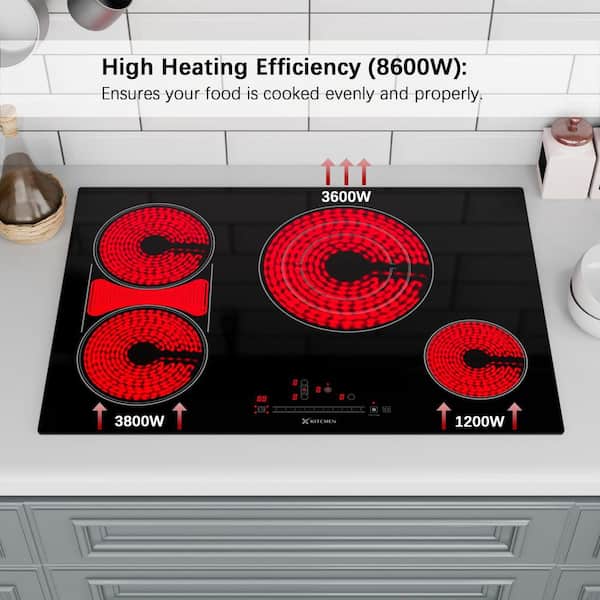
The exact design differs by brand and model. Some cooktops use two round elements with a narrow heating strip between them. Others use two induction areas that work as one zone when the bridge function is active.
How Does a Bridge Element Work?
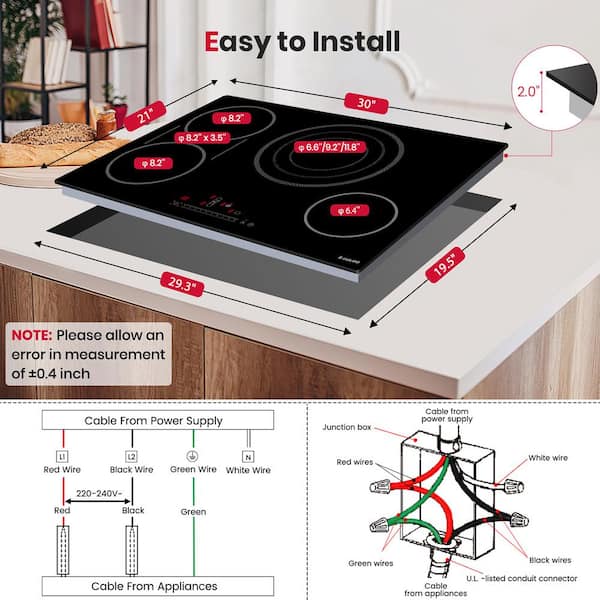
A bridge element usually connects two heating zones through the cooktop’s control system. You select the two zones, press the bridge button, and then set the heat level.
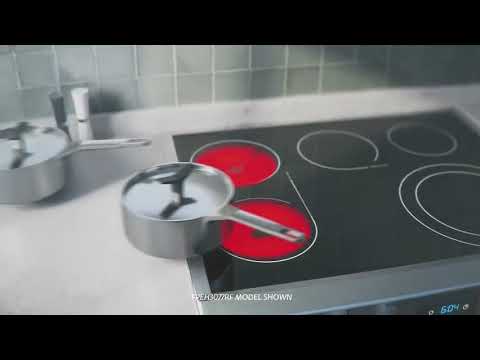
On a radiant cooktop, the heating elements glow beneath the glass surface. The bridge may activate a third strip or connect the control of both main elements.
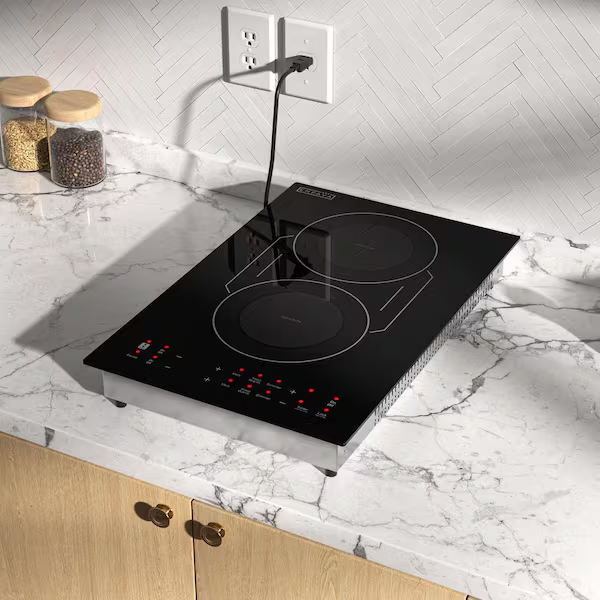
On an induction cooktop, the bridge function links multiple magnetic coils. The cooktop detects the cookware and sends heat to the area beneath it. Some advanced models can sense the shape and size of the pan more precisely than basic models.
The bridge setting does not always create one perfectly even heating area. Heat may be stronger over the main elements and weaker between them. For this reason, it works best with cookware designed for bridge cooking.
Common bridge element controls
A cooktop may use one of these control layouts:
• A dedicated bridge button
• A touch icon shaped like two connected circles
• A “Flex,” “Sync,” or “Link” setting
• One slider that controls both zones
• Separate controls that must be set to the same heat level
Always check the user manual. The same symbol can mean different things on different cooktops.

What Cookware Works Best With a Bridge Element?
The best cookware for a bridge element is long, flat, and thick enough to spread heat. A flat-bottom griddle is the most common choice.
Suitable cookware may include:
• Rectangular griddles
• Long fish pans
• Large roasting pans rated for cooktop use
• Grill pans with a smooth, flat base
• Oversized skillets with a level bottom
For induction, the cookware must contain magnetic metal. Cast iron and many stainless steel pans work well, but aluminum, copper, and glass usually do not work unless they have an induction-compatible base.
For radiant cooktops, the pan should sit flat against the glass. A warped pan may heat unevenly and can scratch the surface.
A useful test is to place a ruler across the bottom of the pan. If you can see a large gap, the pan may not transfer heat well.

What Is a Bridge Element on a Cooktop Used For?
A bridge element is made for cookware that is too long for one standard burner. It gives you a wider cooking area without forcing you to balance a pan across two unrelated burners.
People often use a bridge element for:
• Pancakes and French toast
• Bacon and grilled sandwiches
• Eggs and breakfast foods
• Fish fillets
• Sautéed vegetables
• Fajitas
• Teppanyaki-style meals
• Grilled cheese sandwiches
• Warming food in a long pan
For example, a rectangular griddle may cover two small burners. Without the bridge setting, the center of the griddle may stay cool. With the bridge element turned on, the heat is spread across a larger part of the pan.
This feature is especially useful during holidays. A long pan can warm several servings at once, which helps when the kitchen feels crowded and every burner matters.
Benefits of a Bridge Element on a Cooktop
A bridge element can improve both flexibility and cooking space. It does not replace a standard burner, but it adds another way to use the surface.
More space for long cookware
A normal burner is often too small for a griddle. The bridge setting helps heat the full base of a longer pan.
Better control for griddle cooking
Using two separate burners can create hot and cold spots. A bridge mode is designed to coordinate the zones, which may produce more consistent heat.
Useful for large meals
You can cook several pancakes, sandwiches, or pieces of fish at the same time. This can reduce cooking time when serving a family or group.
More flexible cooktop design
The same two zones can work separately for small pots. When you need more space, the bridge element turns them into one larger cooking area.
Cleaner appearance
A built-in bridge function avoids the need for an extra countertop griddle. This can save storage space and keep the kitchen less cluttered.
In my experience with bridge-style cooking surfaces, the biggest benefit is not speed. It is control. A long pan feels much easier to manage when the cooktop is designed for it.
Limitations of a Bridge Element
A bridge element is useful, but it is not a perfect substitute for a large commercial griddle. Understanding its limits can prevent poor results and damage.
Heating may not be perfectly even
The center of a long pan may receive less heat than the areas directly above the main elements. A thick pan can help spread the heat.
The feature may use more power
Running two zones at once may draw more electricity. Some cooktops reduce the power of one zone when several burners are active. This is called power sharing.
Not every pan will fit
A very large pan may extend beyond the safe cooking area. A pan that overhangs the cooktop can heat unevenly and may create a safety problem.
Induction models need compatible cookware
An induction bridge element cannot heat every type of metal. A pan may look suitable but still fail if its base is not magnetic.
Controls can vary
Some models require both zones to be turned off before the bridge mode can be activated. Others allow you to press a bridge button while one zone is already running.
The bridge may not be a separate heater
On some cooktops, the “bridge” is only a control feature that links two zones. It may not include a dedicated heating strip between them.
How to Use a Bridge Element Safely
Using a bridge element is simple, but safe habits matter. Glass cooktops and induction surfaces can both be damaged by the wrong pan or rough handling.
- Read the cooktop manual before using the bridge setting.
- Place the pan in the marked bridge area.
- Make sure the pan is flat and stable.
- Keep the pan within the recommended cooking zone.
- Turn on the bridge function.
- Set the heat to a low or medium level first.
- Adjust the temperature after the pan warms.
- Turn off both zones when cooking is complete.
- Let the surface cool before cleaning it.
Do not slide cast iron across a glass cooktop. Lift it instead. Cast iron is heavy and can scratch or crack the surface if handled roughly.
Avoid heating an empty pan for a long time. Empty cookware can become extremely hot and may damage its finish or the cooktop surface.
Another practical lesson is to preheat slowly. Many people set the bridge element to high heat at once, then find that the center of the food burns while the rest remains undercooked. Medium heat often gives better results.
Bridge Element vs. Dual Burner
A bridge element and a dual burner are not the same thing.
A dual burner usually has two heating rings in one circular area. You can select the inner ring for a small pan or both rings for a larger round pan.
A bridge element connects two separate cooking zones. It is usually designed for long or rectangular cookware.
Here is a simple comparison:
• Dual burner: Best for small and large round pans
• Bridge element: Best for long, rectangular, or oval pans
• Standard burner: Best for one small or medium pan
• Flexible induction zone: May detect and heat several pan shapes
Some cooktops offer both a dual burner and a bridge element. These features solve different cooking needs, so having both can be helpful.
Bridge Element vs. Flexible Induction Cooking
Flexible induction cooking is a more advanced version of the same basic idea. Instead of linking only two fixed zones, a flexible induction surface may combine several coils.
A standard bridge element normally works in one defined area. Flexible induction zones may allow more freedom in where you place the pan.
Still, flexible does not mean limitless. The cookware must meet the manufacturer’s size and placement rules. The cooktop may also divide its total power among several active zones.
When comparing models, look for these details:
• The minimum and maximum pan size
• Whether the bridge works with griddles
• Whether the pan must cover both marked zones
• How much power the linked zone provides
• Whether power sharing affects other burners
• Whether the cooktop detects pan position automatically
These details often matter more than the name used in the product advertisement.
Troubleshooting a Bridge Element
A bridge element may seem faulty when the issue is actually cookware placement or a control setting. Try these checks before calling for service.
The bridge will not turn on
Make sure both cooking zones are clear and that the cooktop is not showing a lock symbol. Some models require you to press the bridge button before choosing a heat level.
The pan heats on one side only
Check that the pan covers both marked zones. A thin or warped pan may also spread heat poorly.
The induction pan is not detected
Test the pan with a magnet. If the magnet does not stick firmly to the base, the pan may not be induction-ready.
The cooktop turns one zone down
This may be normal power sharing. Many electric and induction cooktops limit total wattage when several zones operate together.
The surface shows an error code
Turn off the cooktop and let it cool. Check the manual for the exact code. If the message returns, stop using the affected zone and contact a qualified appliance technician.
Never remove the cooktop glass or attempt electrical repairs unless you are trained to do so. Cooktops can retain dangerous electrical energy even after the controls are off.
How to Choose a Cooktop With a Bridge Element
If you are shopping for a new cooktop, look beyond the phrase “bridge element.” Product features can vary widely.
Consider these points:
• The length and width of the bridge area
• The size of griddle recommended by the manufacturer
• The number of heat settings
• Whether the bridge has one shared control
• Whether the surface uses radiant heat or induction
• The maximum total power output
• The location of the bridge zone
• The availability of replacement parts and service
• The type of cookware you already own
Induction usually offers faster response and better surface safety because the pan itself creates heat. Radiant electric cooktops may cost less and accept more cookware types.
If you cook pancakes every weekend, a front bridge zone may be more convenient. If you mostly use large roasting pans, a rear bridge zone may suit your routine better.
The best cooktop is the one that matches your cookware and cooking habits. A bridge element is valuable only when you can place a suitable pan on it.
Cleaning and Care Tips
A clean cooking surface helps cookware sit flat and prevents trapped food from burning onto the glass.
Follow these care tips:
• Wait until the surface is cool before cleaning.
• Use a cleaner made for glass cooktops when recommended.
• Remove spills as soon as it is safe.
• Use a cooktop scraper only as directed.
• Lift heavy cookware instead of sliding it.
• Keep sugar and syrup spills from hardening on hot glass.
• Do not use abrasive powders, steel wool, or harsh scouring pads.
For induction models, clean the surface often. Even though the glass may not become as hot as a radiant surface, spilled food can still bake onto the cooktop from heat transferred by the pan.
Do not place foil, plastic, or paper near an active cooking zone. These materials can melt, burn, or stick to the surface.
Frequently Asked Questions About What Is a Bridge Element on a Cooktop
Is a bridge element the same as a large burner?
No. A bridge element usually connects two cooking zones so they can heat one long pan. A large burner is often one round heating area with a wider ring.
Can I use a bridge element with a regular frying pan?
Yes, in many cases. Use one zone by itself for a regular round pan unless the manufacturer says the bridge function is suitable for that cookware.
Does a bridge element work with induction cookware?
Yes, if the cooktop is an induction model and the cookware is magnetic. The pan must also meet the cooktop’s size and placement requirements.
Does a bridge element heat the center of a griddle?
It may, but the result depends on the cooktop and the pan. A thick, flat griddle usually spreads heat better than a thin or warped pan.
Can I use a roasting pan on a bridge element?
You can use one only if the pan is approved for cooktop use and fits within the marked cooking area. Check the appliance manual before placing a large roasting pan on the surface.
Why does my bridge element lose power?
The cooktop may be sharing power between multiple active zones. This is common on electric and induction models and does not always indicate a fault.
Is a bridge element worth having?
It is worth having if you often cook with long pans, griddles, or large skillets. If you mainly use small round pots, a standard cooktop may meet your needs.
Conclusion
A bridge element on a cooktop links two heating zones to create a larger cooking area for long or rectangular cookware. It is useful for griddles, pancakes, fish, sandwiches, and large meals, but it works best with a flat pan that matches the marked zone.
Before using one, check the manual, start with moderate heat, and avoid sliding heavy cookware across the glass. If you are buying a new cooktop, compare the bridge size, power sharing, cookware rules, and control design. Explore your appliance manual or share your bridge-cooking tips in the comments to help other home cooks.