Is Induction Cooktop Safe: Facts You Should Know

Yes, induction cooktops are generally safe when used correctly and kept in good condition.
If you’ve been wondering whether an induction cooktop is safe for everyday cooking, you’re asking a smart question. I’ve spent enough time around kitchen appliances to know that safety is not just about the device itself, but also how it fits into real life, from heat control and cleaning to cookware choice and family use. In this guide, I’ll walk you through the facts, the risks, the benefits, and the simple habits that make induction cooking feel not just modern, but genuinely safe.
What Is an Induction Cooktop?
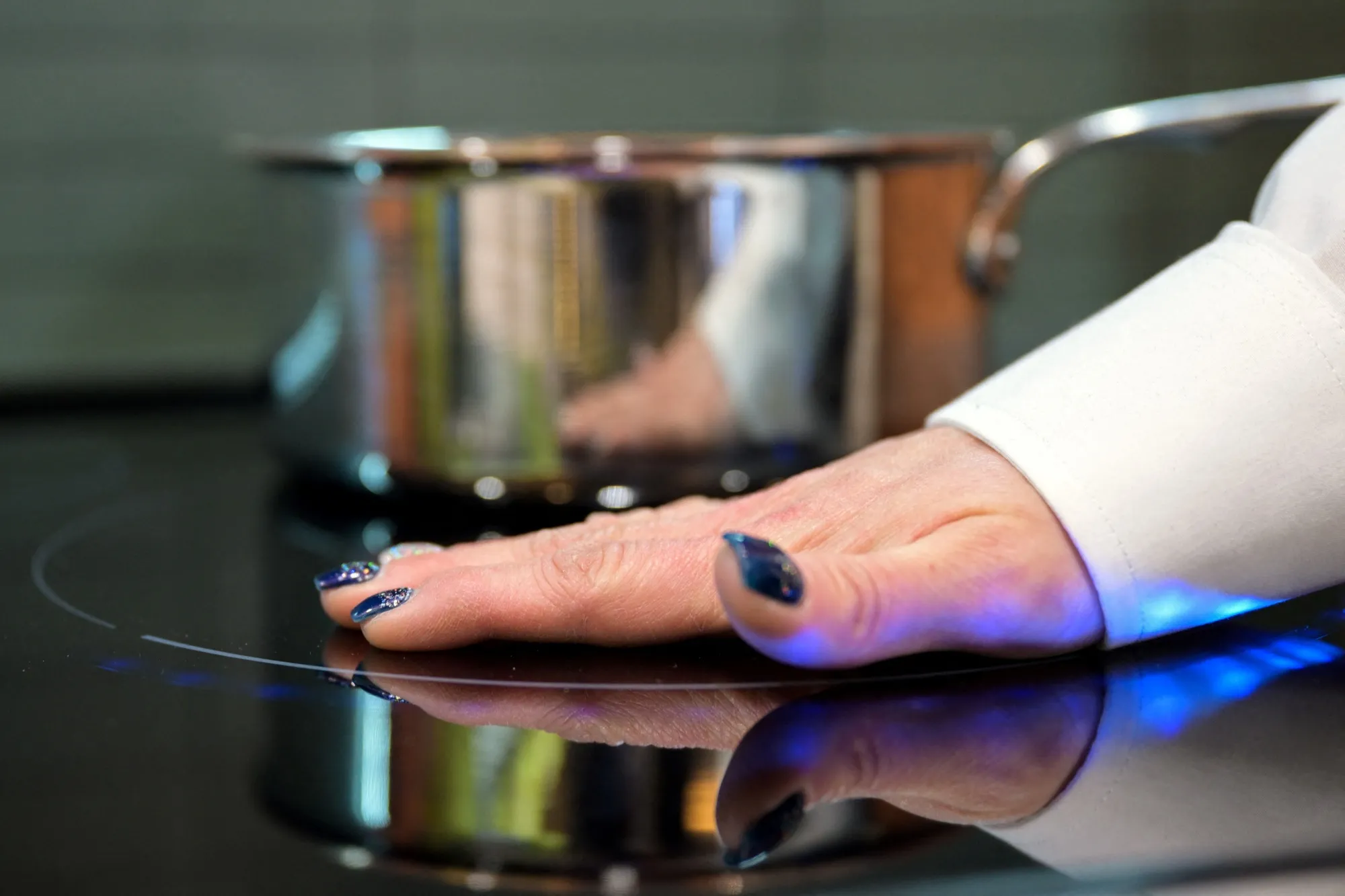
An induction cooktop is a type of electric stove that uses electromagnetic energy to heat cookware directly. Instead of heating a burner first, it creates a magnetic field that warms the pan itself. That means the cooktop surface stays much cooler than a gas or traditional electric stove.
This is one reason people ask, “Is induction cooktop safe?” The technology feels different, and anything that uses electromagnetic fields can sound a little intimidating at first. But once you understand how it works, the safety picture becomes much clearer.
Induction cooking is popular in home kitchens, restaurants, and even small apartments because it is fast, efficient, and easier to control. It is also often chosen for families who want a cooler kitchen and less risk of open flame.
Source: albertlee.biz
Is Induction Cooktop Safe for Everyday Use?
Yes, an induction cooktop is safe for most households and daily cooking tasks. In fact, many safety experts consider it safer than gas in several common situations because there is no open flame, less ambient heat, and faster shutoff when the pan is removed.
I’ve seen people switch from gas to induction and immediately notice how much calmer the kitchen feels. No flame to worry about. No burner left glowing hot for as long. No lingering gas smell after cooking. That does not mean induction is risk free, but it does mean the main safety concerns are manageable and usually very practical.
The real answer to “Is induction cooktop safe” depends on a few things:
- The quality of the appliance
- Whether you use induction compatible cookware
- How carefully you follow basic safety rules
- Whether anyone in the home has special medical devices or sensitivities
For most users, the benefits outweigh the limitations.
How Induction Cooktops Work and Why That Matters for Safety
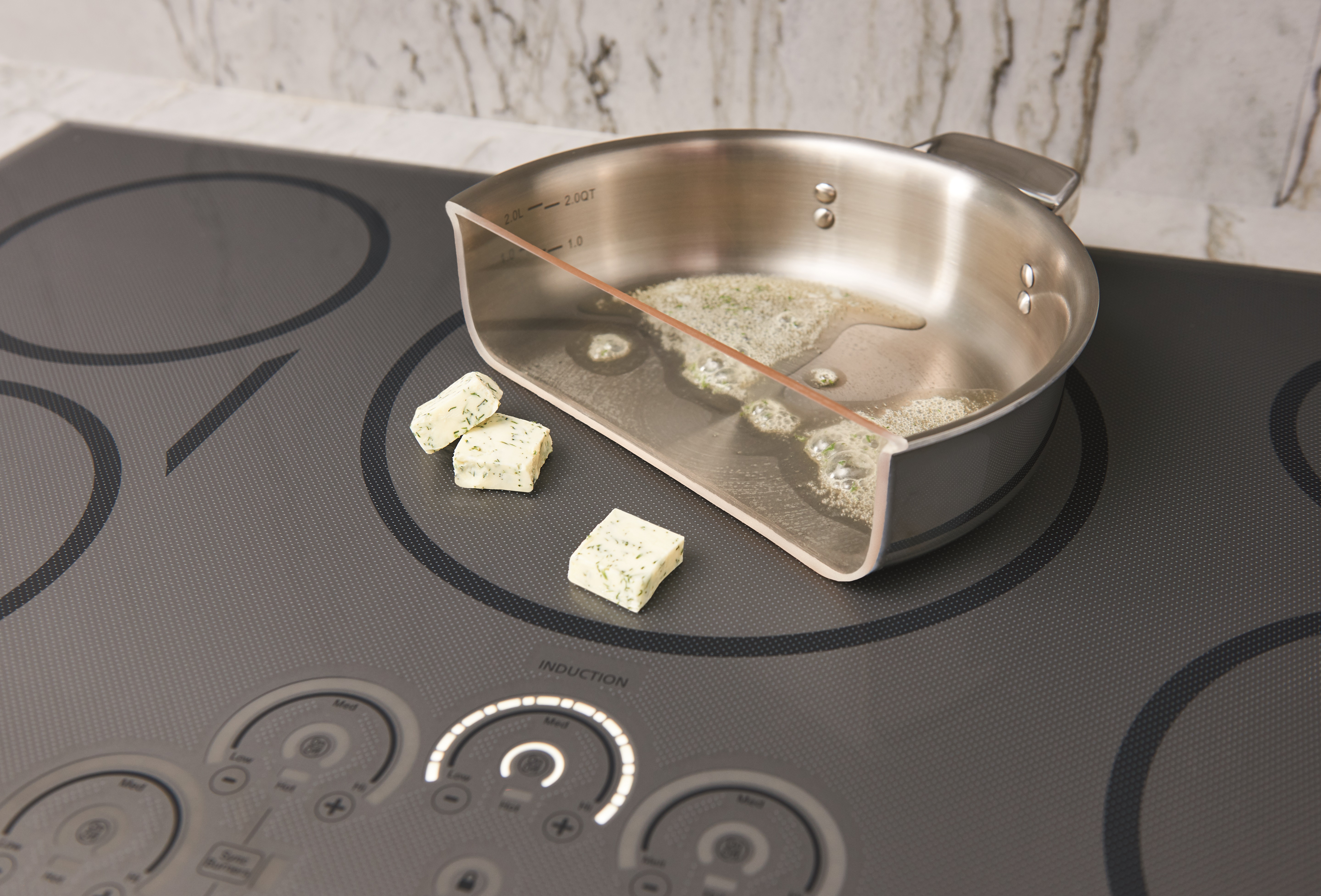
Induction cooktops use a copper coil under the glass surface. When turned on, the coil creates a magnetic field. If you place a compatible pan on top, the pan itself generates heat.
This matters because the cooktop does not work the same way as a burner that stays hot for a long time. The heat is created in the pan, so the surrounding surface usually stays cooler. That lowers the chance of accidental burns, especially in busy kitchens where hands, towels, or utensils move around a lot.
A useful way to think about it is this: a gas stove is like a match lighting a fire under a pot, while induction is like a hidden engine making the pot warm from within. The second method is more controlled and often safer around children and pets.
Main Safety Benefits of Induction Cooking
One reason people keep asking “Is induction cooktop safe” is because the safety benefits are real and easy to notice. Here are the biggest ones.
No open flame
Without a flame, there is less fire risk in the kitchen. That can be a big comfort if you cook with loose sleeves, paper towels nearby, or curious kids in the room.
Cooler cooking surface
The glass top can still get warm from the pan, but it usually does not stay as hot as a radiant electric burner. That lowers the chance of accidental burns.
Faster response time
Induction reacts quickly when you adjust the heat. If a pot starts to boil over, you can lower the temperature fast. That kind of control makes cooking safer and less stressful.
Auto shutoff features
Many models turn off when they detect that no cookware is present. This helps reduce overheating and wasted energy.
Better indoor air quality compared with gas
Gas cooking can release nitrogen dioxide and other pollutants into the air. Induction does not burn fuel, so it avoids those emissions. For some families, that is a major health and safety plus.
Common Concerns About Induction Cooktop Safety
Even though the answer to “Is induction cooktop safe” is usually yes, there are a few concerns people should understand.
1. Electromagnetic fields
Induction cooktops create low-frequency electromagnetic fields. These are part of the technology, and they are generally considered safe for healthy adults when the appliance is used properly and meets safety standards.
That said, people with certain implanted medical devices, such as pacemakers or implantable cardioverter defibrillators, should check with their doctor and the device manufacturer. Some medical experts advise keeping a safe distance from the cooktop, depending on the device type.
2. Hot cookware
The cooktop surface may look cool, but the pan can be extremely hot. This surprises many first-time users. I’ve seen people touch the glass too soon because they assumed the stove was off and safe to grab, and that can lead to a burn.
3. Cookware compatibility
Only certain cookware works well with induction. If a pot is not magnetic, the cooktop will not heat it properly. Poor-quality or warped pans can also heat unevenly, which affects cooking and safety.
4. Glass surface damage
The top is made of glass ceramic, which is durable but not indestructible. Dropping a heavy pan can crack it. Sliding rough-bottom cookware can also scratch the surface over time.
5. Power and electrical setup
Induction cooktops need proper electrical wiring and enough power. A poorly installed unit can cause performance problems or safety issues. This is why professional installation matters for built-in models.
Is Induction Cooktop Safe for Children and Pets?
Yes, induction cooktops are often a very good option for homes with children or pets. The lack of open flame alone removes a major hazard. The surface also cools faster than many other cooking systems.
Still, children may not understand that the pan can stay hot after the stove turns off. That is why supervision matters. A child can see a calm glass surface and assume it is safe, when in fact the cookware may still be dangerous.
Useful habits for family safety include:
- Keep pan handles turned inward
- Use rear burners when possible
- Teach kids not to touch cookware or controls
- Wipe spills quickly so there is no slippery mess
- Keep pets away from the cooking zone
These are simple steps, but they make a big difference in real life.
Is Induction Cooktop Safe for People With Pacemakers?
This is one of the most important questions people ask about induction cooktop safety. The answer is: it depends on the device and the distance from the cooktop.
Most healthy people have no issue with induction cooking. However, some implanted cardiac devices can be affected by strong electromagnetic fields if a person stands too close for too long. The risk is usually low, but it is not something to guess about.
If you have a pacemaker or similar device, the safest step is to:
- Ask your cardiologist or device clinic
- Check the manufacturer’s instructions
- Keep the recommended distance from the cooktop
- Avoid leaning directly over the burner while it is on
It is better to get specific medical advice than to assume all devices behave the same.
Is Induction Cooktop Safe Compared With Gas and Electric Stoves?
In many everyday situations, induction is safer than gas and often safer than traditional electric coil stoves too.
Compared with gas
Gas stoves create open flame and combustion byproducts. They also can leave fuel unburned if there is a leak or malfunction. Induction avoids those issues entirely.
Compared with electric coil
Electric coil stoves do not use combustion, but the coils stay hot for a long time after cooking. That can increase burn risk. Induction usually cools faster because the heat is made in the pan, not in a glowing burner.
Real-world safety differences
From a practical standpoint, induction often wins on:
- Faster heat control
- Lower surface temperature
- Less air pollution
- Reduced flame risk
- Easier cleanup, which also lowers slip and spill hazards
That is why many people who ask “Is induction cooktop safe” end up choosing it after comparing the options.
Best Practices to Make Induction Cooking Safer
Like any appliance, induction cooktops are safest when used properly. These simple habits can help a lot.
- Use induction-ready cookware with a flat, magnetic base
- Keep the cooktop clean and dry
- Avoid placing metal items on the cooking zone
- Do not slide heavy pans across the glass
- Let cookware cool before touching it
- Check cords, plugs, and installations regularly
- Follow the manufacturer’s instructions for wattage and ventilation
One lesson I learned early on is that people often focus on the “technology” and forget the basics. The truth is, most safety problems come from user habits, not the induction process itself.
What Cookware Is Safe to Use on Induction?
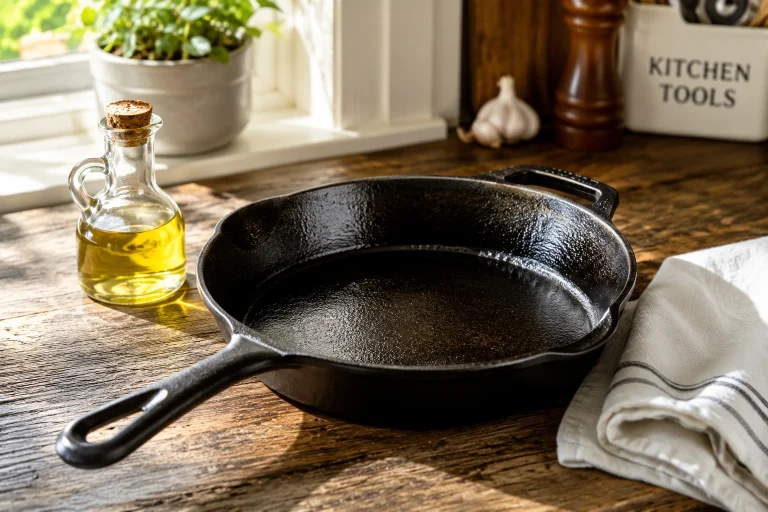
Not all pots and pans work on induction cooktops. Safe cookware needs a magnetic base, usually made of cast iron or magnetic stainless steel.
You can test a pan by holding a magnet to the bottom. If it sticks firmly, the pan will likely work. If it does not, the cooktop probably will not heat it well.
Common induction-compatible cookware includes:
- Cast iron
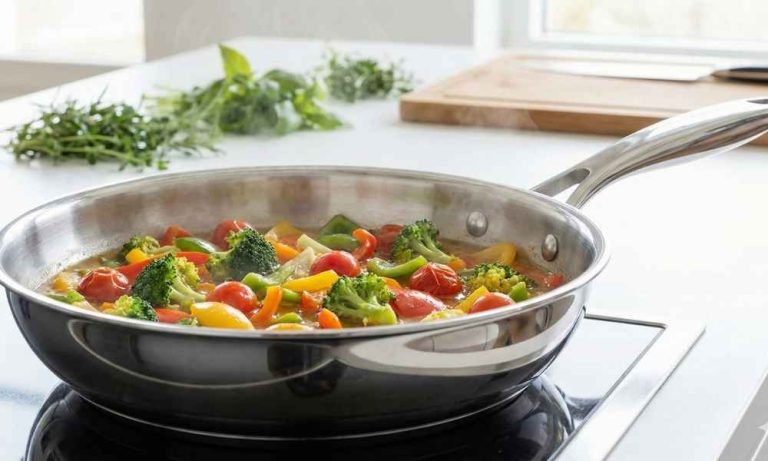
- Many stainless steel pans
- Some enameled cast iron
- Cookware labeled induction ready
Cookware that usually does not work includes:
- Aluminum without a magnetic base
- Copper without magnetic backing
- Glass
- Ceramic without induction-compatible material
Using the wrong pan is not usually dangerous, but it can be frustrating and inefficient.
Are There Any Health Risks?
For most users, induction cooking does not pose known health risks when used normally. It does not produce combustion gases, which is a major advantage over gas stoves.
That said, there are a few reasonable caveats:
- People with implanted medical devices should seek medical advice
- Users should avoid standing too close to active burners longer than needed
- Damaged appliances should be repaired or replaced
- Children should not be allowed to play near the cooktop
The most important thing to remember is that “safe” does not mean “careless.” It means safe within normal, sensible use.
Signs Your Induction Cooktop May Not Be Safe
If your induction cooktop is behaving oddly, do not ignore it. Safety problems often start small.
Watch for these warning signs:
- Strange buzzing or clicking that gets worse over time
- Burn marks or cracking on the glass
- Error codes that keep returning
- Uneven heating or pan detection issues
- Burning smells from the unit itself
- Loose cords or tripped breakers
If you notice any of these, stop using the cooktop and have it checked by a qualified technician. A small repair now is far better than a bigger problem later.
Frequently Asked Questions About Is Induction Cooktop Safe
Is induction cooktop safe to use every day?
Yes, induction cooktops are safe for daily use when installed correctly and used with the right cookware. They are popular because they heat quickly, cool faster than many other stoves, and do not use open flame.
Can induction cooktops cause burns?
Yes, you can still get burned from the hot pan or from a surface warmed by the cookware. The cooktop itself usually cools faster than other stove types, but you should still treat the pan as hot after cooking.
Is induction cooktop safe for pregnant women?
For most people, induction cooking is considered safe during pregnancy. If you have a medical concern or are using a special device, it is always wise to ask your doctor for personal advice.
Do induction cooktops use a lot of electricity?
They use electricity, but they are often very efficient because they heat cookware directly. In many homes, that efficiency helps reduce wasted energy compared with other stove types.
Is induction cooktop safe if you have a pacemaker?
It may be safe, but it depends on the pacemaker model and medical guidance. People with implanted devices should check with their doctor and follow manufacturer instructions before using an induction cooktop.
Conclusion
So, is induction cooktop safe? For most homes, yes, it is a very safe and practical cooking choice when used with the right cookware and basic care. It offers a strong mix of control, efficiency, and peace of mind, especially compared with gas stoves.
The biggest thing I want you to remember is that safety comes from both the appliance and the habits around it. If you use the right pans, keep children away from hot cookware, and follow the manufacturer’s instructions, induction can be a smart upgrade for your kitchen.
If you’re deciding whether to buy one, take a closer look at your cooking style, your cookware, and your home setup. Then make the choice that fits your life best, and feel free to explore more kitchen safety tips or leave a comment with your own experience.