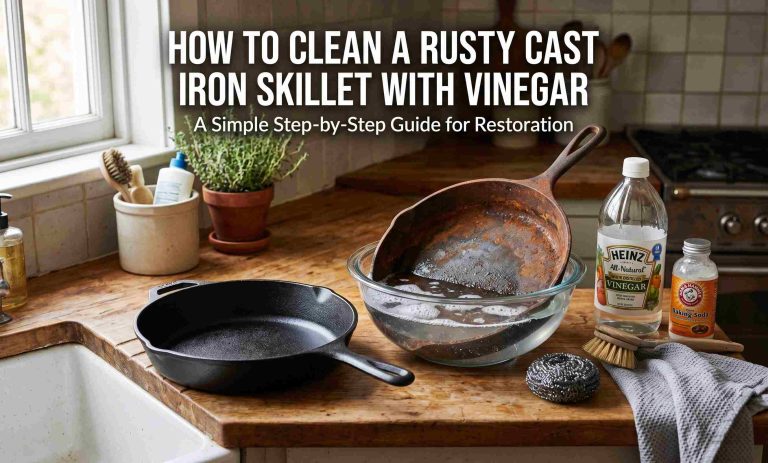
Can You Season Cast Iron With Olive Oil? Expert Tips 2026

Can You Season Cast Iron With Olive Oil
Cast iron cookware has been loved for generations. It is prized for its strength, long heat retention, and the flavor it adds to food. To keep cast iron performing its best, you must season it. Seasoning is the process of building a thin, baked-on layer of oil that creates a natural non-stick surface and protects the metal from rust.
Many cooks reach for vegetable oil, canola, or shortening when seasoning. But what about olive oil? Can you season cast iron with olive oil? Is it a smart choice, or are there better options? In this article I give a clear, practical answer. I also share tips I’ve learned from personal use and from testing.
You’ll learn how seasoning works, what makes a good seasoning oil, how olive oil compares to other oils, and step-by-step methods to use olive oil well if you choose it. I’ll also cover troubleshooting, maintenance, and alternatives so you can pick the best approach for your skillet or Dutch oven. Let’s get into it.
Quick Answer
Yes — you can season cast iron with olive oil, but it is not the best choice for building a durable seasoning. Olive oil works for light maintenance and low- to medium-heat cooking. For initial seasoning or a hard, long-lasting layer, oils with higher smoke points like grapeseed, canola, or specialty products like flaxseed oil are better.
Understanding Cast Iron Seasoning
Seasoning is not just about flavor. It protects the pan and improves performance. When you season cast iron, you are creating a layer of polymerized oil. This baked-on coating reduces sticking, prevents rust, and extends the pan’s life. Without seasoning, cast iron is rough and can rust quickly after washing.
The chemical process behind seasoning is called polymerization. Heat causes the oil to break down and form long chains. These chains harden into a smooth, black coating that bonds to the metal. Each use and seasoning session strengthens that layer. In my experience, a well-seasoned skillet feels almost glassy and really improves over time.
Seasoning isn’t only for new pans. Old pans need touch-ups after heavy scrubbing or cooking acidic foods like tomatoes. If your pan is sticky, dull, or rusty, re-seasoning restores performance.
What Makes A Good Seasoning Oil?
Not every oil is ideal. Here are the key factors I check when picking an oil for seasoning:
- Smoke Point – The oil must withstand high heat. Oils that smoke too early can leave sticky or uneven layers.
- Polymerization Quality – The oil should form a hard, durable coating when heated.
- Availability and Cost – It should be easy to find and reasonably priced for repeated use.
- Neutral Flavor – A neutral oil won’t transfer unwanted tastes to your food.
Common Oils For Seasoning
Typical choices include:
- Flaxseed oil
- Vegetable oil
- Canola oil
- Grapeseed oil
- Lard or shortening
Each has pros and cons. That’s why cooks argue about olive oil. Let’s look closer at olive oil’s traits and how they affect seasoning.
Olive Oil: Properties And Popularity
Olive oil is one of the world’s most used oils. It’s prized for its taste and health benefits. But does that make it a good choice for seasoning cast iron?
Key properties to note:
- Smoke Point: Extra virgin olive oil smokes around 375°F (190°C). Regular or light olive oil smokes higher—up to ~400–465°F (204–240°C) depending on processing. This is lower than many neutral oils.
- Flavor: Olive oil can add a fruity or peppery note. That flavor can be pleasant, but it may not be desired for every dish.
- Fat Profile: High in monounsaturated fats, which polymerize differently than polyunsaturated fats.
- Cost: Good olive oil can be pricey, which matters if you season often.
Smoke point is the critical factor for seasoning. It determines how cleanly an oil will bake into a coating.
The Science Of Smoke Point And Polymerization
The smoke point is the temperature where oil starts to break down and smoke. Oils that reach smoke point during seasoning can burn. Burned oil can polymerize unevenly and leave a sticky finish.
When seasoning, most experts and manufacturers heat pans to 450°F (232°C) or higher. That temperature is above extra virgin olive oil’s smoke point. Oils with smoke points above ~400°F (204°C) are safer bets for durable seasoning.
Not all oils polymerize the same way. Flaxseed oil dries to a very hard, glassy layer. Canola and grapeseed give good, flexible coatings. Butter and coconut oil do not form reliable layers for cookware. Olive oil will polymerize, but it tends to form a softer layer and often needs more cycles to build up.
Can You Use Olive Oil For Seasoning?
You can season cast iron with olive oil. But for most people, it’s not the best choice for creating the first durable layers. Here’s why in plain terms:
- Lower Smoke Point: Olive oil often smokes before a hard layer forms, especially extra virgin.
- Sticky Residue Risk: Burning the oil can leave a tacky or uneven finish.
- More Frequent Reseasoning: Olive oil layers may wear faster and need touch-ups more often.
Even so, olive oil is fine for daily maintenance. Many people cook with olive oil in cast iron and never have problems because regular cooking helps maintain the seasoning slowly.
When Olive Oil Might Be A Good Choice
- Daily Maintenance: After washing, wiping a thin film of olive oil on a warm pan prevents rust and keeps the surface smooth.
- Flavor Preference: If you enjoy the olive oil taste, it can subtly season food over time.
- Diet or Allergy Needs: Olive oil is useful for those avoiding certain vegetable oils or animal fats.
Comparing Olive Oil To Other Seasoning Oils
To compare options, consider smoke point, polymerization quality, cost, and flavor:
| Oil Type | Smoke Point (°F) | Polymerization Quality | Cost | Flavor |
|---|---|---|---|---|
| Extra Virgin Olive Oil | 375 | Medium-Soft Layer | High | Strong |
| Canola Oil | 400 | Good, Hard Layer | Low | Neutral |
| Flaxseed Oil | 225 | Very Hard, Brittle | High | Nutty |
| Grapeseed Oil | 420 | Good, Hard Layer | Medium | Neutral |
| Lard/Shortening | 370 | Good, Hard Layer | Low | Mild |
This table shows olive oil’s smoke point is lower than many alternatives. Flaxseed oil is an exception: it polymerizes into a very hard finish but has a low smoke point and can become brittle if overapplied. Grapeseed and canola combine higher smoke points with neutral taste and affordable cost. Those traits make them reliable choices for a long-lasting seasoning.
How To Season Cast Iron With Olive Oil (if You Choose To)
If you decide to use olive oil, follow a careful method. Thin layers and patience make the difference.
- Clean the Pan: Wash the cast iron with warm water. If the pan is rusty or has old sticky oil, scrub with steel wool or a stiff brush. Rinse and dry completely.
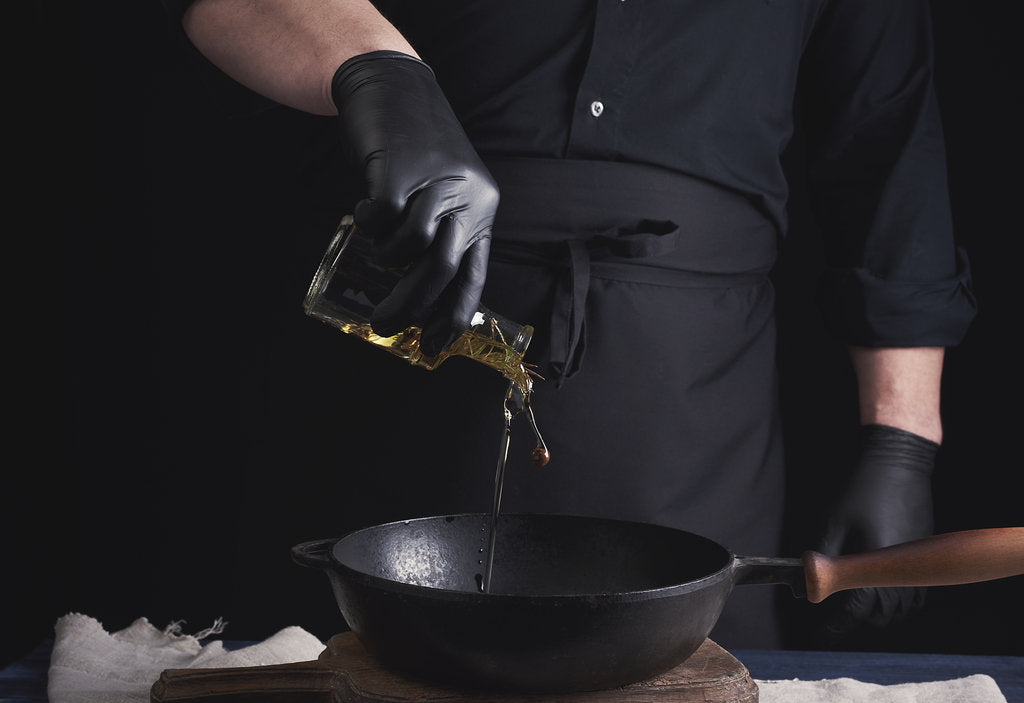
- Apply a Thin Layer of Olive Oil: Add a few drops of oil. Use a paper towel to spread a very thin film over the inside and outside. Wipe off excess until the surface looks nearly dry. Too much oil causes a sticky finish.
- Heat in Oven: Place the pan upside down in a cold oven. Put foil on the lower rack to catch drips. This prevents pooling and uneven spots.
- Set Oven to 375°F (190°C): Use this for extra virgin olive oil to match its smoke point. For light or pure olive oil you can try up to 400°F (204°C). Watch for smoke.
- Let Cool: Turn off the oven and let the pan cool fully inside before handling.
- Repeat: Do steps 2–5 three to five times. Multiple thin layers build a stronger finish than one thick layer.
Tips For Better Results
- Always use a very thin layer. I wipe until the pan looks almost dry.
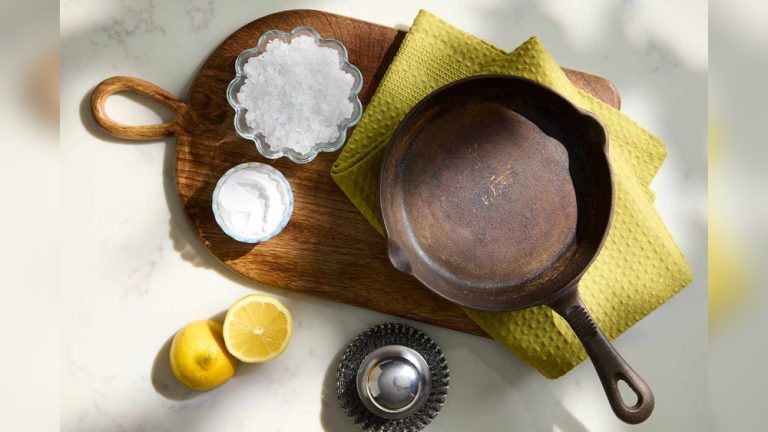
- If the pan feels sticky after seasoning, scrub with coarse salt and a little water. Rinse, dry, and re-season with a thinner coat.
- Rotate the pan between layers if your oven has hot spots. This yields even seasoning.
- Be patient. Olive oil builds up slowly. I usually do at least three sessions before calling it done.
Pros And Cons Of Seasoning With Olive Oil
Here’s a quick pros-and-cons breakdown to help you decide.
Pros
- Readily Available: Most kitchens have olive oil on hand.
- Natural and Healthy: Good for people who prefer minimally processed fats.
- Adds Mild Flavor: Some cooks like the subtle taste olive oil leaves behind.
Cons
- Lower Smoke Point: More likely to burn and create sticky layers.
- Less Durable: The seasoning may need refreshes more often.
- Cost: Good olive oil is pricier than many neutral oils used for seasoning.
Common Mistakes When Seasoning With Olive Oil
Beginners often make these mistakes. I’ve learned them the hard way:
- Using Too Much Oil: Thick layers do not polymerize well. Always wipe off excess.
- Heating Too Hot: Going far above an oil’s smoke point causes burning and stickiness.
- Only One Layer: One pass rarely gives a durable coating. Repeat 3–5 times.
- Skipping Cleaning: Seasoning won’t stick to dirt or rust. Start clean.
- Ignoring Oven Hot Spots: Rotate pans between rounds to ensure even baking.
Olive Oil For Daily Use And Maintenance
Even if you don’t use olive oil to build a seasoning, it’s fine for daily care. After cleaning, put a drop or two of olive oil on a warm pan and wipe it in. This thin coat helps prevent rust and keeps the surface smooth.
Cooking with olive oil in a seasoned cast iron pan is safe. It won’t ruin the seasoning when used at medium heat. The seasoning is most at risk when you cook at very high heat often or when you let oil build up without wiping excess.
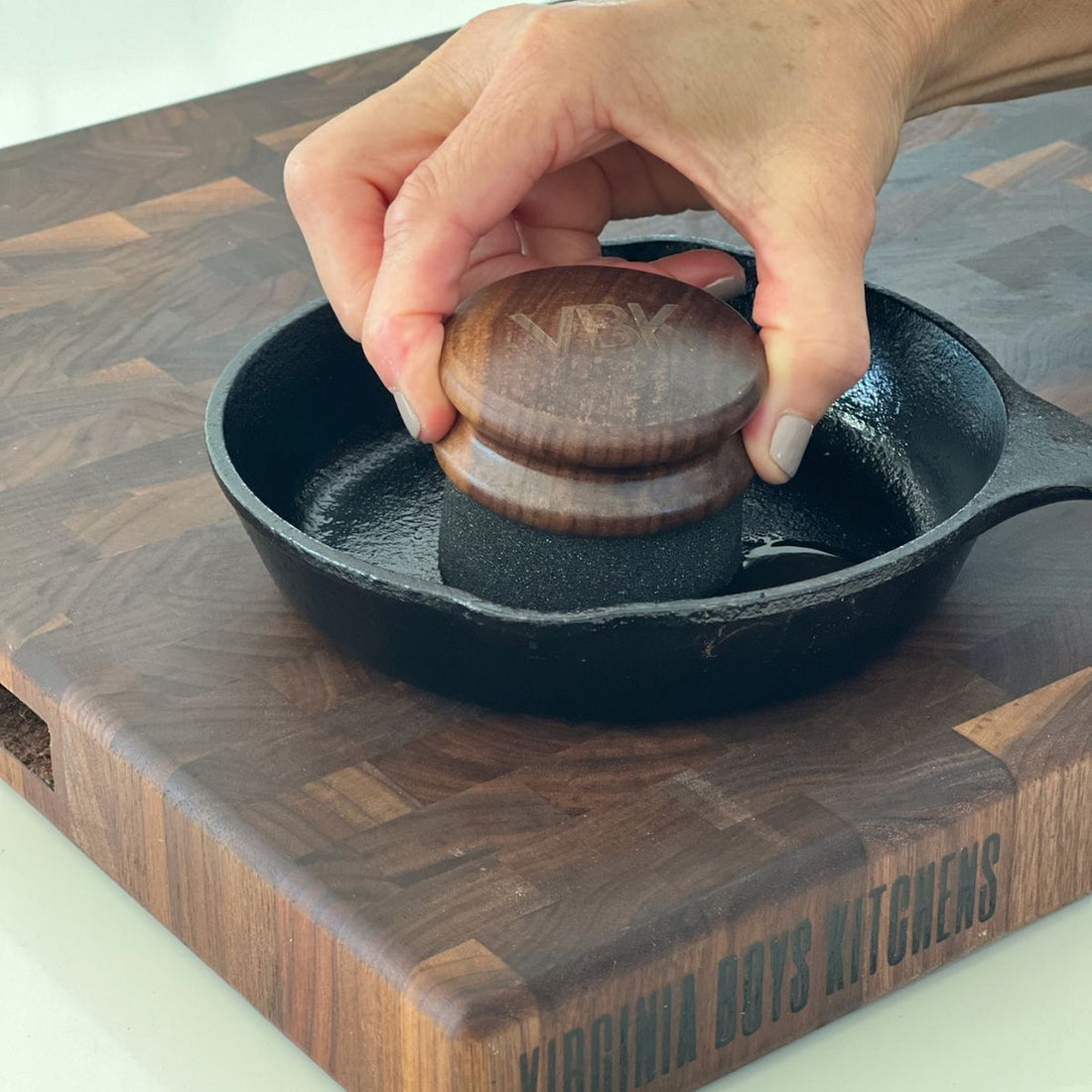
Credit: virginiaboyskitchens.com
Real-world Experiences: What Home Cooks Say
Here are common reports from home cooks and seasoned cast iron users:
- Some people find their pans sticky after using olive oil, especially when the oil overheats.
- Others use olive oil only for maintenance and never run into issues.
- A few cooks report success building seasoning with olive oil by keeping layers extremely thin and repeating many times.
Two extra points I’ve noticed: the age and current seasoning of a pan change the outcome. Older pans with a strong base layer tolerate olive oil better. Also, your kitchen’s humidity and storage affect results—humid climates can speed rancidity in thin oil films.
Alternatives To Olive Oil For Cast Iron Seasoning
For a longer-lasting, harder seasoning, consider these options:
- Grapeseed Oil: High smoke point, neutral flavor. Great for everyday seasoning.
- Canola Oil: Affordable, neutral, and reliable.
- Flaxseed Oil: Forms a very hard, glossy layer. Use very thin coats to avoid brittleness.
- Vegetable Shortening: Traditional and dependable.
- Lard/Tallow: Classic choice that produces durable seasoning for those who use animal fats.
| Oil/Fat | Best For | Drawbacks |
|---|---|---|
| Grapeseed Oil | Everyday seasoning | Medium price |
| Canola Oil | Budget seasoning | Some dislike GMO |
| Flaxseed Oil | Extra hard layers | Brittle if overused |
| Vegetable Shortening | Traditional seasoning | Not vegan/healthy for some |
| Lard | Classic flavor | Animal product |
Credit: unocasa.com
How To Fix Sticky Or Rancid Seasoning
If your pan becomes sticky or smells off after using olive oil, you can restore it. Here’s how I do it:
- Scrub the Surface: Use coarse salt and a little water as an abrasive. Scrub until the sticky layer is removed.
- Wash and Dry: Rinse with hot water, dry thoroughly, then heat the pan on the stovetop to evaporate any trapped moisture.
- Re-Season With a Different Oil: If the sticky layer is stubborn, switch to a high smoke point oil and follow the seasoning steps again.
If the smell persists, bake the empty pan at 450°F (232°C) for an hour to burn off old oil residues. Repeat cleaning and reseasoning as needed until the pan is neutral and smooth.
Is Olive Oil Safe For All Cast Iron Products?
Olive oil is safe for all types of uncoated cast iron — skillets, griddles, and Dutch ovens. But keep these points in mind:
- Enamel-Coated Cast Iron: These do not require seasoning. Olive oil won’t bond the same way to enamel.
- Brand New Pans: For the initial seasoning layers, a high smoke point oil is usually a better choice to build a strong base.
Expert Opinions On Olive Oil For Cast Iron
Cookware brands like Lodge and many chefs usually recommend oils with higher smoke points—canola, grapeseed, or vegetable oil—for seasoning. They often mention olive oil as a maintenance option rather than the best choice for building seasoning.
For deeper reading, see the Serious Eats guide. It explains why smoke point and polymerization matter more than a given oil’s health profile when you’re seasoning cookware.
Choosing The Right Olive Oil For Seasoning
If you prefer olive oil, pick light or pure olive oil, not extra virgin. Light olive oil is more refined and often has a higher smoke point—sometimes around 465°F (240°C). The milder flavor and higher smoke point reduce the chance of burning and sticky residue.
Still, extra virgin olive oil remains a second-choice for high-heat seasoning. Reserve it for cooking and flavor, not for building the base seasoning.
Step-by-step: Seasoning With Olive Oil (detailed Guide)
Here is a detailed process I recommend when using olive oil. Follow each step carefully for the best results:
1. Preparation
- Wash the pan with warm water and mild soap. It’s okay to use soap when prepping a new pan. I do this to remove factory oils.
- Dry completely. Any leftover water will cause rust. I always towel-dry and then warm the pan briefly on the stove to evaporate hidden moisture.
2. Apply Oil
- Pour about 1/2 teaspoon of olive oil onto the pan.
- Use a paper towel to rub a thin layer everywhere: inside, handle, and outside.
- Wipe off extra. The pan should look barely shiny, not slick or wet.
3. Bake
- Place the pan upside down on the middle rack so gravity doesn’t pool oil inside.
- Line the lower rack with foil to catch drips.
- Set the oven to 375°F (190°C) for extra virgin olive oil. If using light olive oil, you can try up to 400°F (204°C). Watch for any smoking.
- Bake for one hour.
4. Cool
- Turn off the oven and let the pan cool fully inside. Cooling slowly helps the polymerized layer cure evenly.
- Only touch the pan when it is cool.
5. Repeat
- Repeat steps 2–4 three to five times for the best results. Multiple thin layers are stronger and less prone to flaking.
- After several rounds, test the surface by frying an egg. It should release easily when the seasoning is good.
Practical Tips For Better Cast Iron Care
- Never soak cast iron in water. That causes rust.
- Dry after every use. I warm the pan on low heat for a minute to evaporate any water.
- Avoid cooking very acidic foods (tomato, vinegar) until the seasoning is strong.
- Use cast iron often. Cooking fatty foods like bacon helps build seasoning naturally.
- Store in a dry place. If you live somewhere humid, leave the lid ajar or place a paper towel inside to absorb moisture.
Credit: www.reddit.com
When Olive Oil Is A Bad Idea
Choose a different oil if:
- You cook with very high heat often (searing steaks). Olive oil seasoning will break down faster.
- You live in a very humid climate and worry about thin oil films going rancid.
- You want a super hard, glassy layer quickly. Use flaxseed or grapeseed oil instead.
How To Tell If Your Pan Is Properly Seasoned
A well-seasoned pan is:
- Smooth and shiny (not sticky)
- Food slides off easily
- Water beads on the surface
- Does not smell rancid
If your pan is sticky, dull, or smells, the seasoning needs work. Follow the cleaning and reseasoning steps above.
Why Some Cooks Still Use Olive Oil
People choose olive oil for seasoning for practical or personal reasons:
- They like the flavor it imparts.
- They have allergies to other oils or avoid animal fats.
- They prefer to use what’s already in their pantry.
- They cook mostly at low to medium heat and perform regular maintenance.
If that sounds like you, olive oil can work. Just keep expectations realistic and be ready to maintain the pan more often.
Is Seasoning With Olive Oil Worth The Effort?
For most people, a high smoke point oil is easier and more forgiving. Olive oil is not “bad.” It simply needs more care. If you don’t mind reseasoning regularly and you cook at lower heat, olive oil will keep your pan functioning and rust-free.
Suggested Amazon Product
For those wanting an easy start, consider the Lodge Cast Iron Care Kit. It includes seasoning spray, a cleaning brush, and a pan scraper. While the kit uses canola oil, it helps you keep your pan in top shape. You can find it here: [Lodge Seasoned Cast Iron Care Kit on Amazon](https://www.amazon.com/Lodge-Seasoned-Cast-Iron-Care/dp/B01M1NB6B3).
Frequently Asked Questions
Is Olive Oil Good For Seasoning Cast Iron?
Olive oil works, but it is not the best. Its lower smoke point can make seasoning sticky or uneven. If you use it, keep layers thin and use lower oven temperatures. For a more durable finish, pick grapeseed, canola, or flaxseed oil.
Can I Cook With Olive Oil In A Seasoned Cast Iron Pan?
Yes. Cooking with olive oil is safe and will not hurt the seasoning if you stay at medium heat. Avoid frequent high-heat cooking with olive oil if you want the seasoning to last.
How Often Should I Season My Cast Iron With Olive Oil?
If you choose olive oil, expect to reseason more often—every few months or after heavy scrubbing. Other oils often last longer between sessions.
What’s The Best Oil For Seasoning Cast Iron?
Popular choices are canola, grapeseed, and flaxseed oil. They have higher smoke points and form harder, longer-lasting layers. Lard and tallow are also reliable if you prefer animal fats.
How Do I Fix A Sticky Cast Iron Pan After Using Olive Oil?
Scrub the sticky layer off with coarse salt and water or a stiff brush. Rinse, dry, and re-season with thinner coats. You can switch to a higher smoke point oil for a more durable finish.
Seasoning cast iron is straightforward, but the right oil makes it easier. Olive oil can work if you are patient and careful. For most cooks, oils with higher smoke points are more forgiving and produce a longer-lasting seasoning. If you use olive oil, use thin layers, bake carefully, and maintain the pan regularly. With care, your cast iron will serve you well for years to come.