Is Stainless Steel Toxic When Heated? A Simple Guide 2026

We have all been there. You look at your favorite shiny pan and ask, “Is this safe?” Maybe a headline worried you. Maybe you just care about what goes into your body. I get it. I worry about my kitchen gear too. Stainless steel is in almost every home. But is it safe when we crank the heat? I’ve tested pans, read studies, and cooked a lot. Here’s what I’ve learned, in plain language.
The short answer is: mostly yes. But there’s more to the story. I’ll break it down simply. No heavy science words. Just the facts you need to cook safely and confidently.
What Actually Happens to Stainless Steel at High Temperatures
To judge safety, we first need to know what the pan is made of. Stainless steel is not one pure metal. It’s an alloy. That matters for how it behaves under heat.
The Mix of Metals: What You Are Really Heating
Think of stainless steel like a recipe. It blends metals to get strength, shine, and rust resistance. Knowing the recipe helps you predict how it reacts when hot.

Here is the main recipe for most pans:
- Iron: The base metal. It gives strength. But iron by itself rusts easily.
- Chromium: The rust-fighter. Chromium forms a thin, protective oxide on the surface.
- Nickel: Adds toughness and shine. It also changes magnetic properties and corrosion resistance.
You might see numbers stamped on the pan. Like 18/10 or 18/8. Here’s what they mean:
- The “18” is 18% Chromium.
- The “10” (or 8) is percent Nickel.
- The rest is mostly Iron with small trace elements.
The Invisible Shield Chromium is the hero. It reacts with oxygen in the air to form a thin oxide layer. Scientists call this passivation. You cannot see it easily. But it seals the metal and keeps iron and nickel inside. As long as that shield stays intact, food is safe.
How Passivation Works (Quick)
Passivation is simple. Chromium atoms at the surface bind with oxygen. That creates chromium oxide. This oxide layer is stable. It heals if scratched lightly. That makes stainless steel corrosion-resistant over time.
Temperature Thresholds That Matter for Home Cooking
Heat changes metal. But we only need a few useful numbers for the kitchen. I give Fahrenheit and Celsius so you can relate.

- 300°F – 400°F / 150°C – 205°C (Normal Cooking): Good for eggs, sautéing, and most home cooking. The oxide layer stays strong. Migration is minimal.
- 500°F – 600°F / 260°C – 315°C (Searing): High heat for a steak crust. The metal expands. A quality pan handles this fine for short periods.
- 800°F+ / 425°C+ (Danger Zone): Very hot. This can happen with an empty pan on a burner or with direct flame on a grill. The oxide layer can fail. Metal structure can change.
Expert Note: The protective oxide is tough. But extreme heat can stress it. If a pan gets red-hot, the layer can crack. That is when metals can move into food more easily.
The Difference Between “Toxic” and “Moving”
This is key. Many people confuse two ideas. One is migration. The other is toxicity. They are not the same.
1. Migration (Moving) Tiny atoms of metal can move from the pan into food. This happens to cast iron and stainless. Acids like tomato sauce help this process. The amount is usually very small.
2. Toxicity (Harm) This is when the amount that moved causes real harm. For stainless steel this is rare. Most studies find migration stays far below harmful levels for most people.
Compare this to Teflon. If you overheat Teflon, it can release fumes. That is a toxic release. Stainless steel does not release hazardous fumes at normal stove temperatures. It does not melt in the pan range.
Put It In Context We eat small amounts of metals already:
- Spinach contains iron.
- Grains and nuts contain nickel.
- Chromium in small amounts helps metabolism.
The tiny metal trace that can leach from a pan is usually less than what’s in many foods. “Leaching” sounds alarming. But for most people, it is not dangerous at the typical levels.
The Real Risks: Separating Myth from Fact
Stainless steel is generally safe. Still, there are real risks to know. Let’s look at the evidence. I’ll point out what to watch for and why it matters.
Chromium and Nickel: The Health Details
These names sound chemical. Here’s what they actually mean for your health.
Chromium: The Good vs. The Bad Chromium exists in several forms. That confuses people.
- Chromium III: A nutrient. Your body needs small amounts. It helps with sugar metabolism. This is the benign form that can appear from cookware.
- Chromium VI: A toxic industrial form. This is the “Erin Brockovich” chemical. It’s dangerous in high exposures and not from good cookware.
- The Verdict: Cookware-grade stainless releases chromium in the safe, nutrient-like forms, not chromium VI. Good manufacturing practices prevent contamination.
Nickel: The Sensitivity Issue Nickel can be a real problem for some people. About 10%–15% of people show nickel allergy.
- If cheap jewelry gives you a rash, you might be nickel-sensitive.
- For sensitive people, even small nickel traces can trigger reactions.
- Cooking acidic foods can increase nickel leaching. If you react to nickel, take precautions.
When Stainless Steel CAN Release Substances
Stainless is tough. But it has weaknesses. Certain conditions weaken the oxide layer and increase migration.

1. The Acid Test Acidic foods are more aggressive to metal.
- Common acids: Tomato sauce, vinegar, lemon juice, wine.
- The risk: Simmering tomato sauce for hours in a brand-new pot increases metal migration. The acid attacks the surface.
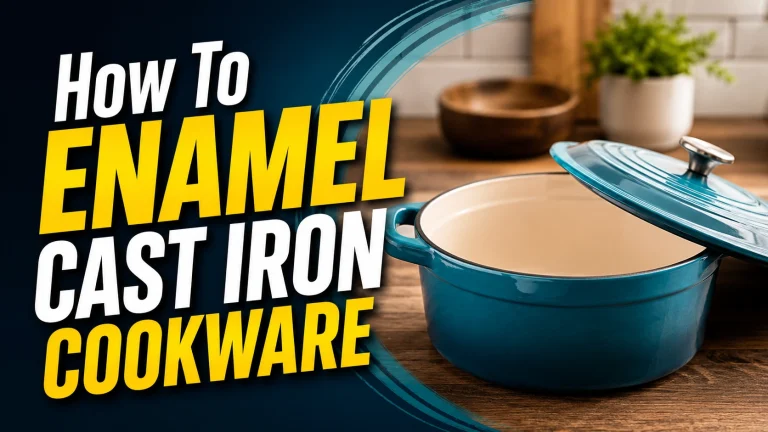
- Tip: For long, slow tomato sauces, use an enameled or glass pot. Or use a well-used stainless pan after it has been broken in.
2. Deep Scratches Superficial cleaning marks are fine. Deep gouges are a problem.
- If a scratch catches your fingernail, the protective layer is breached.
- That exposes the iron core. It can rust and leach more metal.
3. The Empty Pan Mistake Never heat an empty pan on high.
- Temperatures can spike quickly. An empty pan can reach 800°F / 425°C or more.
- Such heat can change the metal structure and damage the oxide layer. The surface may rainbow or discolor. That means the protective layer has been altered.
Common Myths About Stainless Steel
I see the same myths a lot. Let me clear them up quickly.
- Myth: Stainless steel always releases dangerous metals. Fact: Migration is usually tiny and below safety limits for most people.
- Myth: Shiny pans are toxic. Fact: Shiny often means well-finished, not unsafe.
- Myth: If it’s magnetic it’s low quality. Fact: Magnetic pans (like 430) are nickel-free and can be better for nickel-sensitive cooks.
The Manufacturing Quality Factor
Not all stainless is made the same. Grade and build matter. Here’s how to read labels and pick a good pan.
The Numbers Game
- 304 Stainless Steel: The common “18/10” or “18/8.” Durable. Good rust resistance. Great for most kitchens.
- 316 Stainless Steel: Often called “surgical grade.” It has molybdenum. It resists salt and acids better. It costs more. Good for heavy acid cooking or marine environments.
- 430 Stainless Steel: Cheaper and magnetic (18/0). No nickel. Good for nickel-allergic cooks. It can rust faster if not cared for.
Red Flags to Watch For
- Weight: A quality pan feels heavy for its size. Thin pans warp and create hot spots.
- Finish: A smooth, mirror-like interior is best. Pits or rough spots trap food and can corrode.
- Price: If a 10-piece set costs $30, be cautious. Very cheap steel can contain impurities or weak construction.
Comparing Stainless Steel to Other Pans
Is stainless steel the safest overall? It depends on the use. Let’s compare it to other popular pan types. I’ll point out safety and real-world pros and cons.

Stainless Steel vs. Non-Stick Coatings
We all love non-stick for eggs. But non-stick coatings and high heat don’t mix well.
The Heat Problem
- Non-Stick: Traditional non-stick coatings (PTFE/Teflon) degrade above about 500°F / 260°C. They can release fumes that cause temporary flu-like symptoms in humans and harm to pet birds.
- Stainless Steel: Can handle high heat for searing. It won’t release fumes. It stays solid even when very hot. It’s the safer choice for high-heat cooking.
The Chemical Worry
- You may have heard of PFAS. These are “forever chemicals” used in some non-stick coatings.
- Stainless steel has no coating. There is no chemical layer to scratch off. You don’t have to worry about ingesting flakes of coating.
Winner for High Heat: Stainless Steel. It’s safer for searing and long-term durability.
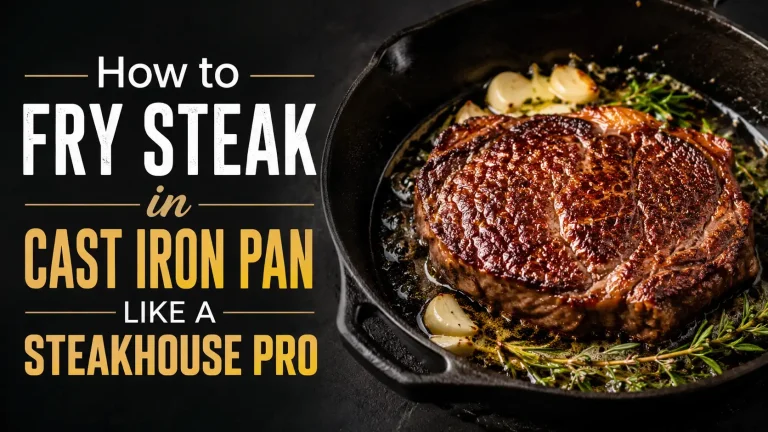
Stainless Steel vs. Cast Iron
Cast iron is a classic. It behaves differently from stainless steel.
Leaching Metals
- Cast Iron: Releases iron into food. That can be a benefit for people with low iron. But acidic dishes can extract more iron and may taste metallic.
- Stainless Steel: Releases much less metal than cast iron. It keeps food tasting neutral.
The “Seasoning” Layer
- Cast iron needs seasoning. That is baked-on oil that makes it non-stick.
- High heat or scrubbing can damage seasoning.
- Stainless steel needs no seasoning. It’s ready out of the box.
Winner for Acidic Food: Stainless Steel. It won’t change the flavor of tomato sauces or wine-based dishes.
Stainless Steel vs. Ceramic and Glass
Ceramic-coated pans look great. But coatings vary. So do risks.
The Glaze Risk
- Pure ceramic or glass is safe when intact.
- Some ceramic-coated metal pans use low-quality glazes. Cheap glazes can contain lead or cadmium. If the coating chips, those metals can reach food.
- Stainless steel has no toxic glaze. It is the same metal through and through.
The Breakage Risk
- Glass and some ceramics can shatter with thermal shock. Hot-to-cold transitions can break them.
- Stainless steel won’t shatter. It may warp if abused, but it stays intact and safe to use.
Winner for Durability: Stainless Steel. With care, a good pan can last decades.
How to Use Stainless Steel Safely
You now know the risks and how stainless compares. Here are practical habits. They keep metal in the pan and out of your food.
Preventing Metal Migration
We want the metals to stay in the pan. These habits reduce migration and keep food tasting pure.
1. The “Break-In” Period New pans are more active. They can release slightly more metal at first.
- Wash it well: Scrub with hot, soapy water before first use.
- Boil water: Fill it, bring to a boil for 10 minutes, then dump the water. This helps settle the surface.
- Wait on acids: Skip a long tomato sauce for the first use. Cook rice, pasta, or vegetables instead. Let the protective layer stabilize.
2. Heat it Right
- Don’t shock it: Avoid putting a freezing-cold pan on high heat.
- Order matters: Heat the pan on medium, then add oil. This prevents sticking and hot spots.
You can also read :Is Stainless Steel Cookware Safe?
Managing the Temperature
You don’t need a thermometer to know when the pan is ready. Use simple visual tests.
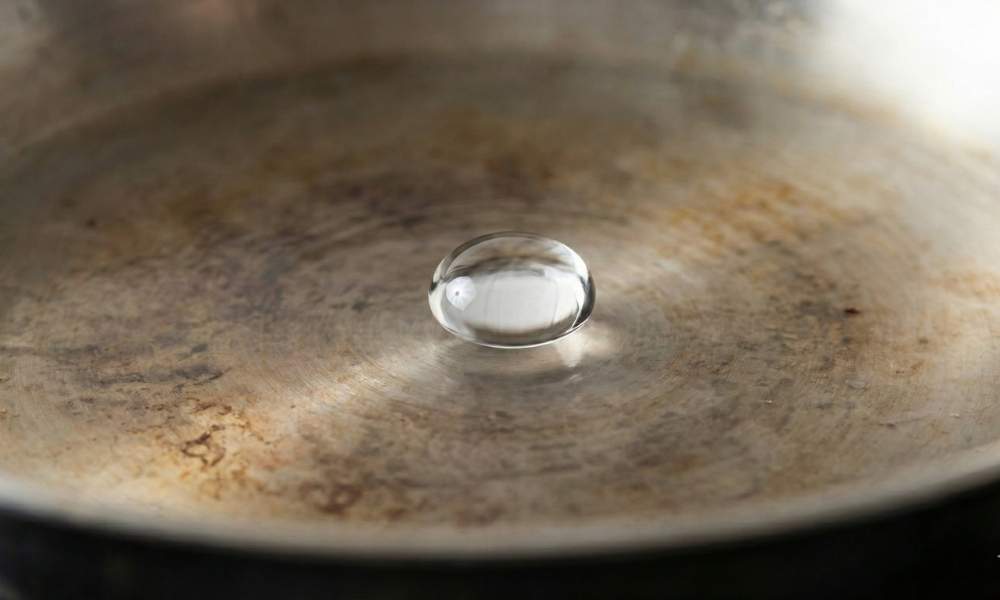
The Water Drop Test This is an easy trick I use all the time.
- Heat the pan on medium for a few minutes.
- Flick a few drops of water into the pan.
- Too cool: Water sizzles and spreads flat.
- Just right: Water forms a bead and skates like a marble. That means the pan is at a good searing temperature.
- Too hot: Oil smokes. If oil smokes, lower the heat. Burnt oil is unhealthy and can alter flavor.

Oven Safety Stainless steel is great in the oven.
- The metal body usually tolerates 500°F / 260°C or more.
- Check the handles: Some pans have plastic or rubber on the handles. Those can melt.
- Check the lid: Glass lids often handle up to about 350°F–400°F. Confirm the manufacturer’s limits.
Cleaning and Care
Good cleaning habits protect the protective layer. They keep the pan safe and looking new.
1. Skip the Bleach Never use bleach on stainless steel. Bleach attacks the metal and causes tiny pits. Those pits trap residue and bacteria.
2. The Power of Baking Soda Burnt-on food happens. Here’s a gentle fix I use.
- Add water and a few tablespoons of baking soda.
- Bring it to a boil for a few minutes.
- The burnt residue softens and wipes off with ease. No harsh scrubbing needed.
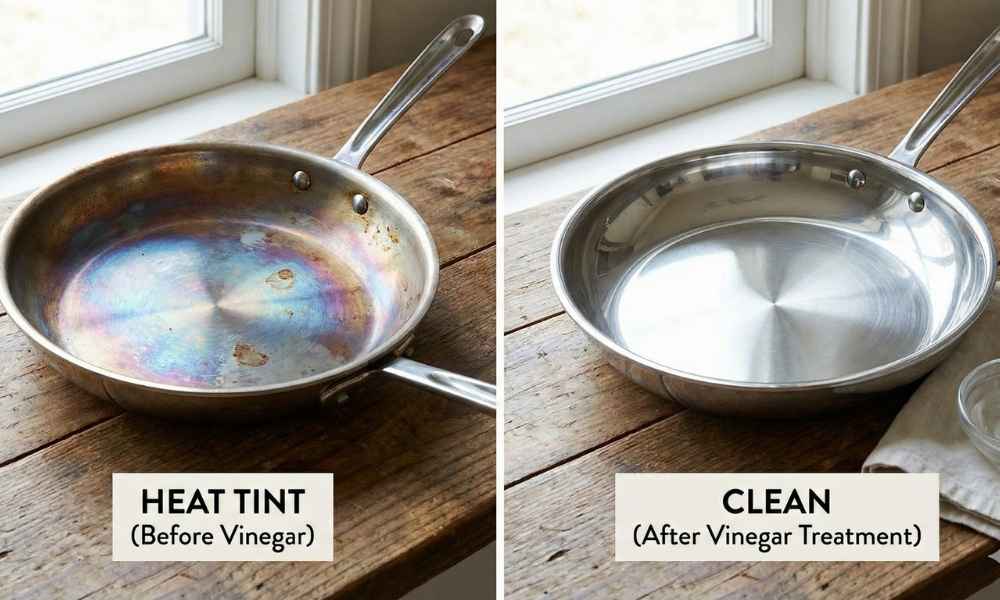
3. Fixing the Rainbow Sometimes heat leaves a blue or rainbow tint. This is called heat tint. It is not toxic. If you want to remove it, wipe with vinegar or a stainless cleaner. The discoloration comes off quickly.
4. When to Throw it Away Stainless steel lasts a long time. Still, watch for deep pits and heavy corrosion. If the bottom looks cratered—like the surface of the moon—replace the pan. A smooth surface is essential for safety and performance.
Special Scenarios and The Final Verdict
We covered the basics. Now let’s handle special cases. I’ll show when to be extra cautious and how to test your cookware at home.
When to Be Extra Careful
Some situations need more care. Here’s what I watch for in my kitchen.
1. High-Heat Grilling Grills reach higher temperatures than stovetops.
- Keep an eye on pans used on a grill.
- Never leave them empty on the flame.
- If a pan turns dark grey or chalky black, it probably overheated. The metal may be weakened or brittle now.
2. Cooking for Sensitive People
- Babies: Babies have smaller bodies and absorb metals faster. Avoid cooking acidic baby food in a brand-new stainless pot. Use glass or enamel for baby foods when possible.
- Allergies: If you have a nickel allergy, test your pan. If you react, switch to 430 grade (nickel-free) stainless or use alternatives like cast iron or high-quality ceramic.
How to Test Your Cookware at Home
You don’t need a lab. Simple tests give useful clues about the metal and build quality.
The Magnet Test Grab a fridge magnet.
- Stick it to the bottom of the pan.
- Sticks strongly: This often means it’s magnetic steel (like 430). That can be nickel-free and good for induction stoves.
- Does not stick: Likely higher-nickel steel (304). That’s common in quality cookware and offers better corrosion resistance.
The Weight Check Pick up the pan.
- Heavy for its size? Good. It likely has a thick base and heats evenly.
- Feels flimsy? It may warp and create hot spots. That can lead to burnt food and stressed metal.
The Visual Check Look under good light at the inside surface.
- It should be smooth and even, like a mirror.
- Tiny black specks or pits are signs of poor quality. Those spots can corrode over time.
Expert Recommendations and Verdict
Here’s the bottom line from my experience and the science.
The Science Says: For 99% of people, stainless steel cookware is safe. Metal migration is tiny. It falls far below toxic thresholds. We often get more metals from food and supplements than from our pans.
The “Risk Tree” Decision Guide
- Low Risk: Boiling water, cooking rice, frying eggs, searing meat.
- Verdict: Safe. Use stainless steel freely.
- Moderate Risk: Simmering tomato sauce for 30 minutes.
- Verdict: Safe. Prefer a well-used pan over a brand-new one. Or use enameled cookware for long simmers.
- High Risk: Storing acidic food in the pan overnight.
- Verdict: Avoid. Move leftovers to glass or ceramic containers. Long storage increases migration.
Your Safety Checklist
Cut this out and stick it on your fridge. These quick steps keep your pans safe and your meals clean.
- Wash new pans well. Boil water in them once before cooking.
- Don’t overheat empty pans. Add oil after the pan is warm, not before.
- Use glass for storage. Don’t leave leftovers in the steel pot overnight.
- Watch the acids. For all-day tomato sauce, use enameled cookware.
- Replace pitted pans. If the surface is deeply pitted, toss it and buy a new one.
Stainless steel is a kitchen workhorse. Treat it with a little respect and it will serve you safely for years. I use mine almost every day. With the tips above, you can too. Happy cooking!
Read more: Best Non-Toxic Cookware for Health