Symptoms Of Teflon Poisoning In Humans: Key Signs & Tips 2026

Symptoms of Teflon poisoning in humans include flu-like illness after inhaling fumes.
If you’ve ever seen a nonstick pan smoke and felt “off” later, you’re not alone. I’ve spent years digging into cookware safety and public health. In this guide, I explain Symptoms of Teflon poisoning in humans in clear, plain language. I mix real-world tips, up-to-date science, and practical steps you can use today to stay safe in the kitchen and at work.
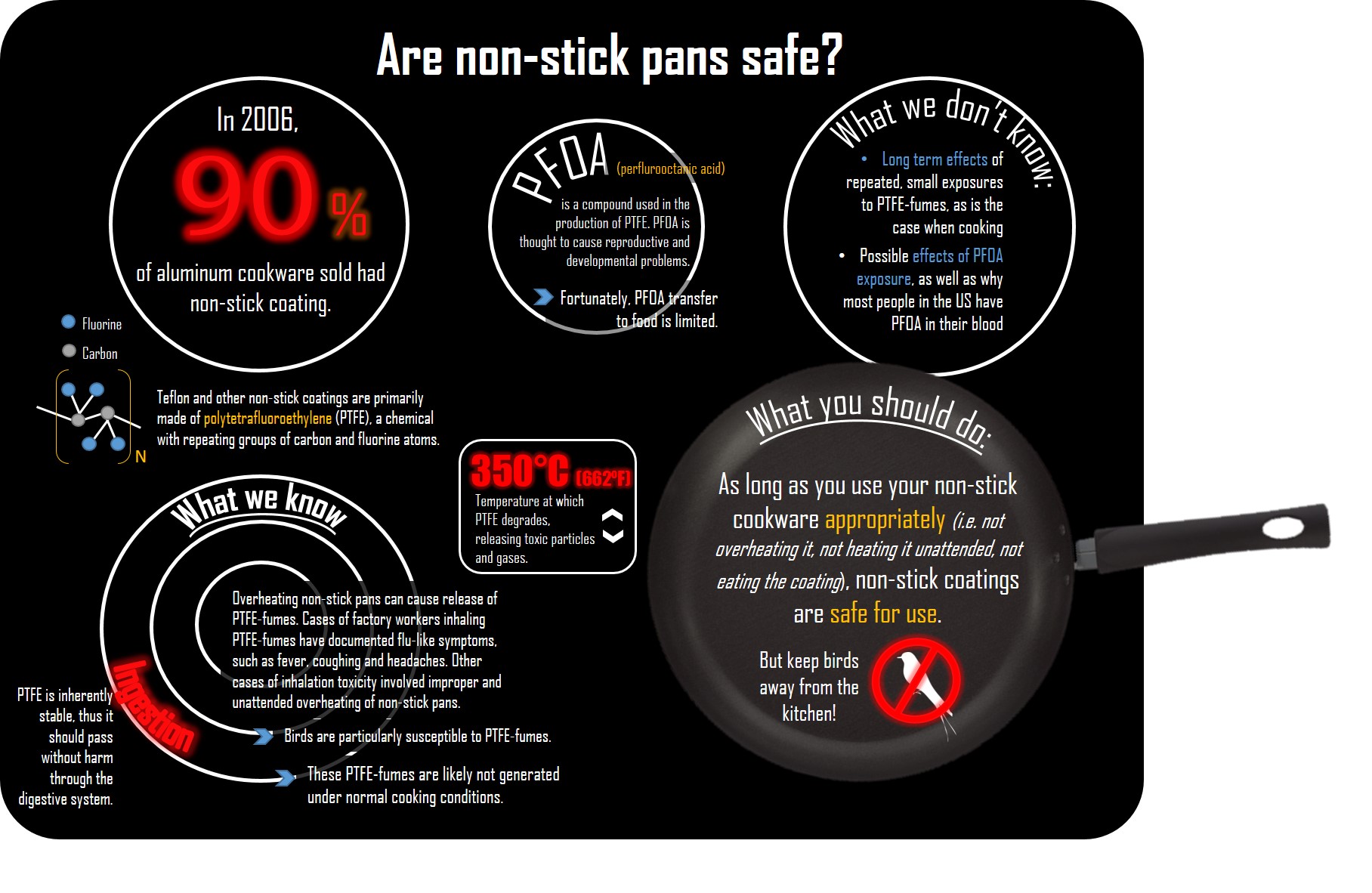 <figcaption style=”font-size: 14px; color: #555; margin-top: 8px;”>
Source: thepipettepen.com
What is Teflon, and how do exposures happen?
Teflon is the common brand name for PTFE (polytetrafluoroethylene). It gives pans a slick, nonstick surface. At normal cooking temperatures, PTFE is stable. When a pan gets too hot, the coating can break down. That breakdown makes fumes and tiny particles. Breathing them can irritate the lungs and cause a short, flu-like illness.
People also use the term “Teflon poisoning” when they mean PFAS exposure. PFAS (per- and polyfluoroalkyl substances) are a large family of industrial chemicals that were once used in some nonstick coatings and many other products. PFAS do not cause a quick flu. They can contaminate water and build up in the body over years. When people search for Symptoms of Teflon poisoning in humans, they usually mean one of two things:
- An acute fume event from overheated cookware (polymer fume fever)
- Long-term PFAS exposure from water, food, or the workplace
Common routes of exposure:
- Home cooking when a pan overheats and smokes
- Industrial settings where PTFE is heated, molded, or machined
- Handling PTFE dust or contaminated items
- Drinking water near PFAS-contaminated sites or using products that contain PFAS
Understanding Symptoms of Teflon poisoning in humans (acute polymer fume fever)
Most short-term cases described as Symptoms of Teflon poisoning in humans are polymer fume fever. This is an acute reaction to fumes from overheated PTFE. It often feels like a short, strong flu. Symptoms typically start a few hours after breathing the fumes. That delay—usually 4 to 8 hours—can make the link hard to spot.
What it feels like:
- Fever and chills that start later the same day or overnight
- Headache, body aches, and fatigue
- Dry cough, chest tightness, sore throat, or shortness of breath
- Nausea or a metallic taste in the mouth
Typical course:
- Symptoms usually peak within 24 hours and ease in 1–2 days
- Chest X-rays are often normal in mild cases
- Repeat exposures can cause repeat episodes, sometimes worse each time
Core Symptoms of Teflon poisoning in humans to watch:
- Sudden flu-like signs a few hours after a smoky pan incident
- Breathing trouble without a clear cold, allergy, or asthma trigger
- Fatigue that feels stronger than a normal tired day
Danger signs that need urgent care:
- Severe shortness of breath, chest pain, or very fast breathing
- Blue lips or fingertips, confusion, fainting, or severe dizziness
- Symptoms that worsen or do not improve after 24–48 hours
Can you get sick from overheated nonstick pans?
Yes. Overheated PTFE can create fumes that irritate the lungs. In people who breathe enough of those fumes, polymer fume fever can follow. Most household cases are mild. They get better when you leave the area and rest. But severe cases do occur, especially in high-heat or poorly ventilated settings.
How hot is too hot for Teflon?
PTFE starts to degrade at high heat. Risk rises quickly above about 500°F (260°C). Fume production grows more harmful around 660–750°F (350–400°C). Actions that can push you into this danger zone include broiling, leaving a pan empty on high heat, and long, very high sears.
How long do symptoms last?
Most people feel better in 24–48 hours after they leave the exposure. Severe cases or people with heart or lung disease may take longer and might need medical care. Repeat or heavy exposures can extend recovery time.
Chronic exposure: PFAS and long-term health questions
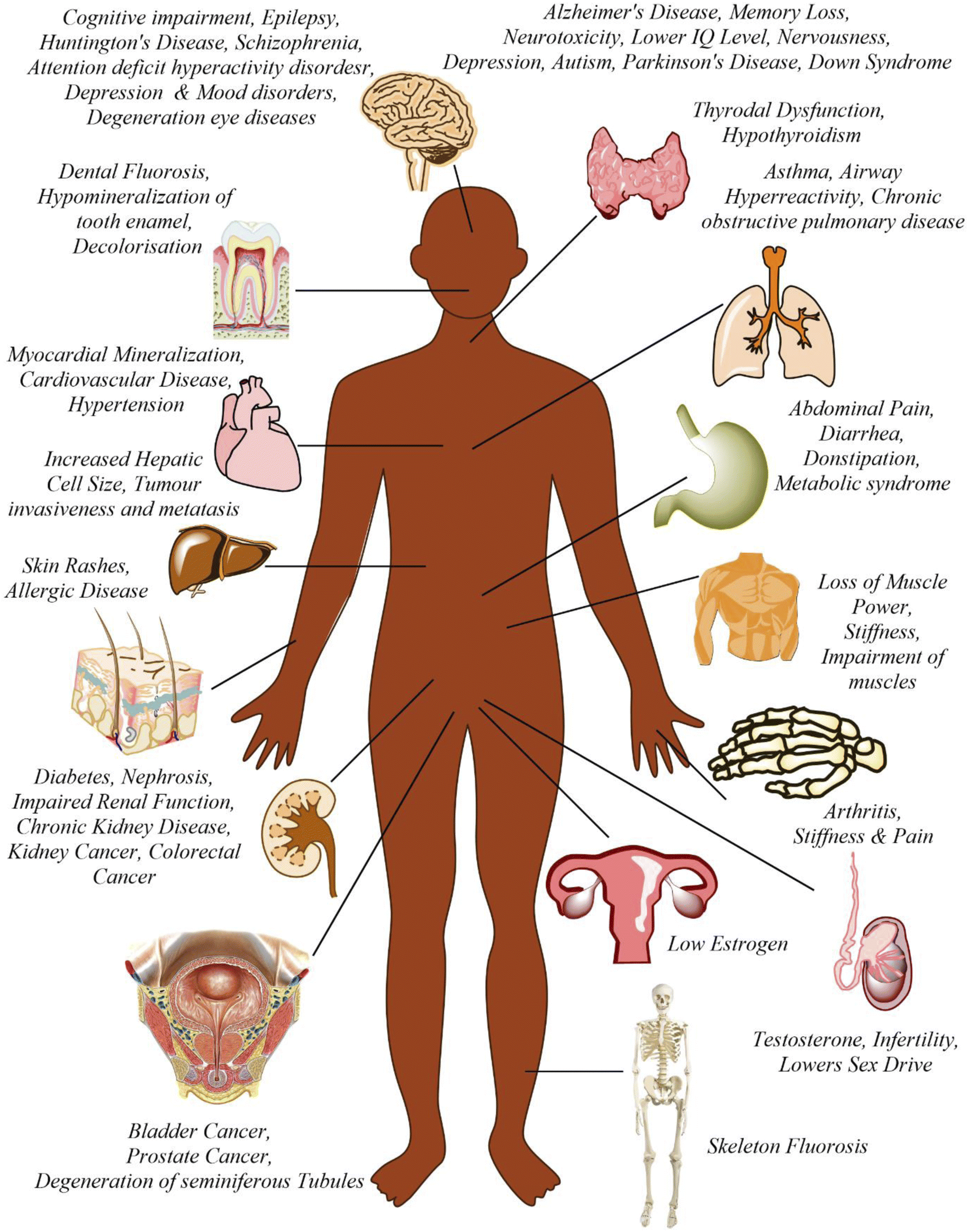
Many searches for Symptoms of Teflon poisoning in humans really point to PFAS health concerns. PFAS are sometimes called “forever chemicals.” They do not cause a sudden flu. Instead, certain PFAS can build up in the body over years. Research links long-term exposure to several health effects. These tend to show up slowly and often need blood tests or screening to detect.
What long-term PFAS exposure is linked to:
- Higher cholesterol and small changes in liver enzymes
- Thyroid disease, especially where iodine is low
- Lower vaccine response in some children
- High blood pressure during pregnancy (preeclampsia risk)
- Higher risk of kidney and testicular cancer for some PFAS types
- Possible links to reduced fertility and small shifts in birth weight
What you may notice day to day:
- Often, nothing obvious. PFAS effects are subtle and are found by tests or studies.
- If there are symptoms, they are nonspecific, such as tiredness, weight shifts, or mild changes in lab results.
If you worry about Symptoms of Teflon poisoning in humans due to PFAS in water or at work:
- Ask your clinician about PFAS blood testing for specific compounds and routine checks (lipids, thyroid, liver)
- Test your water; use certified filters that remove PFAS if needed (look for lab-verified or NSF/ANSI listed products where applicable)
- Track your exposure history: work, drinking water, local contamination, and product use
How PTFE breaks down and what comes out
When PTFE melts or thermally degrades, it forms ultrafine particles and volatile decomposition products. These are not the same as PFAS that build up in the body over time. The breakdown products are airborne irritants that can inflame the lungs. Short, intense exposure leads to polymer fume fever. Chronic, low-level release in some workplaces can cause repeated irritation and long-term concerns—so control the heat and ventilation.

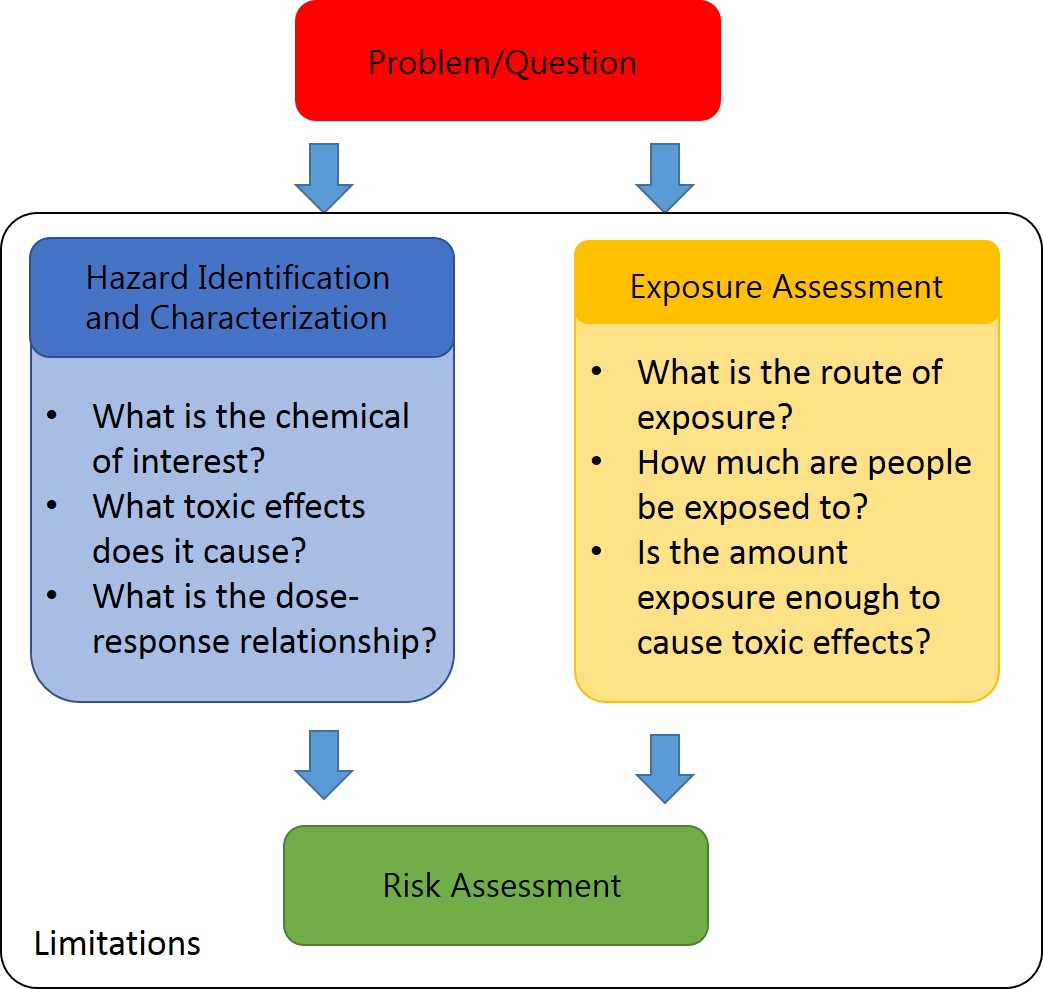
Diagnosis and when to seek medical help
Doctors diagnose Symptoms of Teflon poisoning in humans by linking the exposure to timing and symptoms. They ask about a recent fume event and the classic flu-like pattern that follows. A clear history of a smoking pan and delayed symptoms points strongly to polymer fume fever.
What your clinician may do:
- Take a focused history: what happened, when, how hot the pan was, and how long you were exposed
- Check vital signs and oxygen levels (pulse oximetry)
- Order tests if needed: chest X-ray, pulse oximetry, blood work, or other targeted tests
- Rule out COVID-19, seasonal flu, asthma flare, pneumonia, or other causes with similar signs
Call for urgent care if:
- You have severe shortness of breath, chest pain, confusion, or bluish skin
- You have a chronic heart or lung condition and feel worse after exposure
- A child, older adult, or pregnant person was exposed and is unwell
First aid and treatment
Most cases of Symptoms of Teflon poisoning in humans are mild and self-limited. People usually improve when they leave the exposure and rest. Still, sensible first aid and follow-up matter.
Do this right away:
- Turn off the heat and ventilate the space. Open windows and run the hood fan.
- Step outside for fresh air. Remove birds and pets at once—birds are very sensitive and can die from low-level fumes.
- Hydrate and rest. Avoid smoke and heavy exercise for 24–48 hours after exposure.
Care options:
- Over-the-counter pain and fever reducers (acetaminophen or ibuprofen) can help with fever and aches
- In clinics, inhalers, short courses of oxygen, or other supportive treatments may be used for breathing problems
- Hospital care is needed for severe breathing distress, low oxygen, or if symptoms rapidly worsen
Important:
- Avoid the trigger until you fix the cause or replace the pan
- Write down what happened. Note times, heat settings, smoke, and your symptoms—this helps your clinician
Prevention: safer cooking and smart choices
The best way to avoid Symptoms of Teflon poisoning in humans is to manage heat and airflow. Small, consistent changes in the kitchen cut risk a lot.
At home:
- Cook on low to medium heat. Do not preheat empty pans on high.
- Do not broil or place PTFE pans in ovens above recommended temperatures.
- Use your range hood or open a window when searing. Move smoke away fast.
- Replace chipped, flaking, or warped nonstick pans. Damage raises the risk of breakdown.
- Keep birds and small pets out of the kitchen; birds are extremely sensitive to fumes.
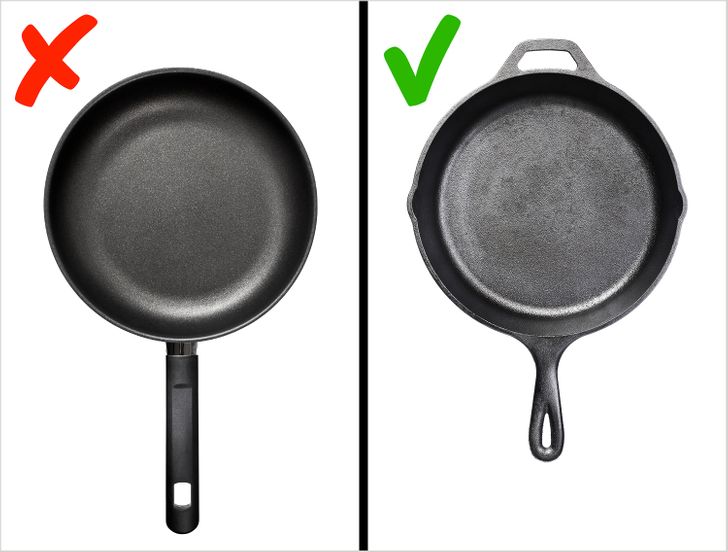
- Consider stainless steel or cast iron for high-heat searing and for tasks that need very hot pans.
At work:
- Use local exhaust ventilation (LEV) and temperature controls in processes that heat PTFE
- Train teams on safe heat limits and emergency steps
- Wear appropriate PPE if you work around PTFE at high temperatures; use respirators and filters rated for fine particles and gases when required
Water and PFAS:
- Check community water reports or test your private well for PFAS if you live near known contamination
- Use certified filters that remove PFAS if levels are high (look for lab-verified performance)
- Support local and national policies that reduce PFAS release and clean up contaminated sites
Air purifiers and ventilation: what really helps
Fresh air is best after a fume event. Ventilation clears gases and particles fast. If you need a filter, HEPA units capture particles well. Some air purifiers add activated carbon or other media to reduce some gases and smells. These can help, but they do not replace fresh air exchange. For workplaces, mechanical exhaust and LEV are the right controls.

My field notes: a real-world case and lessons learned
A few years ago, I helped review a late-night kitchen incident. A cook left a PTFE pan empty on high heat. The room filled with smoke. He felt fine at first. Six hours later, he woke with chills, a headache, and tightness in his chest. Vitals were stable, and a chest X-ray was normal. With rest and fresh air, he was back to normal in 36 hours.
What we learned:
- Timing is the clue. Symptoms often start hours after exposure, not immediately.
- Heat control is king. Switching to low or medium heat stopped repeat events.
- Ventilation matters. A working hood and an open window made a real difference in recovery and comfort.
- Documenting the incident helped the clinic team diagnose and advise follow-up care.
Practical tips you can use:
- If your pan smokes, turn off the heat and ventilate. Start over at lower heat if needed.
- Preheat with a bit of oil, water, or a thermometer to avoid overheating an empty pan.
- If you need a serious sear, use stainless steel or cast iron to reach high temps safely.
These small habits reduce the risk of Symptoms of Teflon poisoning in humans while keeping cooking simple and safe.
Frequently Asked Questions of Symptoms of Teflon poisoning in humans
What are the first signs to watch for?
Look for fever, chills, headache, and chest tightness a few hours after exposure. A dry cough or sore throat can also appear. The delayed start is a key clue.
Can Teflon fumes be deadly to humans?
Severe exposures can be dangerous and require urgent care. Most household cases are mild and resolve in 1–2 days once the exposure stops. However, people with lung or heart disease, children, and pregnant people need closer monitoring.
Do new nonstick pans still use PFOA?
Most major brands phased out PFOA years ago. That said, PFAS still exist in many products, and water contamination is a separate issue. Check manufacturer statements and product labels if this matters to you.
How do I know if my pan overheated?
Smoke, a strong chemical odor, or a rainbow sheen on the surface are clues. If you see these signs, turn off the heat, ventilate, and let the pan cool before cleaning or using it again.
Will an air purifier help after a fume event?
Ventilation is the priority. Bringing in fresh air clears fumes fastest. A purifier with a true HEPA filter helps with particles. Units that add activated carbon may reduce some odors and gases, but they are not as fast as opening a window and running a hood.
Can kids or pregnant people be more at risk?
Yes. Children, older adults, and pregnant people can be more vulnerable to breathing problems and to some PFAS effects. Seek medical advice sooner if these groups develop symptoms.
How can I test for PFAS exposure?
Blood tests can measure some PFAS compounds. Results need clinical context and specialist input. Discuss testing with your clinician and consider testing your water if you suspect contamination.
Additional resources and workplace guidance
If you work with PTFE or in industries that use PFAS, follow your workplace safety program. Ask your employer about:
- Local exhaust ventilation and fume capture systems
- Heat and temperature controls to prevent overheating
- Medical surveillance for workers with repeated exposure
- Training on emergency steps, spill response, and first aid
For community PFAS issues, contact your public health department or environmental agency. They can share local testing data and guidance on filters and remediation.
Conclusion
The big picture is clear: control heat, improve airflow, and learn the warning signs. Symptoms of Teflon poisoning in humans often look like a short flu after fumes. PFAS concerns are long-term and tied to exposure history. With smart cooking habits, good ventilation, and routine health checks, you can cut risk and cook with confidence.
Take one step today. Lower the heat on your next cook, check your range hood, and inspect your pans. Want more practical health guides like this? Subscribe, share your questions in the comments, and keep learning.