Teflon Pan Poisoning Symptoms: You Should Know 2026

Teflon pan poisoning symptoms happen when non-stick cookware gets too hot and gives off toxic fumes. I’ve cooked with non-stick pans for years, and I learned the hard way that overheating is the real risk. Those fumes can cause flu-like symptoms in people and can be deadly to pet birds. Knowing the signs and using simple safety steps protects your household and pets.
Key Takeaways
- Overheating is the main cause: Teflon and other PTFE-coated pans release harmful fumes when heated above about 500°F (260°C). This can happen quickly on high heat, a gas stove, or in a preheated oven.
- Flu-like symptoms in humans: Short-term exposure may cause coughing, chest tightness, fever, chills, and headaches—often called “polymer fume fever.”
- Birds are highly vulnerable: Pet birds (parrots, canaries, finches) have sensitive lungs. Even small amounts of fumes can be fatal.
- Ventilation is critical: Use an exhaust fan, range hood, or open windows when cooking with non-stick cookware to reduce fume buildup.
- Replace damaged pans: Scratches, chips, or peeling on the non-stick coating raise the risk of chemical release. Toss worn cookware and replace it.
- Choose safer alternatives: For high-heat cooking, use stainless steel, cast iron, or ceramic cookware to avoid PTFE/chemical breakdown altogether.
Quick Answers to Common Questions
Can Teflon pans make you sick?
Yes, but mainly if they are overheated. Normal cooking at low to medium heat is safe. When PTFE coatings exceed about 500°F (260°C), they can break down and release fumes that may cause flu-like symptoms in people.
How hot is too hot for a Teflon pan?
Teflon starts to degrade around 500°F (260°C). Avoid high-heat searing with non-stick pans. Don’t preheat an empty pan or use broiler settings with coated cookware.
Are scratched Teflon pans dangerous?
Yes. Scratched, chipped, or peeling coatings increase the chance of chemical release and metal exposure. It’s safer to replace a damaged pan than risk inhaling toxic fumes.
Can Teflon fumes kill birds?
Absolutely. Birds have very efficient and delicate respiratory systems. Even brief exposure to PTFE fumes can cause rapid respiratory collapse and death.
What cookware is safest for high heat?
Stainless steel, cast iron, and ceramic are the best choices for high-temperature cooking. They don’t emit PTFE fumes and hold up better at high temperatures.
What Is Teflon Pan Poisoning?
Teflon pan poisoning—also called polymer fume fever—is an illness from inhaling fumes produced when non-stick coatings break down. Teflon is the brand name for polytetrafluoroethylene (PTFE). PTFE gives pans great non-stick properties. It’s safe at normal cooking temperatures. But at roughly 500°F (260°C) and above, PTFE degrades and releases airborne particles and gases that can irritate the lungs.
Those fumes can include a mix of volatile compounds. Older concerns focused on perfluorooctanoic acid (PFOA), which most manufacturers phased out in the 2010s. Today’s risks are from PTFE thermal breakdown products and other perfluorinated compounds. The danger is not from daily, low-heat use. The main risk is overheating—like leaving an empty non-stick pan on a hot burner or using a non-stick pan under a broiler.
How PTFE breaks down and what it releases
When PTFE overheats, the coating can decompose into small particles and gaseous byproducts. These may include ultrafine particles and fluorinated compounds. Some of these products can irritate the lungs and trigger an inflammatory response. I pay close attention to smoke and chemical smells while cooking. If I smell anything odd, I turn off the heat and ventilate immediately.
Common Teflon Pan Poisoning Symptoms in Humans
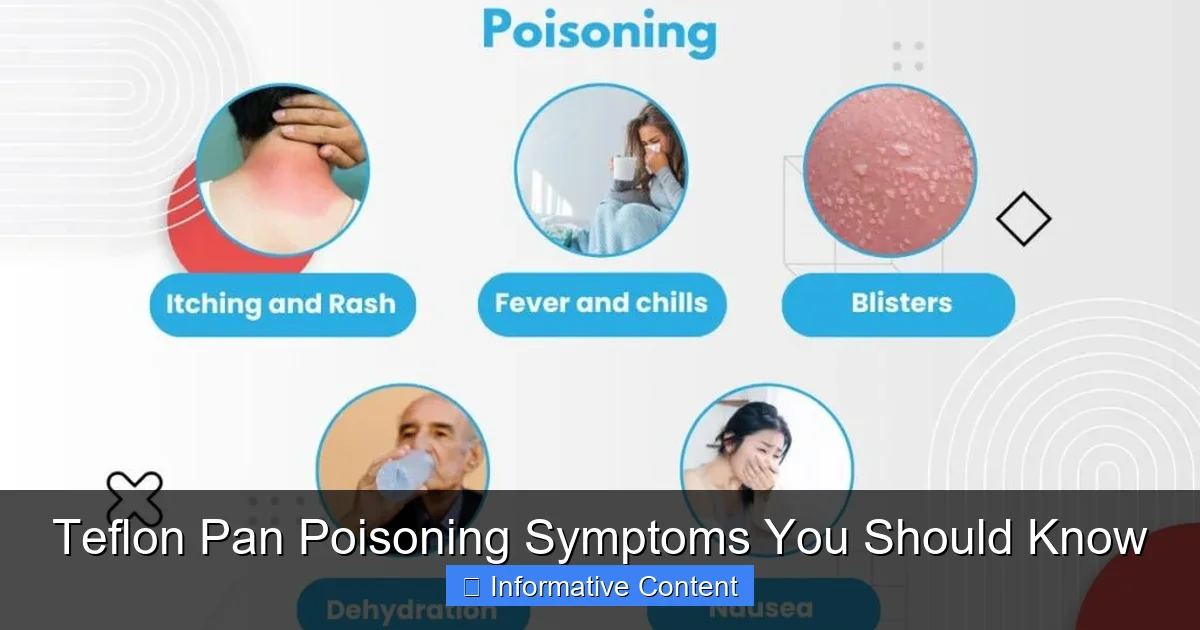
Inhaling fumes from an overheated Teflon pan can cause symptoms similar to the flu. I once had a minor episode after overheating a non-stick pan; I felt achy and had chills for a few hours. The good news is that most healthy adults recover quickly with rest. Still, it helps to recognize the signs so you can act fast.
Visual guide about Teflon Pan Poisoning Symptoms You Should Know
Image source: famurgentcare.com
Respiratory Symptoms
The most common signs are a dry cough, shortness of breath, and chest tightness. Fumes irritate the airways and lungs. You may also feel a burning sensation in your throat or nose shortly after exposure. If breathing is hard or worsening, get fresh air and seek medical help.
Flu-Like Symptoms
A few hours after exposure, you might develop fever, chills, headache, and body aches. These symptoms often appear 4 to 10 hours after inhaling fumes and can last up to 24 hours. Unlike typical flu, runny nose is uncommon. The key signs are malaise and systemic discomfort following exposure.
Eye and Skin Irritation
Some people notice red, watery eyes or mild skin irritation if fumes make contact with moist areas. These effects are usually mild. Still, they’re a sign to leave the area and get fresh air.
Symptoms in children, seniors, and people with lung disease
Children, older adults, and people with asthma or COPD may react more strongly. I recommend extra caution if someone in your home has lung issues. Even low-level exposures can cause worsening breathing in vulnerable people. If symptoms escalate, seek medical care quickly.
Most healthy adults recover with rest, fluids, and time. But if symptoms persist or worsen beyond a day, consult a healthcare provider to rule out other conditions.
Why Birds Are at Greater Risk
One of the scariest facts about PTFE fumes is their effect on birds. Pet birds breathe differently from mammals. Their air sacs and lungs absorb airborne toxins very efficiently. That makes them extremely vulnerable. I lost a friend’s budgie years ago to fumes from a smoking pan—an experience that made me change how I cook.
Rapid Onset of Symptoms
Birds can show signs within minutes. Watch for labored breathing, sudden lethargy, loss of balance, and fluffed-up feathers. In severe cases, a bird may collapse or die quickly—often before the owner understands the cause. This rapid decline is frightening and often irreversible.
Prevention Is Key
Because birds can’t handle these toxins, prevention is the only safe approach. Never use non-stick cookware in the same room where birds live. If you must cook with Teflon, move the bird to another area of the house with closed doors and good ventilation. Many avian vets advise avoiding PTFE-coated products entirely if you own birds. I follow that advice and use cast iron or stainless steel whenever I cook around my parrot.
Other pets and small animals
Small mammals like rabbits and guinea pigs may also be sensitive to fumes. Dogs and cats are less sensitive than birds but can still be affected by poor indoor air quality. Always monitor pets after any smoke or chemical smell and contact a vet if you see unusual signs.
How to Prevent Teflon Pan Poisoning
Teflon pan poisoning is largely preventable. I’ve developed a few simple habits that cut my risk to near zero. You can too. Below are clear, practical steps that reduce fume exposure and keep your kitchen safer.
Avoid High Heat
Don’t preheat empty non-stick pans or use high heat. Most non-stick recipes work fine on low or medium. If you need very high heat for searing or stir-frying, switch to cast iron or stainless steel. Those materials hold up to high temperatures without releasing PTFE fumes.
Use Proper Ventilation
Always run your kitchen exhaust fan or open a window when cooking. A strong range hood that vents outside is best. If you lack a hood, use a portable fan aimed at an open window. Ventilation disperses fumes quickly, lowering risk for you and for pets.
Inspect Your Cookware Regularly
Look for scratches, chips, or peeling on the non-stick surface. Replace any pan that shows wear. Even small scratches can speed breakdown when the pan heats. I toss old non-stick pans and keep a dedicated cast iron skillet for high-heat tasks.
Choose Safer Alternatives
For high-heat cooking, choose stainless steel, cast iron, or ceramic. Ceramic-coated pans give non-stick performance without PTFE. Each material has pros and cons—cast iron needs seasoning, stainless steel can stick, and ceramic may wear over time. I keep a mix in my kitchen to match the cooking task.
Safe cooking checklist
Use this short checklist to lower risk every time you cook:
- Don’t preheat an empty non-stick pan.
- Use low to medium heat for non-stick cookware.
- Turn on the exhaust fan or open a window.
- Keep birds and small pets out of the kitchen while cooking.
- Replace pans with visible damage to the coating.
- Have a high-heat pan (cast iron or stainless) for searing.
Choosing cookware: pros and cons
Here’s a quick breakdown to help you choose:
- Cast iron: Durable, excellent for high heat, needs seasoning.
- Stainless steel: Good for browning and deglazing, can require more oil to prevent sticking.
- Ceramic: PTFE-free non-stick, performs well at medium heat but can wear faster.
- Non-stick (PTFE/Teflon): Great for low-fat cooking, avoid high heat and damaged pans.
What to Do If Exposure Occurs
If you think you or someone in your home breathed fumes from an overheated non-stick pan, act fast. Quick steps can prevent symptoms from getting worse.
Immediate Steps
Get everyone out of the kitchen and into fresh air right away. Open windows and doors to ventilate. Turn off the heat and remove the pan from the stove. If smoke or a strong chemical smell persists, keep the area well ventilated and stay out until it clears.
Monitor Symptoms
Watch for coughing, shortness of breath, fever, or flu-like signs. Most people recover within 24 hours with rest, fluids, and fresh air. If symptoms get worse—like persistent coughing, high fever, chest pain, or confusion—seek medical attention without delay.
Check on Pets
Check birds and small pets immediately. Birds can show signs quickly and may not recover without veterinary care. Contact an avian veterinarian if you see any breathing trouble, lethargy, or abnormal behavior. For dogs, cats, and other pets, call your regular vet for guidance.
When to see a doctor or vet
Seek urgent care or emergency services if you or a household member has severe breathing trouble, chest pain, fainting, or confusion. For pets, especially birds, contact an avian emergency clinic right away. Fast action can save lives.
Conclusion
Teflon pans are convenient. They also carry a clear risk when overheated. Learning the signs of Teflon pan poisoning—like cough, fever, and chest tightness—helps you act fast. The biggest hazard is to birds and small pets, so protect them first by avoiding PTFE-coated cookware near them.
Use low to medium heat with non-stick pans, ventilate well, and replace damaged cookware. For high-heat cooking, switch to stainless steel, cast iron, or ceramic. I’ve found these simple rules make my kitchen safer and keep my pet parrot healthy. A little care goes a long way in keeping your home and pets safe from toxic fumes.
Remember: don’t fear non-stick cookware. Use it wisely, keep an eye on temperature, and choose safer options when you need to cook hot. That approach gives you the convenience of non-stick cookware without the risk.
Frequently Asked Questions
Is it safe to use Teflon pans every day?
Yes, if you avoid overheating them. Use low to medium heat, keep pans clean, and replace them when they show scratches or wear.
Can Teflon poisoning cause long-term health effects?
Short-term exposure usually causes temporary symptoms. Evidence for long-term effects from occasional use is limited. Still, avoid chronic high-heat exposure and damaged cookware.
Do all non-stick pans contain Teflon?
Not all do. Teflon is a brand name for PTFE. Some non-stick pans use ceramic or other PTFE-free coatings. Look for “PTFE-free” or “ceramic” labels if you want to avoid PTFE.
Can I still use my Teflon pan if it’s slightly scratched?
It’s safer to replace it. Even small scratches can expose metal and increase the risk of thermal breakdown when heated.
How can I tell if my pan is overheating?
Signs include visible smoke, a sharp chemical smell, or oil burning quickly. If you notice any of these signs, turn off the heat and ventilate the area.
Are there regulations on Teflon in cookware?
Yes. Agencies like the EPA and FDA regulate PFOA and monitor PTFE use. Since the 2010s, most modern Teflon products are made without PFOA and are considered safe under normal cooking conditions. Still, overheating can cause PTFE to break down, so follow safe cooking practices.