Is It Dangerous to Cook in a Burnt Pan 2026 ?

Cooking in a burnt pan isn’t just unappetizing—it can pose real health and safety risks in 2026. Burnt residues may release harmful chemicals, damage non-stick coatings, and even affect the taste and nutrition of your food. But with proper cleaning and prevention, you can keep your kitchen safe and your meals delicious.
Key Takeaways
- Burnt food residues can release toxic fumes: Overheating burnt material may produce acrolein and polycyclic aromatic hydrocarbons (PAHs), which are linked to respiratory irritation and long-term health concerns.
- Non-stick coatings degrade when overheated: Scorched pans can damage Teflon or ceramic coatings, increasing the risk of chemical leaching into food.
- Burnt pans affect food taste and nutrition: Carbonized bits can transfer bitter flavors and reduce the nutritional quality of meals.
- Regular cleaning prevents buildup: Soaking and using natural cleaners like baking soda and vinegar can safely remove burnt residue without harsh chemicals.
- Prevention is better than cleanup: Using lower heat, proper oil, and timely stirring reduces the chance of burning in the first place.
- Damaged pans should be replaced: If a pan is warped, deeply scratched, or has flaking coating, it’s time to retire it for safety.
- Eco-friendly cleaning methods are effective: In 2026, sustainable cleaning solutions are both safer for health and better for the environment.
Quick Answers to Common Questions
Can I still use a pan after it’s been burnt?
Yes, as long as the pan isn’t damaged and the residue is thoroughly cleaned. Avoid cooking until all blackened bits are removed to prevent transferring harmful compounds to your food.
Does burnt food cause cancer?
Occasional consumption of burnt food is unlikely to cause cancer, but regular intake of charred meat or food cooked in burnt pans may increase exposure to carcinogens like PAHs and HCAs.
What’s the safest way to clean a burnt non-stick pan?
Soak it in hot water with baking soda, then gently scrub with a soft sponge. Avoid metal utensils or abrasive cleaners that can damage the coating.
Can I prevent burning by using more oil?
Using the right amount of oil helps, but too much can lead to splattering and uneven cooking. Choose oils with high smoke points and monitor heat carefully.
Are ceramic pans safer than Teflon when burnt?
Ceramic pans are generally more heat-resistant and PFOA-free, but they can still degrade if overheated. Both require careful use to avoid damage.
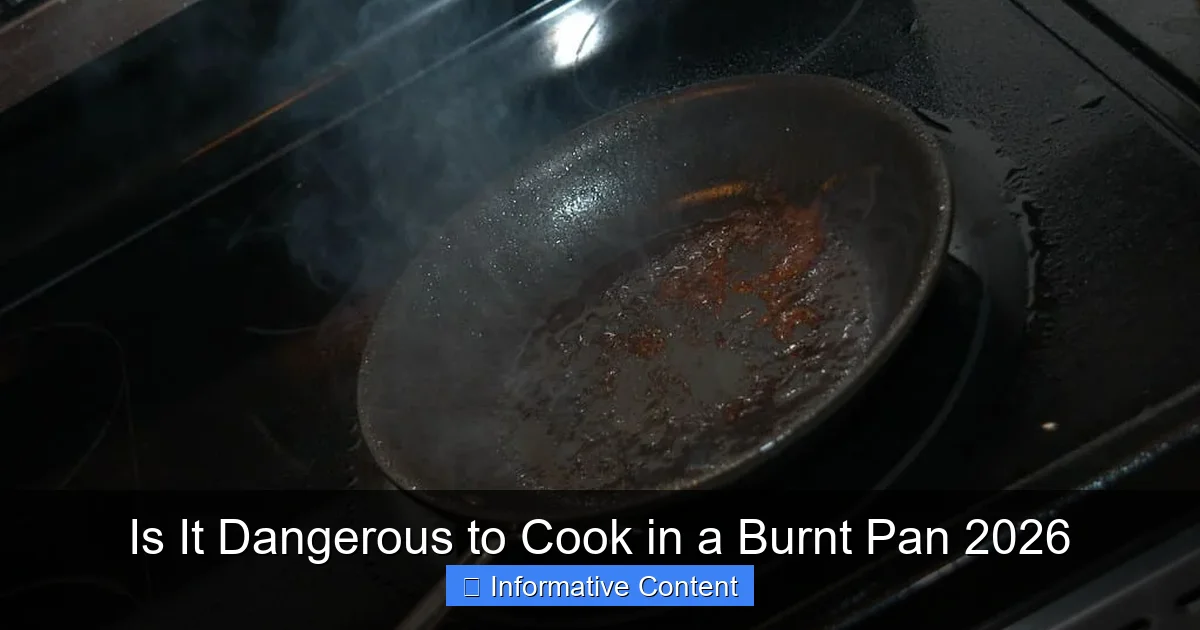
Visual guide about Is It Dangerous to Cook in a Burnt Pan 2026
Image source: dinnersanddreams.net
Is It Dangerous to Cook in a Burnt Pan in 2026?
I’ve burned pans more times than I care to admit. A few times I scraped off the black bits and carried on. After reading up on the chemistry and testing a few cleaning methods, I changed how I cook and care for cookware. Here’s what I learned—and what I now tell friends and family.
Cooking in a burnt pan might look harmless. But that black crust is carbonized residue. It forms when sugars, proteins, and fats break down at very high heat. In 2026, we have better data and more smart-kitchen tools that help us understand the risks. The concerns are real: burnt pans can release irritating fumes, harm coatings, and transfer bitter flavors to food. The good news is this is preventable, and most pans can be restored safely if you act quickly.
What Happens When a Pan Burns?
Burning food is a chemical change. Sugars caramelize. Proteins change structure. Oils break into smaller molecules. Together, these changes create a hard black layer known as carbonized residue. That layer can trap toxic compounds and make a pan harder to clean.
Chemical Byproducts of Burnt Food
Two byproducts I always watch for are acrolein and polycyclic aromatic hydrocarbons (PAHs). Acrolein forms when fats and oils overheat. It smells sharp and can irritate your eyes, nose, and throat. In small doses, it’s unpleasant. In larger or repeated doses, it can worsen respiratory symptoms in people with asthma.
PAHs form when organic matter—meat, oil, or vegetables—burns at high temperatures. Some PAHs are classified as probable human carcinogens. Another group, heterocyclic amines (HCAs), forms when high-protein foods are charred. These compounds can stick to food or cling to cookware. Occasional exposure is not the same as daily exposure. Still, I avoid regular contact with charred food and burnt pans whenever possible.
Impact on Non-Stick and Coated Cookware
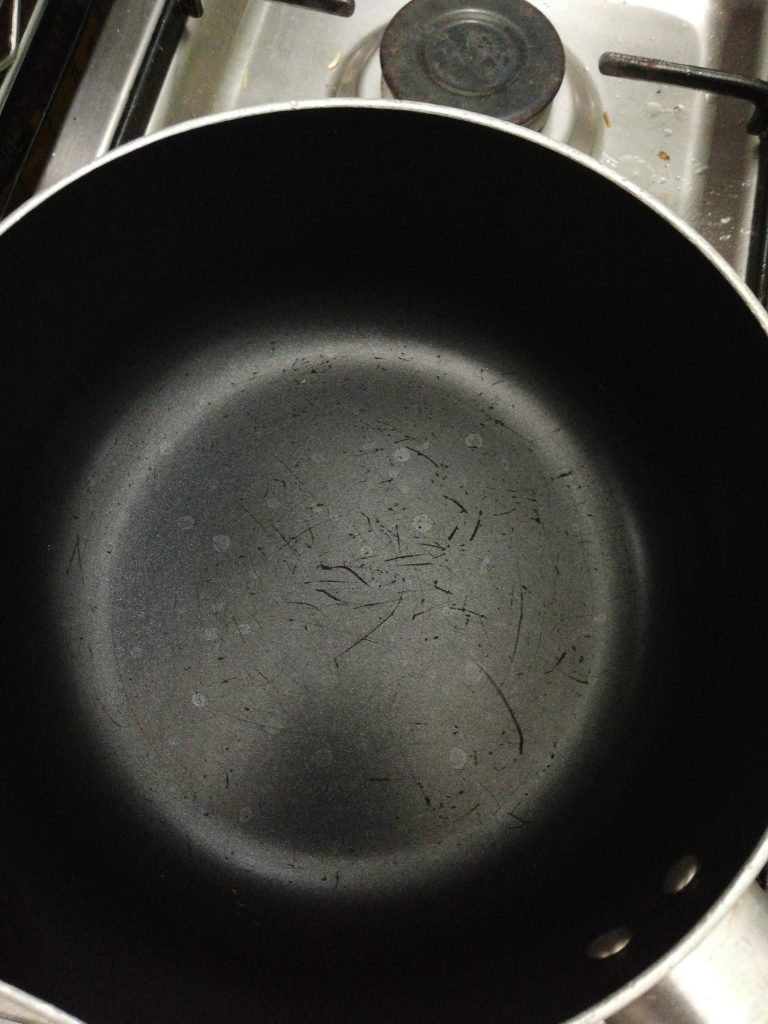
Non-stick coatings make cooking and cleanup easier. In 2026, we have better, greener coatings, but they’re not indestructible. Many non-stick surfaces start to degrade around 500°F (260°C). When you overheat a coated pan or scrub it too hard, tiny particles can flake off. Some older coatings contained PFOA. Modern coatings are usually PFOA-free, but they can still break down and release other fluorinated compounds or particulates.
Even ceramic and diamond-infused coatings can chip if they’re overheated or abraded. Once the surface is compromised, the pan loses its non-stick properties and may shed particles into food. If you see flaking, deep scratches, or loose material, I recommend replacing the pan.
Health Risks of Cooking in Burnt Pans
Let’s be clear: one accidentally burnt meal won’t ruin your health. The issue is cumulative exposure and repeated habits. If you often cook at high heat, reuse badly burnt pans, or eat charred food regularly, you increase your long-term risk.
Respiratory and Digestive Concerns
Fumes from burnt oil and food can irritate the lungs. In poorly ventilated kitchens, these fumes linger. People with asthma, COPD, or allergies can react more strongly. I always open a window and turn on my hood fan when I sear or cook at high heat.
Ingesting small carbonized bits can also upset digestion. Your stomach can handle occasional small amounts, but regular intake may cause irritation or discomfort for some people.
Potential Carcinogenic Exposure
PAHs and HCAs are associated with cancer risk in laboratory studies and epidemiological research. Organizations such as the International Agency for Research on Cancer (IARC) consider some of these compounds probable or possible carcinogens. Smart kitchen devices in 2026 can detect smoke and elevated PAH levels and alert you. But most of us still rely on basic ventilation and good habits to reduce exposure.
How Burnt Pans Affect Food Quality
Beyond health, burnt pans ruin flavor and nutrition. I once ruined a batch of pan-fried vegetables because the pan had a sticky burnt layer. The whole dish tasted smoky and bitter. That’s the short-term cost. There are hidden costs too—the lost nutrients and wasted food.
Loss of Nutrients
High heat destroys heat-sensitive nutrients like vitamin C and some B vitamins. When food sticks and burns, those nutrients degrade more quickly. The result is less nutritious meals—even if they look fine after scraping off bits.
Altered Flavor and Texture
Carbonized residue can transfer bitter or ashy notes to the next dish. Porous cookware, like cast iron or carbon steel, can trap these flavors longer if not cleaned and re-seasoned correctly. Even stainless steel can retain smoky tastes if residue remains. I always clean pans thoroughly between uses to avoid flavor carryover.
Safe and Effective Ways to Clean Burnt Pans
Most burnt pans are salvageable. I keep a few reliable methods in my kitchen. They use simple, eco-friendly ingredients. They work for stainless steel, cast iron, ceramic, and most non-stick surfaces—when used correctly.
Natural Cleaning Solutions
Here are the steps I follow for everyday scorches:
- Soak the pan in hot water with a few tablespoons of baking soda. Let it sit 30 minutes. The baking soda loosens residue.
- For tougher burns, make a paste of baking soda and water. Apply and let sit overnight. Scrub gently the next day with a soft sponge.
- Vinegar helps with mineralized or oily burns. Boil equal parts water and white vinegar for 5–10 minutes. Turn off the heat, let cool slightly, then scrub with a non-abrasive pad.
- For mild grease, dish soap and hot water plus a short soak often do the trick.
These methods are non-toxic and eco-friendly. Baking soda and vinegar are effective and inexpensive. They avoid harsh chemical cleaners that can leave residues or harm septic systems.
Modern Cleaning Tools
New tools make cleanup easier in 2026. Ultrasonic cleaners use high-frequency sound waves to lift stubborn residue. Steam cleaners soften and remove burn marks without chemicals. I’ve used a countertop steam cleaner on a delicate ceramic pan with great results.
Avoid steel wool and abrasive powders on coated surfaces. They scratch and shorten a pan’s life. Use silicone scrubbers, nylon brushes, or bamboo brushes for gentle, effective cleaning.
Step-by-step Cleaning for Common Pan Types
Non-stick pans (Teflon, ceramic)
- Cool completely. Never scrub hot non-stick pans aggressively.
- Soak in hot water with dish soap for 15–30 minutes.
- Add baking soda paste for stubborn spots. Let sit, then use a soft sponge.
- If damage (peeling, flaking) is present, replace the pan.
Stainless steel
- Boil water and a splash of vinegar in the pan to loosen stuck food.
- Use baking soda as a gentle abrasive to lift carbonized bits.
- For discoloration, use a specialized stainless cleaner or a paste of cream of tartar and water.
Cast iron
- Scrape with a stiff brush or chainmail scrubber while warm (not hot).
- Rinse with hot water only—avoid soap unless necessary.
- Dry thoroughly and apply a thin layer of oil. Heat briefly to re-season.
Preventing Burnt Pans in the First Place
Prevention saves time and protects health. I changed three habits that made the biggest difference: lower heat, right oil, and staying present.
Use the Right Heat Settings
High heat is not always faster. It often leads to burning and uneven cooking. If you have an induction cooktop, you can use precise temperatures. For most sautéing and simmering, medium or medium-low is best. I also preheat pans properly—hot enough to sear, but not so hot that oil smokes immediately.
Choose the Right Oil
Oil smoke point matters. Use oils with high smoke points for searing and frying:
- Avocado oil — smoke point ~520°F (271°C)
- Refined olive oil — smoke point ~465°F (240°C)
- Grapeseed oil — smoke point ~420°F (216°C)
Avoid butter or extra-virgin olive oil for high-heat searing; they burn sooner and create smoke and acrolein. Use small amounts and add oil once the pan is hot, not before.
Stay Present in the Kitchen
Set timers, keep a lid nearby, and never leave high-heat pans unattended. If you must step away, reduce the heat or move the pan off the burner. Small changes in attention make a big difference.
Ventilation, Smoke Control, and Smart Kitchen Tools
Good ventilation reduces inhalation risk. Always use a range hood that vents outside if possible. If you have a smart kitchen system, enable smoke and air-quality alerts. In 2026, several hoods and air monitors can detect excess particulates or PAHs and automatically boost ventilation. I keep a window slightly open during heavier cooking and a portable air purifier nearby on bad-air days.
When to Replace a Burnt or Damaged Pan
No pan lasts forever. I keep a simple checklist to decide when to replace cookware. If a pan shows these signs, it’s time to retire it:
- Peeling or flaking coating
- Deep scratches that penetrate the coating
- Warping or uneven base that causes hot spots
- Persistent sticking despite proper cleaning
Warped pans heat unevenly and increase burn risk. Flaking non-stick material can get into food. For health and consistent cooking results, replace pans that show these issues. Choose durable materials—stainless steel, well-maintained cast iron, or high-quality ceramic-coated pans—to reduce the need for frequent replacement.
How to Dispose of Old Pans Responsibly
When you replace cookware, recycle when possible. Many municipal recycling centers accept scrap metal. Some brands and stores offer take-back or trade-in programs for old pans and appliances. Avoid throwing coated pans into the trash if you can recycle the metal parts instead.
Conclusion
Cooking in a burnt pan isn’t just a minor kitchen mishap—it’s a potential health and safety issue in 2026. From irritating fumes like acrolein to carcinogenic compounds like PAHs and HCAs, burnt residues matter. Burnt pans can also ruin flavor and reduce nutrients. The good news: most pans can be cleaned safely with baking soda, vinegar, and modern tools like ultrasonic or steam cleaners. Preventing burns with the right heat, oil, and ventilation is the best strategy.
I cook almost every day. These practical steps helped me reduce burned pans to almost zero. Keep your pans clean, replace damaged cookware, and use ventilation. Your food will taste better, your kitchen will be safer, and you’ll avoid annoying smoke alarms and possible long-term risks.
Frequently Asked Questions
Is it safe to eat food cooked in a burnt pan?
Food that has been in contact with heavily burnt residue may contain harmful compounds. It’s best to discard any food that tastes bitter or has visible carbonized bits.
How do I know if my non-stick pan is damaged?
Look for peeling, flaking, or discolored coating. If food sticks consistently or you see scratches, it’s time to replace the pan to avoid chemical exposure.
Can burnt pans cause smoke alarms to go off?
Yes, especially if oil or food burns severely. In 2026, many smart kitchens have advanced ventilation systems that activate automatically to reduce smoke and fumes.
Is cast iron safe to use if it’s burnt?
Cast iron is more resilient. You can usually clean burnt residue with hot water and a brush, then re-season the pan to maintain its non-stick surface.
Are there eco-friendly ways to clean burnt pans?
Absolutely. Baking soda, vinegar, and citric acid are effective, non-toxic cleaners that won’t harm the environment or your health.
Should I throw away a pan that’s been burnt multiple times?
Not necessarily, but if the pan shows signs of wear—like warping or coating damage—it’s safer to replace it to avoid long-term risks.