Aluminium Cookware Health Risks: What You Need to Know 2026

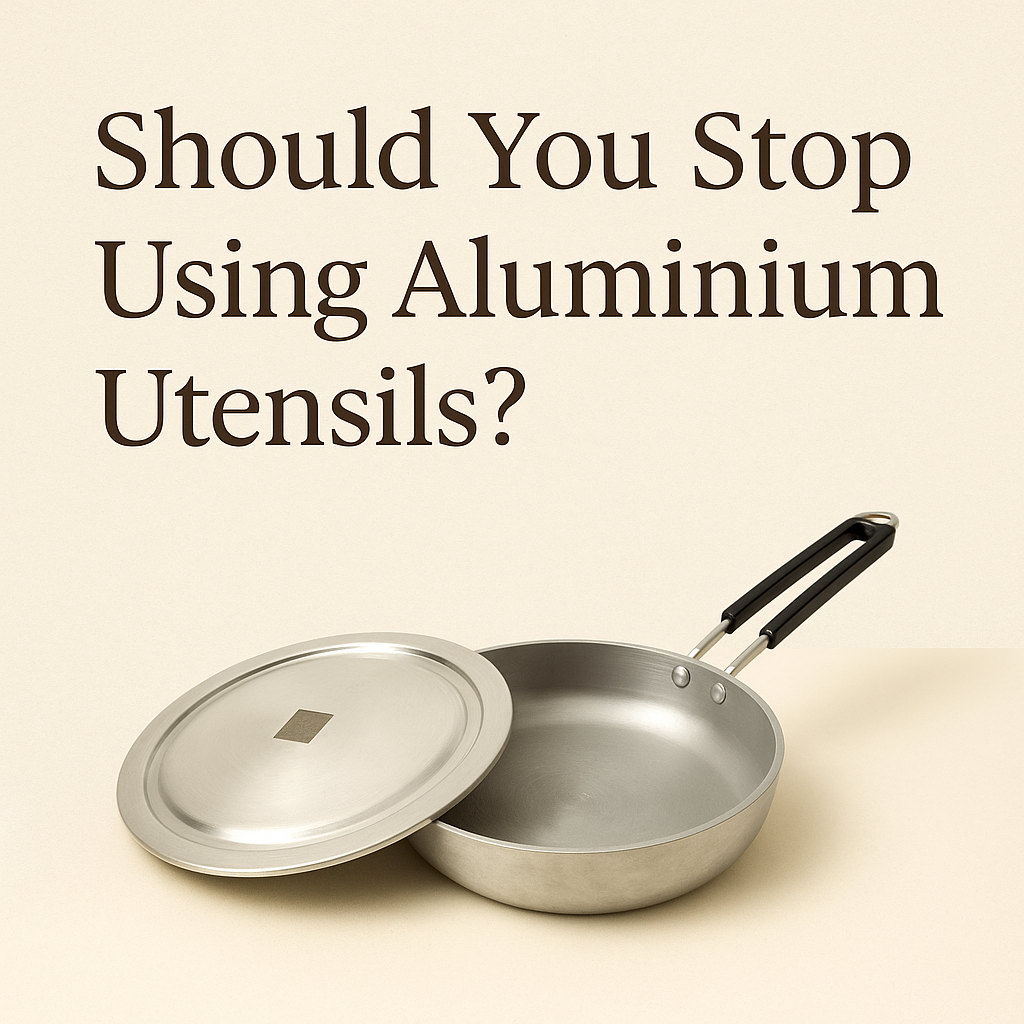
Aluminium cookware is everywhere in home kitchens. It is light, heats quickly, and is cheap. But many people worry about health risks. Is cooking with aluminium safe? Does aluminium change food or harm health? I’ve used aluminium pots for years, so I looked into the science and practical tips. In this article I explain the facts. I also share clear steps you can take to cook safely and reduce risk.
Why Aluminium Cookware Is So Popular
Aluminium is one of the most common metals used in cookware. It costs less than stainless steel or copper. It heats fast and spreads heat well. That makes it handy for frying, boiling, and fast-cooking. Many pans are made of aluminium or have aluminium cores to improve heat transfer.
Those same traits can raise health questions. Aluminium is soft and chemically reactive. It can react with acids and some sauces. When that happens, a small amount of metal can move into the food. This is called leaching. I’ll explain when and how that happens. I’ll also show easy ways to lower any risk.
How Aluminium Gets Into Food
When you cook in aluminium, tiny particles can dissolve into your meal. This process is called leaching. Leaching goes up in a few clear situations:
- You cook acidic foods like tomatoes, vinegar, or citrus.
- You use new, worn, or scratched aluminium pots.
- You cook at high heat for a long time.
Research shows that aluminium leaching varies by food and by method. For example, tomato sauce cooked in aluminium often shows more aluminium than plain rice cooked the same way. I’ve seen this in lab data and in real kitchens. Knowing which foods react helps you choose the right pan.
Data Table: Aluminium Leaching By Food Type
| Food Type | Aluminium Leached (mg/kg) | Cooking Time |
|---|---|---|
| Tomato Sauce | 2.5 | 60 min |
| Rice | 0.7 | 30 min |
| Fish Curry (with lemon) | 3.1 | 45 min |
| Boiled Potatoes | 0.2 | 20 min |
Credit: nyrakitchenware.in
What Science Says About Aluminium And Health
Daily Intake And Safety
The World Health Organization (WHO) estimates adults can safely take in up to 2 mg of aluminium per kilogram of body weight per week. For a 70 kg adult, that equals about 140 mg per week. Most diets do not reach that level from food and cookware alone.
That said, routine cooking in aluminium—especially with acidic dishes—can raise intake. A household that eats tomato-based meals often and uses aluminium pots may get more aluminium than a family that avoids those combinations.
Putting WHO Limits In Everyday Terms
To make the WHO number real: 2 mg/kg/week is a guideline, not a precise cutoff for harm. It gives a safe margin. If one meal adds a few milligrams, that is usually fine. Chronic, high exposure over time is what experts watch for. People with kidney disease are less able to clear aluminium. They must be careful. I recommend tracking habits, not panicking after one meal.
Possible Health Risks
Too much aluminium can cause health problems. The main concerns are:
- Brain Health: Some studies link high aluminium exposure to memory loss and Alzheimer’s disease. The evidence is mixed. Scientists have not proven a direct cause-and-effect link.
- Bone Disorders: Excess aluminium may change calcium balance. That can weaken bones and raise the risk of osteoporosis. This is most relevant in people with poor kidney function.
- Kidney Stress: Kidneys remove aluminium. People with kidney disease can accumulate aluminium more easily. That raises toxicity risk.
- Digestive Issues: Very large aluminium amounts may irritate the gut or cause nausea.
Non-obvious Insight
Most people blame pots and pans. But the largest sources of aluminium in many diets are processed foods, food additives, and packaging. Think baking powder, some antacids, and certain food colorants. Cookware often contributes less unless you cook acidic foods frequently. That helps put risk in perspective.
Aluminium Cookware Compared With Other Types
Home cooks often compare aluminium, stainless steel, non-stick, and ceramic pans. Each has trade-offs for health, durability, and cooking performance. Below I compare them on risk and use.
| Cookware Type | Health Risk | Leaching Potential | Durability |
|---|---|---|---|
| Aluminium | Possible with acidic foods | Medium to High | Scratches easily |
| Stainless Steel | Low (except nickel allergies) | Low | Very durable |
| Non-Stick (Teflon) | Risk if overheated | Very low | Moderate |
| Ceramic | Very low | Very low | Low (chips easily) |
Practical Advisor Tip
If you want to reduce leaching, use stainless steel or ceramic pans for acidic dishes. Keep aluminium for boiling, steaming, or cooking neutral foods. If you buy aluminium, consider anodized aluminium for extra protection.

Credit: www.sciencedirect.com
Common Mistakes With Aluminium Cookware
Many people use aluminium cookware in ways that increase leaching. Avoid these common mistakes:
- Scratching Pots and Pans: Scratched aluminium exposes more metal and raises leaching. Use wooden or silicone utensils.
- Cooking Acidic Foods: Tomato, lemon, and vinegar-based dishes react with aluminium. Use non-reactive pans instead.
- Storing Food in Aluminium: Storing leftovers in aluminium lets metal seep into food over time.
- Using Old or Damaged Cookware: Worn pots can lose protective layers. Replace them if they are badly worn.
- Ignoring Manufacturer Instructions: Some aluminium cookware has limits. Read the label and follow care tips.
Non-obvious Insight
Some aluminium pots have a non-stick or anodized layer. These coatings cut leaching. If your pan is anodized, you can cook acidic foods with less risk. Still, check for scratches and wear. The coating can fail over time.
Anodized Aluminium: Safer Or Not?
Anodized aluminium goes through a controlled electrochemical process. That creates a hard oxide layer on the surface. This layer is less reactive. It acts as a barrier. So less aluminium moves into food.
Benefits of anodized cookware:
- Resistant to scratches
- Safer for acidic foods
- Lasts longer
Still, the coating can wear out. If an anodized pan is scratched through the layer, it can behave like bare aluminium. I recommend buying cookware from trusted brands and checking care instructions. Proper care keeps the coating intact and lowers aluminum leaching.
Symptoms Of Aluminium Exposure
If someone has high aluminium exposure, they may notice:
- Weakness or bone pain
- Memory problems
- Stomach upset
- Skin rashes
These symptoms are rare in the general public. They usually occur in people with long-term exposure. They are most common among workers exposed to aluminium dust and people with kidney disease.
How To Reduce Aluminium Cookware Risks
You do not need to throw away your aluminium pots. Use these easy steps to lower risk:
- Cook Neutral Foods: Use aluminium for boiling water, steaming vegetables, or cooking rice.
- Avoid Acidic Foods: For tomato sauce or lemon-based dishes, choose stainless steel or ceramic.
- Use Anodized Cookware: Look for anodized aluminium pans for better protection.
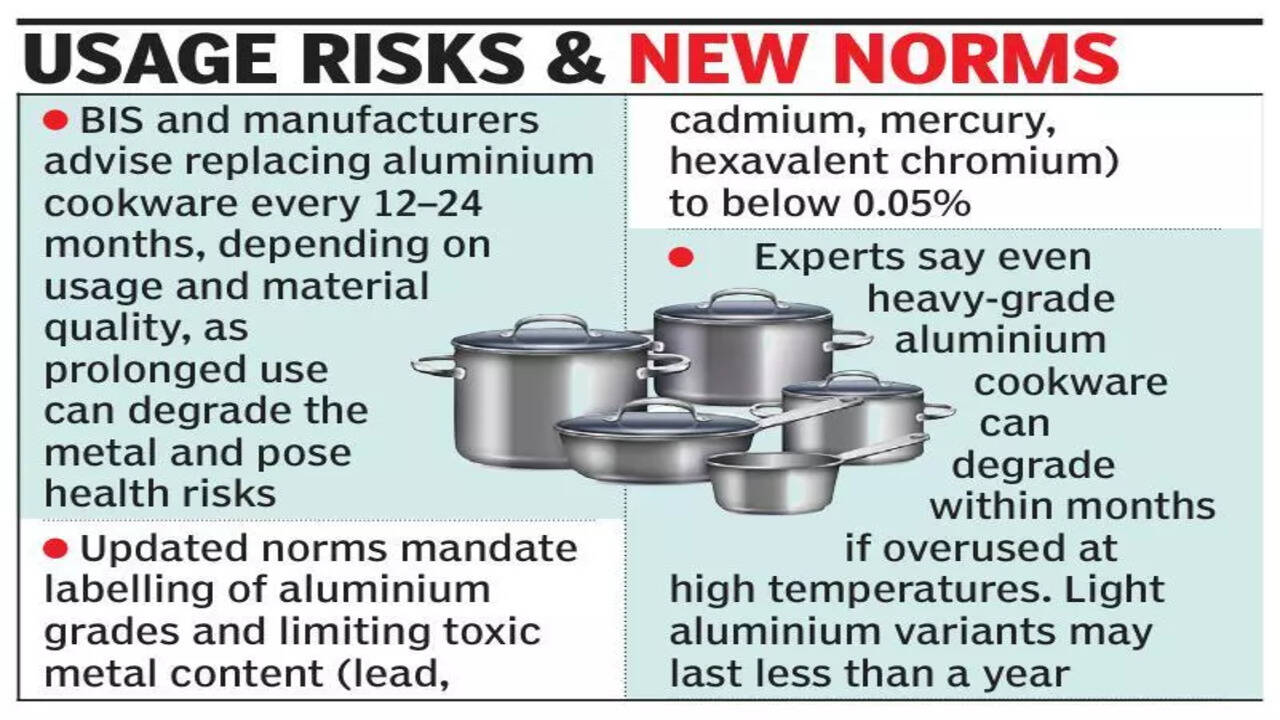
- Replace Damaged Cookware: If pots are scratched, replace them.
- Do Not Store Food: Transfer cooked food to glass or plastic containers for storage.
- Read Labels: Check if your cookware is safe for certain foods. Follow care instructions.
Data Table: Safe Usage Tips For Aluminium Cookware
| Tip | Effectiveness | Notes |
|---|---|---|
| Use for boiling water | High | Minimal leaching |
| Cook neutral foods | High | Good for grains, steamed veggies |
| Use anodized pots | Medium | Protective layer, but check for scratches |
| Avoid storing food | High | Reduces exposure |
Credit: timesofindia.indiatimes.com
Aluminium Exposure: Who Should Be Careful?
Certain groups should reduce aluminium use or avoid it for acidic foods:
- Children: They absorb more aluminium relative to body weight. Their brains are still developing.
- Pregnant Women: High aluminium may affect fetal brain development. Better to be cautious.
- Kidney Patients: They cannot clear aluminium well. It can build up in the body.
- Elderly: They may be more sensitive to toxins and cumulative exposure.
If you fall into one of these groups, minimize aluminium cookware use for acidic dishes. Choose safer materials for frequent cooking.
What Do Governments And Experts Say?
Most health agencies do not ban aluminium cookware. They advise cautious use. The US Food and Drug Administration (FDA) says aluminium cookware is safe for most people. But it suggests avoiding aluminium for very acidic foods. Other bodies, like the European Food Safety Authority (EFSA), study aluminium intake from diet and additives. They watch total exposure from all sources.
Some countries require labels on cookware to warn about risks. It is wise to read labels and follow any advice. If you want to learn more, visit the World Health Organization for official guidance.
Real-life Example: Family Cooking Choices
A family in India used aluminium pots for years. They cooked curries and sauces in them. After they learned about the risks, they switched to stainless steel for curries and tomato dishes. They kept aluminium pots for boiling water and steaming. Their estimated aluminium intake went down. They felt more comfortable about meal safety. This is a simple change that many families can make.
Frequently Asked Questions
Is Aluminium Cookware Safe For Daily Use?
Aluminium cookware is safe for most people when used for non-acidic foods. Avoid cooking tomato sauce, lemon dishes, or vinegar recipes in bare aluminium. For boiling, steaming, and everyday grain cooking, it is usually fine. Use common sense and follow care advice.
Does Aluminium Cookware Cause Alzheimer’s Disease?
There is no clear proof that aluminium cookware causes Alzheimer’s disease. Some older studies suggest a link. But the evidence is mixed and not conclusive. Most experts say normal use of aluminium cookware is unlikely to cause Alzheimer’s. People with kidney problems remain at higher risk for aluminium build-up.
How Do I Know If My Aluminium Pot Is Anodized?
Check the packaging or the bottom of the pot. Anodized aluminium often has a darker or matte finish. It may say “anodized” on the label. If you are unsure, contact the manufacturer. A clear label and brand reputation help you pick safer cookware.
Can I Use Aluminium Cookware In The Oven?
Yes, you can. But avoid cooking acidic foods or long-simmer sauces in the oven using bare aluminium. Aluminium pans are fine for baking bread, roasting vegetables, and other neutral dishes. Always check if your cookware is oven-safe and follow the manufacturer’s temperature limits.
Should I Throw Away Scratched Aluminium Pots?
If your aluminium pot is badly scratched, it can leach more metal into food. For safety, replace it or use it only for boiling water. If the pot is anodized and only gently worn, you might keep using it with care. When in doubt, replace it—new pans are inexpensive and safer.
Choosing Cookware: A Short Buying Guide
When I buy pans, I look for a few things. First, the right material for the food I make most. Second, clear care instructions. Third, a trusted brand and good warranty. Here are quick suggestions:
- For daily curries and tomato sauces: use stainless steel or enamel-coated cookware.
- For frying and even heat: consider hard-anodized aluminium with a strong coating.
- For low-stick needs: choose high-quality non-stick (avoid overheating).
- For occasional baking: plain aluminium sheets are fine for neutral foods.
Quick Safety Checklist
Use this to check your kitchen:
- Do you avoid cooking acidic dishes in bare aluminium? Good.
- Are your aluminium pots scratched or dented? Replace them if they are badly worn.
- Do you store food in aluminium? Move leftovers to glass or plastic.
- Do you have family members with kidney disease or pregnancy? Use non-reactive cookware for them.
- Do labels say the pan is anodized or oven-safe? Follow those directions.
Cooking is about balance. Aluminium cookware is not a big danger for most people. But it can add to overall aluminium exposure when misused. With simple changes—like using stainless steel for acidic foods, using anodized pans, and avoiding food storage in aluminium—you can lower any risk. I use aluminium for boiling and stainless steel for tomato-based dishes. That mix gives me fast cooking, good results, and peace of mind. Use these tips, and enjoy safe, healthy meals every day.