What Cookware Works On Induction: Simple Guide

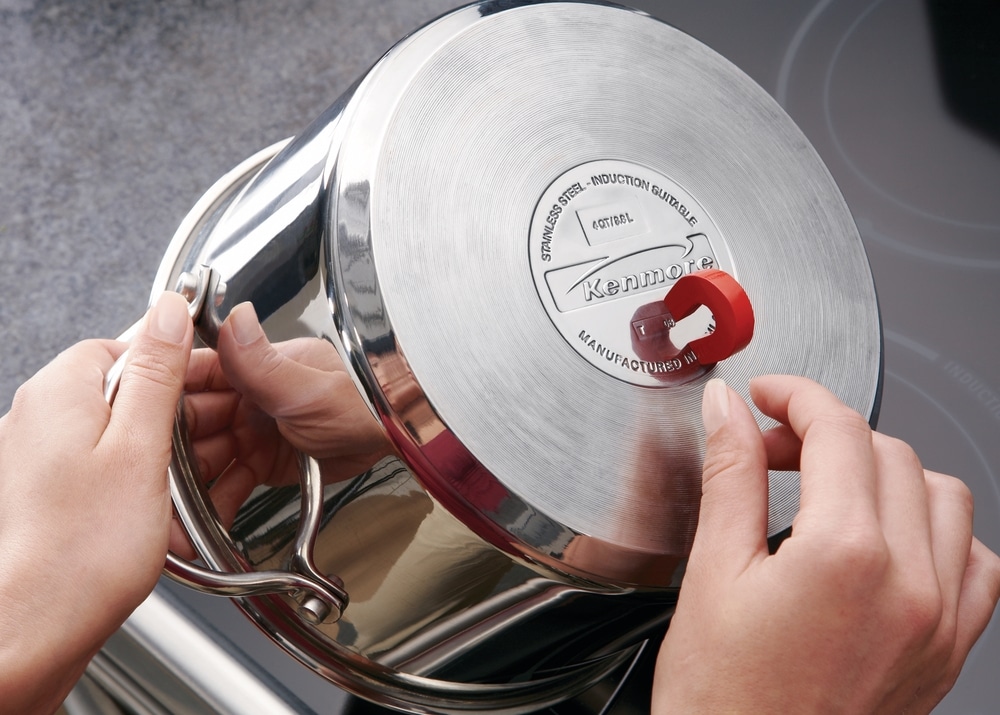
Induction cookware must contain magnetic metal, such as cast iron, carbon steel, or magnetic stainless steel.
What Cookware Works on Induction depends on one simple test: whether a magnet sticks firmly to the pan’s base. This guide explains compatible materials, common mistakes, safety tips, and easy ways to choose cookware that heats fast and evenly on an induction cooktop.
How Induction Cooktops Heat a Pan
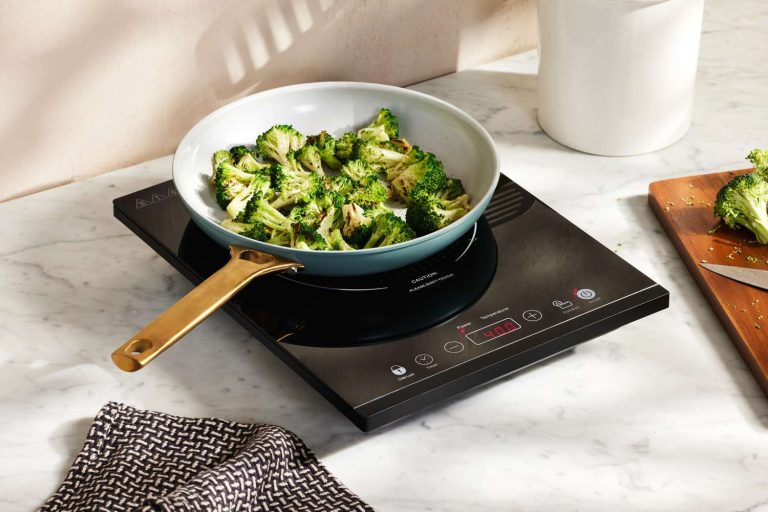
Induction cooking uses magnetism instead of a flame or a glowing electric coil. The cooktop creates a magnetic field that passes into a compatible pan. That magnetic energy makes the pan heat directly.
This process makes induction cooking fast and efficient. The glass surface stays much cooler than a gas burner because the pan, not the cooktop, creates most of the heat.
The pan must have a magnetic base for this system to work. If the cookware has no magnetic metal, the cooktop may stay cool, display an error, or shut off.
What Cookware Works on Induction
The best induction cookware has a flat base and contains iron or another magnetic material. Many modern pans include a special induction-ready layer hidden inside the bottom.
Here is what usually works:
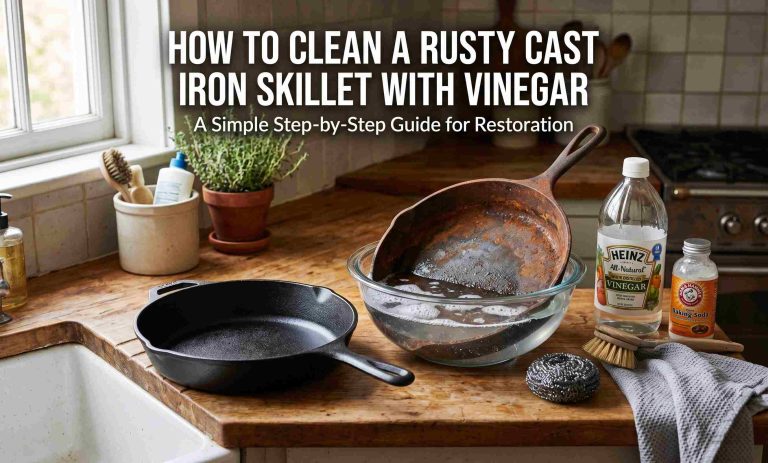
• Cast iron cookware works very well because it contains a large amount of iron.
• Enameled cast iron works on induction when the enamel base is smooth and flat.
• Carbon steel pans work well and respond quickly to temperature changes.
• Magnetic stainless steel cookware works if the base contains enough ferromagnetic metal.
• Stainless steel pans with a bonded magnetic base work well, even when the rest of the pan is made from nonmagnetic steel.
• Multi-layer cookware can work when its bottom layer is designed for induction.
• Induction-ready nonstick pans work when they include a magnetic metal plate or base.
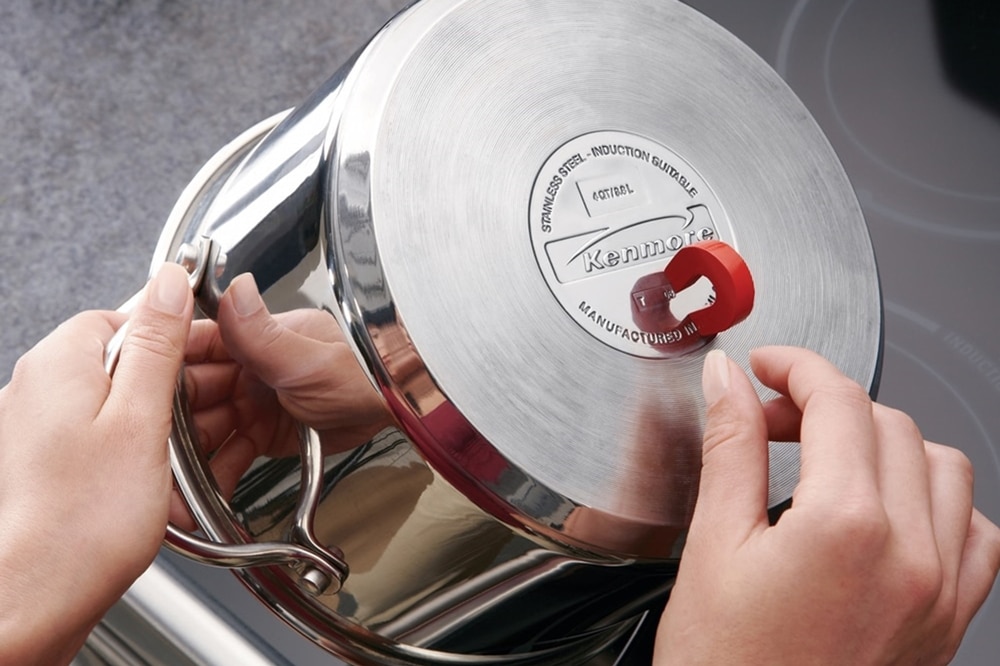
The phrase “induction compatible” should appear on the packaging or the manufacturer’s product page. Still, a magnet test is often the quickest way to check.
Materials That Usually Work
Cast Iron
Cast iron is one of the most reliable choices for induction cooking. It holds heat well and works especially well for searing steak, baking cornbread, and frying.
However, cast iron can scratch a glass cooktop. Lift the pan instead of sliding it. Enameled cast iron is often easier to use because its smooth coating helps protect the surface.
Cast iron is also slow to heat and slow to cool. Start with medium heat rather than high heat. This reduces the risk of hot spots and thermal shock.
Carbon Steel
Carbon steel has many of the benefits of cast iron but weighs less. It heats faster and becomes more naturally nonstick as its seasoning improves.
A carbon steel wok or skillet can work on induction. The base must sit flat against the cooktop, though. A rounded wok may heat poorly unless you use an induction wok ring designed for that model.
Magnetic Stainless Steel
Stainless steel is more complicated than it looks. Some stainless steel pans work on induction, while others do not.
The difference comes from the type of steel and the pan’s base. A pan labeled 18/10 stainless steel may not attract a magnet on its own. It can still work if the manufacturer adds a magnetic disk underneath.
A flat, bonded base is best. It spreads heat across the cooking surface and helps prevent uneven cooking.
Enameled Steel
Enameled steel cookware often works on induction because the steel core is magnetic. This includes some stockpots, roasting pans, and lightweight Dutch ovens.
Check the bottom before buying. A thick enamel coating does not make a nonmagnetic pan induction compatible. The steel beneath the coating must attract a magnet.
Materials That Usually Do Not Work
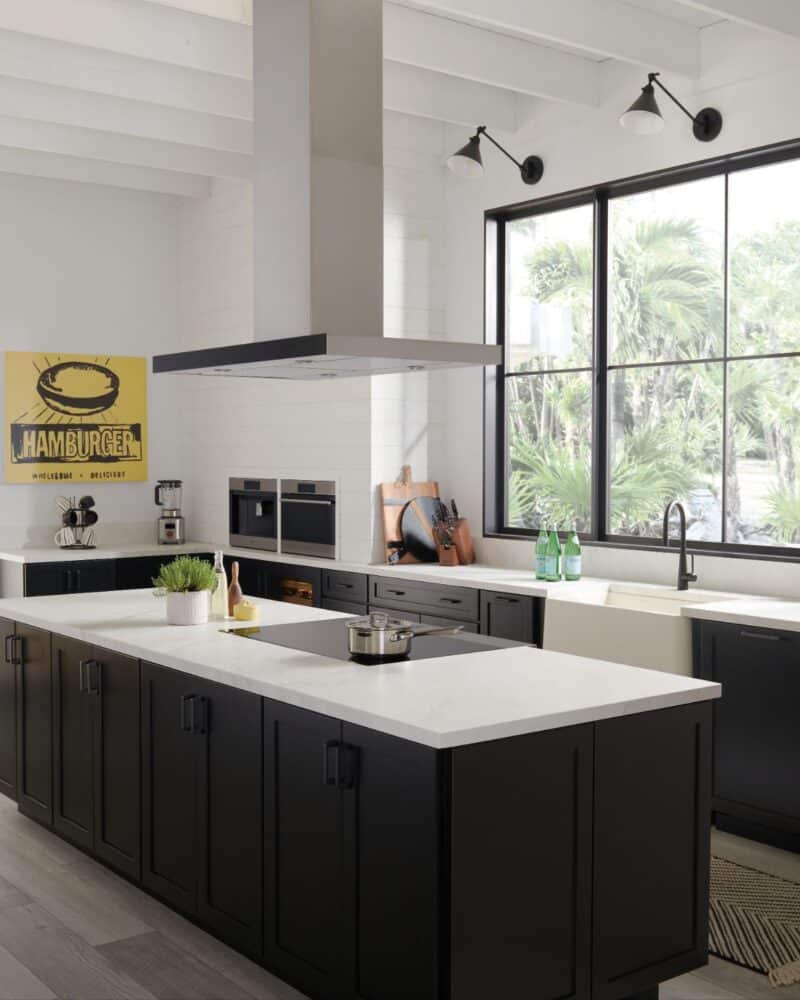
Some cookware materials do not create the magnetic connection needed for induction cooking.
• Pure aluminum does not work unless it has a magnetic induction plate.
• Copper does not work unless the base includes magnetic metal.
• Glass cookware does not work on a standard induction cooktop.
• Ceramic cookware does not work unless it has a built-in magnetic base.
• Nonmagnetic stainless steel may not work without a bonded induction layer.
• Stoneware and clay cookware do not work directly on induction.
This does not mean these materials are poor for cooking. Aluminum and copper conduct heat very well, for example. They simply lack the magnetic property that induction needs.
An aluminum pan with a thick steel disk on the bottom can work. The disk acts like a bridge between the magnetic field and the rest of the pan.
The Fastest Way to Test Cookware
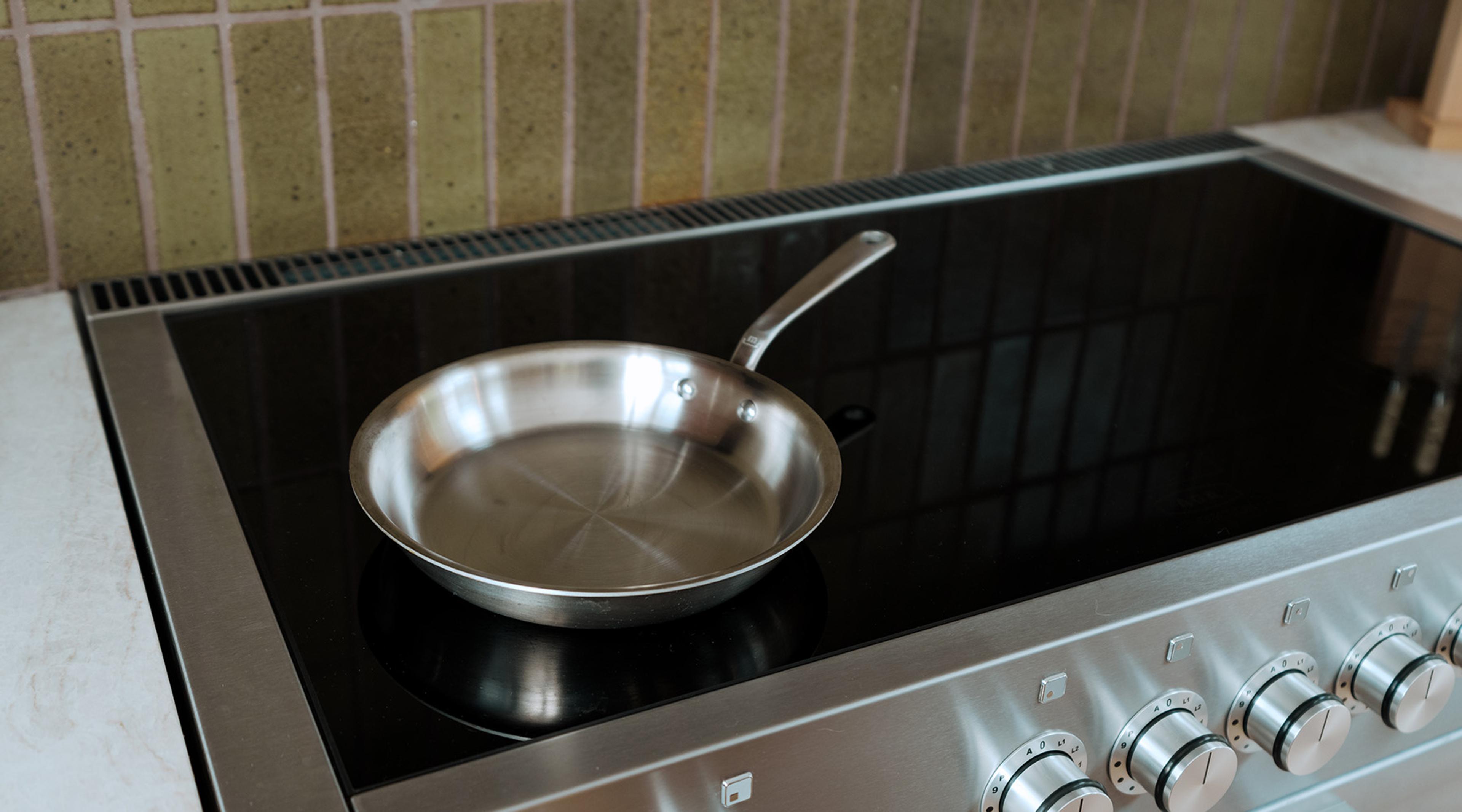
A small refrigerator magnet can answer the question, “What Cookware Works on Induction?” in a few seconds.
Follow these steps:
-
Place a magnet against the outside bottom of the pan.
-
Check whether it sticks firmly.
-
Test the center and the outer edges of the base.
-
Look for a flat, solid cooking surface.
-
Confirm the cookware is marked induction compatible when possible.
A strong pull usually means the pan will work. A weak pull may mean the pan heats slowly or unevenly. No pull means the pan will not work directly on most induction cooktops.
The magnet test is useful, but it is not perfect. It cannot tell you how evenly the pan will heat, whether the base will warp, or whether the pan is the right size for your cooktop.

Why the Pan Base Matters
The base is one of the most important parts of induction cookware. A magnetic base helps the cooktop transfer energy into the pan.
Look for these features:
• A flat bottom that makes full contact with the glass surface.
• A magnetic stainless steel layer or iron plate.
• A thick, bonded base that will not separate with regular use.
• A diameter that matches the induction cooking zone.
• A smooth finish that will not easily scratch the cooktop.
A pan that is too small may not activate the cooking zone. A pan that is much larger than the zone may heat mainly in the center.
Some cookware bases are slightly concave when cool. They flatten as they heat. This design can be normal, but a badly warped pan may cook poorly and make poor contact.

How to Choose the Best Induction Cookware
Choosing What Cookware Works on Induction is only the first step. You also need cookware that suits your food, habits, and cooktop.
Match the Pan to the Task
Different materials have different strengths.
• Use cast iron for high-heat searing and long heat retention.
• Use carbon steel for stir-frying, eggs, and quick skillet meals after seasoning.
• Use stainless steel for browning, sauces, vegetables, and daily cooking.
• Use enameled cast iron for soups, stews, braises, and baking.
• Use induction-ready nonstick cookware for delicate foods and low-fat cooking.
Check the Weight
Heavy pans hold heat well, but they can be hard to lift. They may also scratch the cooktop if dragged.
Light pans are easier to handle but may develop hot spots. A medium-weight pan with a thick, flat base is often a good balance for everyday use.
Check the Handle
A comfortable handle matters more than many shoppers expect. Make sure it stays cool enough for your cooking style and has a secure connection to the pan.
Long metal handles can become hot. Use an oven mitt when needed, even if the handle feels cool at first.
Check the Lid
A tight lid helps retain heat and moisture. Tempered glass lets you watch food cook, while metal lids are often more durable.
For a Dutch oven or stockpot, a heavy lid can improve simmering and braising. For a skillet, a lighter lid may be easier to store.

Common Problems With Induction Cookware
Induction cooking is quick, but it has a learning curve. Many problems come from the pan, not the cooktop.
The Pan Does Not Heat
The cookware may not contain enough magnetic metal. It may also be too small for the cooking zone.
Move the pan to a larger zone or test another pan. If the second pan works, the first pan is likely incompatible.
The Pan Heats Unevenly
Uneven heating can occur when the magnetic base is small, thin, or poorly bonded. It can also happen when the pan is much larger than the induction coil.
A pan with a thick, full-width base usually performs better than one with a small magnetic disk.
The Cooktop Makes Noise
A low hum, buzz, or clicking sound can be normal. The sound may come from the pan’s layered construction or from the cooktop adjusting power.
Noise is more common at high settings. If the sound is loud, sudden, or paired with an error code, check the cooktop manual.
The Pan Scratches the Surface
Cast iron and rough steel can scratch glass if you slide them. Lift and place them gently.
Keep the cooktop clean, too. Salt, grit, and food particles under a heavy pan can act like sandpaper.
Induction Cookware Safety Tips
Induction cooktops are generally safe and precise, but good habits still matter.
• Do not heat an empty pan for a long time.
• Start at medium power when using cast iron or carbon steel.
• Do not place metal utensils, knives, or loose objects on an active cooking zone.
• Keep the pan base clean and dry.
• Lift heavy cookware instead of dragging it.
• Use oven mitts with hot handles and lids.
• Follow the cookware maker’s instructions for oven use and cleaning.
• Keep pacemakers and other medical devices in mind, and follow guidance from a health professional or device maker about close exposure to induction equipment.
Induction heat can rise very quickly. A setting of 9 may be far more powerful than expected, especially with a thin pan. Begin lower, then increase the heat as needed.
Can You Use an Adapter Plate?
An induction adapter plate is a flat magnetic disk placed between the cooktop and noncompatible cookware. It can let you use aluminum, copper, glass, or ceramic pans.
Still, adapter plates have clear limits:
• They heat the pan less efficiently.
• They respond more slowly when you change the temperature.
• They can become extremely hot.
• They may waste some of induction cooking’s energy advantage.
• They can make the cooking surface harder to clean and manage.
An adapter plate may help when you own one special pan that you cannot replace. For daily cooking, induction-ready cookware usually gives better control and faster results.
A Practical Starter Set
If you are building a new induction cookware set, you do not need to buy every pan at once.
A useful starter collection may include:
-
An 8-inch induction-ready skillet for eggs and small portions.
-
A 10- or 12-inch skillet for family meals.
-
A medium saucepan for grains, sauces, and vegetables.
-
A three- to six-quart pot for pasta and soup.
-
A Dutch oven for braising and slow cooking.
Choose pieces with flat bases, secure handles, and clear induction labeling. A smaller set of durable pans often performs better than a large set filled with weak or poorly made pieces.
In kitchen testing, one common mistake is buying a full set without checking the base of each piece. Some sets include a few induction-ready pans but use different materials for the smaller pots or specialty pieces. Check every item.
How to Care for Induction Cookware
Good care keeps both the cookware and the cooktop in better shape.
Let hot pans cool before washing them, especially cast iron and carbon steel. A sudden change from high heat to cold water can cause warping or damage.
Use mild soap and a soft sponge unless the manufacturer gives different instructions. Avoid abrasive powders that can dull stainless steel or damage enamel.
For carbon steel and cast iron, dry the pan right away. A thin layer of cooking oil can help prevent rust on uncoated surfaces.
Clean spills from the glass cooktop after it cools. Sugar and syrup can bond to a hot surface and become difficult to remove.
What Cookware Works on Induction: Buying Checklist
Before you buy, use this simple checklist:
• Is the cookware labeled induction compatible?
• Does a magnet stick firmly to the base?
• Is the base flat and smooth?
• Does the pan size match your cooking zones?
• Is the base thick enough for even heating?
• Are the handle and lid strong and comfortable?
• Can the cookware handle your preferred cleaning method?
• Does the manufacturer provide clear care instructions?
• Is the pan free from cracks, severe warping, or loose base plates?
This checklist helps separate genuinely useful induction cookware from products that only use vague words such as “works on most stovetops.”
Frequently Asked Questions About What Cookware Works on Induction
Does stainless steel cookware work on induction?
Some stainless steel cookware works on induction, but not all of it does. Test the base with a magnet and look for an induction-ready label.
Can cast iron be used on an induction cooktop?
Yes, cast iron works very well on induction because it contains iron. Lift it carefully to avoid scratching the glass surface.
Does aluminum cookware work on induction?
Pure aluminum does not work on a standard induction cooktop. Aluminum cookware can work when it has a magnetic steel plate or induction-ready base.
Can I use a copper pan on induction?
Copper pans do not work directly unless they include a magnetic layer. An induction adapter plate may allow use, but heating will be slower.
How can I test if a pan is induction compatible?
Place a magnet against the pan’s bottom. If it sticks firmly, the pan will usually work, though the cooktop and pan size must also be compatible.
Do induction pans need a flat bottom?
Yes, a flat bottom gives the best contact and most even heating. Warped or rounded cookware may heat slowly or unevenly.
Is an induction adapter plate safe?
An adapter plate can be safe when used according to its instructions. It becomes very hot, heats less efficiently, and may not provide the same control as induction-ready cookware.
Conclusion
What Cookware Works on Induction is easy to identify once you understand the magnetic base. Cast iron, carbon steel, magnetic stainless steel, enameled steel, and cookware with a bonded induction plate are the main options.
Use a magnet test, choose flat and durable bases, and match each pan to your cooking needs. Start with medium heat, lift heavy cookware, and protect the glass surface from scratches.
Take a few minutes to test the pans you already own before replacing them. Then explore induction-ready cookware that fits your kitchen, cooking style, and budget, and share your favorite pan choices with other home cooks.