Aluminium Cookware Disadvantages: What You Need to Know 2026

Aluminium cookware is everywhere in home kitchens. I’ve used it myself for quick weeknight meals because it’s cheap, light, and heats up fast. But popularity hides some real downsides. In this article I’ll walk you through the key disadvantages, the health and performance risks, and practical tips I use to reduce problems. My goal is to help you make safer, smarter choices when buying or using aluminium (aka aluminum) cookware.
Aluminium Reactivity With Food
One big drawback of aluminium cookware is that the metal reacts with some foods. Acids in tomatoes, citrus, wine, or vinegar can trigger a chemical reaction. That reaction can release tiny amounts of aluminium into the dish. I’ve seen tomato sauces take on a faint metallic taste or duller color after cooking in old aluminium pots.
How aluminium leaches into food (simple explanation)
When acid meets bare aluminium, it speeds up corrosion at the surface. The metal forms soluble aluminium ions. Those ions can move into the sauce or liquid. The effect is stronger if the pan is scratched or worn. The more scratches, the more surface area there is to react.
Taste is one thing. Health is another. Most health groups say small amounts of aluminium in the diet are okay. But repeated exposure—especially from daily cooking with aluminium—raises your total intake. If you have reduced kidney function, your body may not clear extra aluminium well. That’s why people with kidney disease are usually advised to avoid extra aluminium exposure.
Potential Health Concerns
There’s debate about long-term aluminium exposure and diseases such as Alzheimer’s disease. Studies show mixed results. No clear cause-and-effect is proven. Still, because aluminium can accumulate in the body, caution makes sense.
The World Health Organization and many health authorities set intake limits. For most people occasional use of aluminium cookware won’t breach those limits. But daily cooking with acidic or salty foods can add up. If you have kidney disease, your doctor will likely recommend avoiding aluminium cookware entirely.
Durability And Longevity Issues
Aluminium cookware is light. I like that for lifting and storing pans. But pure aluminium is a soft metal. It dents, scratches, and can warp if mishandled or exposed to high heat. In my kitchen that meant replacing thin pans sooner than I expected.
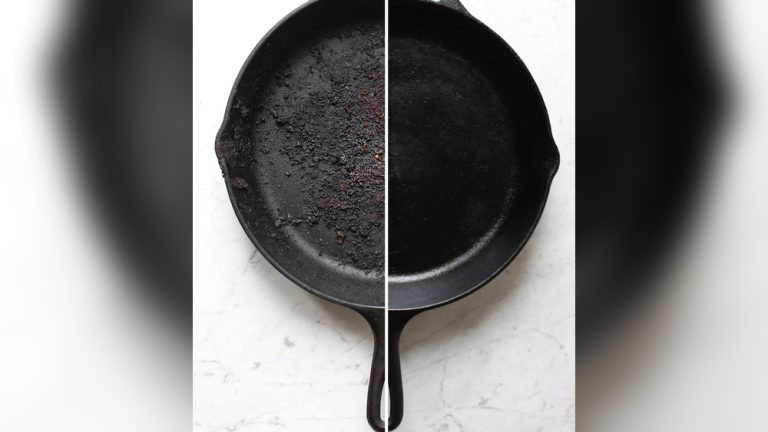
Scratches are more than cosmetic. Each scratch exposes fresh aluminium. That increases the chance of metal transfer into food. For long-lasting options, I prefer stainless steel or cast iron. They handle rough use and can last for decades with basic care.
Warping Under High Heat
Aluminium expands and contracts quickly with heat. Thin pans can warp when you sear or stir-fry at high heat. A warped base won’t sit flat on the burner. That causes uneven cooking and wasted energy. I noticed uneven browning on a warped pan I once owned.
Thicker aluminium pans or those with clad or layered bases resist warping better. But they cost more and lose much of the weight advantage that makes aluminium attractive.

Credit: x.com
Scratching And Erosion
Using metal utensils on aluminium risks scratching the surface. Over time, small scratches multiply. The pan looks worn and can react more with food. I switched to silicone and wooden tools for most cooking to protect the finish.
Erosion also happens from abrasive cleaners or strong chemicals. That wears down any protective layer. When the surface erodes, non-stick qualities fade and aluminium exposure rises.
Poor Non-stick Performance
Bare aluminium is not naturally non-stick. Foods like eggs, pancakes, and delicate fish stick unless you add lots of oil. Many non-stick pans use an aluminium base with a coating on top. Once the coating wears off, you face the same sticking and scratching problems.
If you cook often, replacing worn non-stick aluminium pans can become expensive over time. From my experience, higher-quality non-stick coatings and careful use extend life, but they still need replacement sooner than stainless or cast iron.
Maintenance And Cleaning Challenges
Unanodized aluminium needs careful cleaning. Avoid dishwashers, chlorine bleach, and harsh detergents. These can discolor or pit the metal. Steel wool and abrasive pads will scratch the surface.
I hand wash aluminium with mild soap and a soft sponge. It takes more time than tossing a stainless pan into the dishwasher, but it helps protect the surface and reduce metal leaching.
Not Induction Compatible
Induction cooktops are common in modern kitchens. They use magnetic fields to heat pans directly. Pure aluminium is not magnetic. So it won’t work on induction stoves unless the pan has a magnetic layer or steel plate added to the base.
Manufacturers sometimes bond a steel plate to aluminium pans to make them induction-ready. That fixes compatibility but raises the price and weight. If you plan to upgrade to induction, check compatibility before you buy more aluminium cookware.
Environmental Impact
Making aluminium starts with mining bauxite. That process is energy intensive and can harm ecosystems. Recycling aluminium uses less energy, but many cheap pans end up in landfills if they wear out quickly.
Choosing durable cookware reduces waste over time. I try to buy better-quality pieces that last longer, even if the upfront price is higher. That choice often has a smaller environmental footprint in the long run.
Cost Vs. Value
Aluminium cookware is cheap up front. But replacing warped or worn pans every few years adds cost. I compared prices and lifespans, and the numbers surprised me. Over a decade, a durable stainless or cast iron pan often costs less than repeatedly replacing low-end aluminium.
Below is a comparison of the typical lifespan and price range for common cookware types:
| Cookware Material | Average Lifespan | Price Range (USD) |
|---|---|---|
| Aluminium | 2-5 years | $10-$60 |
| Stainless Steel | 10-20 years | $20-$200 |
| Cast Iron | 20+ years | $30-$100 |
Food Taste And Appearance Changes
I’ve noticed foods can pick up a metallic note when cooked in scratched aluminium. Acidic ingredients often show this most. Some vegetables, like spinach or rhubarb, change color with aluminium. That’s a simple chemical reaction between plant acids and the metal.
If you care about presentation and precise flavors, these small changes matter. For casual cooking they might not bother you. For restaurant-style plating or delicate dishes, I avoid aluminium.
Food Safety Regulations And Standards
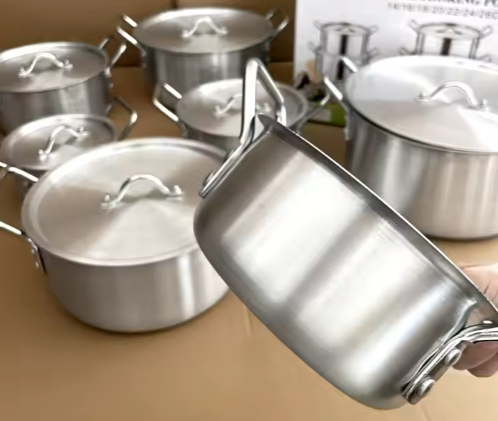
Not all aluminium cookware is made to the same standard. Some countries have strict rules. Others have looser enforcement. Cheap pans can be made from recycled or low-grade aluminium. That can introduce impurities.
If you buy low-cost cookware, check the label and brand reputation. Some makers list alloy composition, anodizing, or safety testing. When in doubt, choose reputable brands or certified products to reduce risk.
Credit: www.purecook.com
Difficulties With Certain Cooking Techniques
If you love building deep, browned flavors, aluminium may frustrate you. It doesn’t form fond—the browned bits that help make sauces—like stainless steel does. That affects deglazing and sauce depth.
Aluminium also heats and cools fast. That makes steady low heat harder to hold for long simmers or slow-cooking. For gentle heat control, I often reach for heavier pans like enameled cast iron.
Risk Of Overheating And Burning Food
Fast heat conduction is a double-edged sword. Food can burn quickly if you step away. On gas stoves this is especially true because flames and heat levels vary. If you switch from heavier pans, allow time to adjust to aluminium’s quick response.
A good habit is to lower the heat sooner than you think. I also preheat briefly and then reduce to medium when cooking delicate items.
Lack Of Aesthetic Appeal
Aluminium often looks plain and industrial. It can discolor or stain with use. Unlike copper or cast iron, it rarely develops a patina that some cooks prize. If cookware aesthetics matter to you, aluminium may feel less attractive on display.
That said, many non-stick aluminium pans have attractive outer finishes. The inside surface is what usually shows wear first.
Comparing Aluminium With Other Cookware Materials
To help you understand how aluminium stacks up against other options, here is a simple comparison:
| Feature | Aluminium | Stainless Steel | Cast Iron | Ceramic |
|---|---|---|---|---|
| Weight | Light | Medium | Heavy | Medium |
| Heat Retention | Poor | Good | Excellent | Good |
| Reactivity | High | Low | Low | Low |
| Dishwasher Safe | No | Yes | No | Yes |
| Induction Compatible | No | Yes | Yes | Sometimes |
Non-obvious Insights For Beginners
Many cooks don’t realize anodized aluminium is different from plain aluminium. Anodizing creates a hard, non-reactive layer. That layer resists scratches and reduces leaching. Still, if the anodized finish is deeply scratched, the underlying metal can show through.
Another detail: many non-stick pans use an aluminium base. When the coating fails, you’re back to aluminium’s disadvantages. I always check what lies under the non-stick surface before buying.
Real-world Examples And Data
A study in the Journal of Food Science found tomato sauce cooked in aluminium pans had up to 7 mg of aluminium per serving. The same sauce in stainless steel had less than 0.1 mg per serving. That gap shows how material choice affects intake. For most people, one serving won’t push you over health limits. But repeated daily exposure matters.
Another case: A restaurant in India replaced old aluminium pots after customers reported a bitter taste in dal. Tests showed acidity reacting with scratched pots. That’s a practical example of why surface condition matters for taste and safety.

Credit: prudentreviews.com
Practical Tips For Safer Use
If you already own aluminium cookware and want to keep using it, here are some ways to reduce risks:
- Avoid cooking acidic foods like tomatoes, citrus, or vinegar-based dishes in aluminium.
- Use wooden or silicone utensils to prevent scratching.
- Hand wash with mild soap and avoid abrasive sponges.
- Replace cookware if you see deep scratches or worn areas.
- Consider switching to anodized aluminium or other materials for daily use.
For more information about aluminium and food safety, you can check this helpful page on the Wikipedia.
Frequently Asked Questions
Is Aluminium Cookware Safe For Daily Use?
For most people, occasional use of aluminium cookware is safe. I use it for quick meals sometimes. But daily use with acidic foods can raise your aluminium intake. If you have kidney problems, avoid it or talk with your doctor first.
Does Anodized Aluminium Cookware Have The Same Disadvantages?
Anodized aluminium is less reactive and more durable. It solves many issues. But a badly scratched anodized surface can still expose the base metal. Handle anodized cookware with care and use non-metal utensils.
Can Aluminium Cookware Go In The Dishwasher?
Most aluminium should not go in the dishwasher. Harsh detergents and hot water can discolor or pit the metal. I always hand wash aluminium to keep it in better shape.
What Foods Should I Avoid Cooking In Aluminium Pans?
Avoid highly acidic foods—tomato sauces, citrus-based dishes, pickles, and vinegary recipes. These increase metal leaching and can change taste and color.
How Can I Tell If My Cookware Is Made From Pure Aluminium?
Pure aluminium pans are lightweight and silver-grey. They usually don’t attract magnets. Many non-stick pans have aluminium cores, so check the manufacturer’s label or website for alloy details and whether the exterior has a magnetic layer.
Choosing Safer Cookware: What I Recommend
If you’re replacing pieces, here are practical picks based on use:
- For everyday all-purpose use: stainless steel (tri-ply or clad) for even heat and low reactivity.
- For high-heat searing and long life: cast iron or carbon steel—excellent heat retention and flavor development.
- For low-stick cooking: high-quality non-stick from reputable brands, with care to replace when worn.
- For induction cooktops: stainless steel or cast iron that is induction-compatible out of the box.
These choices reduce the need to worry about metal leaching, warping, or short lifespans. I balanced budget and performance by building a mixed set: a stainless skillet, a cast iron pan, and one good non-stick for eggs.
How I Test Cookware At Home (Quick Checklist)
When I consider a new pan, I check:
- Weight and balance in my hand.
- Whether the label lists alloy and anodizing.
- Dishwasher and induction compatibility.
- How it handles heat—I sear a small piece of meat to see fond development.
- How it cleans—stubborn food release and how easily it comes off with a soft sponge.
This quick test helps me pick pans that last and perform well for my cooking style.
Switching to safer, more durable cookware can cost more up front. But it often saves money and time in the long run. Most importantly, it protects taste and reduces avoidable exposure to aluminium. Decide what matters most to you, and choose accordingly.