Is Cast Iron Cookware Nonstick: The Real Truth

Cast iron cookware can be nonstick when it’s properly seasoned and well cared for.
Cast iron has a reputation for being nearly indestructible, but the real magic is how it performs on the stove. I’ve used it for everything from eggs to seared steaks, and the difference between “sticky disaster” and “smooth glide” usually comes down to seasoning, heat control, and a little patience. If you’ve ever wondered whether cast iron cookware is nonstick, this guide breaks it down in a clear, practical way so you can use it with confidence.
What Makes Cast Iron Cookware Nonstick?
Cast iron cookware is not naturally nonstick in the same way coated pans are. Instead, it becomes nonstick through seasoning, which is a thin layer of oil that has been heated until it bonds to the surface.
That seasoned layer creates a slick cooking surface that helps food release more easily. Think of it like building a protective skin over the iron. The more you cook with it and maintain it well, the better that surface can perform.
A few things affect how nonstick cast iron feels in real life:
- Seasoning quality: A smooth, even seasoning helps food release better.
- Heat level: Cast iron needs time to preheat, or food may stick.
- Oil choice: Oils with good smoke points help build seasoning well.
- Food type: Eggs and fish are more likely to stick than fatty meats.
- Pan condition: Rust, rough spots, or poor cleaning can ruin the surface.
In my experience, people often expect cast iron to behave like a brand-new nonstick skillet. It doesn’t work that way. Cast iron cookware is more like a well-trained tool than a coated appliance.

How Seasoning Creates a Nonstick Surface
Seasoning is the backbone of cast iron performance. When oil is heated on the pan, it polymerizes, meaning it forms a hard, bonded layer that fills tiny pores and gives the surface a smoother feel.
This is why many home cooks say cast iron gets better with age. The more often you use it correctly, the more that seasoning improves. A good seasoning layer can make cast iron surprisingly close to nonstick for many everyday foods.
Here’s what helps seasoning work well:
- Apply a very thin coat of oil.
- Heat the pan long enough for the oil to bond.
- Avoid thick, sticky layers of oil.
- Use the pan regularly.
- Dry it fully after washing.
One mistake I made early on was using too much oil. Instead of a smooth coat, I ended up with a tacky surface that attracted dust and felt sticky. Less oil usually works better than more.
Is Cast Iron Cookware Nonstick Right Away?
No, cast iron cookware is usually not nonstick right away, especially if it is new and unseasoned. Some modern cast iron pans come pre-seasoned, which means they have a starter layer, but that still is not the same as a fully developed nonstick surface.
A new pre-seasoned pan may work fine for bacon or burgers, but delicate foods may still stick. After several uses, the surface usually improves. This is why many cast iron owners notice a big difference after a few weeks or months of regular cooking.
If you want better results faster, start with foods that help build seasoning:
- Bacon
- Sausage
- Ground beef
- Chicken thighs
- Roasted potatoes
These foods often leave behind a little fat, which helps reinforce the surface over time.
Why Food Sometimes Sticks to Cast Iron
If cast iron is not behaving like nonstick cookware, the problem is usually not the pan itself. It is often one of a few common issues.
Food may stick because:
- The pan was not hot enough before cooking.
- The pan was too hot and burned the food onto the surface.
- There was not enough oil or fat in the pan.
- The seasoning is thin, patchy, or damaged.
- The food was moved too soon before it naturally released.
I’ve found the biggest culprit is impatience. Cast iron rewards calm cooking. If you let meat or vegetables sear properly, they often release on their own. If you try to force them too early, they tear and stick.
A good rule is to let the food tell you when it’s ready. If it resists, give it another moment.
Benefits of Cast Iron as a Nonstick Alternative
Cast iron cookware is often chosen as a nonstick alternative because it offers more than just release performance. It is durable, versatile, and can handle high heat better than many coated pans.
Key benefits include:
- Long lifespan: A well-kept cast iron skillet can last for generations.
- High-heat cooking: Great for searing steaks and roasting.
- Oven safe: Many cast iron pans move easily from stovetop to oven.
- Chemical-free surface: No synthetic nonstick coating.
- Improved flavor development: Ideal for browning and crusting.
It also holds heat really well, which is useful when cooking multiple batches of food. That heat retention is one reason cast iron is a favorite in both home kitchens and restaurants.
Still, it is not perfect for everyone. If you want a pan that is truly effortless for eggs every single day, a coated nonstick pan may be easier. Cast iron rewards skill, while nonstick coatings reward convenience.
:max_bytes(150000):strip_icc()/faw-cast-iron-cookware-set-june-24-test-lodge-skillet-red-silicone-hot-handle-holder-nsimpson-672-1-ed489cfed4bf41598d481ecf31bbf0fa.jpeg)
How to Make Cast Iron More Nonstick
If you want cast iron cookware to act more like nonstick cookware, a few habits make a big difference. These steps are simple, but they add up fast.
Follow these tips:
-
Preheat the pan slowly.
Give it a few minutes over medium heat so the surface warms evenly. -
Add a small amount of fat.
Use butter, oil, ghee, or bacon fat, depending on the dish. -
Dry the food when needed.
Too much moisture can cause sticking, especially with vegetables and fish. -
Wait before flipping.
Food often releases naturally once a crust forms. -
Clean gently after use.
Avoid harsh scrubbing that strips the seasoning. -
Re-season if needed.
If food starts sticking more often, the pan may need a refresh.
A cast iron skillet is a lot like a favorite leather jacket. The more you care for it, the better it fits your life. Ignore it, and it starts acting rough.
Foods That Work Best in Cast Iron
Some foods are naturally easier to cook in cast iron cookware than others. Higher-fat foods and foods that sear well tend to work best.
Great options include:
- Steak
- Bacon
- Burgers
- Cornbread
- Pan pizza
- Roasted vegetables
- Chicken thighs
- Frittatas
More delicate foods can still work, but they need more care. Eggs, pancakes, and fish often require a very smooth seasoning layer and good heat control.
If you are just learning, start with forgiving foods first. That builds confidence and improves the pan at the same time.
Foods That Can Be Tricky
Not every dish is a natural match for cast iron. Some foods are more likely to stick if the surface is not well seasoned or if the heat is off.
Trickier foods include:
- Scrambled eggs
- Fried eggs
- White fish
- Very thin pancakes
- Sticky sauces with sugar
- Cheese-heavy recipes
This does not mean cast iron cannot handle them. It just means you need a better seasoning layer, the right fat, and a little technique. I’ve cooked eggs in cast iron many times, but I always treat the pan with extra care first.
Cast Iron vs Traditional Nonstick Cookware
Cast iron and traditional nonstick cookware do similar jobs, but they do them in very different ways. One is built on seasoning and heat management. The other uses a manufactured coating.
Here’s the difference in simple terms:
- Cast iron: More durable, can be seasoned, and improves over time.
- Nonstick cookware: Easier for beginners, but coatings wear out.
- Cast iron: Better for high heat and browning.
- Nonstick cookware: Better for delicate foods and low-fat cooking.
- Cast iron: Needs maintenance.
- Nonstick cookware: Needs more replacement over time.
If your main goal is easy cleanup and low effort, nonstick may win. If you want a pan that can sear, bake, and last a long time, cast iron is hard to beat.
How to Care for Cast Iron So It Stays Nonstick
Good care is what keeps cast iron cookware performing like a nonstick surface. The routine is simple, but consistency matters.
Best practices include:
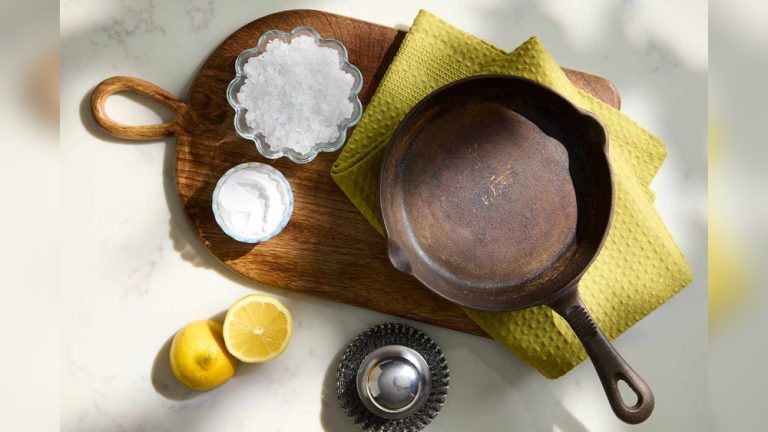
- Wash with warm water and a soft brush.
- Avoid soaking it for long periods.
- Dry it completely right away.
- Rub on a thin layer of oil after drying.
- Store it in a dry place.
- Re-season when the surface looks dull or sticky.
One thing I always tell people: don’t be afraid of water. Cast iron is not fragile, but it does need fast drying. Rust is usually a storage problem, not a cooking problem.
If rust does appear, scrub it off, dry the pan fully, and re-season it. Most cast iron can be brought back.
Frequently Asked Questions of Is Cast Iron Cookware Nonstick
Is cast iron cookware naturally nonstick?
No, cast iron cookware is not naturally nonstick. It becomes nonstick through seasoning, which builds a smooth protective layer on the surface.
Does pre-seasoned cast iron mean it is nonstick?
Not fully. Pre-seasoned cast iron has a starter layer, but it usually needs more use and care before it feels truly nonstick.
Can you cook eggs in cast iron without sticking?
Yes, but the pan must be well seasoned and properly heated. A little oil or butter also helps eggs release more easily.
Why does my cast iron pan keep sticking?
The most common reasons are poor seasoning, too little fat, or incorrect heat. Food can also stick if you move it too early before it has formed a crust.
Is cast iron better than nonstick cookware?
It depends on your needs. Cast iron is more durable and better for high heat, while traditional nonstick cookware is easier for quick, low-effort cooking.
How do I know if my cast iron needs re-seasoning?
If food starts sticking more often, the surface looks dull, or rust appears, the pan may need re-seasoning. A strong seasoning layer should look smooth and feel slick.
Conclusion
Cast iron cookware can absolutely act nonstick, but only when the seasoning is strong and the cooking technique is right. It is not magic, and it is not the same as coated nonstick cookware, but it can become impressively slick with regular care and patient use.
If you want a pan that gets better over time, cast iron is one of the best kitchen tools you can own. Start with simple foods, keep the seasoning healthy, and trust the process. Try the tips above in your own kitchen, and if you’re curious about more cast iron care advice, explore additional guides and share your questions or experiences in the comments.