How To Remove Paint From Cast Iron Cookware: Easy Guide

Paint on cast iron can be removed safely with heat, abrasion, or chemical stripping.
Cast iron cookware is built to last, but old paint, enamel chips, or unwanted coatings can make it look rough and feel unsafe to use. If you want to restore a skillet, Dutch oven, or griddle the right way, you need a method that removes paint without ruining the metal underneath. I’ve worked with a lot of restored cookware over the years, and the biggest lesson is simple: patience matters more than force when you’re dealing with cast iron cookware.

Why Paint Ends Up on Cast Iron Cookware
Paint on cast iron cookware usually shows up for one of a few reasons. Sometimes it is from a factory coating, sometimes from a previous owner’s DIY paint job, and sometimes from rust protection or decorative use.
It is important to know what kind of paint you are dealing with before you start. Some paints are just cosmetic, while others may contain chemicals that should never be near food.
Common reasons include:
• Decorative repainting by a previous owner
• Heat-resistant paint used on a Dutch oven exterior
• Old enamel or coating that has flaked and aged
• Misuse of regular spray paint on a pan or lid
• Storage coatings applied for display pieces
If the cookware will be used for food, removing the paint fully is usually the safest choice.
:max_bytes(150000):strip_icc()/Can_You_Really_Use_Soap_On_Cast_Iron_035-1-2000-b16f0215240742929f2ecdc3e71a1611.jpg)
Is It Safe to Remove Paint from Cast Iron Cookware?
Yes, it can be safe if you use the right method and fully clean the cookware afterward. The key is to protect the iron surface, avoid breathing dust or fumes, and remove every trace of the coating before cooking with it again.
I always tell people to treat this like a restoration project, not a race. Cast iron is strong, but harsh shortcuts can warp it, damage the seasoning surface, or leave behind residue you do not want in food.
Before you begin, keep these safety points in mind:
• Work in a well-ventilated area
• Wear gloves, eye protection, and a mask if sanding or scraping
• Never use paint remover in a food prep area
• Avoid unknown coatings if you suspect lead or toxic paint
• Check whether the cookware is decorative only or food safe
If you think the paint may contain lead, stop and test it before doing anything else. Public health guidance has long warned that older painted items can pose a serious risk.
Best Methods for How to Remove Paint from Cast Iron Cookware
There is no single best method for every piece. The right choice depends on the type of paint, the age of the cookware, and whether you are restoring a pan, pot, or lid.
1. Heat Removal
Heat can break down some paints and coatings, especially on the exterior of cast iron cookware. This method works best for stubborn residue on plain cast iron pieces, but it must be done carefully.
You can use an outdoor grill, a self-cleaning oven cycle for the bare piece only, or a controlled heat source. I have seen this method work well on old skillets, but it is not the first choice for anything with hidden enamel or glued parts.
Steps:
• Place the cookware in a well-ventilated outdoor area or suitable oven
• Heat gradually, not all at once
• Let the paint blister or loosen
• Remove the piece safely once cooled
• Scrape away loosened material with a plastic or metal scraper
• Wash and inspect the surface
Use caution. Too much heat can crack enamel, ruin seasoning, or distort thinner cookware.
2. Sanding or Abrasive Removal
Sanding is one of the most direct ways to remove paint from cast iron cookware. It works especially well on flat surfaces and bare cast iron, but it takes effort.
For small jobs, use steel wool, a wire brush, or sanding pads. For larger projects, a drill brush or abrasive wheel can help, though you should keep the speed low and the pressure light.
Best practices:
• Start with a medium grit or less aggressive pad
• Work in small sections
• Wipe away dust often so you can see progress
• Avoid grinding too deeply into the metal
• Finish with a finer abrasive for smoothing
One mistake I made early on was pressing too hard. That only created uneven spots and more cleanup later. Gentle, repeated passes almost always give a better result.
3. Chemical Paint Strippers
Chemical strippers can remove paint from cast iron cookware when heat and abrasion are not enough. This method is effective, but it needs care because not all strippers are appropriate for cookware restoration.
Look for a product designed for metal and follow the label exactly. If the cookware will be used for food later, you must strip it completely, scrub it thoroughly, and neutralize any residue if the product requires it.
Steps:
• Apply the stripper in a ventilated area
• Let it sit for the recommended time
• Scrape off softened paint
• Repeat if needed
• Wash several times with hot water and dish soap
• Dry completely and inspect for residue
Be honest with yourself here: if you do not feel comfortable handling the chemicals, choose a mechanical method instead. There is no shame in taking the slower, safer route.
4. Electrolysis or Restoration Tank Methods
For heavy rust, old coating, and deeply stuck paint, restoration tanks can be very effective. This method is more advanced and often used by collectors or serious cast iron restorers.
It uses electricity and a washing soda solution to loosen corrosion and coatings from the metal surface. It can save cookware that looks beyond hope, but it takes setup and care.
Good for:
• Very old cast iron pieces
• Thick rust buildup
• Paint on hard-to-reach areas
• Restoration projects with multiple damaged items
Not ideal for beginners unless you have solid instructions and a safe setup. If you are new to cast iron cookware restoration, start with simpler methods first.
Step-by-Step Guide to Remove Paint from Cast Iron Cookware
Here is the process I recommend for most home restorations. This method balances safety, control, and good results.
Step 1: Identify the Coating
First, figure out what kind of paint or coating is on the cast iron cookware. Look for chips, glossy enamel, spray paint, or flaking layers.
If the item is vintage and you do not know its history, assume caution. Unknown coatings are the ones that surprise people later.
Step 2: Test for Lead if Needed
If the cookware is old or painted before the 1978 lead paint cutoff in the United States, test it before you go further. Lead-safe test kits or professional testing are worth it.
This step matters because a beautiful restoration means nothing if the coating is toxic.
Step 3: Choose the Right Removal Method
Pick the least aggressive method that still gets the job done. For light paint, sanding may be enough. For thick paint, you may need heat or a stripper.
A smart rule of thumb:
• Light paint: sanding or scraping
• Medium paint: heat plus scraping
• Heavy paint: chemical stripper or restoration tank
• Unknown coating: test first, then proceed carefully
Step 4: Remove the Paint
Work slowly and keep checking the surface. Cast iron cookware usually rewards patience, not force.
If the paint softens, remove it in layers. If it is bonded tightly, do not dig into the iron. Instead, switch methods if needed.
Step 5: Wash, Dry, and Inspect
After the paint is gone, wash the piece with hot water and dish soap. Dry it immediately and completely.
Inspect for:
• Leftover paint spots
• Rust patches
• Pitting or cracks
• Sticky residue from chemical products
If anything remains, repeat the process before seasoning or using the cookware.
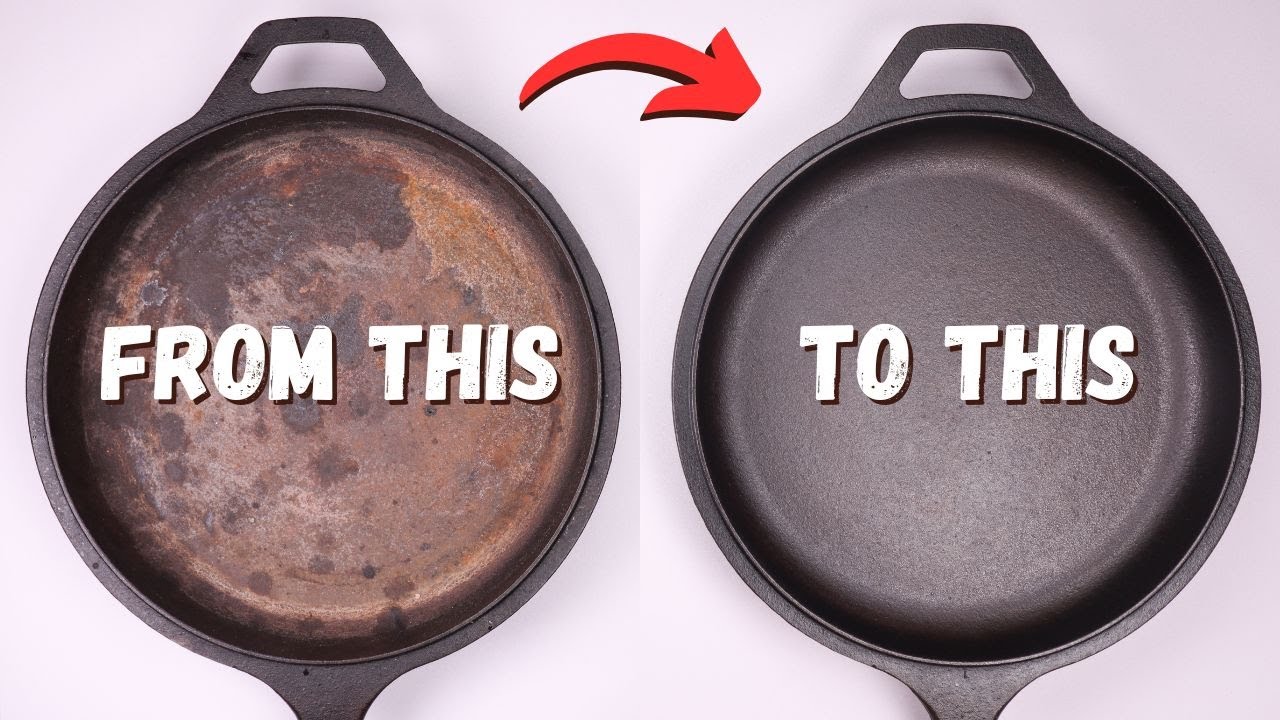
Step 6: Restore the Surface
Bare cast iron cookware needs protection right away. Lightly oil the surface and season it to prevent rust.
A simple seasoning approach:
• Apply a very thin layer of oil
• Wipe off excess so it looks nearly dry
• Bake upside down in a hot oven
• Let it cool fully
• Repeat as needed for a stronger finish
What to Avoid When Removing Paint from Cast Iron Cookware
A lot of damage happens when people rush. I have seen cookware ruined by overuse of power tools, harsh chemicals, and poor drying habits.
Avoid these mistakes:
• Using random paint remover without checking if it is food-safe after cleanup
• Sanding so hard that you gouge the iron
• Heating coated cookware without ventilation
• Skipping lead testing on old painted items
• Leaving moisture on the metal after washing
• Trying to cook on the piece before removing all residue
If your cookware has an enamel finish, do not treat it like bare cast iron. Enamel can chip or crack if you use aggressive stripping methods.
How to Know When the Paint Is Fully Removed
The surface should look like clean bare metal or intact original enamel, depending on the piece. There should be no sticky spots, color transfer, or visible flakes.
A clean piece usually shows:
• Even metal color
• No paint smell after washing and drying
• No residue on a white cloth when wiped
• Smooth surface without loose flakes
If you still see doubt, clean it again. With cast iron cookware, “probably clean” is not the same as safe.
When to Rebuild Seasoning After Paint Removal
If you removed paint from bare cast iron, seasoning should happen right after cleaning and drying. Bare iron rusts fast, sometimes in a matter of hours if the air is humid.
Seasoning helps create a protective layer and improves cooking performance. I usually tell people to season right after the metal has fully cooled and dried, especially if the restoration took place on a rainy day or in a damp kitchen.
Long-Term Care After Restoration
Once the paint is gone, treat the cookware like a freshly restored tool. It will last longer if you protect it from moisture and avoid soaking it.
Helpful habits:
• Dry after every wash
• Store in a dry place
• Use a thin coat of oil if needed
• Avoid dishwashers
• Re-season when food starts sticking
• Inspect for rust before storing
Cast iron cookware is a lot like a good work boot. It gets better with care, and it falls apart when ignored.
Frequently Asked Questions of How to Remove Paint from Cast Iron Cookware
Can I use oven cleaner to remove paint from cast iron cookware?
Oven cleaner can help remove some coatings, but it is not the best choice for every piece. It may also leave behind residue, so you must wash and rinse very well afterward.
Does vinegar remove paint from cast iron cookware?
Vinegar is better for rust than paint. It may loosen some weak residue, but it is usually not strong enough for full paint removal.
Can painted cast iron cookware still be used for cooking?
Only if the paint is fully removed and the piece is properly restored. If there is any question about the coating or possible toxins, do not use it for food.
How do I remove spray paint from cast iron cookware?
For spray paint, start with scraping, sanding, or a suitable chemical stripper. If the piece is bare cast iron, you can follow up with cleaning and re-seasoning after the paint is gone.
Is it safe to burn paint off cast iron cookware?
High heat can remove some coatings, but it can also create harmful fumes and damage the cookware. If you use heat, do it only in a safe, well-ventilated setup and avoid unknown paints.
What if the paint will not come off?
If paint is deeply bonded, switch methods instead of forcing it. A combination of chemical stripping, brushing, and light sanding usually works better than trying the same step over and over.
Conclusion
Removing paint from cast iron cookware takes care, patience, and the right method for the job. Once you identify the coating, work safely, strip it fully, and restore the surface, you can bring old cookware back to life in a way that feels both practical and rewarding.
The main thing I have learned is this: cast iron cookware responds best to steady hands and smart choices. If you take your time and respect the material, you can turn a neglected piece into something useful again.
If you found this guide helpful, try the method that best fits your cookware, and share your restoration results or questions in the comments.