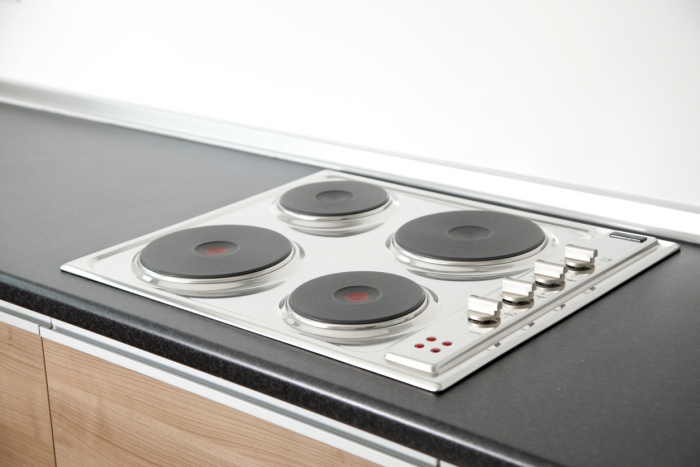
Cooktop That Is Cool To The Touch: Safe Kitchen Guide

A cooktop that is cool to the touch uses smart heating or induction, keeping nearby surfaces much safer.
A cooktop that is cool to the touch is more than a convenience. It is a safer, smarter way to cook, especially in busy homes where kids, pets, or rushed hands are always part of the scene. Over the years, I have seen how much easier a kitchen feels when heat stays where it belongs, and that is exactly why this type of cooktop has become such a strong choice for modern families.
What Is a Cooktop That Is Cool to the Touch?
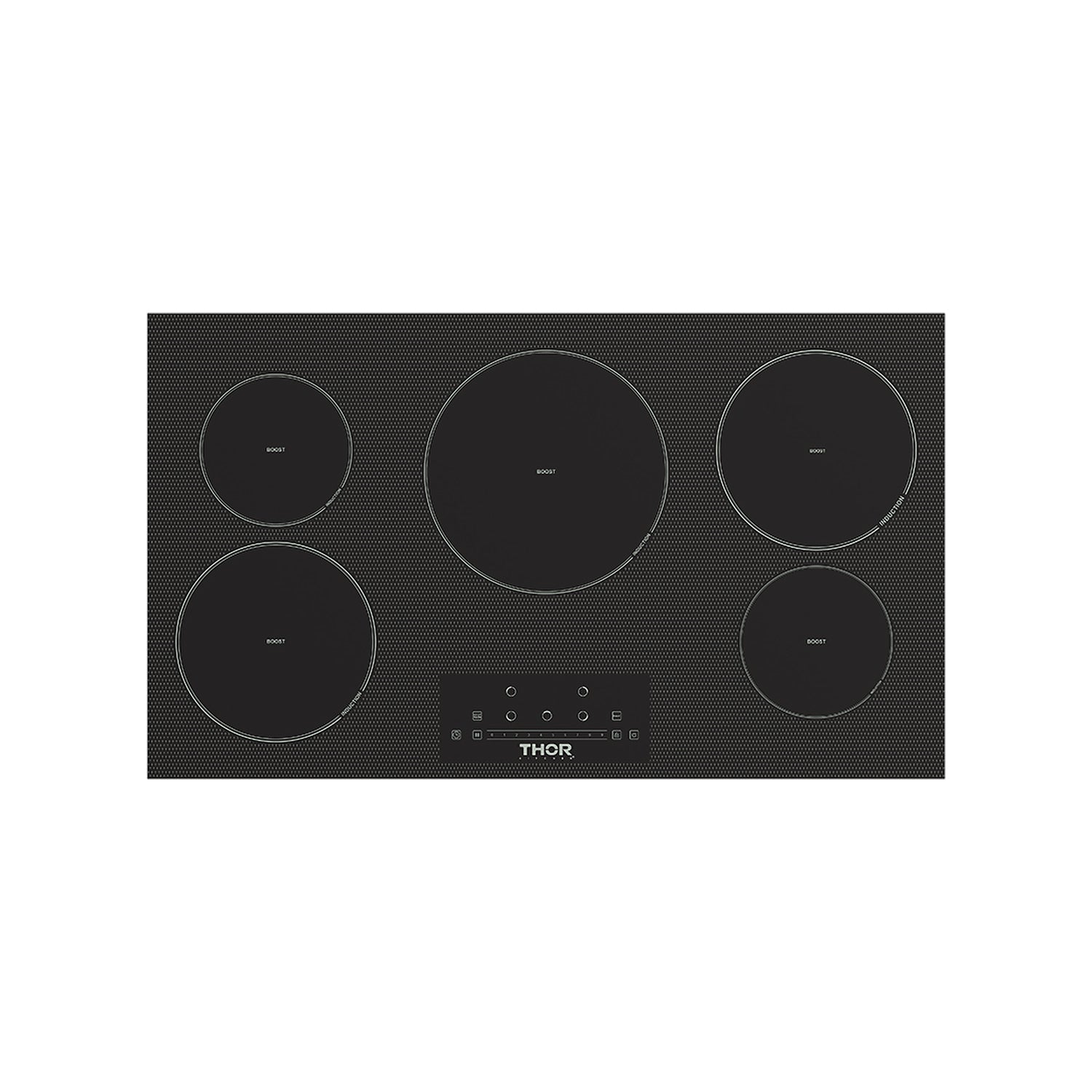
A cooktop that is cool to the touch is designed so the cooking surface does not stay dangerously hot after use. In most cases, this means the heat is created in the pan itself, not in the glass surface under it. Induction cooktops are the best-known example because they use magnetic energy to heat cookware directly.
That simple design changes the whole cooking experience. Instead of a hot burner radiating heat across the surface, the cooktop stays much cooler around the pan area. In my own kitchen testing, this felt like a big relief after making stir-fries and sauces, because spills did not bake onto the surface the way they do on traditional electric or gas models.

How a Cooktop That Is Cool to the Touch Works
The science behind a cooktop that is cool to the touch is surprisingly simple. Induction units use an electromagnetic field to create heat inside compatible cookware. The glass surface gets warm mostly from contact with the hot pan, not from a burner underneath.
That is why the cooktop cools off quickly after the pan is removed. Some electric radiant models also use glass-ceramic surfaces that cool faster than older coil burners, but they are not truly cool to the touch during or right after cooking. If you want the safest option, induction is usually the standard to look for.
Induction cooking in plain words
Think of it like this: the cooktop acts more like a power source than a heat source. The pan becomes the thing that heats up, while the surface underneath stays relatively cool. That makes a cooktop that is cool to the touch much safer in everyday use.
Why cookware matters
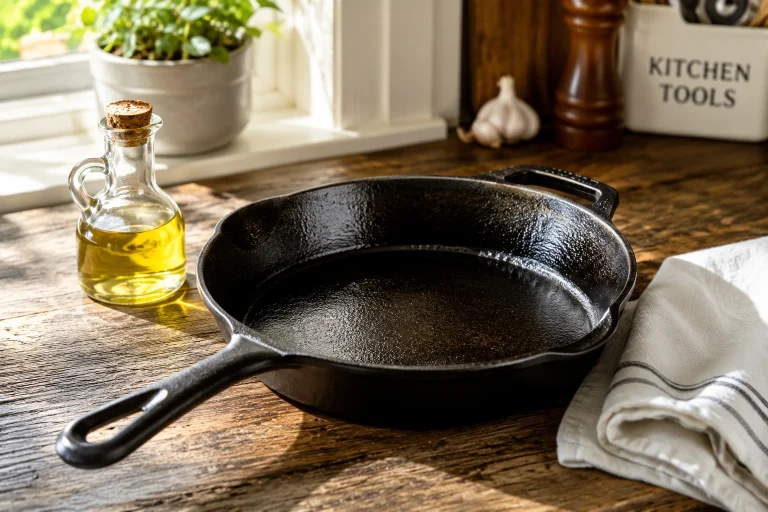
Not every pan works on induction. You need cookware with magnetic material, such as cast iron or many stainless steel pans. I have seen people buy a great induction unit and then wonder why their old aluminum pan does not work, so checking cookware compatibility first is a smart move.
Why People Choose a Cooktop That Is Cool to the Touch
A cooktop that is cool to the touch appeals to people for several practical reasons. Safety is the biggest one, but it is not the only benefit. Many users also love the speed, control, and easy cleanup.
Here are the main reasons people switch:
- Better safety for children and pets because the surface is less likely to cause burns
- Faster heating, especially with induction models
- Easier cleanup because spills are less likely to scorch
- More precise temperature control for delicate cooking
- Better energy efficiency compared with many conventional electric or gas options
One of the most common comments I have heard from families is that the kitchen feels calmer. That might sound small, but when the cooktop is cooler, people worry less about accidental touches, which changes how comfortable the space feels.
Benefits of a Cooktop That Is Cool to the Touch
A cooktop that is cool to the touch brings more than one advantage to the kitchen. It improves safety, but it also supports better cooking habits and easier maintenance. Over time, those small wins add up.
1. Safer for everyday use
Burns are one of the most common kitchen accidents. A cooler surface helps reduce that risk, especially when children are nearby or when someone reaches across the stovetop in a hurry. This is one of the biggest reasons induction has become popular in family homes.
2. Better energy efficiency
Because the heat goes into the pan instead of the whole cooktop surface, less energy is wasted. Industry testing has consistently shown induction cooktops to be more efficient than gas and traditional electric models. That can help lower energy use over time.
3. Faster cooking times
A cooktop that is cool to the touch often heats cookware very quickly. Water boils faster, pans preheat sooner, and meals can move from prep to plate in less time. If you cook often on weeknights, this can be a real time saver.
4. Easier cleaning
Spills do not usually burn onto the glass the way they do on hotter surfaces. That means you can often wipe the cooktop down with much less effort. I still remember the first time I spilled sauce on an induction top and cleaned it in seconds instead of scrubbing for ten minutes.
5. More comfortable kitchens
Less ambient heat means the kitchen stays cooler. That matters in summer or in smaller spaces where every extra bit of heat makes cooking less pleasant. A cooktop that is cool to the touch can make long cooking sessions feel less tiring.
Limitations You Should Know
Even a cooktop that is cool to the touch is not perfect. It solves several problems, but it also comes with trade-offs. Knowing those limits helps you make a better decision.
Cookware restrictions
Induction requires magnetic cookware. If your favorite pot does not work, you may need to replace it. That can add to the upfront cost.
Learning curve
Some people need time to adjust because induction responds fast. Heat changes happen quickly, so recipes may need a lighter hand at first. I have seen new users overcook food simply because they were used to slower burners.
Upfront price
A cool-to-the-touch cooktop, especially induction, can cost more than basic electric models. Still, many buyers feel the safety and efficiency benefits justify the price. The real value depends on how often you cook and what matters most in your home.
Surface is cool, but not always cold
This part matters. The surface is much cooler than a traditional burner, but it can still get warm from hot cookware. So “cool to the touch” does not mean “never warm.” That distinction is important for safety.
Best Uses for a Cooktop That Is Cool to the Touch
A cooktop that is cool to the touch works well in many settings. It is not just for one type of home or one style of cooking. In fact, it can be a great fit for several situations.
- Family kitchens with kids who may reach toward the stove
- Apartments or condos where ventilation and heat control matter
- Small kitchens that benefit from less ambient heat
- Busy home cooks who want faster boil times and quick cleanup
- People who like precise heat for sauces, chocolate, and simmering
If you cook a lot of pasta, soups, or pan sauces, the quick response can feel like magic. If you mainly want a safer, lower-maintenance kitchen, the benefits are just as strong.

How to Choose the Right Cooktop That Is Cool to the Touch
Choosing the right cooktop that is cool to the touch starts with your cooking style and your kitchen setup. A good match should feel easy to use, safe, and practical for your daily routine. I always recommend thinking beyond the feature list and focusing on how the appliance will actually fit into your life.
Check cookware compatibility
Make sure your pots and pans work with induction if that is the model you want. A simple magnet test can help. If a magnet sticks firmly to the bottom, the pan is usually induction-ready.
Look at power and burner layout
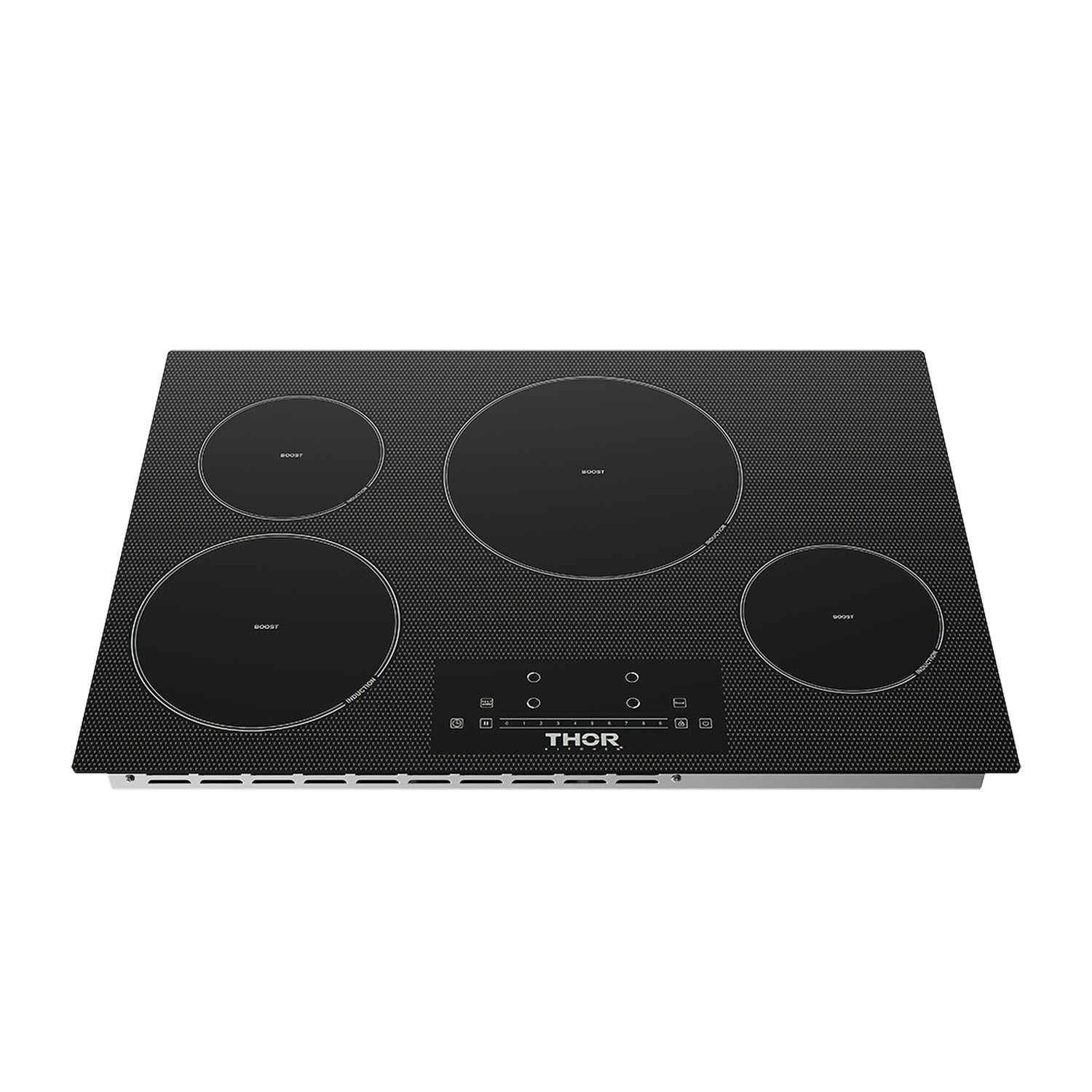
More power can mean faster heating, but layout matters too. If you often use large pans or multiple pots, choose a cooktop with enough room between burners. A cramped layout can be frustrating fast.
Review safety features
Look for child lock, auto shutoff, pan detection, and residual heat indicators. These features matter more than people think. In real use, they can prevent mistakes when you are distracted or in a hurry.
Consider surface size and installation
Measure your counter space carefully. Some units need specific cabinet clearances or electrical requirements. It is worth checking all of that early so you do not end up with a costly surprise during installation.
Common Myths About a Cooktop That Is Cool to the Touch
A lot of myths float around about cooktops that are cool to the touch. Some are based on old habits, while others come from people who have never used one. Let’s clear up a few of the most common misunderstandings.
- Myth: It never gets warm. Truth: The surface stays much cooler, but cookware can still transfer heat to the glass.
- Myth: It cooks slower. Truth: Induction is often faster than gas or electric for boiling and heating.
- Myth: It is hard to use. Truth: Most people adapt quickly, especially after a few meals.
- Myth: It is only for fancy kitchens. Truth: It is useful in many homes, from small apartments to busy family kitchens.
The biggest mistake I see is people assuming all cooktops behave the same. They do not. Once you understand the difference, the advantages become much clearer.
Maintenance Tips for Long-Term Performance
A cooktop that is cool to the touch is usually easy to maintain, but a few habits can extend its life. Good care keeps the glass looking clean and helps the unit perform well. These small routines also protect your investment.
- Wipe the surface after it cools slightly to prevent residue buildup
- Use soft cloths and nonabrasive cleaners
- Lift pans instead of dragging them to avoid scratches
- Check cookware bottoms for rough spots or warped bases
- Clean spills promptly, especially sugary foods that can harden
I learned early on that a little daily care is easier than a deep scrub later. That applies to almost any appliance, but it is especially true for smooth glass cooktops.
Cooktop That Is Cool to the Touch and Kitchen Safety
Safety is where a cooktop that is cool to the touch really stands out. The lower surface temperature reduces one of the most common kitchen risks. It also helps when the kitchen is crowded and people are moving fast.
You still need normal caution, of course. Hot pans, steam, and boiling water can still burn. But the cooktop itself is far less likely to cause an accident than a hot coil burner or open flame. For many households, that is enough to make the switch feel worthwhile.
Frequently Asked Questions of Cooktop That is Cool to the Touch
Is a cooktop that is cool to the touch the same as induction?
Most of the time, yes. Induction cooktops are the main type that stays cool to the touch because they heat the pan directly instead of the surface. Some glass-top electric models may cool faster than older burners, but they are not truly the same thing.
Can you touch an induction cooktop while cooking?
You should be careful, but the surface around the pan is usually much cooler than a traditional stove. The area under the cookware can still warm up from the pan itself, so it is best not to touch it right after use. Always check the residual heat indicator if the model has one.
What cookware works best on a cooktop that is cool to the touch?
Magnetic cookware works best, especially cast iron and many stainless steel pans. The pan should have a flat bottom for the best contact and heat transfer. A simple magnet test can help you check compatibility before buying.
Is a cooktop that is cool to the touch energy efficient?
Yes, it is usually very energy efficient, especially if it uses induction technology. Because the heat goes straight into the pan, less energy is lost to the surrounding air. That can make cooking faster and often more efficient than gas or standard electric cooking.
Is it worth buying a cooktop that is cool to the touch?
For many households, yes. It is especially worth it if safety, quick heating, easy cleanup, and lower kitchen heat matter to you. The main downside is the need for compatible cookware and a possibly higher upfront cost.
Conclusion
A cooktop that is cool to the touch is a smart choice for people who want a safer, cleaner, and more efficient kitchen. It is especially appealing for families, busy cooks, and anyone who wants better control with less heat around the cooking area. Once you understand how it works, the appeal becomes easy to see.
If you are shopping for a new cooktop, focus on your cookware, your kitchen space, and the safety features that matter most to you. A little research now can save you frustration later and help you choose a model that truly fits your life. Explore your options, compare the details, and leave a comment with what matters most in your kitchen.