Best Way To Clean Glass Cooktop: Easy Pro Tips

The best way to clean a glass cooktop is to use a soft cloth, mild cleaner, and a gentle scraper for stuck-on messes.
A glass cooktop looks sleek, but it also shows every spill, drip, and speck of grease. The good news is that cleaning it does not have to be hard. With the right method, you can keep your glass cooktop shiny, scratch-free, and working like new.
Why the Best Way to Clean Glass Cooktop Matters
A glass cooktop is not just about looks. When food burns on, grease builds up, and sugary spills cool fast, the surface can stain or even get damaged. I have seen people scrub too hard and end up with dull marks that never fully go away.
The best way to clean glass cooktop is to clean it often, use gentle tools, and act fast on spills. That simple habit saves time, protects the surface, and keeps your kitchen looking cared for.
What You Need Before You Start
Before you clean, gather the right tools. Using the wrong item is often what causes scratches, haze, or streaks.
Here is a simple cleaning kit:
- Soft microfiber cloths
- Warm water
- Mild dish soap
- White vinegar
- Baking soda
- Non-abrasive glass cooktop cleaner
- Plastic scraper or razor scraper made for cooktops
- Paper towel or a dry lint-free cloth
If you have ever tried using steel wool on a glass cooktop, you already know why that is a bad idea. I once made that mistake early in my career, and even a few minutes of rough scrubbing left tiny marks I could never ignore again.
Step-by-Step: Best Way to Clean Glass Cooktop
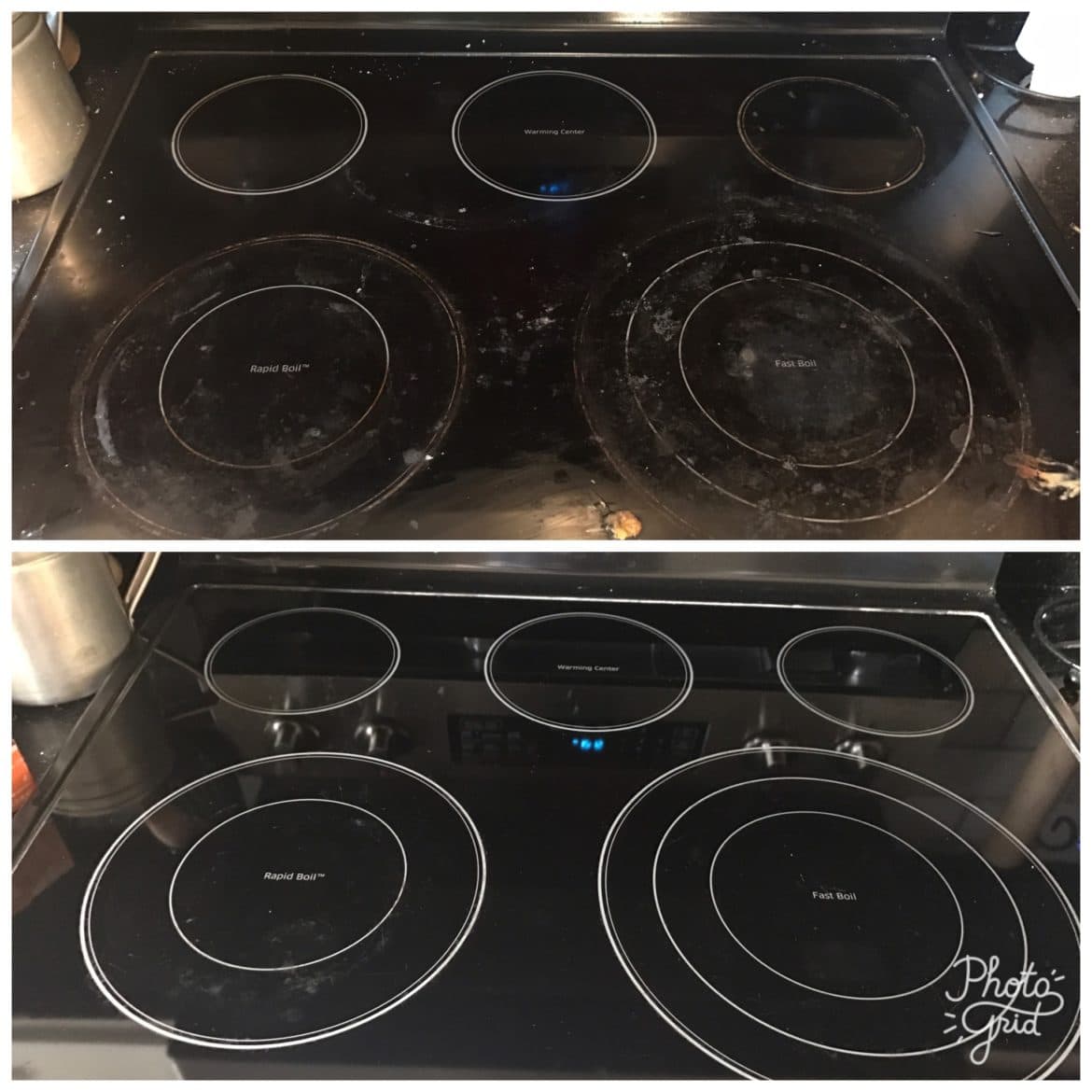
The best way to clean glass cooktop is a mix of daily care and deeper cleaning when needed. Start simple, then move to stronger methods only for stuck-on messes.
1. Let the cooktop cool completely
Never clean a hot surface. Let it cool fully so you do not risk burns and so cleaners do not evaporate too fast.
2. Remove loose crumbs and debris
Use a dry microfiber cloth to wipe away crumbs, dust, and dry bits of food. This keeps grit from scratching the glass when you start wiping.
3. Wipe with warm soapy water
Mix a few drops of mild dish soap with warm water. Dampen a microfiber cloth, wipe the surface, and then follow with a clean damp cloth.
4. Tackle stuck-on messes with baking soda paste
For burnt spills, make a paste with baking soda and a little water. Spread it over the stain, let it sit for 10 to 15 minutes, then wipe gently.
5. Use a scraper for hardened residue
If food is still stuck, hold a plastic or cooktop-safe scraper at a low angle. Move slowly and carefully so you lift the residue without digging into the glass.
6. Polish for a streak-free finish
Spray a small amount of vinegar or cooktop cleaner on the surface. Buff it dry with a clean microfiber cloth until the glass shines.
Best Cleaning Methods for Different Types of Messes
Not every spill needs the same treatment. The best way to clean glass cooktop depends on what got on the surface and how long it has been there.
Fresh spills
Fresh spills are the easiest to clean. Once the cooktop is cool, wipe them with a damp cloth and a little dish soap.
Grease splatter
Grease often leaves a cloudy film. White vinegar or a quality glass cooktop cleaner works well because it cuts through oily residue without being too harsh.
Burnt-on sugar or sauce
Sugar spills can harden into a sticky shell that clings to the surface. Soften the mess with a damp cloth first, then use a scraper gently.
Water spots
Hard water can leave white marks that make the cooktop look dirty even after cleaning. A vinegar wipe usually helps break down the mineral film.
Dark stains
Some dark spots may be old buildup, not true damage. A baking soda paste and repeated gentle cleaning often improve the look over time.
What to Avoid When Cleaning a Glass Cooktop
The best way to clean glass cooktop also means knowing what not to do. A few common habits can shorten the life of the surface.
Avoid these mistakes:
- Steel wool or abrasive scrub pads
- Powder cleaners with rough grit
- Razor scraping at a steep angle
- Cleaning before the cooktop cools
- Using too much cleaner, which can leave streaks
- Dragging heavy pots across the glass
I have noticed that most long-term damage comes from force, not from dirt. Glass cooktops respond best to patience, not pressure.
How Often Should You Clean a Glass Cooktop?
For the best results, wipe the cooktop after every use. This keeps spills from hardening and makes deep cleaning much easier.
A deeper clean once a week is usually enough for most homes. If you cook often, especially with oily or sugary foods, you may need more frequent care.
Tips to Keep Your Glass Cooktop Looking New
Good habits make the best way to clean glass cooktop even easier. Small daily actions protect the finish and reduce buildup.
Try these simple tips:
- Wipe spills as soon as the surface is cool
- Use flat-bottom pans to reduce scraping
- Lift pots instead of sliding them
- Clean the underside of pans so grit does not transfer
- Use a cooktop protector only if the manufacturer allows it
- Check your owner’s manual for brand-specific care
The cooktop is a bit like a phone screen. If you protect it every day, you spend far less time fixing damage later.
Common Mistakes People Make
Even careful homeowners sometimes clean glass cooktops the wrong way. These mistakes are very common, and they often make the job harder.
Some of the biggest mistakes include:
- Letting spills sit too long
- Using too much cleaning product
- Scrubbing in circles with rough pads
- Using sharp tools without care
- Forgetting to dry the surface after cleaning
I have found that streaks usually come from using too much liquid, not too little effort. A light touch is almost always better.
When to Use a Commercial Glass Cooktop Cleaner
A specialty cleaner can help when soap and water are not enough. These products are made to remove film, grease, and faint stains without scratching the glass.
Use a commercial cleaner when:
- The cooktop looks cloudy after wiping
- Grease keeps coming back
- You want a polished finish
- You need extra help with stubborn residue
Choose a cleaner labeled for glass or ceramic cooktops. That gives you better peace of mind and less risk of damage.
Safety and Surface Care Notes
Safety matters as much as shine. A cool cooktop is easier and safer to clean, and the right tools help prevent accidents.
Keep these points in mind:
- Always turn off the cooktop before cleaning
- Let it cool completely
- Store scrapers safely
- Keep cleaners away from children and pets
- Read the appliance manual before using any special product
Most major appliance makers recommend non-abrasive cleaning methods for glass and ceramic cooktops. That lines up with what works best in real life too.
Frequently Asked Questions of Best Way to Clean Glass Cooktop
What is the safest way to clean a glass cooktop?
The safest way is to wait until the surface is cool, then wipe it with a soft cloth and mild soap. For stuck-on spots, use a cooktop-safe scraper gently at a low angle.
Can I use vinegar on a glass cooktop?
Yes, vinegar is a helpful option for removing grease and light streaks. Use a small amount on a soft cloth, then dry the surface well to avoid streaks.
How do I remove burned-on food from a glass cooktop?
Start with a baking soda paste or a damp cloth to soften the mess. If that does not work, use a plastic or cooktop-safe scraper carefully.
Why does my glass cooktop look cloudy after cleaning?
Cloudiness usually comes from soap residue, too much cleaner, or mineral buildup. Wipe it again with a damp cloth, then buff dry with microfiber.
Can I use a razor blade on a glass cooktop?
Yes, but only if the manufacturer allows it and the scraper is designed for cooktops. Keep the blade low and flat, and use gentle pressure to avoid scratching.
Conclusion
The best way to clean glass cooktop is to stay gentle, stay consistent, and clean spills before they become a problem. A soft cloth, mild cleaner, and careful scraping can keep the surface smooth and bright for years.
If you make this part of your normal kitchen routine, you will spend less time scrubbing and more time enjoying a clean cooktop that looks almost brand new. Try these steps the next time a spill happens, and share what worked best for you in the comments.