How Much Is Classica Regal Cookware: Price Guide

Classica Regal cookware does not have one fixed price in the United States. A used piece may sell for only a few dollars, while a clean, complete, unused set may bring much more. The exact value depends on the model, number of pieces, condition, materials, age, and proof that the set is complete.
A safe starting estimate is:
- Single used pieces: about $5–$25
- Small mixed groups: about $20–$75
- Complete used sets: about $50–$200
- Clean, unused, or boxed sets: sometimes $100–$300 or more
These are broad resale estimates, not a verified price list for every Classica Regal set. The best price comes from comparing the exact set with recent sold listings in the United States, not from copying an asking price.

What Is Classica Regal Cookware?
Classica Regal appears to be a cookware name found on older or resale-market pieces. The name alone does not prove that every set is the same model, material, or production year.
Some pieces may be stainless steel. Others may have aluminum parts, coated interiors, glass lids, or different handle designs. A stamp on the base, the lid, or the box can help identify the exact product.
Do not confuse Classica Regal with Regal Ware or another cookware brand with “Regal” in its name. Similar names can lead to the wrong price comparison.
Look for these details:
- Brand name stamped on the bottom
- Model or pattern number
- Country of manufacture
- Number of pots and pans
- Lid markings
- Handle style
- Material description
- Original box, insert, or warranty card
- Matching utensils or accessories
The full name matters. “Classica Regal cookware” is more useful than a general label such as “vintage stainless steel pots.”

What Determines the Value of Classica Regal Cookware?
The value depends more on condition and completeness than on age alone. A 40-year-old set with missing lids may be worth less than a newer set in clean, unused condition.
Condition
Condition is often the largest price factor.
Higher-value signs include:
- No dents
- No deep scratches
- Clean interiors
- No burned-on food
- Handles that are firm
- Lids that fit the correct pans
- No rust, cracks, or warped bases
- Clear and readable markings
Small marks from normal use may be acceptable. Deep dents, loose handles, pitting, peeling coatings, and badly stained interiors can reduce the value sharply.
Completeness
A cookware set is usually worth more when it includes all of its original parts. Buyers may look for:
- The main cooking pots
- Fry pans
- Saucepans
- Matching lids
- Steamer inserts
- Trivets
- Detachable handles
- Storage pieces
- Original packaging
A set described as “complete” should include a clear piece count. For example, “10 pieces” may mean five pans and five lids, or it may count each lid differently.
Material
Material affects both usefulness and buyer interest.
- Stainless steel may attract buyers who want durable cookware.
- Aluminum can be lighter but may have less resale appeal.
- Nonstick coatings can lose value if scratched or worn.
- Copper or clad construction may command more if clearly identified.
- Glass lids add value only when they are intact and properly matched.
Do not assume that a shiny finish means high value. The construction and condition must be verified.
Age and rarity
Older cookware is not automatically valuable. Age helps when the set has a known history, unusual design, scarce parts, or strong collector demand.
A common set with many surviving examples may remain inexpensive. A less common set with a complete box and matching accessories may attract more attention.
Brand recognition
Well-known cookware brands often have a larger resale market. A lesser-known brand may still sell, but buyers may focus more on condition, function, and price than on the name.
That means Classica Regal cookware should be priced from actual market evidence rather than from age or appearance alone.

A Practical Classica Regal Price Guide
The following table gives a useful starting framework. It is not a live appraisal and should not replace sold-listing research.
| Item condition | Typical starting range in the U.S. resale market |
|---|---|
| Damaged or incomplete single piece | $1–$10 |
| Clean used single piece | $5–$25 |
| Small group with mixed pieces | $20–$75 |
| Complete used set | $50–$200 |
| Very clean complete set | $100–$250 |
| Unused set with original box | $100–$300+ |
| Rare set with strong documentation | Requires individual research |
These ranges are broad because cookware prices vary by location and platform. A local buyer may pay less but avoid shipping. An online buyer may pay more but expect careful packing and may return an item.
A seller should also subtract selling costs. The buyer’s payment is not the same as the seller’s profit.
Hypothetical resale calculation
Suppose a complete set sells online for $120.
Possible costs might include:
- Platform fees
- Payment processing
- Packing materials
- Shipping
- Return risk
- Cleaning time
If those costs total $35, the seller does not keep the full $120. A local sale at $85 may produce a similar result with less work.

How to Find the Real Market Price
The most reliable method is to compare the exact Classica Regal set with recent completed sales.
Step 1: Identify the set
Photograph:
- The brand mark
- The base of each pan
- The largest pot
- The lids
- Any model number
- The original box or paperwork
- Damage, stains, or missing parts
Write down the number of pieces. Count the cookware and lids in a consistent way.
Step 2: Search with specific terms
Use searches such as:
- “Classica Regal cookware set”
- “Classica Regal stainless cookware”
- “Classica Regal pot pan lid”
- “Classica Regal vintage cookware”
- “Classica Regal [model number]”
- “Classica Regal replacement lid”
Add the size of the largest pan if it is marked.
Step 3: Review sold prices
Completed sales are more useful than active listings. An active listing shows what a seller hopes to receive. A completed sale shows what a buyer actually paid.
Compare listings with the same:
- Number of pieces
- Material
- Condition
- Model
- Included lids
- Packaging
- Shipping terms
Ignore an expensive listing if it has no sale history.
Step 4: Adjust for condition
Use a complete, clean set as the base comparison. Then reduce the estimate for:
- Missing lids
- Dents
- Heavy stains
- Loose handles
- Rust
- Scratched coating
- Mixed-brand pieces
- Missing accessories
A set with one wrong lid should not be priced as a fully matching set.
Step 5: Set the asking price
For a quick local sale, price near the lower end of the verified range. For an online listing, a seller may start somewhat higher and allow offers.
Use clear wording such as:
Classica Regal cookware set, 8 pieces, stainless steel, includes four pots and four matching lids. Used condition with light marks. No dents or loose handles.
Clear details reduce disputes and help buyers compare the set with similar listings.

Is Classica Regal Cookware Valuable or Collectible?
Most Classica Regal cookware should be treated as functional household cookware rather than automatically collectible antiques.
A higher value is more likely when the set has:
- A scarce model
- Original packaging
- Complete matching pieces
- Unusual design
- Strong condition
- Documented ownership history
- A known connection to a recognized manufacturer
- Recent sold listings at similar prices
Do not rely on claims such as “rare,” “antique,” or “museum quality” without evidence. Those words describe a sales approach, not a verified value.
A set can also have personal value that exceeds its resale value. Family history, gifts, and sentimental use may matter greatly to the owner, even when the open market price is modest.

Does the Marking Prove the Cookware Is Safe to Use?
No. A brand marking does not prove that an old pan is safe for every cooking method.
Before using Classica Regal cookware, inspect it carefully:
- Check for loose handles.
- Look for cracks in glass lids.
- Check for sharp edges.
- Inspect the cooking surface for peeling or deep pitting.
- Look for a warped base.
- Confirm that the lid fits securely.
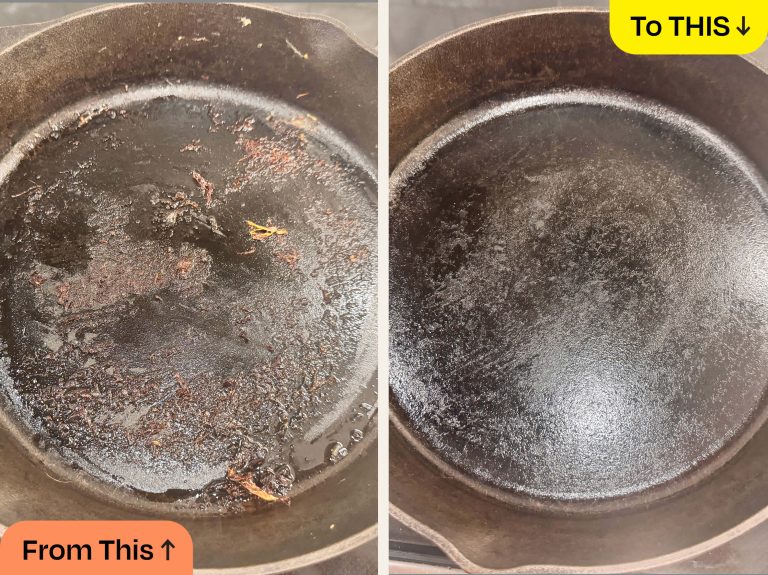
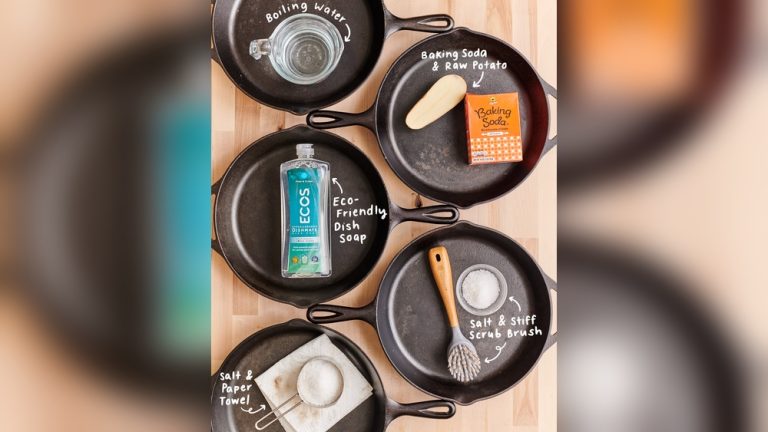
- Remove old residue with a suitable cleaning method.
- Stop using any piece that sheds coating or has structural damage.
If a pan has a nonstick coating that is peeling, flaking, or badly scratched, replacement is usually the safer choice. Do not assume that an old coating is safe simply because it looks clean.
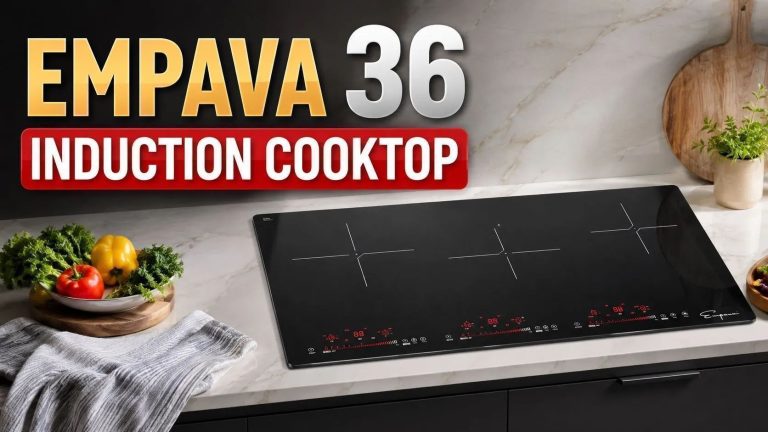
Also check whether the cookware is suitable for your stovetop. A warped base may sit poorly on a glass cooktop. A cookware set made for conventional electric or gas use may not work on induction unless the base is magnetic and designed for induction cooking.
When the material or coating cannot be identified, avoid making strong safety claims. Contact the manufacturer if a current support channel exists, or ask a qualified cookware specialist for help.

How Much Should You Pay for Classica Regal Cookware?
A fair purchase price depends on what you receive and how much work it needs.
For a single piece
Pay less when the piece has:
- No matching lid
- Heavy stains
- Dents
- Unknown coating condition
- A loose handle
- No clear brand or model mark
A clean, useful pan with a matching lid may justify a higher price than a larger but incomplete group.
For a full set
Before paying, confirm:
- Every listed piece is present.
- The lids fit the correct pans.
- The handles are secure.
- The bottoms are flat.
- There is no serious rust or pitting.
- The cooking surface is not peeling.
- The seller shows the actual set rather than stock photos.
A low price is not always a bargain. Missing lids and damaged handles can cost more to replace than the set itself.
For an online purchase
Add shipping to the item price. Cookware is heavy, and shipping can change the total cost by a large amount.
For example, a $45 set with $35 shipping costs $80 before tax. Compare that total with local listings and other complete sets.

Common Pricing Mistakes to Avoid
Several mistakes can make a Classica Regal set seem more valuable or less valuable than it is.
Mistaking an asking price for a sale price
A seller may list a set for $250 and never sell it. Use completed sales whenever possible.
Calling a set complete without checking the lids
Lids are part of the set. A pot without its matching lid may have limited resale appeal.
Mixing brands
A box or group may contain pieces from several cookware brands. Photograph every base and describe the group honestly.
Assuming “vintage” means expensive
Age can help identify a product, but it does not guarantee demand.
Cleaning too aggressively
Harsh abrasives can create scratches and reduce value. Clean gently, and do not remove markings that help identify the cookware.
Ignoring shipping costs
A heavy cookware set may be cheap to buy but expensive to send. Calculate the full cost before agreeing to a price.

Where Can You Sell Classica Regal Cookware?
The best selling location depends on the set’s value, weight, and condition.
Local marketplaces
Local sales work well for heavy sets. They can reduce shipping costs and allow buyers to inspect the cookware.
Online marketplaces
Online platforms offer access to more buyers. They also require accurate descriptions, strong photos, careful packing, and attention to platform fees.
Consignment or antique shops
A shop may help with display and buyer contact. In exchange, it may keep a portion of the sale price. Ask about the commission before leaving the cookware.
Garage sales and estate sales
These settings can produce a quick sale but often bring lower prices. They may suit incomplete or common sets.
For any platform, show the base markings and list every included piece. Good photos often do more to support a fair price than a long description.

Frequently Asked Questions
Is Classica Regal cookware worth anything?
Yes, it may have resale value, especially when it is clean, complete, and in usable condition. The exact value is not established by the name alone. Recent sold listings for the same model provide the strongest guide.
Is Classica Regal cookware stainless steel?
Some Classica Regal pieces may be stainless steel, but the brand name does not identify the material for every set. Check the base marking, packaging, or manufacturer information before describing it as stainless steel.
Can I use Classica Regal cookware on an induction stove?
Only if the cookware has a magnetic induction-ready base. Test the base with a magnet, but treat the result as a basic indication rather than proof of full compatibility. Also check the manufacturer’s instructions when available.
Are old Classica Regal pans safe?
Safety depends on the pan’s material, coating, structure, and condition. Do not use cookware with peeling coating, cracked glass, sharp damage, loose handles, or severe pitting.
How can I sell Classica Regal cookware for more?
Clean it gently, keep the matching lids together, photograph every marking, list the exact piece count, and compare recent sold listings. Complete sets usually present better than mixed groups.
Conclusion
Classica Regal cookware has no single standard price in the United States. A realistic value may range from a few dollars for a damaged or incomplete piece to several hundred dollars for a clean, complete, boxed set.
The most accurate method is simple: identify the exact set, confirm its condition, compare recent sold listings, and account for shipping and selling costs. If the cookware has missing parts or safety concerns, its practical value may be much lower than its age or appearance suggests.