
Symptoms Of Teflon Poisoning In Human: Health Guide 2026

Flu-like illness with fever, chills, cough, chest tightness, and headache after overheated nonstick fumes.
If you have wondered about Symptoms of Teflon poisoning in human, you are not alone. I’ve spent years looking into cookware safety, reading case reports, and talking with cooks who had kitchen mishaps. In this updated guide I’ll explain what people mean by “Teflon poisoning,” how to spot it fast, what to do right away, and how to prevent it for good. I write in plain language and share what I’ve learned from the lab literature and real homes. This is educational and not medical advice.
What people mean by “Teflon poisoning”
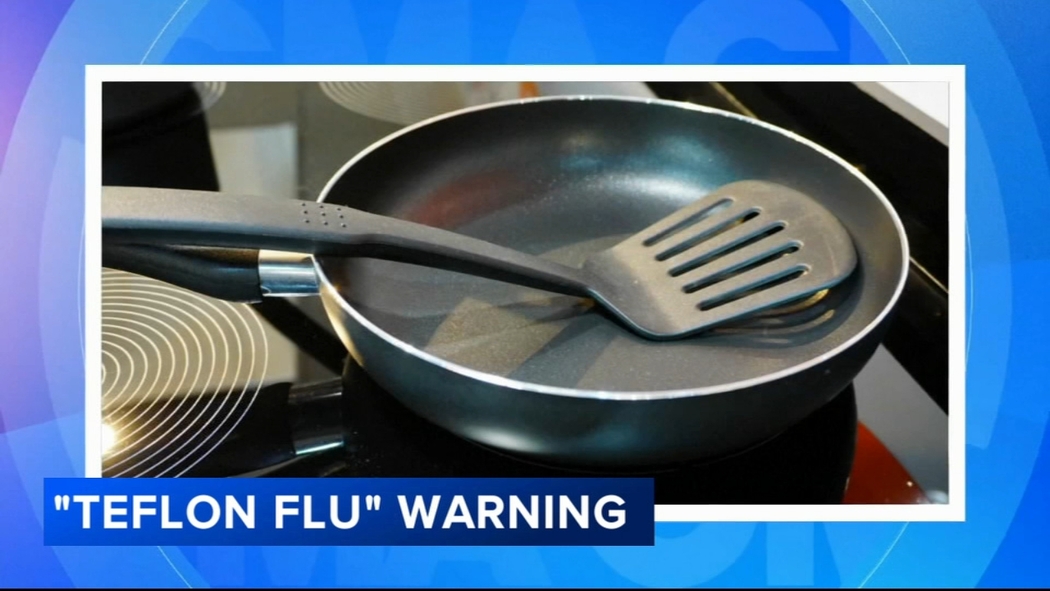
When people search for Symptoms of Teflon poisoning in human, they usually mean polymer fume fever. That is a short, flu-like illness. It happens after breathing fumes from overheated PTFE (Teflon). The symptoms often start within hours and feel much like the flu.
There is a separate, long-term issue called PFAS. These are chemicals once used in some nonstick coatings. PFAS act slowly and can affect health over years. I’ll cover both so you can tell the short-term risk from the long-term one. This guide aims to clear confusion and help you act with facts.
Core symptoms to watch for right now
Symptoms of Teflon poisoning in human often appear within a few hours of breathing hot PTFE fumes. Here are the common signs I look for and have heard about from others:
- Fever and chills that start 4 to 8 hours after exposure
- Headache, fatigue, and a washed-out feeling
- Dry cough, sore throat, and chest tightness
- Shortness of breath, worse with exertion
- Nausea or mild stomach upset in some people
- Fast heartbeat and mild muscle aches
These Symptoms of Teflon poisoning in human can be mild to moderate. They usually last 24 to 48 hours. In rare and heavy exposures, you may see wheezing, severe shortness of breath, or signs of fluid in the lungs. That is a medical emergency.
How it happens: the heat factor and timeline
Most cases start when a nonstick pan is empty and heated on high. PTFE can break down and release fumes at high temperatures. A strong burner can cause this fast.
- Early kitchen signs: hot, smoky air and a sharp, acrid smell
- 0 to 2 hours: eye or throat irritation may appear
- 4 to 8 hours: fever, chills, chest tightness, and cough often peak
- 24 to 48 hours: symptoms usually fade if exposure stops
Bird owners: take note. Pet birds are very sensitive to these fumes. They can sicken or die quickly. If a bird is sick after smoke or fumes, leave the home and get urgent vet care right away.
Temperature thresholds and cookware types
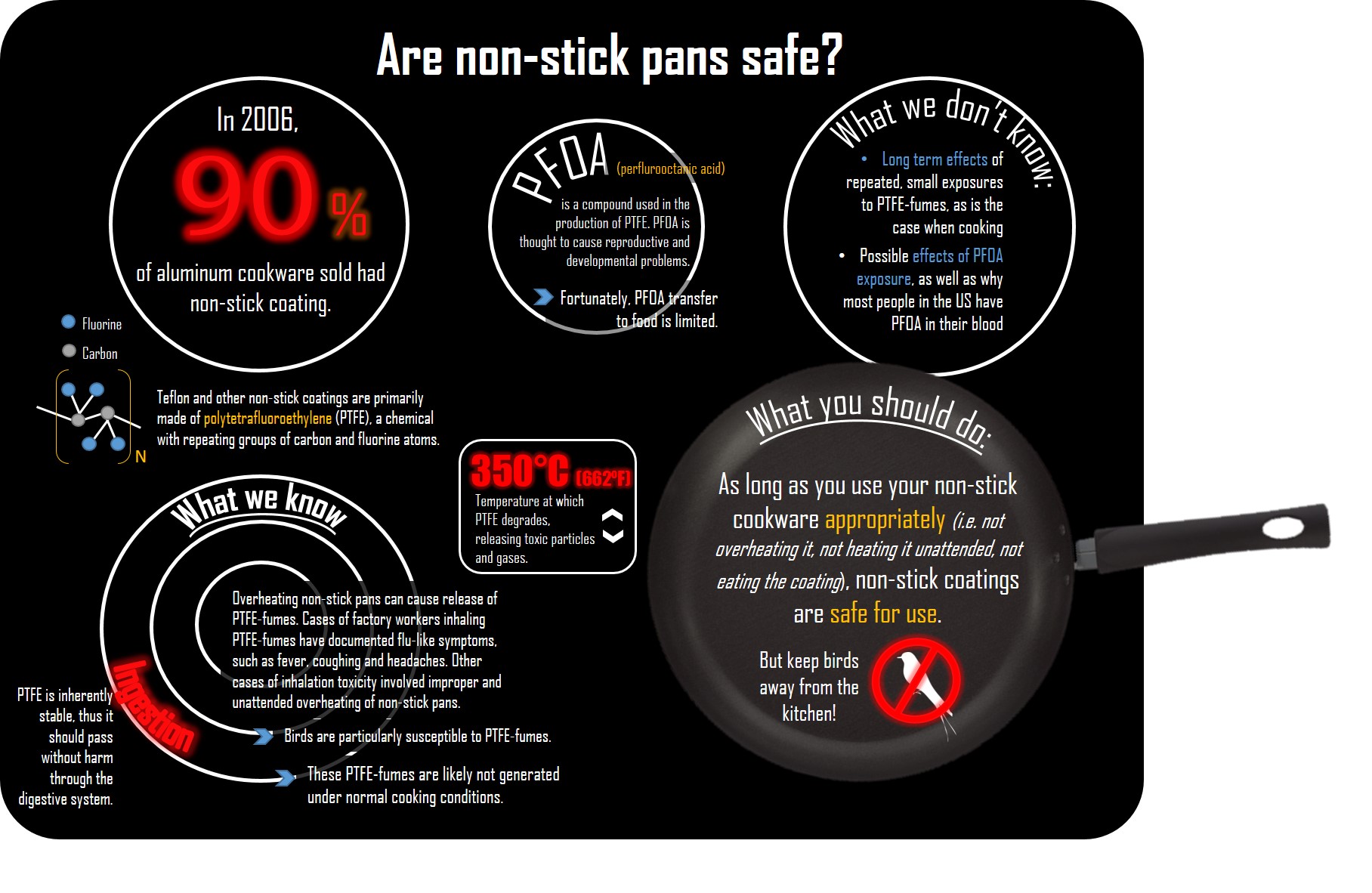
PTFE coatings start to degrade at high heat. Labs and manufacturers often cite about 260°C (500°F) as a key point where fumes form. That is why the advice to avoid heating an empty nonstick pan is so strong. Cooking with food and using medium heat keeps surface temps lower.
Different cookware reacts differently to heat:
- Nonstick (PTFE): risk at very high heat or empty pans
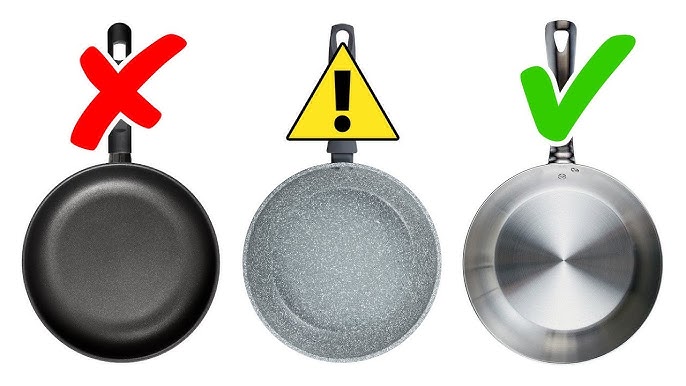
- Ceramic nonstick: can overheat, but usually has different breakdown chemistry
- Stainless, cast iron, carbon steel: no PTFE fumes, but they need oil and care
From my experience, most household mishaps come from distraction—turning on high heat and walking away. A timer fixes many of those mistakes.
Short-term vs long-term: PTFE fumes and PFAS exposure
People often mix up two different risks. I make a clear split here so you can act on the right threat.
- PTFE fumes: cause polymer fume fever. This is a short, flu-like illness. Symptoms come fast and usually go in a day or two if you get fresh air.
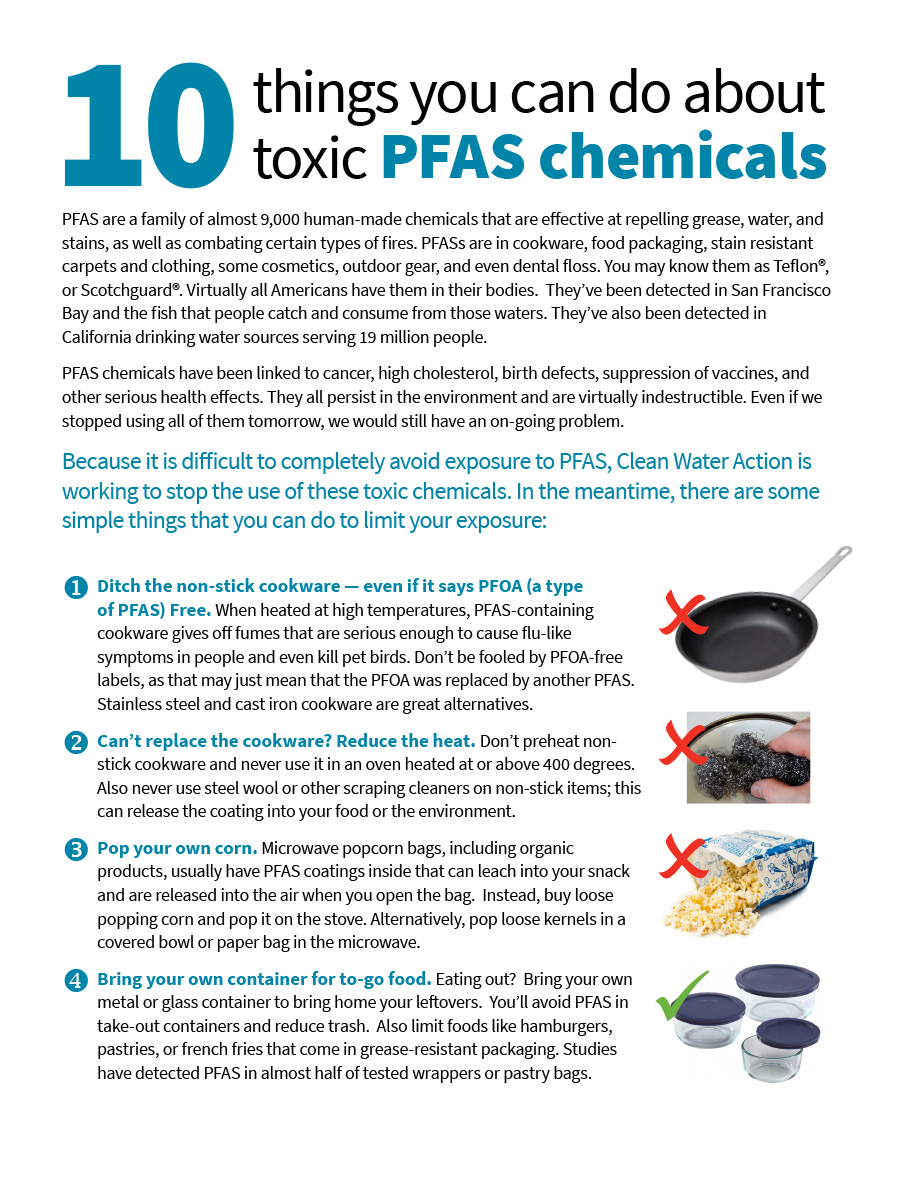
- PFAS exposure: refers to long-lived chemicals. These have been linked over years to higher cholesterol, thyroid changes, lower vaccine response in kids, some cancers, and liver enzyme changes. PFAS act over long time spans, not hours.
For most home cooks, regular use of intact nonstick pans is not a major PFAS source. Bigger PFAS risks come from contaminated water, some industrial sites, or firefighting foams. Still, smart kitchen habits lower all risks.
PFAS: what to know about long-term exposure
PFAS are a family of chemicals. They persist in the environment and the body. Health agencies like the EPA and some public-health groups study them closely. For most people, the main advice is to limit avoidable exposures and follow local guidance on drinking water if a contamination event occurs.
If you are worried about PFAS from cookware, consider using stainless steel, cast iron, or ceramic alternatives for high-heat searing.
What to do right now if you suspect exposure
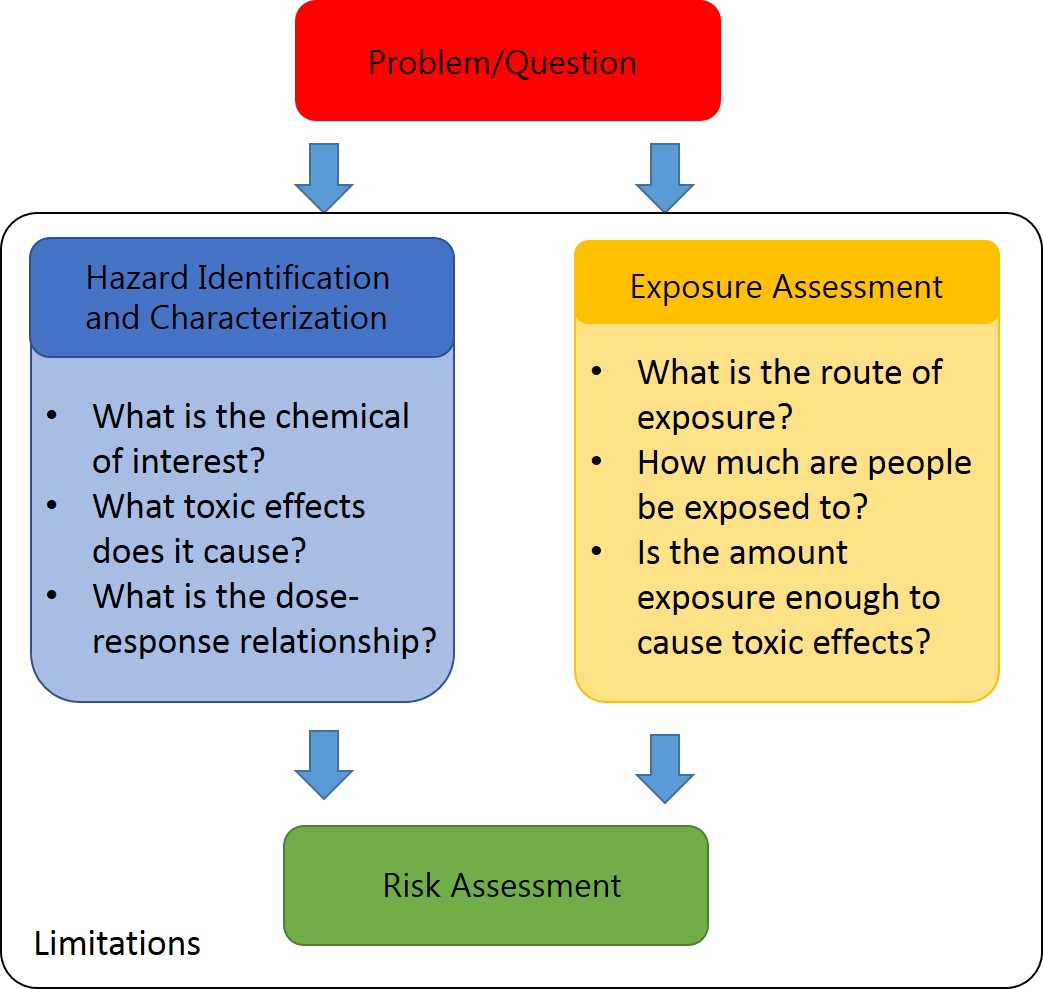
If you think Symptoms of Teflon poisoning in human are starting after a smoky nonstick pan, act fast. Here are practical steps I use and recommend:
- Turn off the burner. If it’s safe, move the pan outside.
- Open windows and run fans to clear the air. Fresh air helps fast.
- Step outside or into fresh air for at least 15 minutes.
- Drink water and rest. Avoid smoking or vaping for 48 hours.
- Use a fever reducer if needed, following the label instructions.
Get urgent care if you have trouble breathing, chest pain, blue lips, confusion, very high fever, or if Symptoms of Teflon poisoning in human last more than 48 hours. Children, older adults, and people with lung disease should be checked sooner.
When to call poison control or seek emergency help
If you feel dizzy, faint, or short of breath, call emergency services. You can also call your local poison control center for advice. They can help decide if you need a clinic visit or hospital care.

Diagnosis and testing
Doctors diagnose polymer fume fever from your story and the timing of symptoms. There is no single “Teflon test.” Here is what clinicians typically do:
- Take a focused exam, check oxygen levels, and listen to the chest
- Order a chest X-ray if breathing is hard or symptoms are severe
- Run blood tests to rule out infection and check oxygenation
In many cases, tests look normal at first. That is common with Symptoms of Teflon poisoning in human. The pattern over time and the link to a smoky pan help make the diagnosis.
Work and occupational testing
In workplaces with heated PTFE or high-heat processes, occupational health may track symptoms and air levels. If you work in such a setting, follow your employer’s safety plan and use recommended respirators and ventilation.
Treatment options and recovery
Most people improve within 24 to 48 hours with simple care. These steps work for most home exposures:
- Fresh air, rest, fluids, and fever control
- Inhalers or clinic oxygen if breathing is tight
- Avoid smoke, dust, and hard exercise for two days
Severe cases are rare. They can need oxygen, bronchodilators, steroids, or a short hospital stay. Keep your home aired out until the smell is gone. Replace a pan that reached extreme heat. In my experience, people who rest and avoid more exposure recover quickly.

Preventing future exposure in the kitchen
You can prevent Symptoms of Teflon poisoning in human with a few simple habits. I use these in my own kitchen:
- Cook on low to medium heat; do not preheat an empty pan
- Use oil or food in the pan before raising heat
- Turn on the range hood or open a window
- Never broil in a nonstick pan or heat above 500°F
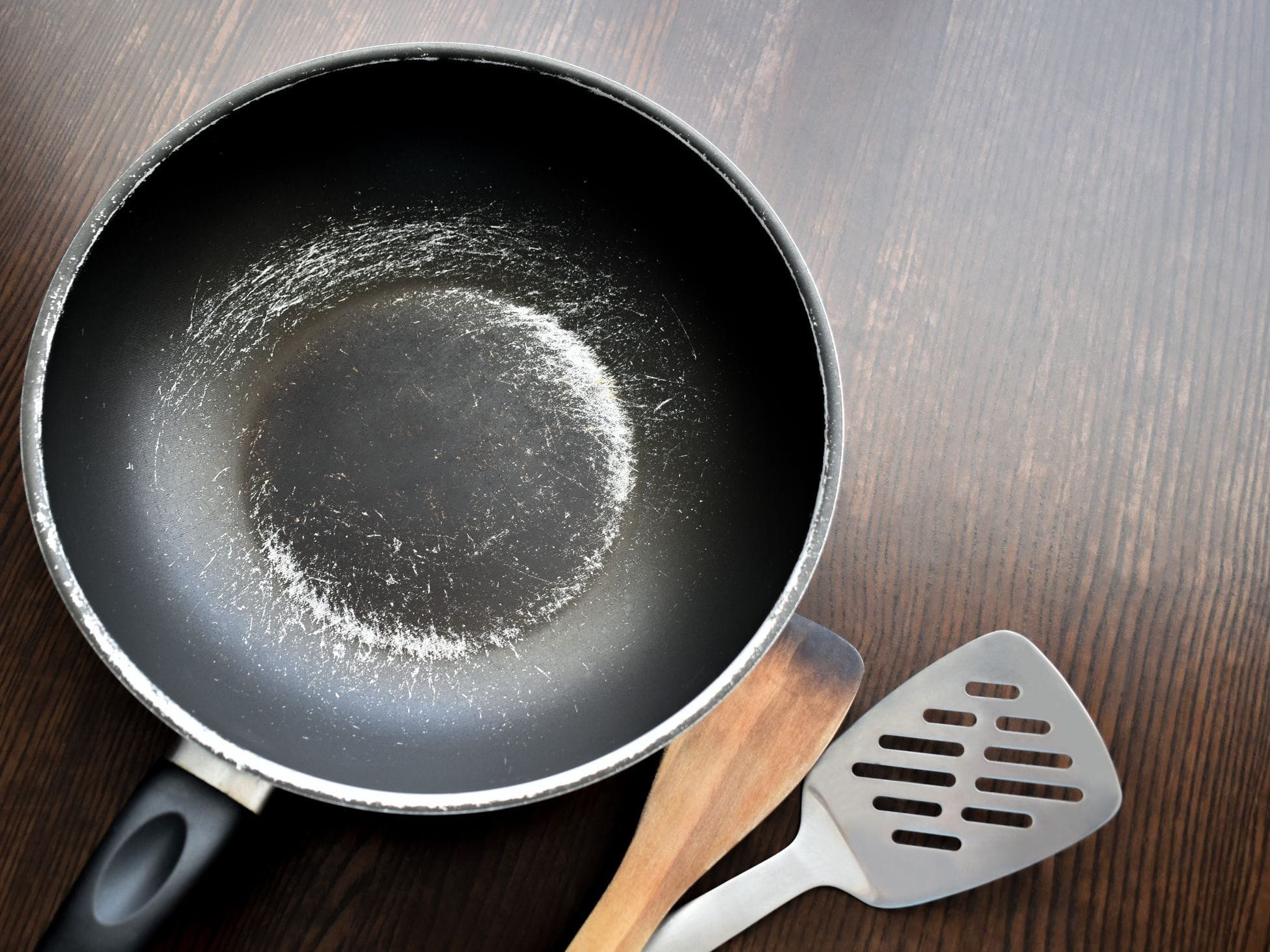
- Replace scratched, warped, or peeling pans
- Keep birds and small pets away from the kitchen air
- Consider alternatives like cast iron, carbon steel, stainless steel, or quality ceramic for searing
Pro tip from my kitchen: set a timer every time you heat a pan. I’ve seen too many exposures happen when someone gets distracted by a call. A timer avoids that.
How to store and care for nonstick pans
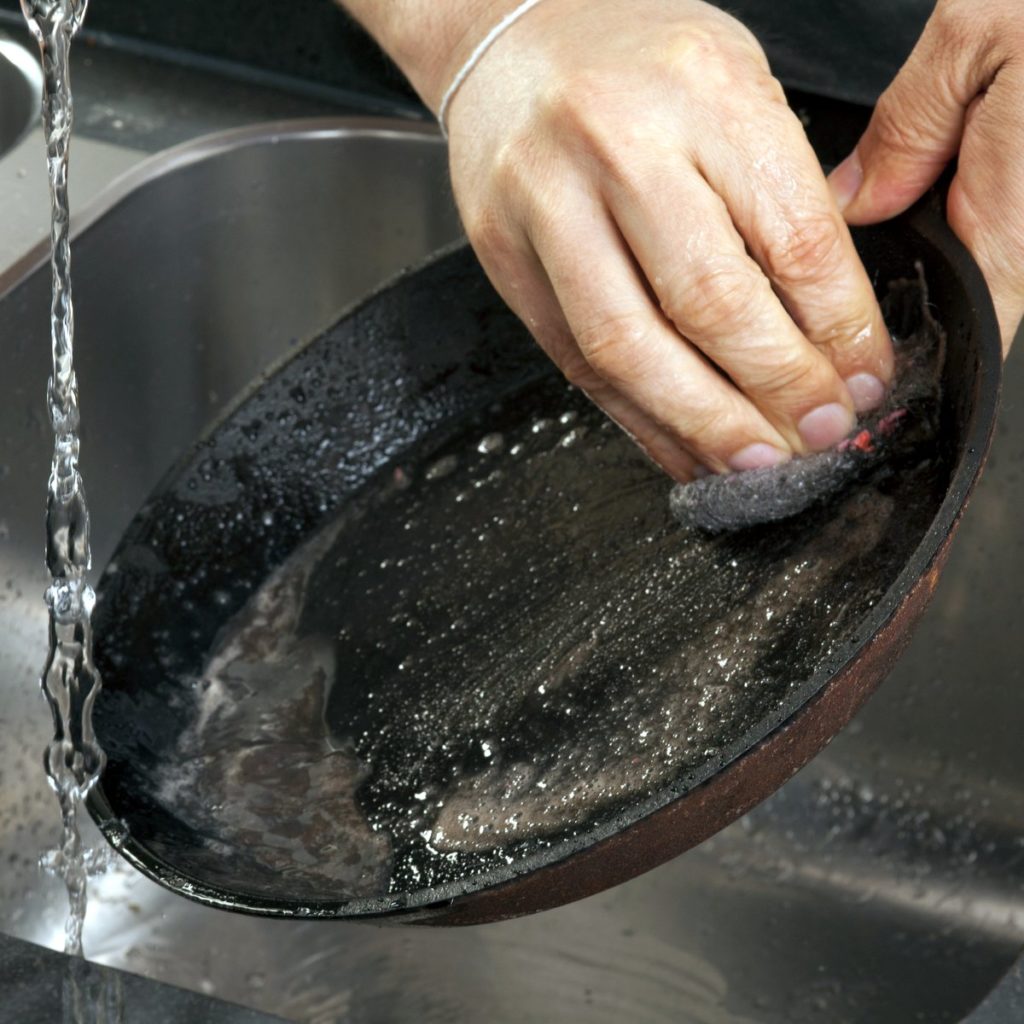
Store pans so they don’t get scratched. Use wooden or silicone tools. Hand wash when possible. A well-kept pan lasts longer and is safer to use.
Real-world experiences, tips, and mistakes to avoid
Over the years, I’ve heard many stories from home cooks after a smoky mishap. The pattern is the same. An empty pan sits on high heat. Ten minutes later, the air is acrid. A few hours later, they feel flu-ish.
Here are lessons that help:
- Keep a lid or baking sheet handy to cover the pan fast
- If the kitchen gets smoky, leave the home for a short walk while the space airs out
- Do not try to scrub and save a pan that reached extreme heat; replace it
- Label one burner as “no high heat for nonstick” to remind yourself
These small steps cut the risk of Symptoms of Teflon poisoning in human. They make your kitchen safer for kids, elders, and pets.
Related problems to rule out
Symptoms of Teflon poisoning in human can look like other common issues. Here are common mix-ups to consider:
- Seasonal flu or COVID-19: fever and aches, but no clear link to kitchen fumes
- Food poisoning: nausea, vomiting, and diarrhea are more common
- Smoke inhalation from burnt food: more eye burn and a soot smell
- Metal fume fever from welding: similar flu-like pattern, but from zinc or other metal fumes
If you are unsure, talk to a clinician. Bring the timeline and details about the overheated pan. That information helps a lot when a clinician decides what tests and care you need.
Frequently Asked Questions of Symptoms of Teflon poisoning in human
What is the main cause of Symptoms of Teflon poisoning in human?
It is breathing hot PTFE fumes from an overheated nonstick pan. These fumes can trigger a short, flu-like illness called polymer fume fever.
How long do Symptoms of Teflon poisoning in human last?
Most cases resolve within 24 to 48 hours once you are in fresh air. If symptoms last longer, seek medical care.
Can cooking on medium heat cause Symptoms of Teflon poisoning in human?
It is unlikely if food is in the pan and ventilation is good. Most cases happen with high heat and an empty pan.
Do children or older adults get worse Symptoms of Teflon poisoning in human?
They can be more sensitive and may need care sooner. Watch for fast breathing, high fever, or confusion.
Can I get Symptoms of Teflon poisoning in human from normal pan use?
Normal use at moderate heat with good airflow is very low risk. Problems start when nonstick is heated too high for too long.
Are long-term health issues part of Symptoms of Teflon poisoning in human?
Short-term fume illness is the main issue. Long-term PFAS concerns are a different matter and relate to years of exposure from other sources.
How do I know if it is polymer fume fever or the flu?
Timing is the key clue. Symptoms that start a few hours after a smoky, overheated pan point to polymer fume fever. The flu usually has a slower start and no link to a kitchen event.
Conclusion
Symptoms of Teflon poisoning in human are real, but also preventable. Most cases are mild and pass within two days with fresh air, rest, and simple care. The best fix is smart heat control and never preheating a nonstick pan while empty.
Use the tips in this guide today: cook at moderate heat, ventilate well, and replace damaged pans. If symptoms feel severe or do not fade, get medical care. Want more practical kitchen safety breakdowns like this? Subscribe for updates or drop your questions in the comments.


