How To Use Your Cast-Iron Skillet Like A Nonstick Pan: Tips 2026

Preheat the pan, add a thin oil film, and wait for natural release before flipping.
If you want to know How to Use Your Cast-Iron Skillet Like a Nonstick Pan, you are in the right place. I’ve cooked thousands of eggs, steaks, pancakes, and veggies on cast iron in home kitchens and busy test setups. In this guide I share clear, proven steps that make food glide. You’ll get the science, the setup, and the simple moves that work day after day. Read on to master How to Use Your Cast-Iron Skillet Like a Nonstick Pan with basic tools, steady heat, and a calm hand.

Why Cast Iron Can Act Like Nonstick
Cast iron starts out porous. Those tiny pores trap oil. When oil heats past its smoke point it polymerizes. That creates a hard, slick film called seasoning. Over time, thin bonded layers add up into a reliable, nonstick-like surface.
The pan’s mass helps too. Cast-iron holds steady heat. That steady heat browns food quickly. Browning dries the surface of the food and helps it release. If you wait for that crust to form, the food will let go on its own. This simple idea is the foundation of How to Use Your Cast-Iron Skillet Like a Nonstick Pan.
Seasoning 101: Build a Durable Nonstick Layer
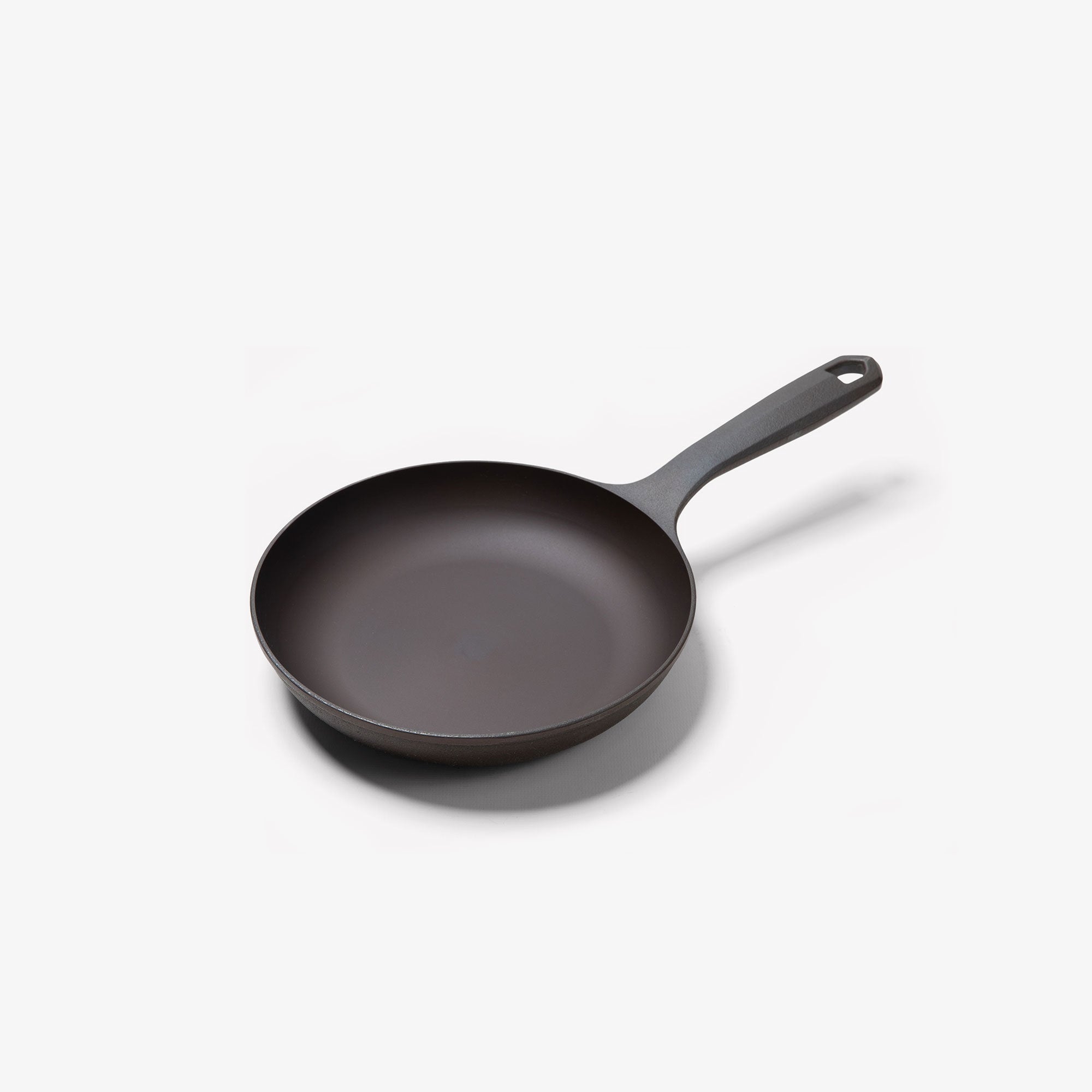
To use cast iron like a nonstick pan, start with seasoning. You want a hard, even coat that isn’t sticky. Thin layers win every time. They bond better and resist flaking.
Follow this oven method to build a strong base for your seasoning and long-term cast-iron care:
- Scrub the pan with hot water and a little soap. Dry well on low heat.
- Rub on 1 teaspoon of oil for a 10–12 inch pan. Wipe it almost dry with a towel.
- Bake upside down at 450–500°F for 60 minutes. Let it cool in the oven.
- Repeat 3–5 times for a robust base layer.
Good oils for seasoning include canola, grapeseed, and sunflower. They are stable at high heat and affordable. Flaxseed oil can form a very hard coat but it can chip if the layers are too thick. The key is thin coats. If the surface feels tacky, you used too much oil. Heat it again to burn off excess until the layer is smooth.
For quick upkeep between oven sessions, warm the clean pan on the stove, add a few drops of oil, then heat until it just smokes. Turn off the heat and let it cool. That thin, repeated micro-layer builds a durable, nonstick-like seasoning over time.

Daily Use: The Heat-Oil-Food Method
This is where How to Use Your Cast-Iron Skillet Like a Nonstick Pan becomes a daily habit. I teach a simple loop: heat, oil, food, wait, flip. Repeat it and the pan rewards you.
Do this every time you cook:
- Preheat on medium for 3–5 minutes. The pan should feel hot, not blazing.
- Test with a water droplet. It should dance and sizzle.
- Add 1–2 teaspoons of oil. Swirl. Wait for a soft shimmer or a faint smoke.
- Pat food very dry. Room temperature helps release.
- Lay the food down. Do not move it. Let the crust form.
- When it releases with a gentle nudge, flip once.
- Adjust heat as needed. Cast iron runs hotter after a few minutes.
I prefer a flat, metal spatula with a sharp edge. It slides under food and preserves the crust. Silicone spatulas can bend and fail to lift dense fond. For eggs, I use a touch more fat and a slow, steady sweep to lift them cleanly.
Quick checklist: Heat, oil, food
Try this short checklist before each cook:
- Pan warm for 3–5 minutes on medium.
- Oil thin, just enough to shimmer.
- Food dry and at room temp if possible.
- Don’t poke or flip too early.

What to Cook First: Easy Wins That Boost Seasoning
Early cooks should add fat and confidence to the pan. That is my rule for How to Use Your Cast-Iron Skillet Like a Nonstick Pan. Fatty foods help the seasoning build fast and give you quick wins.
Start with these friendly, seasoning-friendly cooks:
- Bacon or sausage. The rendered fat conditions the surface. Eggs stick less afterward.
- Pan-roasted potatoes. Rinse, dry, and use oil. Don’t crowd the pan.
- Grilled cheese. Medium heat gives golden bread and an easy release.
- Chicken thighs, skin side down. Press for 10 seconds so skin stays flat and browns evenly.
A one-week plan of fatty items works well. Cook a fatty item every day. Avoid long, highly acidic cooks early on. Your pan will grow slick fast.
Cast-Iron Cooking Tools I Recommend
Good tools make a difference. I keep these at hand:
- Flat metal spatula for lifting and flipping.
- Sturdy tongs for turns and tosses.
- Thermometer for steaks and thick cuts.
- Paper towels and a lint-free rag for oiling.
:max_bytes(150000):strip_icc()/faw-hestan-titum-fusion-4-5-quart-nonstick-tout-83b4e0208e9946eeaa7780fc81d311bf.jpg)
Foods That Tend to Stick and How to Handle Them
You can use cast iron like a nonstick even with tricky foods. A few smart tweaks help.
For eggs
- Warm the pan longer than you think.
- Add a bit more fat. Butter plus oil combines flavor and a higher smoke point.
- Pour and let the egg set at the edges before moving it. A lid for 30 seconds can help the top set and release.
For fish
- Pat it super dry. Salt just before it hits the pan.
- Start skin-side down. Press with a spatula for 10 seconds to prevent curling.
- Wait for release. If it resists, it needs more time to form a crust.
For starchy foods
- Rinse and dry potatoes or rice to remove surface starch.
- Do not overcrowd. Steam prevents browning and causes sticking.
- Flip less often. Let a crust form before turning.
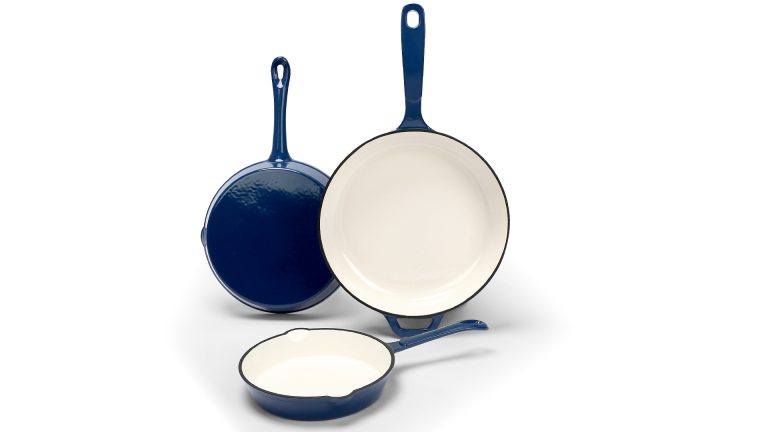
Acidic foods like tomato sauce can soften new seasoning. Keep those cooks short until your layer is strong or use enameled cast iron for long, acidic simmers.

Cleaning and Maintenance for Nonstick Performance
Daily care is the heart of How to Use Your Cast-Iron Skillet Like a Nonstick Pan. Clean fast, dry thoroughly, and oil thin. These habits protect seasoning and prevent rust.
After cooking:
- While warm, wipe out crumbs and excess oil with a towel.
- Stuck bits? Add a splash of water, simmer for 1 minute, and scrape with a spatula.
- A small amount of mild soap is fine. Modern seasoning will not wash off with light soap.
- Dry on the stove over low heat until all moisture is gone.
- Add a few drops of oil. Wipe until the surface looks dry and satiny.
Avoid the dishwasher and long soaks. Store the pan in a dry place. Slide a paper towel inside to absorb moisture during storage. If the pan smells rancid, heat it and wipe with fresh oil to refresh the seasoning.
How often to oil
I lightly oil after most cooks. A full oven reseason is only needed when food begins to stick often or the surface looks dull. Regular micro-seasoning keeps your pan slipping well.
Rescue Plan: Fixing Sticky Spots and Rust
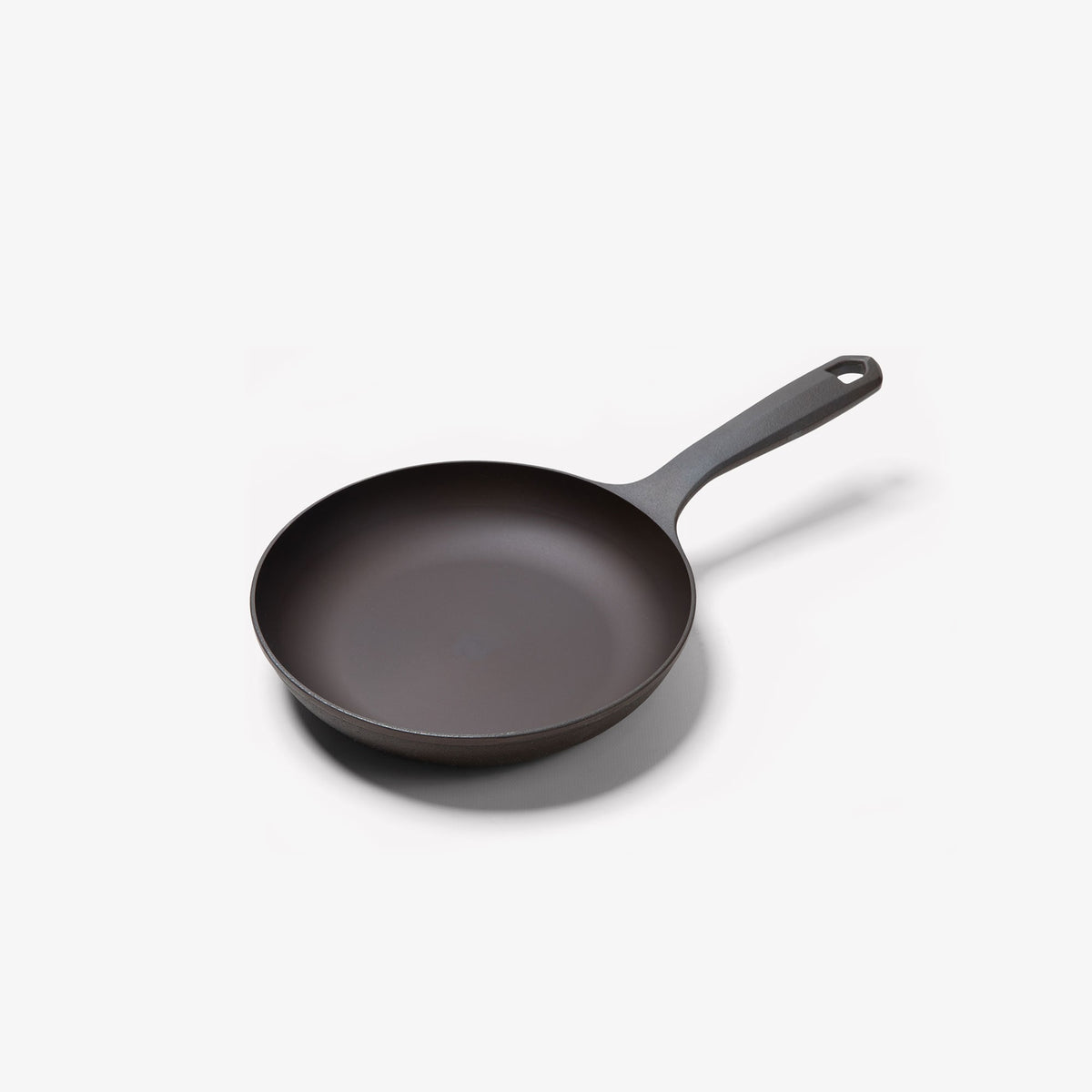
Even pros slip. The good news is you can fix almost anything. This section is part of How to Use Your Cast-Iron Skillet Like a Nonstick Pan for life.
For sticky patches
- Heat the pan to medium and add a drop of oil.
- Let it smoke lightly for 2–3 minutes. Cool. Repeat if needed.
For heavy build-up
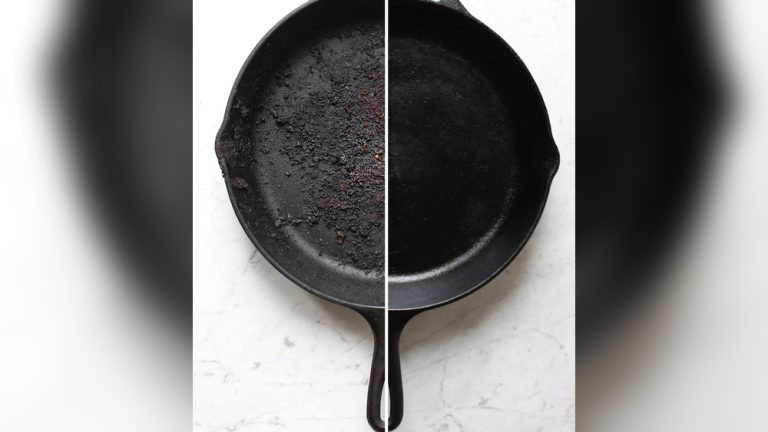
- Scrub with coarse salt and a little oil. Use a stiff brush or chainmail scrubber.
- If needed, use steel wool to remove uneven layers, then do 2–3 oven seasoning coats.
For rust
- Scrub with steel wool until bare iron appears.
- Rinse, dry on heat, and reseason right away using thin coats.
For flaking
- Flaking means old, thick seasoning. Sand or scrub to even the surface.
- Then reseason in thin coats and bake as described above.

Safety, Myths, and Limitations
Here’s the practical truth about How to Use Your Cast-Iron Skillet Like a Nonstick Pan. A little science and common sense go a long way.
Common myths and facts:
- You can use a little soap. It will not strip a well-bonded layer.
- Metal tools are safe on a properly seasoned surface. They won’t ruin a hard, well-bonded seasoning.
- You do not need blazing heat. Medium heat gives better release and control.
Limits to note:
- Do not simmer strongly acidic sauces for hours. They can dull the coating.
- Do not leave it wet. Rust develops quickly on damp cast iron.
- Vent your kitchen. Hot oil and seasoning can smoke when you heat them to polymerize.
Use oils with a smoke point that suits your heat. Grapeseed and canola work well for most tasks. Butter adds flavor but burns fast; mix it with a neutral oil when you need both flavor and a higher smoke point.

Troubleshooting: Quick Answers You Can Use
If you forget a step, food can stick. Keep these fast checks in mind to keep practicing How to Use Your Cast-Iron Skillet Like a Nonstick Pan.
Why do my eggs still stick?
Your pan is probably not hot enough, or you moved them too soon. Preheat longer, add a bit more fat, and wait for natural release.
Can I use olive oil?
Yes, for medium-heat cooking. For high-heat searing use canola or grapeseed and finish with olive oil for flavor.
My fish glued to the pan. What now?
Dry it better and press for the first 10 seconds. Let it release on its own before flipping. If it resists, give it more time.
Frequently Asked Questions of How to Use Your Cast-Iron Skillet Like a Nonstick Pan
How often should I reseason a cast-iron skillet?
Lightly season after most cooks with a few drops of oil. Do a full oven reseason only when food begins to stick often or the surface looks dull.
Is soap safe for cleaning cast iron?
Yes. A small amount of mild soap is fine. Rinse well, dry with heat, and apply a thin oil coat after cleaning.
Can I cook tomato sauce in cast iron?
Short cooks are fine on a well-seasoned pan. For long, slow tomato simmers, use stainless or enameled cast iron to protect the seasoning.
What oils work best for seasoning?
Use canola, grapeseed, or sunflower for high heat and low cost. The key is thin coats applied and polymerized over time — not the perfect oil.
Will a glass cooktop crack under cast iron?
You can use cast iron on a glass cooktop, but lift don’t slide. Use a flat-bottom skillet and keep the base clean to avoid scratches and heat spots.
Do I need to preheat in the oven before searing steak?
Stovetop preheat is enough for most steaks. For thick cuts, sear on the stovetop then finish in a 400°F oven for even doneness.
Conclusion
You now know the simple loop: heat, oil, food, wait, flip, and care. That is How to Use Your Cast-Iron Skillet Like a Nonstick Pan in daily life. Build thin, even seasoning layers, choose the right heat, and let food release naturally. Use smart cleanup and a drop of oil after each cook to keep the surface slick.
Start with one skillet meal this week. Try bacon, then eggs. See how each cook gets easier. Share your win, ask a question, or subscribe for more step-by-step kitchen guides.