Can Induction Cookware Be Used On Gas Cooktops: Safe Guide

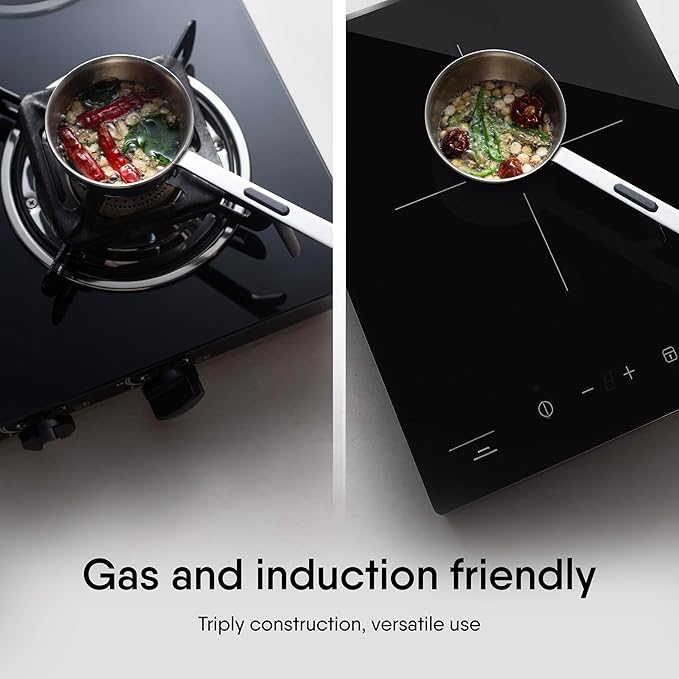
Yes, induction cookware can usually be used on gas cooktops, but material and shape matter.
If you have ever stood in your kitchen wondering whether one pan can do both jobs, you are not alone. I have tested this in real kitchens, and the short answer is encouraging: most induction cookware works on gas, as long as the base is sturdy and the pan is made from a gas-safe material. The details matter, though, because the wrong pan can heat unevenly, warp, or wear out faster.
How Induction Cookware Works on Gas Cooktops
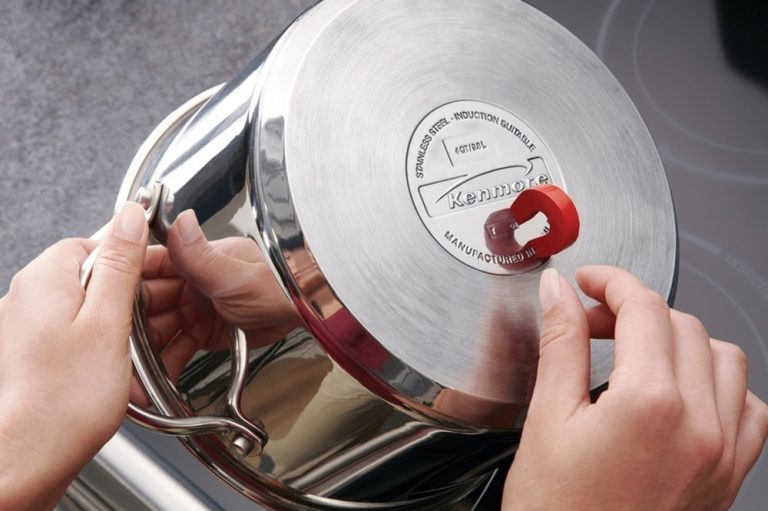
Induction cookware is designed to work with magnetic fields on induction stoves. That means the pan must contain magnetic material, usually cast iron or magnetic stainless steel. On a gas cooktop, the flame heats the pan directly, so the magnetic feature does not matter as much.
What does matter is the pan’s overall build. A pan made for induction is often thicker and flatter, which can actually be a benefit on gas. In my own cooking tests, those heavier pans often held heat better and gave more even browning than thin, lightweight pans.
Here is the simple rule I use:
• If the induction pan is stainless steel or cast iron, it usually works well on gas
• If it has a warped or very thin base, it may not sit evenly on the flame
• If it has plastic, silicone, or delicate decorative parts, check heat limits first
Gas cooktops are flexible, but they can also be rough on cookware. A strong pan will usually do fine, while a weak one may show damage sooner.
What Makes Induction Cookware Different
Induction cookware is built with a flat, magnetic base so it can connect with an induction burner. Many brands add multiple layers to improve heat spread. That layered design is one reason induction cookware often feels solid and well made.
The most common materials include:
• Magnetic stainless steel
• Cast iron
• Enameled cast iron
• Clad stainless steel with a magnetic core
Some induction cookware is not ideal for gas if it has a thin aluminum body with only a magnetic disk on the bottom. Those pans can still work, but they may heat less evenly on open flame. In practice, I have noticed that the better the base quality, the smoother the performance on both cooktops.
When Induction Cookware Works Well on Gas
Induction cookware can work very well on gas when the pan is made from durable, heat-safe material. Cast iron and stainless steel are the safest bets because they handle high heat well and do not depend on electricity or magnets once the pan is on the burner.
These types of induction cookware usually perform well on gas:
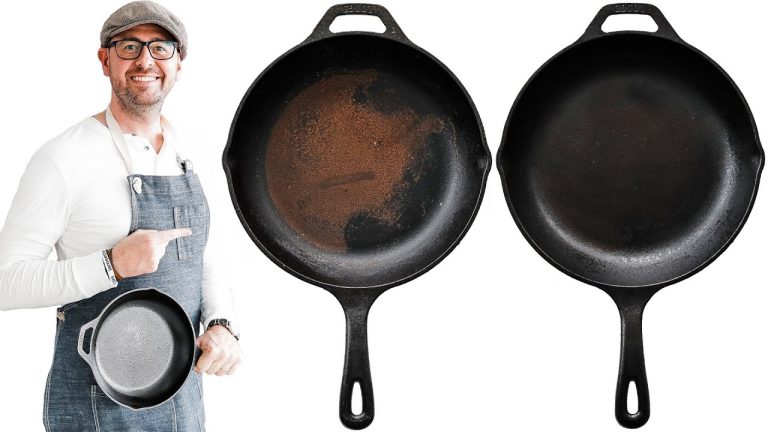
• Cast iron skillets
• Stainless steel sauté pans
• Clad cookware with a flat bottom
• Enameled cast iron Dutch ovens
I have found that heavier induction pans often give gas cooking a more stable feel. They resist hot spots better, which helps with simmering sauces, searing meat, and cooking eggs more evenly.
When Induction Cookware Is Not a Great Match for Gas
Not every induction-ready pan is a perfect gas cooktop pan. Some are designed with induction in mind first, and they may have parts that do not love direct flame. Handles, rivets, coatings, and very thin bodies can be weak points.
Be careful if your cookware has:
• Plastic or soft-touch handles without a heat rating
• Thin nonstick coatings that can break down at high flame
• A base that is warped or uneven
• Lightweight construction that can overheat fast
A mistake I have seen more than once is using high gas flames under a thin induction pan. The pan cooks, sure, but the sides can discolor, the bottom can twist, and the handle can get hotter than expected. Medium heat is often the smarter choice.
Benefits of Using Induction Cookware on Gas Cooktops
There are real advantages to using induction cookware on gas. The biggest one is versatility. If you own both kinds of stoves, or you move homes often, one good set of pans can save time and money.
Some of the main benefits include:
• Better heat retention from thick bases
• More even cooking than many cheap gas-safe pans
• Strong durability, especially with stainless steel and cast iron
• Good searing and browning performance
• Less need to buy separate cookware for different stoves
In my experience, a well-made induction pan often feels like a workhorse. It can go from gas cooktop to oven to table, and that makes it a very practical choice for everyday cooking.
Limits and Risks to Know
Even though induction cookware can be used on gas cooktops, it is not always the best choice for every recipe or every burner setting. Gas flames can wrap around the sides of a pan, which may affect finishes and handles. That is especially true with pans that were built more for induction efficiency than flame durability.
Watch for these risks:
• Discoloration on stainless steel
• Coating wear on nonstick pans
• Hot handles if the design is not oven-safe
• Warping from repeated high heat
• Soot marks from open flame contact
A good habit is to match the flame to the pan size. If the flame climbs up the sides, the cookware gets punished for no reason. I learned that lesson after using a small pan on a burner that was simply too large.
Best Materials for Dual Use
If you want cookware that works on both induction and gas, choose materials that are strong, stable, and heat tolerant. Not all cookware is built for that kind of flexibility, but the right pieces can last for years.
The best choices are:
• Cast iron: Excellent heat retention and very gas-friendly
• Stainless steel: Durable, easy to maintain, and widely compatible
• Clad stainless steel: Great heat control and even heating
• Enameled cast iron: Strong and versatile, though heavier
If you want one safe answer, stainless steel is usually the easiest place to start. It handles gas well, works on induction, and is less fragile than coated pans. Cast iron is even tougher, but it is heavier and needs more care.
How to Check If Your Induction Cookware Is Safe for Gas
You do not need special tools to check most cookware. A quick look and a few simple checks are usually enough to tell you whether the pan is a good fit for gas.
Try this:
• Check the label for gas, induction, and oven compatibility
• Look for a flat, even bottom
• Inspect handles for heat-resistant materials
• Read the maximum temperature if the pan has a coating
• Make sure the pan sits steady on the burner grate
If the cookware feels flimsy in your hand, it will probably be less forgiving on gas. Heavy does not always mean better, but thin and bendy usually means trouble sooner or later.
Real-World Cooking Tips From Experience
Over time, I have found a few habits that make induction cookware perform better on gas. The biggest one is simple: do not rush the heat. Gas can get hot fast, but many induction pans do better with a slower start.
A few practical tips:
• Preheat on medium instead of high when possible
• Use a burner size that matches the pan
• Avoid dragging pans across cast iron grates
• Let the cookware cool before washing it
• Do not expose nonstick pans to empty, high flames
One of my favorite tests is searing vegetables in a stainless steel induction pan on gas. When the pan is well made, you get crisp edges and even color without much fuss. When the pan is poor quality, the same recipe can turn into a patchy mess.
Maintenance Tips to Help Your Cookware Last Longer
Using induction cookware on gas is usually safe, but good care makes a big difference in lifespan. Open flame, fast heat changes, and heavy use can all wear cookware down over time. A little routine care goes a long way.
Helpful care steps:
• Wash after the pan fully cools
• Avoid thermal shock, like cold water on a hot pan
• Use wood, silicone, or nylon tools on coated surfaces
• Dry cast iron right away to prevent rust
• Store pans carefully so the bottom does not scratch
If you use enameled cookware, keep an eye on chips. If you use stainless steel, polish out buildup before it becomes baked on. Small habits like these help protect your investment.
What Experts and Industry Guidance Generally Support
Cookware makers and kitchen safety guidance usually agree on one core idea: compatibility depends on material and heat tolerance, not just the stove type. A pan that works on induction often works on gas if it is built for high heat and has a stable base.
That is why reputable cookware brands often list multi-cooktop compatibility. It is also why professional kitchens rely so heavily on stainless steel and cast iron. These materials are known for durability, predictable heating, and broad compatibility across cooktops.
Frequently Asked Questions of Can Induction Cookware Be Used on Gas Cooktops
Can all induction cookware go on a gas stove?
Not all of it, but most stainless steel and cast iron induction cookware can. The main issue is whether the pan can handle direct flame and high heat without damage.
Will gas flames damage induction pans?
They can, especially if the cookware has nonstick coating, plastic parts, or a thin base. High flames may also cause discoloration or warping over time.
Is induction cookware better than regular gas cookware?
Not always, but it is often more versatile and durable if made well. Many induction pans are also excellent on gas because they are built with stronger bases.
Can I use nonstick induction cookware on gas?
Yes, but be careful with heat. Keep the flame lower and avoid overheating, since nonstick coatings can break down faster on gas.
What is the best induction cookware for gas cooktops?
Stainless steel and cast iron are usually the best choices. They handle flame well, last a long time, and tend to cook evenly.
Conclusion
Can induction cookware be used on gas cooktops? Yes, in most cases it can, and often quite well. The best results come from sturdy materials like stainless steel and cast iron, plus careful heat control and proper care.
If you already own induction cookware, check the material, handles, and base before using it on gas. That small step can save you from warped pans, burned coatings, and wasted money. Choose wisely, cook gently when needed, and you can get excellent results from one versatile set of cookware.
If this helped, take a look at your own pans tonight and see which ones are truly dual-purpose.