How To Know Induction Cookware: Easy Buying Guide 2026

Induction cookware works with a magnet; if it sticks firmly, it will likely work on an induction cooktop.
If you’ve ever stood in a kitchen aisle wondering how to know induction cookware, you are not alone. I’ve tested plenty of pots and pans over the years, and the trick is simpler than most people think: induction cooking depends on magnetic material, flat contact, and the right base. In this guide, I’ll walk you through the easy checks, common mistakes, and practical tips so you can spot induction cookware with confidence.
What Induction Cookware Really Means
Induction cookware is made to work with induction cooktops, which use magnetic energy instead of an open flame or electric coil. The cooktop creates a magnetic field that heats the pan directly, so the pan itself becomes the heat source.
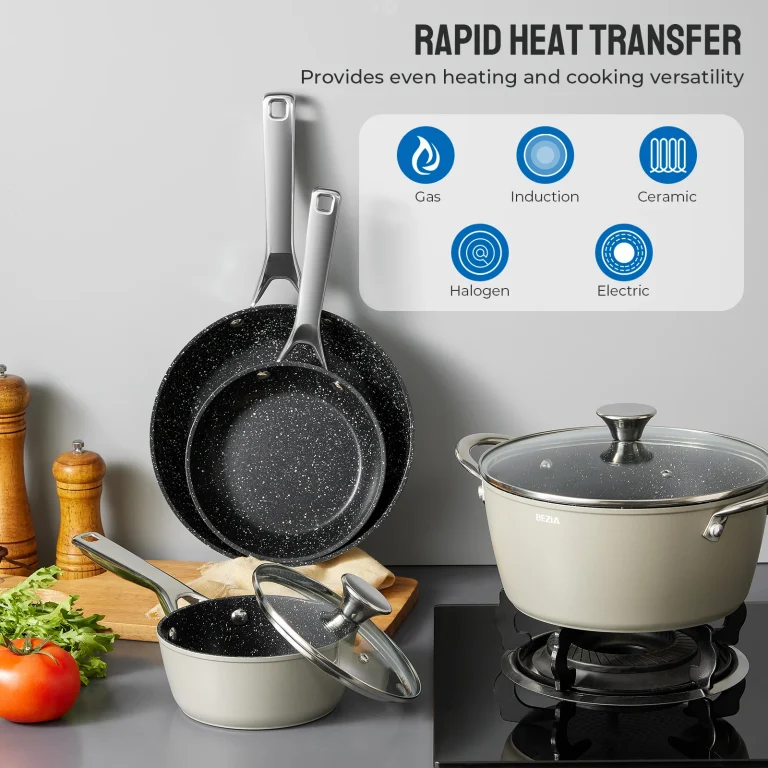
That means not every pot or pan will work. Cookware needs a magnetic base, usually made from cast iron or magnetic stainless steel. Nonmagnetic materials like aluminum, copper, or glass usually need a special bonded base to work on induction.
How to Know Induction Cookware
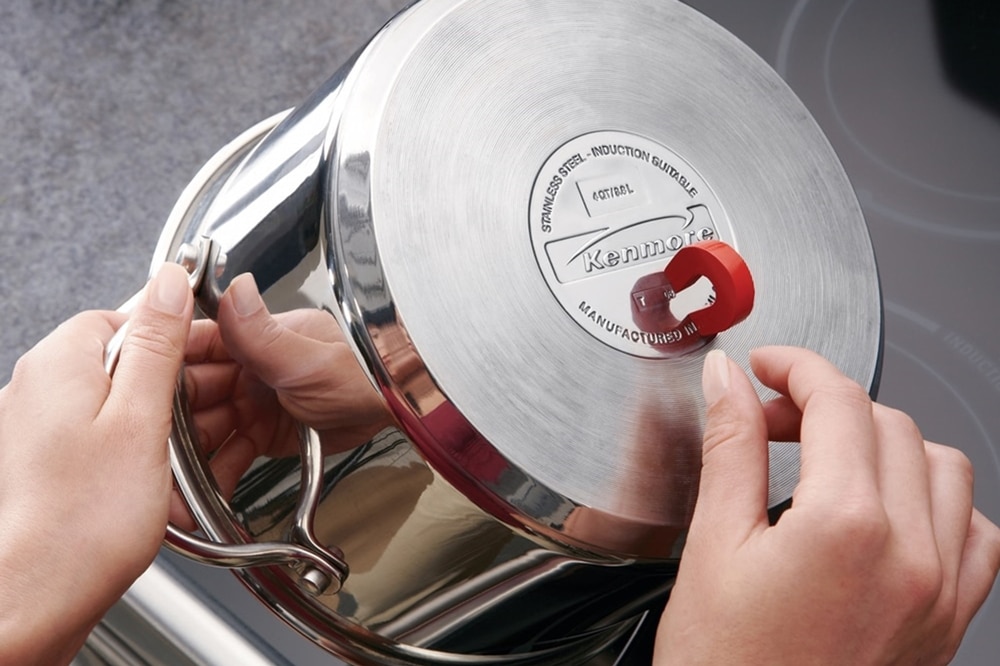
The fastest way to know induction cookware is to check for a magnetic bottom. If a refrigerator magnet sticks strongly to the base, the pan is usually induction compatible. I use this test all the time when checking old pans at home, and it saves a lot of guessing.
Here are the easiest ways to tell:
- Look for an induction symbol on the packaging or bottom of the pan. It often looks like a coil or the word “induction.”
- Test the base with a magnet. A strong stick is a good sign.
- Check the material. Cast iron and magnetic stainless steel usually work well.
- Look at the base shape. A flat base gives better contact and more even heating.
- Read the manufacturer label. Good brands often state “induction compatible” clearly.
One mistake I made early on was assuming stainless steel always worked. It does not. Some stainless steel pans are magnetic, and some are not, so the magnet test matters more than the shiny finish.
Best Materials for Induction Cookware
The material tells you a lot about whether cookware will work on induction. Some materials are naturally magnetic, while others need extra layers to become compatible.
Cast Iron
Cast iron is one of the best choices for induction. It is naturally magnetic, holds heat very well, and heats evenly once warm. The only downside is weight, which can make it harder to lift and clean.
Magnetic Stainless Steel
This is one of the most common options for modern kitchens. It is durable, easy to clean, and often designed with an induction-ready base. Just remember that not all stainless steel is magnetic, so testing is still important.
Enameled Cast Iron
Enameled cast iron also works on induction as long as the base is magnetic. It gives you the heat performance of cast iron with a smoother, easier-to-clean surface. I’ve found it especially useful for stews and slow cooking.
Aluminum and Copper with Magnetic Bases
Pure aluminum and copper do not usually work on induction. But many cookware brands bond them with a magnetic stainless steel layer on the bottom. This gives you fast heating and good control while making the pan induction safe.

Easy Tests to Check Induction Compatibility
If you are shopping in person or checking cookware at home, these tests help you figure out how to know induction cookware without any special tools.
The Magnet Test
This is the simplest and most reliable check. Place a magnet on the bottom of the pan.
- If it sticks firmly, the pan will likely work on induction.
- If it only sticks weakly, it may work poorly or heat unevenly.
- If it does not stick at all, the pan is not induction compatible.
The Label Test
Many manufacturers print a coil symbol, “induction ready,” or “induction compatible” on the box or pan base. This is helpful, but I still like to pair it with the magnet test for peace of mind.
The Base Test
A flat, thick base is better than a warped or uneven one. On induction, contact matters a lot. If the base is curved or bent, the cooktop may not detect the pan well or may heat it unevenly.
The Weight and Feel Test
This is not a perfect rule, but induction cookware often feels solid. Cast iron is heavy, and many induction-ready pans have a sturdy base. Thin, lightweight pans can still work if they are made with magnetic layers, but they should feel stable on the cooktop.
Common Signs a Pan May Not Work on Induction
Sometimes cookware looks compatible but fails on the cooktop. That can be frustrating, especially if you just bought a new set. Here are the warning signs I watch for.
- The pan slides around too easily and feels too light.
- The bottom is slightly warped.
- The magnet sticks only weakly or not at all.
- The pan heats slowly or not at all on induction.
- The cooktop flashes an error or does not recognize the pan.
A big lesson from my own testing: even if a pan is technically induction compatible, poor base quality can make it feel disappointing. A good pan should not just work. It should work well.
Why Induction Cookware Heats Better
Induction cookware can be very efficient because it heats the pan directly. That means less heat escapes into the room, and cooking can be faster and more controlled.
Here are the main benefits:
- Faster heating compared with many traditional stovetops
- Better energy efficiency
- Cooler kitchen air
- More precise temperature control
- Easier cleanup from fewer burned spills
This is one reason chefs and home cooks like induction. It feels a little like switching from a flashlight to a laser. The heat goes where you need it, and not much elsewhere.
Limitations to Keep in Mind
Even good induction cookware has limits. Not every pan that passes the magnet test will perform the same way. Thickness, base quality, and size all affect cooking results.
A few things to watch:
- Very small pans may not be detected by some cooktops
- Thin bases can warp over time
- Uneven bottoms can cause hot spots
- Some cookware may make buzzing or humming sounds
- Poor-quality stainless steel can discolor more easily
I’ve also seen people buy induction-ready pans and then blame the cooktop when the real issue was the pan’s base. It helps to think of induction cookware as a team player. If the pan and cooktop do not match well, performance drops.
How to Choose the Right Induction Cookware
When shopping, look beyond the compatibility label. A pan can work on induction and still be a bad buy if it heats unevenly or wears out fast.
Use this checklist:
- Confirm induction compatibility with a magnet or label
- Choose a flat, thick base
- Pick a material that fits your cooking style
- Check handle comfort and weight
- Read reviews for heating performance, not just durability
If you cook soups, sauces, or stir-fries often, a responsive pan matters. If you make roasts or braises, heavier cookware like cast iron may be a better fit. Think about how you cook every day, not just what looks nice in the store.
Care Tips for Induction Cookware
Good care helps induction cookware last longer and perform better. I learned this the hard way after warping a thin pan by overheating it on a high setting. Since then, I’ve kept things simple.
- Preheat on medium instead of blasting full heat right away
- Avoid dragging pans across the cooktop
- Clean the base so the cooktop can detect it properly
- Let hot pans cool before washing
- Use the right tools to avoid scratching the surface
If you use cast iron, dry it fully after washing. If you use stainless steel, avoid harsh abrasives that can damage the finish. Small habits make a big difference.
Frequently Asked Questions of How to Know Induction Cookware
How can I tell if my pan is induction compatible?
Use a magnet on the bottom of the pan. If it sticks firmly, the pan is likely compatible with an induction cooktop.
Does stainless steel always work on induction?
No. Some stainless steel is magnetic, but some is not. The magnet test is the safest way to check.
Can aluminum cookware work on induction?
Pure aluminum usually does not work, but aluminum cookware with a magnetic base layer can. Always check the label or test the bottom with a magnet.
Why does my induction cooktop not detect my pan?
The pan may be too small, warped, or not magnetic enough. Sometimes the issue is also a poor fit between the pan size and the cooktop burner.
Is cast iron good for induction cooking?
Yes, cast iron is one of the best choices for induction. It is magnetic, durable, and holds heat very well.
Conclusion
Knowing how to know induction cookware does not have to be confusing. A strong magnet test, a quick look at the label, and a check for a flat, sturdy base will tell you most of what you need to know. Once you understand the material and the base shape, choosing the right pan becomes much easier.
If you are shopping for new cookware, take a moment to test before you buy. It can save you money, time, and a lot of kitchen frustration. Keep learning, compare options carefully, and choose cookware that matches the way you really cook.