Aluminium Cookware Banned in Europe: What You Need to Know 2026

Aluminium cookware has been a kitchen staple for decades. Lightweight, affordable, and quick to heat, it served both home cooks and chefs well. Lately, headlines about an aluminium cookware ban in Europe have caused confusion. Is aluminium really banned? Why did regulators act? What should you, as a cook or seller, do now?
I dug into the history, the science, the rules, and the practical steps you can take. Below I explain the facts plainly, share my own experience with aluminium pans, and give clear advice for consumers and sellers in Europe and beyond.
Why Aluminium Cookware Was Popular
Aluminium became common in the 20th century for good reasons. First, aluminium is one of the most abundant metals on Earth. It is soft and easy to shape. That made pots and pans cheap to make. As a result, many families could afford them.
Aluminium also conducts heat very well. It heats quickly and spreads heat evenly in most pans. That helps with cooking control. It is also much lighter than cast iron or some stainless steel pans. For many users, that made cooking easier.
I learned early on to love the light weight and fast heating of aluminium. When I moved apartments, carrying a full cast-iron skillet felt like a workout. Aluminium gave me the same basic performance with less effort.
Finally, anodized aluminium and quality coatings gave non-stick properties that consumers liked. Plain aluminium can react with food. Anodized treatments or good coatings reduce corrosion and leaching. For decades, those features made aluminium cookware a top choice in homes and restaurants.
Concerns About Aluminium And Health
At the same time, worries about aluminium exposure have existed for many years. Aluminium is reactive. Acidic foods such as tomatoes, lemon juice, and vinegar can increase aluminium transfer from plain pans into food. The amounts are often small, but repeated exposure sparked concern.
Early studies in the 1970s and 1980s raised questions. Some researchers found higher aluminium levels in the brains of some people with Alzheimer’s disease. Other studies noted that people with poor kidney function could retain aluminium and face bone or neurological issues.
But the science never gave a simple yes-or-no answer. Many follow-up studies showed mixed or weak links. Most major health agencies, including the World Health Organization, concluded that typical dietary exposure is low risk for healthy people. The worry stayed alive because aluminium is ubiquitous and some groups may be more exposed.
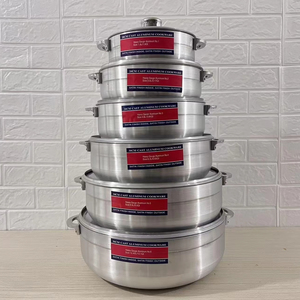
Credit: www.alibaba.com
Timeline: Regulation Of Aluminium Cookware In Europe
The picture in Europe is not “banned or not banned.” It is a steady tightening of safety rules. The aim: protect consumers from harmful chemical transfer from food contact materials.
Early Regulation Efforts
In the 1990s, the EU stepped up rules for materials that touch food. The Council Directive 89/109/EEC created a base rule: food contact materials must not release substances that can endanger health. That directive led member states to add their own limits and testing approaches. Some countries, like France and Germany, set strict guidance for aluminium migration from cookware.
The 2013 Efsa Reassessment
A big moment came in 2013 when the European Food Safety Authority (EFSA) re-evaluated aluminium exposure. EFSA set a tolerable weekly intake (TWI) of 1 mg per kg of body weight. In plain terms, a 70 kg adult should aim not to exceed about 70 mg of aluminium per week from all sources — food, water, medicines, and cookware.
EFSA also noted that some groups—children and people who regularly cook acidic foods in plain aluminium—might exceed that amount. That raised flags for policy makers.
The 2016 And 2021 Developments
In 2016, the EU updated the rules with regulation (EU) 2016/1416. The update did not ban aluminium outright. Instead, it tightened limits and required testing for metals in food contact materials. Makers had to prove their products did not release aluminium above allowed levels.
In 2021, a few countries, including Belgium and the Netherlands, issued warnings or restricted some aluminium cookware—especially uncoated or low-quality imports. The trend is clear: stricter oversight, more testing, but not an EU-wide ban on all aluminium cookware.
Is Aluminium Cookware Really Banned In Europe?
This is where many people get misled. There is no blanket ban on every aluminium pan in Europe. Instead, there are strict migration limits and enforcement actions against non-compliant products.
Some countries have taken stronger action:
- France banned the sale of uncoated aluminium cookware for children’s use.
- Germany and Belgium have issued warnings about using plain aluminium with acidic foods.
- Many EU countries require aluminium cookware to meet migration limits set by EFSA and EU regulations.
In short: you can still buy and use high-quality, compliant aluminium cookware. But low-grade, uncoated, or very old pots may be restricted or removed from sale in some markets.
Health Risks: What The Science Says
How Aluminium Enters The Body
Aluminium is everywhere: soil, air, water, and many foods. Most everyday aluminium in the diet comes from processed ingredients and additives. Cookware can be a source too—especially when you cook acidic dishes in uncoated aluminium pans.
Potential Risks
Some studies have linked high aluminium intake to health issues:
- Neurological effects: Early work found more aluminium in some brains of people with Alzheimer’s disease. Later work produced mixed results. Causation is not proven.
- Bone disease: Patients with kidney failure can retain aluminium and face bone problems.
- Child development: Animal studies suggest very high aluminium exposure could affect brain development. Human data are limited.
For most healthy adults, cookware that meets EU limits is considered safe. The biggest risk is repeated use of old, scratched, or cheap, uncoated pans with acidic foods.
Non-obvious Insight
Many people do not realize that coated or anodized aluminium is far safer. The coating acts as a barrier. It cuts how much aluminium can leach into food. Problems usually involve plain, uncoated, damaged, or low-quality pans.
How Regulators Assess Risk (New)
Regulators use tests that simulate real cooking. They test with acidic (for example, 3% acetic acid) and neutral food simulants. They then measure how much metal migrates. Those numbers are compared to the EU’s safety limits. The process focuses on long-term exposure and vulnerable groups like children and people with kidney disease.
Aluminium Cookware Compared To Other Materials
To help you understand how aluminium cookware stacks up, here is a clear comparison:
| Material | Heat Conductivity | Weight | Risk of Leaching | Durability |
|---|---|---|---|---|
| Aluminium (uncoated) | Excellent | Light | High (with acidic foods) | Low to medium |
| Aluminium (anodized/coated) | Very good | Light | Low | Medium to high |
| Stainless Steel | Medium | Medium to heavy | Very low | High |
| Cast Iron | Poor to medium | Very heavy | Iron may leach | Very high |
| Ceramic | Poor to medium | Medium | Very low | Medium |
Key takeaway: Coated aluminium is much safer than plain aluminium. Stainless steel and ceramic are the least reactive, though often pricier.
Migration Limits: How Much Aluminium Is Allowed?
The European Union sets strict migration limits to protect consumers:
- Overall migration limit (OML): 10 mg/dm² (milligrams per square decimeter of surface area) for all food contact materials.
- Specific migration limit (SML) for aluminium: 1 mg/kg of food.
Manufacturers must test products using acidic and neutral food simulants. The tests measure how much aluminium moves into food under normal use.
Here’s an example of how different cookware types compare to migration limits:
| Cookware Type | Migration (mg/kg, acidic food) | Meets EU Limit? |
|---|---|---|
| Uncoated aluminium pan | Up to 5 mg/kg | No |
| Anodized aluminium pan | 0.2–0.5 mg/kg | Yes |
| Stainless steel pan | 0.01 mg/kg | Yes |
Practical insight: Cheap, uncoated aluminium pans are far more likely to exceed EU limits, especially with acidic foods such as tomato sauce.
How The Ban (or Restrictions) Affect Consumers
If you live in Europe, or plan to buy cookware there, here is how the rules matter in daily life.
What You Can Still Buy
- Anodized and coated aluminium cookware is widely available. It is allowed when it meets migration standards.
- High-quality brands now test their products. Look for labels or documentation showing EU compliance.
What Is Restricted Or Banned
- Uncoated plain aluminium pans are restricted or banned in some settings, especially where children are present.
- Low-cost imports or worn aluminium pots may not pass current standards. Authorities often remove them from sale.
What To Watch For
- If your aluminium pan is scratched, pitted, or discolored, it may leach more aluminium. Replace old pans if you have doubts.
- Check for EU compliance marks, test reports, or manufacturer documentation before buying.
Common Mistake
Many people think all aluminium pans are unsafe and toss out perfectly good anodized cookware. That reaction is usually unnecessary. Only non-compliant, uncoated, or heavily damaged pans are a concern.
How The Ban Affects Cookware Manufacturers
Tighter rules changed how many makers design, test, and sell aluminium cookware in Europe.
Product Testing And Certification
Manufacturers now must:
- Test cookware for aluminium migration using official EU methods and food simulants.
- Apply coatings or anodizing to reduce leaching.
- Provide clear documentation for importers and retailers in the EU.
Market Shifts
- Some makers stopped selling plain aluminium pans in European markets.
- Demand shifted toward stainless steel, ceramic, and well-coated non-stick products.
- Brands investing in safer coatings gained market share and consumer trust.
Economic Impact
Stricter rules increased production and testing costs, particularly for small manufacturers. At the same time, new jobs appeared in testing, quality assurance, and advanced coating technology.
Non-obvious insight: The regulatory push sparked innovation. New non-stick coatings often use aluminium cores for fast heating while adding food-safe, durable barriers to prevent leaching.
Alternatives To Aluminium Cookware
If you want to avoid aluminium cookware, Europe offers many good options:
- Stainless Steel: Durable and non-reactive. Works for most recipes but is heavier and less conductive than aluminium.
- Cast Iron: Great for frying and baking. Adds iron to food. Heavy and needs seasoning.
- Ceramic: Non-reactive and easy to clean. Better for low to medium heat. Can chip if dropped.
- Enamel-coated cookware: Combines metal strength with a glassy, non-reactive surface.
- Glass: Safe and inert but heats unevenly and is fragile.
Every material has pros and cons. Stainless steel lasts and is safe. Cast iron is nearly indestructible. Ceramic is gentle on food but can break. Choose what fits your cooking style.
How To Use Aluminium Cookware Safely
If you already own aluminium cookware, follow these simple rules to stay safe:
- Avoid cooking acidic foods (tomato sauce, vinegar, lemon) in uncoated aluminium pans.
- Use wooden or silicone utensils to avoid scratching the surface.
- Discard pans that are pitted, deeply scratched, or badly discolored.
- Buy anodized or well-coated aluminium when you need a new pan.
- Follow the manufacturer’s cleaning and care instructions to protect coatings.
Practical tip: For acidic recipes, switch to stainless steel or ceramic. Keep aluminium for quick frying and dry-heat tasks if it is coated and in good condition.
Public Reaction And Misinformation
News headlines and social posts often overstate the story. Viral claims about a total aluminium cookware ban in Europe created confusion. Some people panic-bought alternatives. Others threw away perfectly usable pans.
What Actually Happened
- Some countries banned or restricted specific aluminium cookware types or uses (for example, for children).
- Stricter testing, labeling, and enforcement became standard.
- There was no single, continent-wide ban on all aluminium cookware.
How To Get Reliable Information
Always rely on official sources. Check the European Food Safety Authority or your country’s food safety agency for updates. Avoid viral posts without clear references.

Credit: madesafe.org
Legal Status By Country: Examples
Here’s a quick look at how rules differ in key European markets:
| Country | Status of Aluminium Cookware | Key Notes |
|---|---|---|
| France | Restricted | Banned for children’s use if uncoated |
| Germany | Allowed (with limits) | Warnings for uncoated cookware and acidic foods |
| Italy | Allowed (with limits) | Migration limits enforced |
| Belgium | Restricted | Warnings and some bans for uncoated pans |
| UK | Allowed (with limits) | Follows EU migration standards |
Note: Rules change. Always check the latest national guidance and enforcement notices in your country.
What Should Consumers Do Now?
If you’re worried about the aluminium cookware situation in Europe, here is what I recommend:
- Check your existing cookware. If it is anodized or coated and in good shape, it is generally safe.
- For new purchases, look for labels such as “EU compliant,” “anodized,” or “coated.” Ask sellers for test documentation when in doubt.
- Avoid very old, plain, or imported pans without clear safety data.
- Use stainless steel, ceramic, or glass for acidic foods and long-simmer sauces.
- Stay updated via official sources for regulatory changes.
Confident guidance: You do not need to panic or throw away all aluminium cookware. Make smart choices. Replace questionable pans and prefer coated or anodized options.
The Future Of Aluminium Cookware In Europe
The market is moving toward safer, better-regulated cookware. Aluminium is not disappearing. Instead, it is evolving. Manufacturers use aluminium cores for fast heating, combined with food-safe, durable coatings to reduce risks.
I expect clearer labels, routine testing, and more consumer education. New coating technologies will keep aluminium useful for cooks who value light weight and good heat conductivity. Overall, this debate improved safety standards and raised awareness about food contact materials.
For the most current scientific and regulatory information, you can review the official Aluminium entry on Wikipedia.
Frequently Asked Questions
Why Did Europe Restrict Aluminium Cookware?
Europe restricted certain aluminium cookware to limit excess aluminium exposure. Reviews showed that uncoated aluminium pans, when used with acidic foods, can leach aluminium above safe limits. The new rules set migration limits and require testing to protect public health.
Is All Aluminium Cookware Banned In Europe?
No. Not all aluminium cookware is banned. Only uncoated or non-compliant products are restricted in some countries. Anodized and coated aluminium cookware that passes EU tests remains widely available.
Is It Safe To Use Old Aluminium Pots And Pans?
It depends. If your old pan is uncoated, scratched, or pitted, it may leach more aluminium. Replace old pans if you cook acidic dishes often. Anodized or well-coated pans in good condition are generally safe.
What Is The Difference Between Anodized And Plain Aluminium Cookware?
Anodized aluminium cookware undergoes a surface treatment that creates a hard, non-reactive layer. This layer reduces aluminium migration and improves durability. Plain aluminium is more reactive and can leach more into food, especially when the surface is worn or used with acidic ingredients.
What Are The Best Alternatives To Aluminium Cookware?
Popular alternatives include stainless steel, which is durable and non-reactive; ceramic, which is safe and easy to clean; cast iron, which adds iron and lasts generations; and enamel-coated cookware, which combines metal strength with a non-reactive finish. The right choice depends on your cooking needs and budget.
Aluminium cookware in Europe is not a simple story of a single ban. It is a story of better science, clearer rules, and safer products. With the right knowledge, you can cook confidently and make smart choices for your kitchen.

Credit: www.solamexhome.com