Is Aluminum Cookware Safe Or Stainless Steel: Ultimate Comparison 2026

Choosing the right cookware can feel overwhelming. I hear this from readers and friends all the time. People ask me whether aluminum or stainless steel pans are safer, which one cooks better, and which one will last. You want cookware that is safe, cooks evenly, is easy to use, and won’t need replacing every year. There is a lot of conflicting advice online. In this piece I’ll walk you through the science, the practical risks, and how to pick pans that match how you actually cook.
Below I compare aluminum cookware and stainless steel cookware in clear, plain language. I add practical tips from my own kitchen use and highlight what experts say about safety. Read on if you want simple guidance on performance, health, durability, and value.
What Is Aluminum Cookware?
Aluminum is a light, soft metal. Cookware makers like it because it heats quickly, spreads heat well, and costs less to make. Pans come as pressed or cast aluminum. Some are left raw (bare aluminum). Others are changed by a process called anodizing or are covered with a nonstick coating like Teflon.
How Aluminum Cookware Performs
- Heats up fast: Aluminum conducts heat very well. That helps with even cooking and fast response when you change heat.
- Lightweight: These pans are easy to lift and maneuver—handy for flipping pancakes or moving a pan to the sink.
- Affordable: Aluminum options usually cost less than stainless steel or copper pieces.
Common Types
- Bare aluminum: Untreated metal. It can react with strong acids or salts, which may affect flavor and cause tiny amounts of metal to dissolve into food.
- Anodized aluminum: Electrochemically hardened. It is darker, tougher, and much less reactive. Brands often call this “hard-anodized.”
- Nonstick aluminum: Aluminum base with a nonstick coating. Great for eggs and low-fat cooking, but the coating can scratch or wear with misuse.
Is Aluminum Cookware Safe?
Many people worry about aluminum leaching into food. You may have heard claims linking aluminum to Alzheimer’s or other illnesses. I’ll break down what the science actually shows and offer clear safety rules you can use at home.
What The Science Says
- Small amounts leach: Bare aluminum can release tiny amounts of metal, especially with acidic foods such as tomatoes, wine, or lemon.
- Daily intake is low: Agencies like the World Health Organization note that most aluminum in our diet comes from food additives, processed foods, and packaging—not cookware. The WHO page linked below summarizes that context.
- No clear disease link: Current research has not established a direct, causal link between normal aluminum cookware use and conditions like Alzheimer’s. The body does absorb some aluminum, but exposure from cookware is small compared with other sources.
- Anodized is safer: Anodized aluminum forms a hard oxide layer that greatly reduces direct metal contact with food. That cuts leaching by a large margin.
Real Risks And When To Avoid
- Scratched or worn pans: A damaged surface—especially on nonstick or anodized pans—can release more material. Replace pans with deep scratches or flaking coatings.
- Cooking very acidic or salty foods: Long-simmered tomato sauce, pickles, or brines can increase leaching from bare aluminum.
- Not for storage: Don’t store acidic food in aluminum cookware. Moving leftovers to glass or food-grade plastic avoids extra exposure and prevents metallic taste changes.
Insight: Most people get about 7–9 mg of aluminum a day from all sources. Typical cooking with aluminum adds roughly 1–2 mg at most. This remains below safety limits set by health agencies.
Credit: tamararubin.com
How to Reduce Aluminum Exposure
- Use anodized pans for acidic dishes like tomato sauce.
- Avoid long simmer times in bare aluminum cookware.
- Replace worn pans or ones with pitted or flaking surfaces.
- Store food in glass or plastic rather than in metal pots.
What Is Stainless Steel Cookware?
Stainless steel is an alloy—mainly iron mixed with chromium. Many grades also include nickel, molybdenum, or other metals to improve strength and corrosion resistance. It’s called “stainless” because chromium forms a thin, protective oxide layer that resists rust and staining. Because of its resilience, it’s a top choice for many home and professional cooks.
How Stainless Steel Cookware Performs
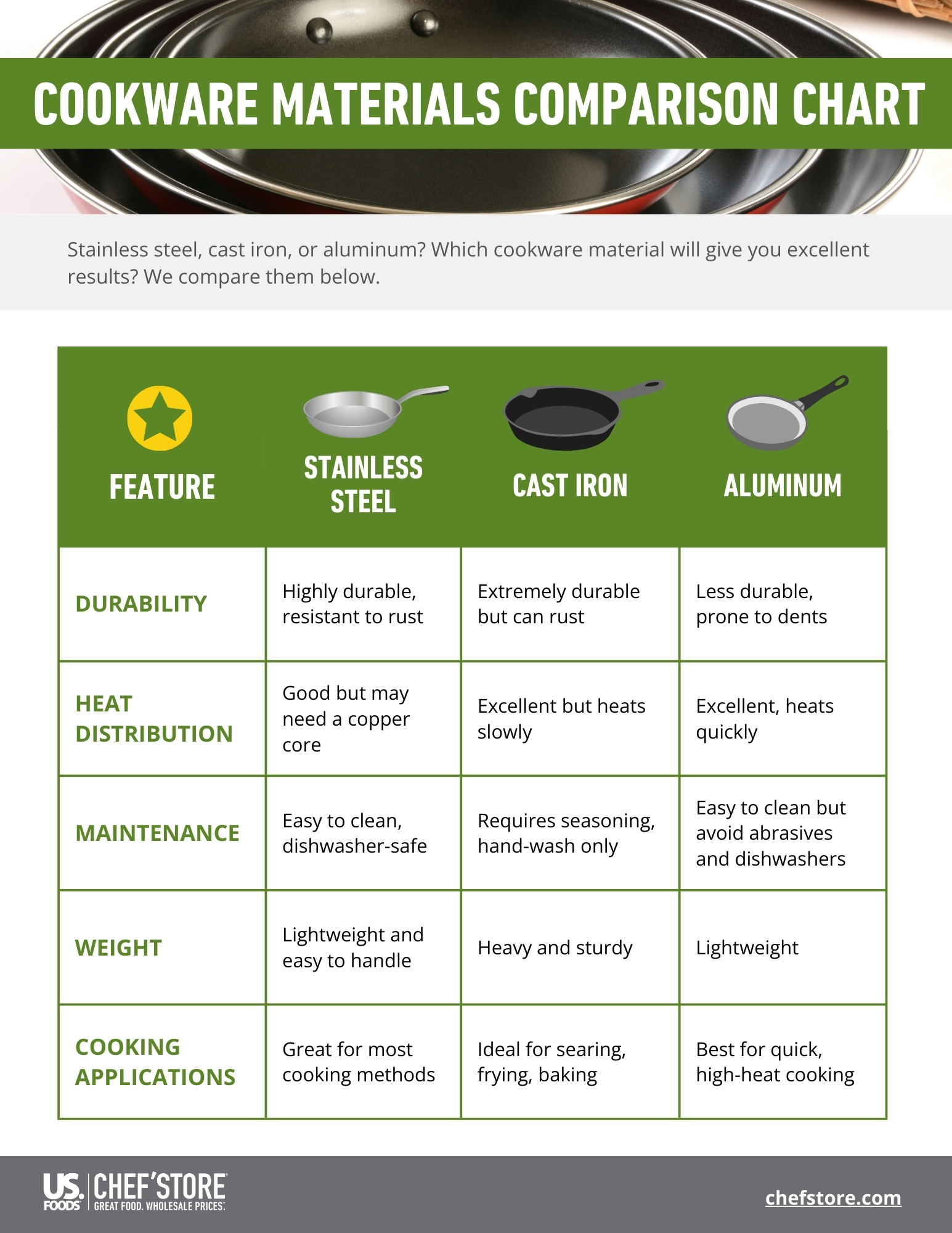
- Heats evenly (with core): Quality stainless cookware often has an aluminum or copper core. This improves heat conduction and reduces hot spots.
- Heavy and sturdy: Stainless pans feel solid and stand up to years of use without denting easily.
- Non-reactive: It won’t react with acidic or spicy foods. That makes it a good choice for tomato-based recipes, wine reductions, and citrus sauces.
- Easy to clean: Most stainless steel can handle scrubbing and is often dishwasher-safe.
Common Types
- Single-ply: A single layer of steel. These are cheaper but don’t distribute heat well.
- Multi-ply/Clad: Layers of stainless steel bonded to an aluminum or copper core. This is common in mid-range and premium cookware for better heat control.
- Nonstick stainless: Less common—usually a stainless base with a nonstick interior coating for easy release.
Is Stainless Steel Cookware Safe?
Stainless steel is widely used and generally safe. Still, some cooks worry about nickel or chromium leaching into food. I’ll explain when that might matter and how to choose pans if you have sensitivities.
What The Science Says
- Trace metals can leach: Small amounts of nickel and chromium can migrate into food. This happens slightly more when a pan is new, scratched, or used with acidic foods.
- Generally safe: For most people, these trace amounts are far below levels of concern. Stainless steel’s stability is one reason it’s used for surgical tools and food equipment.
- Nickel sensitivity: A minority of people have a true nickel allergy. They can develop rashes from contact with nickel-containing items—and in rare cases, ingesting nickel can cause problems.
Insight: Most stainless steel pans release less than 0.1 mg of nickel or chromium per meal. That is well below harmful levels for most people. If you are highly sensitive to nickel, look for low-nickel or nickel-free grades, or choose cookware labeled as such.
Credit: www.chefstore.com
Choosing Stainless Steel If You Have Allergies
- Check the grade: 18/10 stainless is common (18% chromium, 10% nickel). Look for 18/0 or 430 stainless if you want lower nickel content.
- Opt for higher-quality clad pans: A thick, multi-ply wall reduces direct contact with reactive core metals.
- Test at home: If you suspect sensitivity, try cooking an acidic dish briefly and monitor any reaction. For severe allergies, consult your doctor.
Comparing Aluminum And Stainless Steel Cookware
The two types of cookware have unique strengths and weaknesses. Let’s compare their key features side by side:
| Feature | Aluminum | Stainless Steel |
|---|---|---|
| Heat conduction | Excellent | Good (with core) |
| Weight | Light | Heavy |
| Durability | Scratches easily | Very durable |
| Reacts with food | Yes (bare aluminum) | No |
| Dishwasher safe | Sometimes | Usually |
| Price | Low to mid | Mid to high |
Which Cookware Is More User-friendly?
Aluminum
- Easier to handle: Good for people who prefer light pans. I find anodized aluminum ideal for weekday breakfasts.
- Faster to heat: Saves time for quick meals and delicate items like eggs or crepes.
- Can warp: Thin aluminum pans may warp if exposed to sudden high heat or rapid cooling.
Stainless Steel
- More forgiving: Less likely to warp, dent, or degrade over years of regular use.
- Can be heavy: Not ideal if you prefer very light cookware or have limited wrist strength.
- Needs oil or fat: Food can stick if you don’t preheat properly. A little oil and the right technique prevent most sticking.
Health And Safety: What Matters Most
Choosing between aluminum and stainless steel for health is not just about the metal itself. Here’s what really matters:
- Surface condition: Damaged or scratched pans release more metal. Keep an eye on wear and replace when needed.
- Type of food cooked: Acidic, salty, or long-simmered foods can increase leaching—especially in bare aluminum.
- Frequency of use: Using these pans daily increases exposure, but for most people it remains within safe limits.
- Coatings and layers: Anodized aluminum and multi-ply stainless steel reduce direct metal contact and cut leaching risks.
Non-obvious insight: The biggest risk with both types comes from misuse—like using a scratched nonstick pan or storing tomato sauce in an aluminum pot for days. Small habits make a big difference.
When Should You Avoid Aluminum Or Stainless Steel?
- Aluminum: Avoid bare aluminum if you regularly cook acidic dishes or store food in the pot for long periods. Choose anodized or nonstick alternatives for these tasks.
- Stainless steel: If you have a severe nickel allergy, look for nickel-free or low-nickel stainless steel. Otherwise, stainless steel is very safe for most cooking.
How To Choose The Right Cookware For You
Think about how you cook, what you value, and your budget. I choose pans based on specific tasks in my kitchen, and I recommend you do the same.
- Budget: Aluminum gives a lower upfront cost. Stainless steel costs more but often lasts longer and can be a better long-term value.
- Cooking style: Need quick and even heat for eggs and pancakes? Go aluminum or nonstick. Want a pan for searing and deglazing? A good stainless steel sauté pan is hard to beat.
- Health concerns: Sensitive to metals? Choose anodized aluminum or high-quality multi-ply stainless steel to reduce exposure.
- Maintenance: Stainless steel is generally easier to clean after browning. Aluminum nonstick is convenient for low-fat cooking but requires gentler care.
Practical Tips For Safe Use
- Preheat pans: This helps prevent sticking on stainless steel. Heat, then add oil, then food.
- Avoid metal utensils: Metal can scratch nonstick coatings and anodized surfaces. Use wood, silicone, or nylon tools.
- Don’t store food in pans: Move leftovers to glass or food-safe plastic containers to avoid flavor change and extra metal exposure.
- Hand wash when possible: Hand washing prolongs life, especially for anodized and nonstick aluminum cookware. Use gentle scrubbers and avoid abrasive cleaners on coated surfaces.
Real-world Example: Tomato Sauce Test
To see how much metal leaches into food, researchers often cook tomato sauce in different pans. One study found that after cooking tomato sauce for 2 hours:
- Bare aluminum pan: Up to 7 mg of aluminum per serving
- Anodized aluminum pan: Less than 0.5 mg per serving
- Stainless steel pan: Less than 0.1 mg of nickel/chromium per serving
This test shows why anodized aluminum and stainless steel are better daily-use choices if you cook acidic dishes. In my kitchen I prefer anodized aluminum for fast weekday meals and stainless steel for sauces, braises, and searing.
Longevity And Maintenance
Let’s compare how long each type of pan typically lasts and what you need to do to keep it in good shape:
| Cookware Type | Average Lifespan | Maintenance Needs |
|---|---|---|
| Aluminum (bare) | 2–5 years | Hand wash, avoid acids |
| Anodized aluminum | 5–10 years | Hand wash, no metal utensils |
| Stainless steel | 10–20+ years | Dishwasher safe, can use scrubbers |
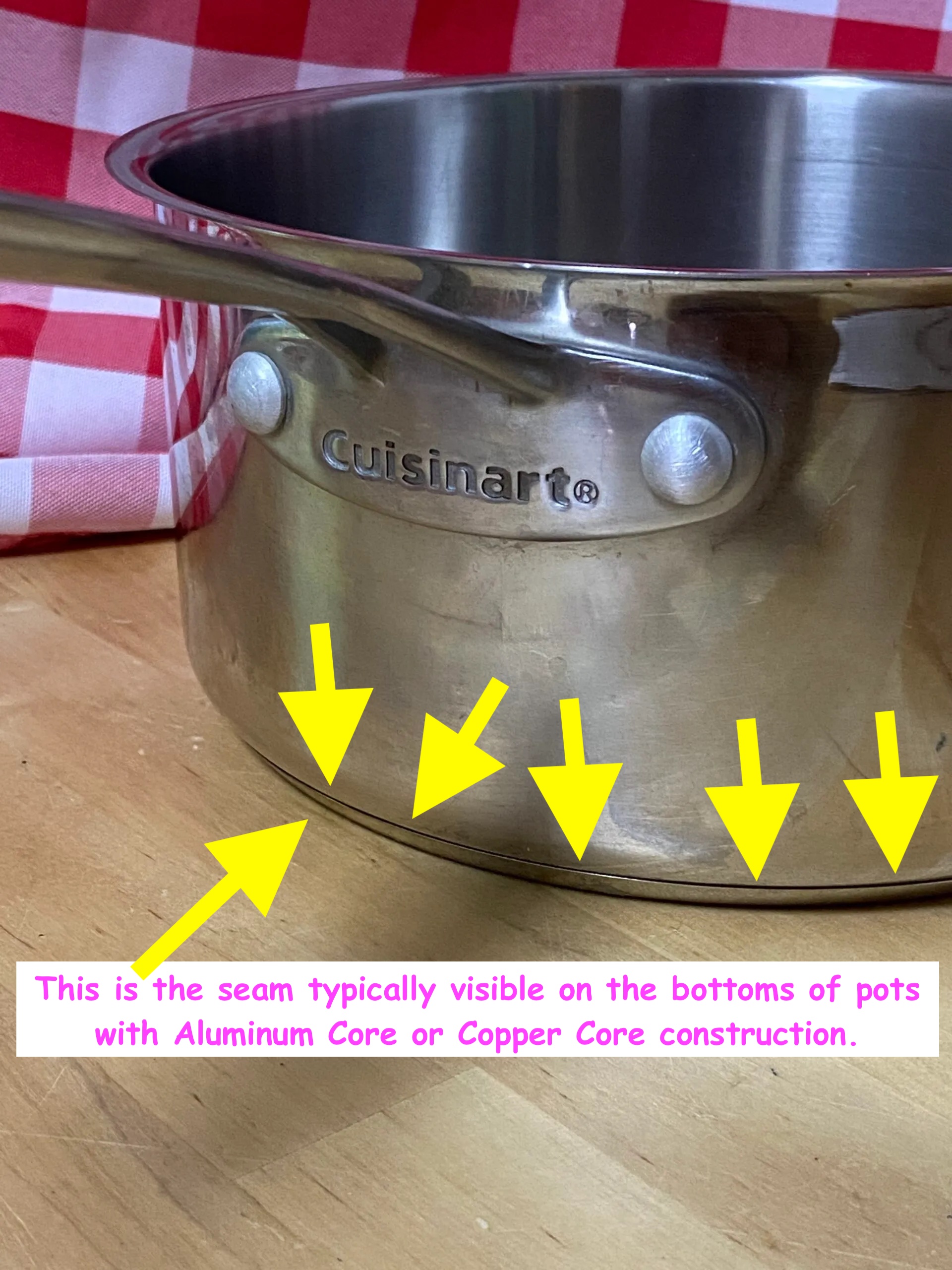
Non-obvious insight: Sometimes, a pan’s handle, rivets, or lid is made from a different metal. These spots can be weak points for rust or leaching. Inspect handles and inside seams regularly.
Environmental Impact
Both metals can be recycled. Stainless steel takes more energy to produce but lasts longer. Aluminum is lighter to ship and is easily recycled. If you recycle old pans, both choices have reasonable environmental profiles. Choosing a durable pan you keep for years reduces overall impact.
Final Thoughts: Which Is Safer For You?
For most people, both aluminum and stainless steel cookware are safe when used correctly. The real risks come from damaged surfaces, cooking acidic foods in bare aluminum, or using cookware with flaking coatings. If you want the lightest, fastest-heating pan for quick jobs, try anodized aluminum. For a long-lasting every-day workhorse for searing, sauces, and deglazing, high-quality stainless steel is my top pick.
If you have a metal allergy or you cook a lot of acidic foods, choose anodized aluminum or high-quality multi-ply stainless steel. Check pans for damage, use the right utensils, and avoid storing food in metal pots. With those simple rules you can cook safely and confidently.
For more details on cookware safety, you can read the recommendations from the World Health Organization.

Credit: www.amazon.com
Frequently Asked Questions
Is Aluminum Cookware Safe For Daily Use?
For most people, yes. Daily use of aluminum cookware adds only a small amount of aluminum to your diet, well below safety limits set by health authorities. Using anodized or coated aluminum lowers exposure even more. In my experience, anodized pans are a good everyday choice when you want quick, even heat with lower worry.
Can Stainless Steel Pans Rust?
Most stainless steel cookware resists rust because of its chromium content, which forms a protective layer. But deeply scratched or very old pans can develop small rust spots, often around rivets or seams. Regular cleaning and drying prevents most rust issues.
Is It Safe To Cook Acidic Foods In Aluminum Or Stainless Steel?
Cooking acidic foods (like tomato sauce) in bare aluminum pans can cause more metal to leach and may change the taste. Stainless steel is a better choice for acidic dishes because it does not react and keeps flavors true.
How Can I Tell If My Aluminum Pan Is Anodized?
Anodized aluminum pans usually have a darker, matte finish and feel harder than bare aluminum. They often carry markings like “hard-anodized.” If you’re unsure, check the manufacturer’s label or product page.
Which Is Better For Frying: Aluminum Or Stainless Steel?
Aluminum pans heat quickly and are excellent for fast jobs like eggs, pancakes, and quick sautés. Stainless steel is better for high-heat searing and browning, provided you preheat the pan and use enough oil. In my kitchen I keep both: an anodized skillet for breakfast and a stainless sauté pan for meats and sauces.