Can You Use A Glass Cooktop That Is Cracked: Safety Guide

No, a cracked glass cooktop is unsafe to use and should be repaired or replaced right away.
A cracked glass cooktop is more than a cosmetic problem. It can spread fast, cut your hands, trap moisture, and expose electrical parts underneath. If you’re asking, “Can you use a glass cooktop that is cracked,” the honest answer is that it is usually not worth the risk. I’ve seen small hairline cracks turn into full panel failures after one hot cycle, so this is one kitchen issue where caution really matters.

What a Cracked Glass Cooktop Actually Means
A glass cooktop is made to handle heat, but it is not made to handle damage well. Once the surface is cracked, the top layer loses strength and can fail under normal use. That failure may be slow, or it may happen suddenly when the burner gets hot.
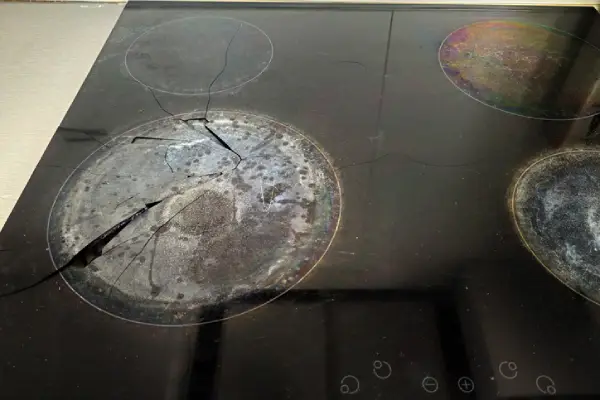
The crack may look tiny, but it can still be serious. Heat expands glass, and every heating cycle can push that crack farther. If you are wondering, “Can you use a glass cooktop that is cracked,” think of it like driving on a tire with a visible split. It might still move, but the risk keeps climbing.
Common signs of damage include:
• Hairline cracks near a burner
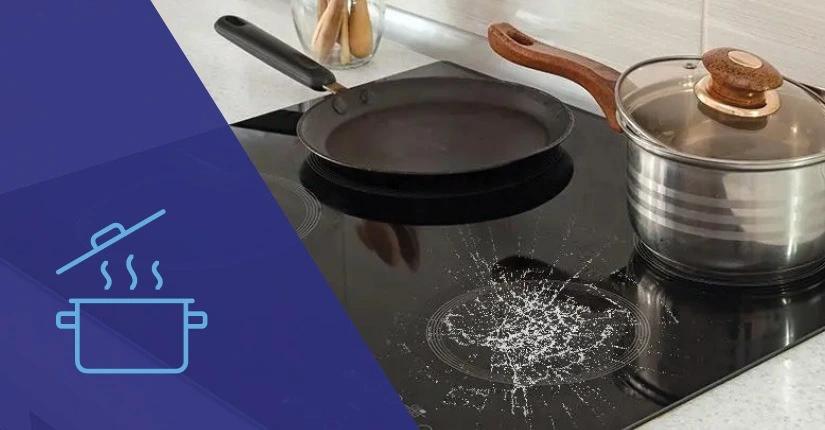
• Spiderweb patterns in the glass
• Chips along the edge that spread inward
• Dark spots or discoloration under the surface
• Uneven heating around the broken area
Even if the cooktop still turns on, that does not mean it is safe. In many cases, the real danger is not the crack itself but what the crack can lead to.
Why Using a Cracked Glass Cooktop Is Risky
The biggest concern is safety. A cracked cooktop can break more during cooking, which may expose sharp edges or live electrical parts. That can create a burn risk, a cut risk, and in some cases an electrical hazard.
There is also a fire risk. A deeper crack can let spills seep inside the unit. If liquid reaches wiring or controls, the appliance can short out. That is one reason most appliance techs recommend stopping use as soon as damage appears.
Here are the main risks:
• Personal injury from broken glass
• Electrical shock from exposed internal parts
• Fire risk if moisture reaches wiring
• Damage to pots, pans, and cooktop elements
• More expensive repairs if the crack spreads
From a practical point of view, using it can also void warranties or insurance claims if the damage gets worse after continued use. I always tell people this: if the top is cracked, treat it as a warning, not an inconvenience.
Can You Use a Glass Cooktop That Is Cracked for a Little While?
Some people ask this because they need to cook dinner tonight. I get it. In a real home, replacing an appliance does not always happen the same day. But even short-term use carries risk, and that risk depends on the size, location, and depth of the crack.
A very tiny chip at the far edge is different from a crack running across a burner zone. Still, most manufacturers and repair pros advise against regular use once the glass is damaged. If the crack is in an active heating area, using the cooktop is especially unsafe.
If you absolutely must judge the situation, ask these questions:
• Is the crack growing?
• Is it near a burner?
• Can you feel sharp edges?
• Has the glass shifted or lifted?
• Does the surface flex, buzz, or heat unevenly?
If the answer to any of those is yes, stop using it. A cracked glass cooktop is not something to “monitor and hope for the best.” It needs a real fix or a replacement.
What Causes Glass Cooktop Cracks
Glass cooktops crack for several common reasons. Some happen suddenly, while others build up over time. Knowing the cause can help you avoid repeat damage later.
Typical causes include:
• Impact damage from dropping a heavy pan or jar
• Thermal shock from extreme temperature changes
• Uneven weight from oversized cookware
• Scratches that weaken the surface over time
• Manufacturing defects, though these are less common
• Installation problems, such as poor support underneath
Thermal shock is one of the most common culprits. That can happen when a hot pan meets a cold, wet surface or when a cold item sits on a hot burner zone. I’ve also seen cracks start after someone slid a cast-iron skillet across the top without lifting it. Glass cooktops are tough, but they are still glass.
How to Tell If the Crack Is Serious
Not every crack looks dramatic at first. Some begin as tiny lines that are easy to miss. The problem is that even small damage can become unstable once the cooktop heats up.
A crack is usually more serious if:
• It reaches across a burner area
• It forms a spiderweb pattern
• It has sharp lifted edges
• It goes all the way through the glass
• The cooktop no longer sits flat
• The crack is getting longer over time
One simple test is visual inspection when the unit is off and fully cool. Shine a flashlight across the surface at an angle. That can make the crack easier to see. If you are unsure, a technician can tell you whether the top is safe to replace or whether the whole unit needs service.
What To Do Immediately If Your Cooktop Is Cracked
The best move is to stop using it until it is checked. That may sound annoying, but it is the safest choice. In my experience, the sooner you shut it down, the less likely you are to turn a small repair into a full replacement.
Here is what to do next:
- Turn off the cooktop and unplug it if possible.
- Let it cool completely before touching it.
- Avoid pressing on the cracked area.
- Keep children and pets away from the appliance.
- Do not place heavy items on the surface.
- Contact the manufacturer or a certified appliance repair technician.
If the crack has sharp edges, avoid cleaning it aggressively. A damp cloth is usually enough for temporary cleanup. Do not use abrasive pads, since those can make the damage worse.

Repair or Replace: Which Is Better?
This depends on the model, the age of the cooktop, and the cost of parts. In many cases, the glass top itself can be replaced if the heating elements and controls still work well. For newer units, repair may make sense.
Replacement is often smarter when:
• The cooktop is older
• The crack is large or spreading
• More than one burner is damaged
• Parts are expensive or hard to find
• The appliance has other problems already
A repair can be a good option if the cooktop is otherwise in great shape. But if the cost of parts and labor gets close to the price of a new unit, replacement usually wins. That is especially true for older electric cooktops, where a cracked surface may be a sign of general wear.
How Much Does It Cost To Fix a Cracked Glass Cooktop?
Costs vary a lot by brand and model. A simple glass replacement may be affordable on a midrange unit, while premium models can cost much more. Labor can also add a fair amount, especially if the cooktop is built into a tight countertop space.
Typical cost factors include:
• Brand and model availability
• Size of the glass panel
• Whether heating elements need replacement
• Labor rates in your area
• Warranty coverage
If your unit is under warranty, check the terms right away. Some damage types are not covered, especially impact damage. If the cooktop is out of warranty, ask for a written repair estimate before agreeing to service. That helps you compare repair cost versus replacement cost without guesswork.
How To Prevent Future Glass Cooktop Damage
The good news is that many cracks can be prevented. A little care goes a long way with these surfaces. Think of the cooktop like a phone screen, but heavier and more expensive to fix.
Helpful habits include:
• Lift cookware instead of sliding it
• Use flat-bottomed pans that match burner size
• Avoid placing hot lids or pans on cold glass
• Keep sugar, salt, and hard debris cleaned off
• Do not stand or lean on the cooktop
• Avoid using cookware that is too heavy or warped
Also, let the surface cool before wiping it with a wet cloth. Sudden temperature changes are rough on glass. A gentle cleanup routine is one of the easiest ways to protect the surface.
When to Call a Professional
Call a professional if the crack is more than a small chip, if the cooktop is still under warranty, or if the damage affects a burner area. You should also get help if the glass is loose, rattling, or lifting near the edges.
A qualified technician can tell you whether the unit is safe to repair. They can also check for hidden damage underneath the glass. That matters because sometimes the visible crack is only part of the problem.
Frequently Asked Questions of Can You Use a Glass Cooktop That is Cracked
Is it safe to cook on a cracked glass cooktop?
No, it is generally not safe to cook on a cracked glass cooktop. The crack can spread from heat and may expose sharp edges or electrical parts.
Can a small crack in a glass cooktop be repaired?
A small crack in the glass itself usually cannot be repaired the way a chip in a windshield can. Most of the time, the damaged glass panel needs replacement.
Will a cracked cooktop get worse over time?
Yes, it often can. Heat, pressure, and normal use can make the crack grow and turn a small problem into a bigger one.
What should I do if my cooktop cracked while cooking?
Turn off the burner, let the surface cool, and stop using the appliance. Then inspect the damage carefully and contact a repair professional or the manufacturer.
Does a cracked glass cooktop need full replacement?
Not always, but many models do need a new glass surface. If the heating parts are still fine, a technician may only need to replace the top panel.
Conclusion
A cracked glass cooktop is not something to ignore, even if it still seems to work. The safest answer to “Can you use a glass cooktop that is cracked” is usually no, because the risks of injury, shock, and further damage are simply too high.
If you spot a crack, stop using the unit, assess the damage, and get expert help fast. That one careful step can save money, prevent accidents, and keep your kitchen safer. If this guide helped, share it, leave a comment, or check out more appliance safety tips before your next cooktop repair decision.