How Do I Choose Cookware That Distributes Heat Evenly: Guide

For most U.S. home kitchens, the best cookware for even heating has a thick, flat base and a metal layer that spreads heat well. Fully clad stainless steel with an aluminum or copper core is often the most balanced choice. A heavy cast-iron or carbon-steel pan can also cook evenly after it heats, but it warms more slowly and needs more care.
The right choice depends on your cooktop, the foods you make, your budget, and how much weight you can handle. The goal is not simply to buy the thickest pan. You want cookware that spreads heat across the cooking surface, avoids hot spots, and responds in a way that suits your cooking.
What Makes Cookware Distribute Heat Evenly?
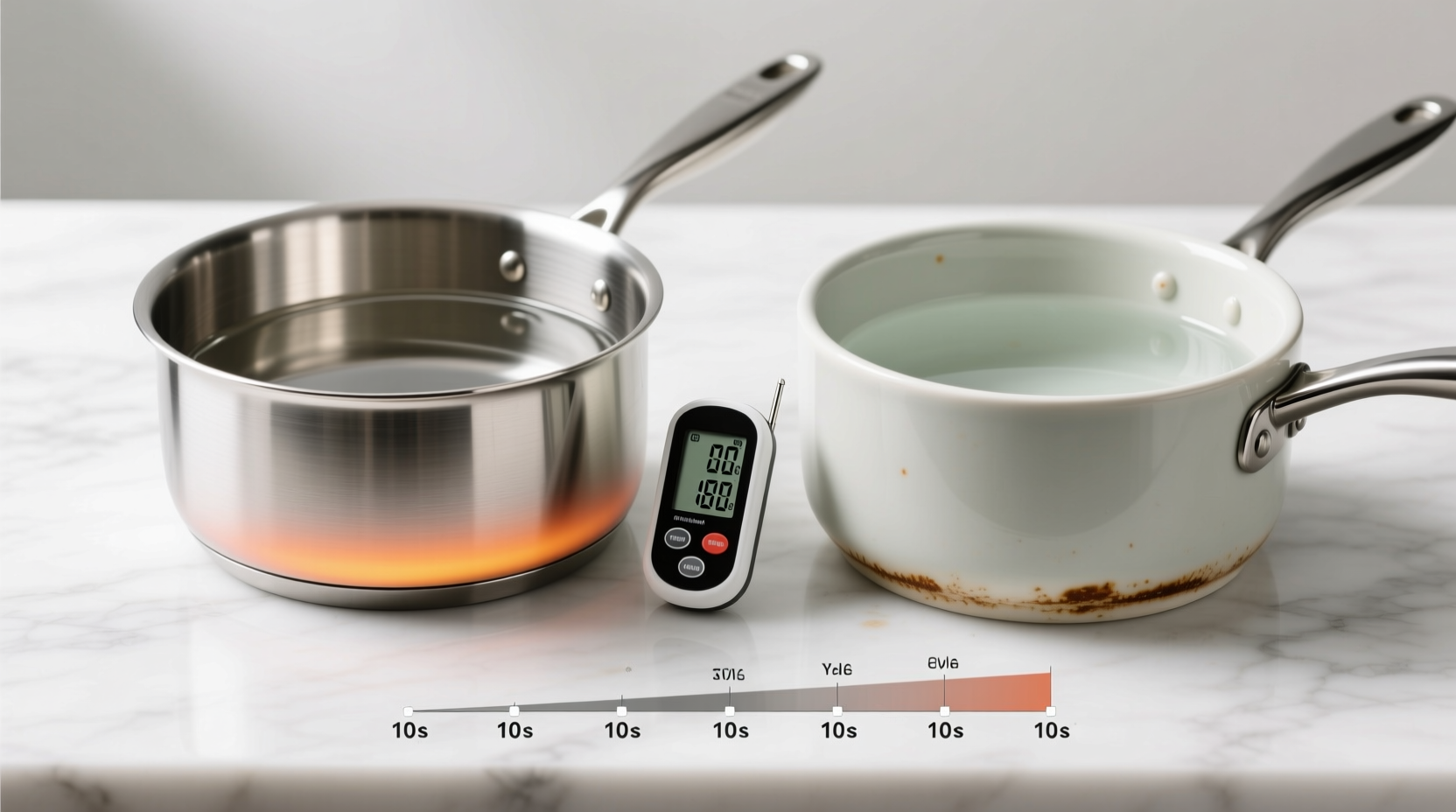
Even heating depends on three main factors: the metal’s ability to move heat, the cookware’s thickness, and the way the layers are built.
A pan heats evenly when heat moves from the burner into the base and then spreads across the cooking surface. If the metal spreads heat poorly, the area above the burner becomes much hotter than the outer edge. That can cause burned food in the center and undercooked food around it.
Thermal conductivity
Thermal conductivity describes how well a material moves heat.
Common cookware metals behave differently:
| Material | Heat spreading | Heat response | Common trade-off |
|---|---|---|---|
| Copper | Very high | Very fast | Expensive and often needs a lining |
| Aluminum | High | Fast | Can warp or react with some foods if uncoated |
| Stainless steel | Low by itself | Slow to moderate | Durable but can develop hot spots |
| Cast iron | Moderate to low | Slow | Holds heat well but takes time to warm |
| Carbon steel | Moderate | Moderate | Needs seasoning and care |
Copper and aluminum spread heat much better than stainless steel. Stainless steel is strong, durable, and easy to clean, but a stainless-steel pan with no aluminum or copper core may heat unevenly.
Cast iron is different. It does not spread heat as quickly as copper or aluminum, but its thick mass stores heat. Once fully heated, it can provide steady cooking temperatures. It may still have hotter areas over the burner if you do not preheat it long enough or if the burner is much smaller than the pan.
Thickness and heat capacity
A thin pan heats quickly, but it may also develop sharp hot spots and lose heat when you add cold food. A thicker pan usually spreads and stores heat better.
Thickness alone does not guarantee even cooking. A thick stainless-steel pan without a heat-spreading core may still perform worse than a thinner pan with an aluminum layer. Look at both the material and the construction.
Construction
The construction tells you where the heat-spreading metal is placed.
- Single-metal cookware: Made mostly from one metal, such as aluminum or cast iron.
- Impact-bonded cookware: A separate heat-spreading disk is attached to the bottom.
- Fully clad cookware: Layers run through the base and up the sides.
- Encapsulated base cookware: A sealed bottom layer contains aluminum or copper.
Fully clad cookware often gives the most even heating on the sides of a sauté pan or saucepan. A bonded base can work well for stockpots and pans used mainly on the bottom. The choice depends on whether food contacts the side walls during cooking.
A thick, conductive core matters more than a shiny finish, decorative coating, or a high piece count.

Which Cookware Materials Are Best for Even Heating?
For general-purpose cooking, choose aluminum-core clad stainless steel, copper, or thick aluminum with a suitable cooking surface. Cast iron and carbon steel are useful when heat retention matters more than quick heat control.
Fully clad stainless steel with an aluminum core
This is one of the most versatile choices for a U.S. kitchen. It usually combines:
- Stainless steel on the cooking surface
- One or more aluminum layers for heat spreading
- Stainless steel on the outside for strength and durability
The aluminum core helps spread heat across the base and sides. The stainless-steel surface resists staining, handles acidic foods better than bare aluminum, and can last for many years with proper care.
Choose this construction if you want one set of cookware for sauces, vegetables, eggs, meat, and pan sauces. It is also a practical choice when you use gas, electric, or induction cooking. For induction, the outside layer must contain magnetic material, usually magnetic stainless steel.
Copper cookware
Copper spreads heat exceptionally well and changes temperature quickly when you adjust the burner. This makes it useful for delicate sauces, sugar work, and foods that can scorch easily.
Most copper cookware has a stainless-steel or tin lining. The lining affects care and cooking limits. Tin can be damaged by high heat, while stainless steel is more durable but may not release food as easily as a seasoned surface.
Copper can be a strong choice for cooks who want precise control and accept a higher price and more maintenance. It is not automatically the best option for every home because the cooktop must support it safely, and many copper pans do not work on induction unless they include a magnetic base.
Aluminum cookware
Aluminum heats quickly and spreads heat well. It is often less expensive than copper and lighter than cast iron.
Anodized aluminum has a hardened surface that improves durability. Coated aluminum cookware can also cook delicate foods with less sticking. However, check the care instructions before using metal utensils, high heat, or a dishwasher.
Bare aluminum can react with acidic or alkaline foods. For that reason, many aluminum pans use a coating or a stainless-steel cooking surface.
Cast iron
Cast iron is a good choice when you need strong heat retention. It works well for searing, frying, baking, and dishes that move from the stovetop to the oven.
It does not heat as quickly or spread heat as evenly as copper or aluminum. Preheat it gradually, and give it time to warm across the full surface. A burner that is too small can leave the center much hotter than the edges.
Enameled cast iron avoids the need for seasoning and can handle acidic foods better than bare cast iron. It is usually heavier and slower to respond to temperature changes.
Carbon steel
Carbon steel is lighter and more responsive than cast iron. With seasoning, it can develop a naturally slick surface for frying, sautéing, and high-heat cooking.
Its performance depends on thickness and shape. A thin carbon-steel pan may develop hot spots over a small burner. A thicker pan with a flat base is more likely to heat steadily.
Carbon steel needs drying and light oiling to help prevent rust. Acidic foods can also weaken a new or thin seasoning layer.
Stainless steel without a conductive core
A single-layer stainless-steel pan can be durable, but it is usually not the best choice for even heating. Stainless steel conducts heat poorly compared with aluminum and copper.
It can still work for boiling water or cooking foods that are stirred often. For searing or delicate sauces, look for an aluminum or copper core instead.

How Should I Compare Cookware Before Buying?
Check the base, construction, weight, flatness, cooktop compatibility, and care instructions. Product descriptions often use terms such as “even heating” without explaining how the pan achieves it, so inspect the details behind the claim.
1. Identify your cooktop
Your cooktop changes which materials will work well.
- Gas: Works with most cookware. Flames that extend up the sides can heat handles and create uneven heating.
- Electric coil: Works with most flat-bottom cookware. The pan should sit level on the coil.
- Glass-top electric: Needs a flat, smooth base. Avoid cookware with rough bottoms that can scratch the surface.
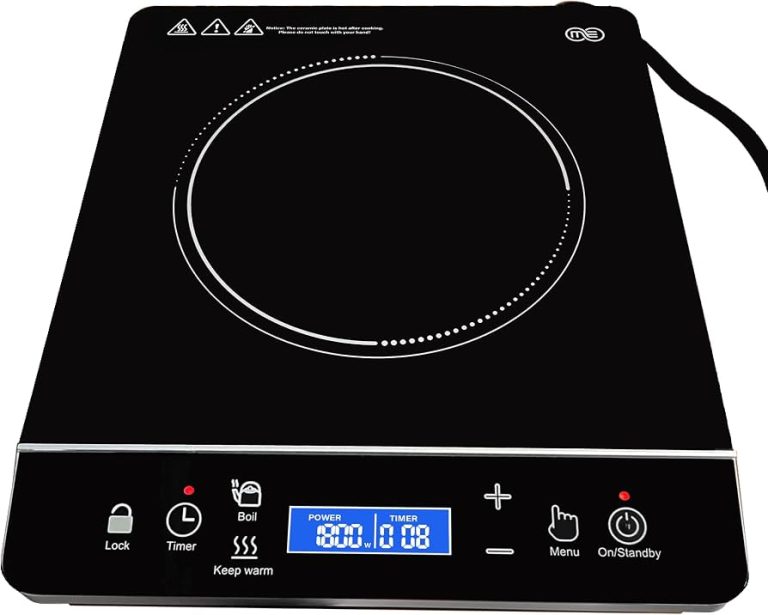
- Induction: Requires a magnetic base. A magnet should stick firmly to the underside.
- Dual-fuel or mixed kitchens: Choose cookware that matches the most demanding surface, especially if you move pans between burners and an oven.
For induction, do not assume that stainless steel means magnetic. Some stainless-steel alloys are not attracted to magnets.
2. Inspect the base
Look for a base that is:
- Flat rather than rounded
- Wide enough to cover much of the burner
- Thick enough to resist warping
- Bonded smoothly to the pan
- Free from a visible gap between layers
A small base on a large pan can create uneven heating. A very large base on a small burner can also leave the edges cooler than the center.
3. Look for the right construction words
Useful terms include:
- Fully clad
- Tri-ply or multi-ply
- Aluminum core
- Copper core
- Encapsulated base
- Impact-bonded base
These terms describe construction, but they do not always reveal core thickness. If the manufacturer provides a cross-section, base thickness, or core material, use that information to compare models.
“Copper-colored” or “reinforced” does not necessarily mean the pan contains a thick copper layer. Read the technical specifications rather than relying on appearance.
4. Check the pan’s weight and balance
A very light pan may heat quickly but lose heat easily. A very heavy pan may hold heat well but be hard to lift, pour from, or wash.
Hold the pan by the handle if you can. It should feel stable, not nose-heavy. The handle should keep your hand away from the hot side wall and remain firmly attached.
Weight is a clue, not proof. A well-built aluminum pan may be lighter than cast iron while still spreading heat effectively.
5. Check flatness
Place the pan on a flat surface. It should sit without rocking.
A warped pan can cause poor contact on an electric or induction cooktop. It may also collect oil on one side. Warping can result from overheating an empty pan, placing a hot pan in cold water, or using a pan on a burner that is too small or too large for its base.
6. Match the size to your usual meals
A pan that is too small crowds food. Crowding traps moisture and can lead to steaming instead of browning. A pan that is too large for the burner may heat unevenly at the edges.
As a rough guide:
- An 8-inch skillet suits one egg or a small serving.
- A 10-inch skillet works for one or two people.
- A 12-inch skillet gives more room for family meals.
- A 2- to 3-quart saucepan suits small sauces and sides.
- A 4- to 6-quart pot works for larger batches.
These are practical size examples, not strict rules. Base diameter matters more than the measurement at the rim.

What Cookware Is Best for Different Cooking Tasks?
The best pan depends on how heat should behave during the task. Fast response helps with delicate foods. Heat retention helps with searing and steady frying.
| Cooking task | Useful cookware | Why it fits |
|---|---|---|
| Eggs and delicate sauces | Clad stainless steel, nonstick aluminum, copper | Good control and gentle heat |
| Searing steak | Cast iron, carbon steel, thick clad stainless steel | Holds heat when cold food is added |
| Sautéing vegetables | Aluminum, clad stainless steel, carbon steel | Spreads heat and responds well |
| Simmering sauce | Fully clad saucepan | Heats the base and sides more evenly |
| Deep frying | Heavy pot or Dutch oven | Reduces temperature swings |
| Baking cornbread | Cast iron or heavy steel | Stores heat well |
| Boiling water | Most flat-bottom pans | Even distribution matters less than capacity |
| Acidic foods | Stainless steel or enamel | Less likely to react with the food |
For a pan sauce, a fully clad saucepan or sauté pan can reduce the difference between the hot base and cooler sides. For a steak, heat retention may matter more than rapid response.
If you cook eggs often, a coated nonstick pan can be practical. Use low to medium heat unless the manufacturer gives different instructions. Do not preheat an empty nonstick pan for a long time, and replace it if the coating is badly damaged or peeling.
How Can I Test a Pan for Even Heating at Home?
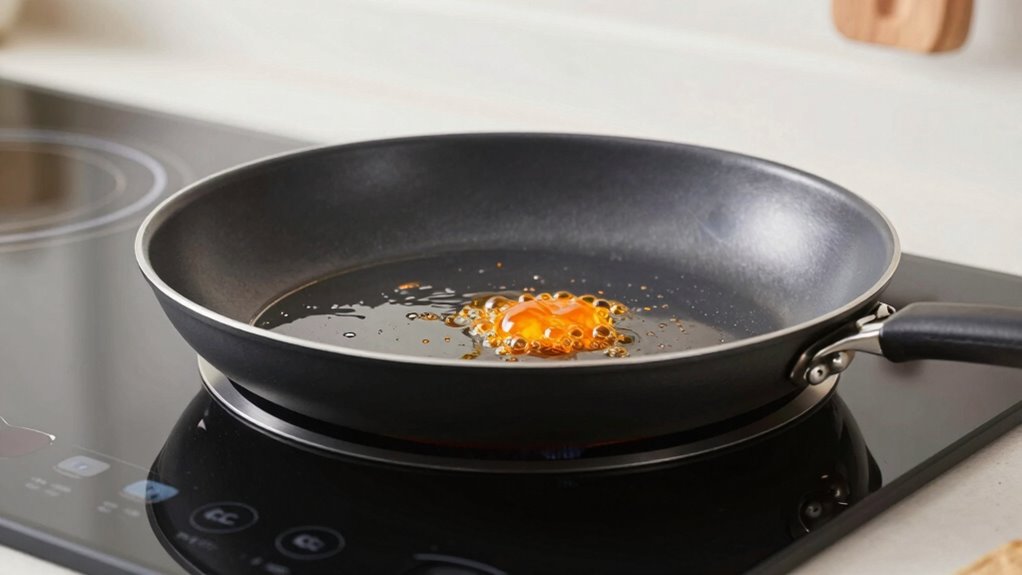
A home test can reveal obvious hot spots, but it cannot replace controlled laboratory testing. Use a simple water or flour test before cooking a full meal.
Water-drop test
Use this test only with cookware that the manufacturer allows you to preheat empty.
- Place the dry pan on the burner.
- Heat it on medium for a short time.
- Add a few drops of water.
- Watch how the drops behave.
- Turn off the burner and let the pan cool safely.
Water that gathers in one small area may indicate uneven heating or a warped base. Water that spreads and moves across much of the surface suggests better heat distribution, but this is only a rough observation.
Do not use high heat for this test. Do not add water to extremely hot cast iron or another hot pan, because sudden cooling can damage cookware or cause hot water to splatter.
Flour test
For an uncoated pan, dust a thin layer of flour across the cooking surface over low to medium heat. Watch for areas that brown much faster than others.
This test can show hot spots, but it can also leave burned residue. Clean the pan according to its care instructions. Do not use this test on cookware that should not be heated empty, such as some nonstick pans.
Pancake or tortilla test
A small pancake can reveal whether one area browns faster than another. This test is more realistic than a water test because food contacts the surface, but the result also depends on batter thickness, burner settings, and pan position.
Use the test as a comparison between pans under the same conditions. Do not treat one home test as proof that a pan always heats evenly.
Signs of good performance
You are more likely to see even heating when:
- Food browns across a broad area
- The center does not burn before the edges cook
- A simmer remains steady after you lower the heat
- The pan recovers heat well after cold food is added
- Oil spreads without rushing to one low spot
Why Does My Pan Still Have Hot Spots?
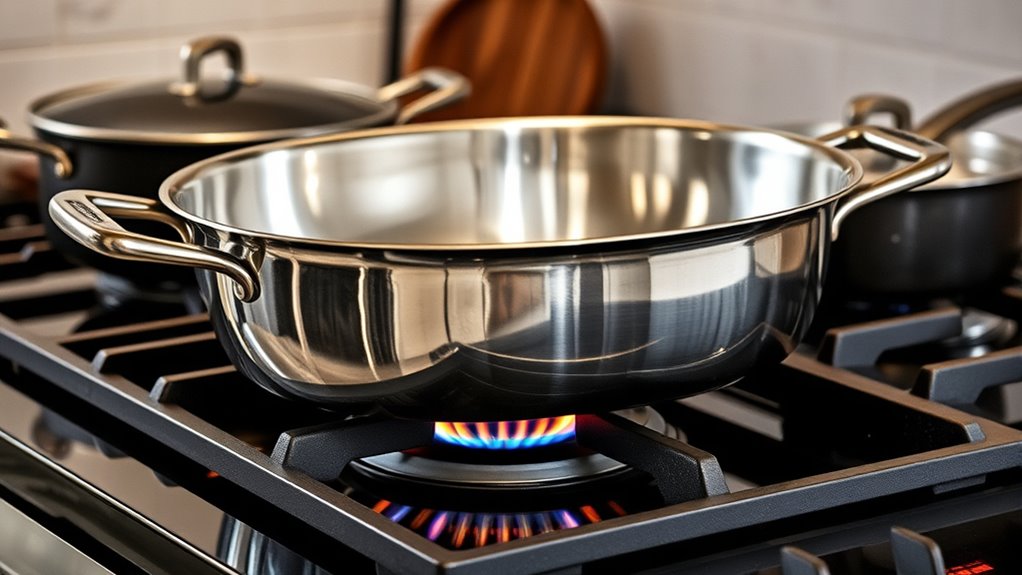
Hot spots may come from the burner, pan size, cooking method, or damage. A well-made pan can still cook unevenly if it is used on the wrong burner or heated too quickly.
The burner is too small
A small burner heats the center while leaving the edges cool. Move the pan to a burner that better matches the base diameter.
The burner is too large
Flames or heating elements that extend far beyond the base can heat the sides and handles. They may also damage coatings or create uneven cooking. Lower the heat or use a smaller burner.
The pan is too thin
A thin base may respond quickly but create a strong temperature difference between the center and edge. Use lower heat and stir more often, or choose thicker cookware.
The pan is warped
A warped base can reduce contact with a glass or induction cooktop. Replace badly warped cookware, especially if it rocks, spins, or leaves gaps on the surface.
The food is crowded
Too much food lowers the pan temperature and creates moisture. Cook in batches and leave space between pieces when browning.
The pan was heated too fast
Start with low or medium heat for cast iron, carbon steel, and heavy stainless steel. Increase the heat only when needed. Sudden high heat can increase hot spots and raise the risk of warping.
The food is not moved
Some foods need stirring, turning, or rotation. Even cookware cannot prevent uneven results when food stays in one position over a burner hot spot.
How Do Gas, Electric, and Induction Cooktops Change the Choice?
Gas rewards responsive cookware and careful burner control. Electric cooktops often benefit from a flat, stable base. Induction requires magnetic cookware and can heat the pan very quickly.
Gas cooktops
Gas flames may heat the sides of a pan. A pan with good side-wall conductivity, such as fully clad stainless steel, can use that heat more evenly than a pan with a thin stainless body.
Keep flames below the base. Flames climbing the sides waste energy and can heat the handle.
Electric cooktops
Electric burners stay hot after you lower the setting. Cookware with good heat retention can help maintain a steady temperature, but you must plan ahead when reducing heat.
On glass surfaces, use a smooth, flat base. Lift cookware instead of sliding it to help prevent scratches.
Induction cooktops
Induction transfers energy directly into compatible magnetic cookware. It can heat quickly and may create a strong hot zone above the induction coil.
Choose a pan with a flat magnetic base that matches the cooking zone. Preheat at a lower setting than you might use on gas, especially with empty cookware. Follow both the cooktop and cookware instructions.
A pan can be induction-compatible but still heat unevenly if its magnetic layer is narrow or the base is thin.
Common Mistakes When Choosing Even-Heating Cookware
Avoid judging cookware by one feature. Even heating comes from the relationship between the metal, thickness, base, burner, and cooking task.
- Choosing stainless steel because it looks durable: Stainless steel is durable, but a single-layer pan may spread heat poorly.
- Assuming heavy always means even: Weight can indicate heat capacity, but it does not reveal how well heat spreads.
- Buying a pan with a tiny base: A wide rim can make a pan look large while the actual cooking surface remains small.
- Ignoring induction compatibility: Not all stainless steel works on induction.
- Using high heat to preheat every pan: High heat can warp metal and damage nonstick coatings.
- Comparing rim diameter only: Compare the base diameter and cooking surface.
- Overcrowding the pan: Food volume can affect results more than the cookware itself.
- Ignoring the handle and lid: A pan may heat well but still be difficult or unsafe to lift, cover, or transfer.
- Using metal utensils on a coated surface: Follow the coating manufacturer’s instructions.
- Putting hot cookware into cold water: Sudden temperature changes can warp some pans and may damage enamel.
A Simple Buying Decision
Use this short process:
- Choose your cooktop. Confirm whether the pan must work on induction, glass, gas, or electric.
- Choose your main task. Pick heat control for sauces and eggs, or heat retention for searing and frying.
- Select the construction. Favor fully clad aluminum or copper cores for broad, even heating.
- Check the base. Look for a flat, thick base that matches your burner.
- Check the care needs. Consider seasoning, hand washing, coating limits, and oven use.
- Check the weight. Make sure you can safely lift the pan when it contains food.
- Buy the right size. Match the cooking surface to your usual portions.
- Test performance carefully. Use moderate heat and watch for hot spots during normal cooking.
For one versatile skillet, a 10- to 12-inch fully clad stainless-steel pan with an aluminum core is a strong general option. For high-heat searing, choose heavy cast iron, carbon steel, or thick clad stainless steel. For delicate foods, consider a quality coated aluminum pan or a copper-lined pan if you want faster heat control.
Key Takeaways
- Choose a thick, flat base with aluminum or copper for better heat spreading.
- Fully clad cookware heats the base and side walls more evenly than a thin single-layer pan.
- Cast iron holds heat well but needs more time to heat across the surface.
- Match the pan to your cooktop, especially if you use induction.
- Compare base diameter, not just the size printed on the package.
- Use moderate heat, avoid crowding, and replace badly warped cookware.
- The best cookware balances even heating, heat response, durability, weight, and care.
Frequently Asked Questions
Is thicker cookware always better?
No. Thickness helps a pan store heat and resist sudden temperature changes, but the metal and construction also matter. A thick stainless-steel pan with no conductive core may spread heat less effectively than a well-built aluminum-core pan.
Is stainless steel good for even heating?
Stainless steel is good for durability, but stainless steel alone is not a strong heat conductor. For more even heating, choose stainless steel with an aluminum or copper core.
Does nonstick cookware heat evenly?
Many nonstick pans use aluminum, which spreads heat well. Performance depends on the base thickness and construction. Use the heat level and utensil guidance from the manufacturer, because excessive heat can damage some coatings.
Is cast iron more even than stainless steel?
Cast iron usually retains heat better than thin stainless steel. However, it warms slowly and may have hot spots until the full pan is heated. Fully clad stainless steel with an aluminum core may distribute heat more quickly across the cooking surface.
How do I know if cookware works on induction?
Place a magnet on the underside. If it sticks firmly, the pan may work on induction. Confirm compatibility with the manufacturer because the base shape and construction also affect performance.
What is the best all-purpose cookware material?
For many U.S. kitchens, fully clad stainless steel with an aluminum core offers a useful balance of heat distribution, durability, cooktop compatibility, and care. A different material may be better if you mainly sear, cook delicate sauces, or prefer lightweight cookware.
Conclusion
To choose cookware that distributes heat evenly, focus on construction rather than appearance. Look for a flat, stable base and a thick aluminum or copper layer. Fully clad stainless steel is a practical all-purpose choice, while cast iron and carbon steel suit cooks who value heat retention and high-heat searing.
Before buying, match the pan to your cooktop and cooking habits. A well-built pan will still perform poorly if it is too large for the burner, overheated, warped, or crowded with food. Choose the material and size that help you control heat in the meals you make most often.