How Many Watts Is An Induction Cooktop: Power Guide

An induction cooktop usually uses 1,200 to 3,700 watts, depending on the size and power level.
If you’ve ever wondered how many watts is an induction cooktop, you’re asking the right question. I’ve spent enough time around kitchens and appliance specs to know that wattage is not just a number on a label. It affects cooking speed, energy use, circuit load, and whether a cooktop fits your home setup.
What Does Wattage Mean for an Induction Cooktop?
Wattage tells you how much electrical power the cooktop uses. In simple terms, the higher the watts, the more heat the unit can deliver and the faster it can cook. That is why a small portable induction burner may use far less power than a built-in four-zone model.
This matters because induction cooking is different from gas or traditional electric cooking. It heats the pan directly using electromagnetic energy, so it is usually faster and more efficient. Still, not every induction cooktop uses the same amount of power, and understanding the range helps you choose the right one for your kitchen and your budget.
How Many Watts is an Induction Cooktop on Average?
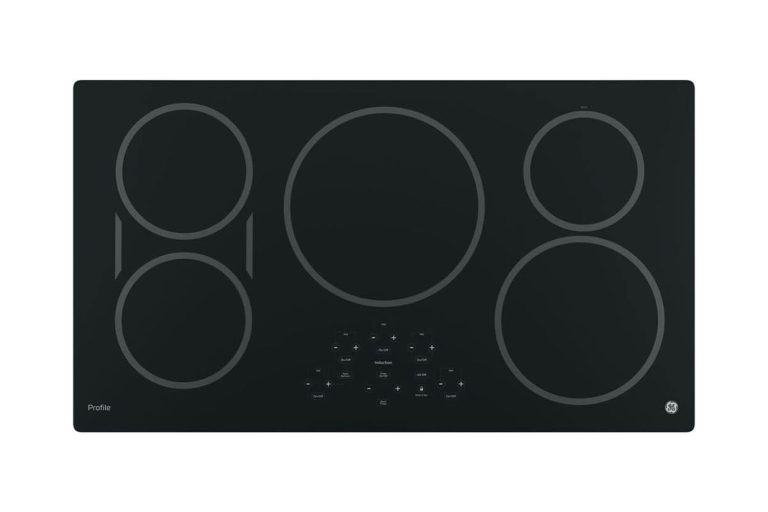
Most induction cooktops fall between 1,200 watts and 3,700 watts per cooking zone. Portable single-burner units often sit near the lower end, while full-size built-in models can reach the higher end. Some premium units even combine several burners that can draw more total power when used together.
Here’s a simple breakdown:
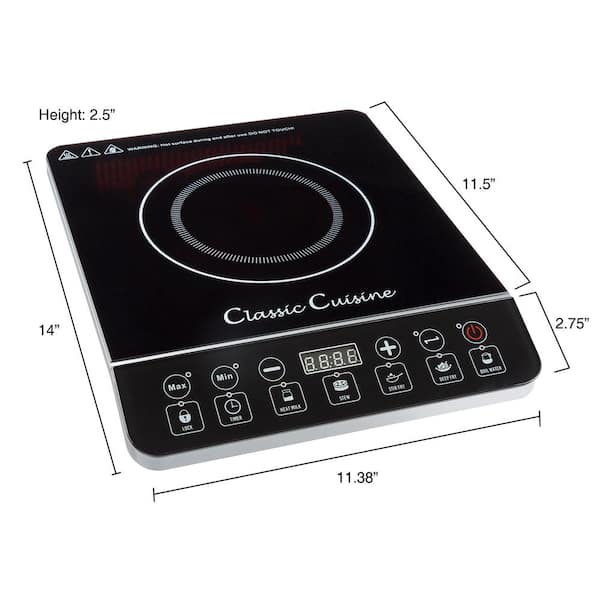
- Portable induction cooktop: about 1,200 to 1,800 watts
- Standard single burner: about 1,500 to 2,000 watts
- Built-in cooktop zone: about 1,800 to 3,700 watts
- Multi-zone cooktop: total draw can reach 7,000 watts or more, depending on use
In my own testing, the biggest mistake people make is assuming every burner can run at full power at the same time. Many units share power across zones, so the total system wattage matters just as much as the wattage listed for one burner.
Why Induction Cooktop Wattage Varies
Not all cooking needs the same power. A small burner for simmering soup does not need the same wattage as a large burner for boiling pasta or searing steak. That is why manufacturers design induction cooktops with different power levels and zone sizes.
Several factors affect wattage:
- Burner size: Larger zones usually need more watts
- Cooktop type: Portable units use less power than built-in models
- Number of zones: More burners can mean more total wattage
- Boost mode: Some cooktops temporarily increase power for faster heating
- Brand design: Efficiency and power management vary by manufacturer
This is one reason why two cooktops that look similar may perform very differently. One may boil water in minutes, while another takes a little longer even if the wattage numbers seem close.
How Much Power Does Each Cooking Task Need?
Different kitchen tasks need different watt levels. If you know what you cook most often, it becomes much easier to pick the right cooktop.
Common examples:
- Simmering and melting: 300 to 800 watts
- Light cooking and keeping warm: 800 to 1,200 watts
- Everyday sautéing and frying: 1,200 to 2,000 watts
- Boiling water and fast cooking: 1,800 to 3,700 watts
- High-heat searing: often 2,500 watts or more
A good induction cooktop feels a bit like a car with several gears. You do not need full speed all the time, but you want strong power when the job calls for it.
How Induction Cooktop Wattage Affects Electricity Use
Wattage helps estimate energy use, but it does not tell the whole story. A 2,000-watt cooktop running for 30 minutes uses 1 kilowatt-hour of electricity. Since induction is efficient, it often cooks faster than older electric ranges, which can help reduce total energy use.
A few practical points:
- Higher wattage usually means faster cooking
- Faster cooking can mean less total energy used
- Efficiency depends on pan size, cookware quality, and heat level
- Heat loss is lower than with gas in many cases
From a real-world perspective, I’ve noticed that people often worry about the watt number alone. But what really matters is how quickly the cooktop completes the task. A powerful induction unit may use more watts per minute, yet still use less energy overall because it finishes sooner.
Can a Home Electrical Circuit Handle an Induction Cooktop?
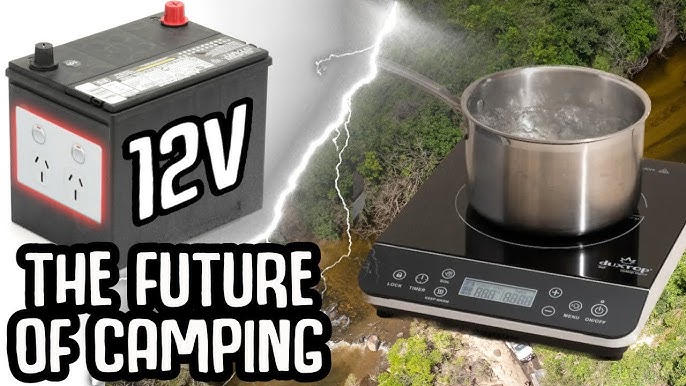
This is one of the most important questions to ask before buying. Many portable induction cooktops work on a standard 120-volt outlet, but higher-power built-in units may need 240 volts and a dedicated circuit. If your kitchen wiring is not ready, the cooktop may trip breakers or underperform.
Before installation, check:
- Voltage requirements
- Amperage rating
- Dedicated circuit needs
- Plug type
- Manufacturer installation guide
As a rule, a 1,500-watt portable unit is much easier to use in a standard home outlet than a 3,700-watt built-in zone. If you are not sure, an electrician can quickly tell you whether your kitchen can support the load.
How to Convert Watts to Amps for Induction Cooktops
If you want to know how much current a cooktop draws, use this simple formula:
Amps = Watts ÷ Volts
For example:
- A 1,500-watt cooktop on 120 volts draws about 12.5 amps
- A 3,700-watt cooktop on 240 volts draws about 15.4 amps
This is useful because circuit breakers are rated in amps, not watts. Once you know the amperage, you can better judge whether the cooktop will work safely on your setup.
Is a Higher Watt Induction Cooktop Better?
Not always. Higher wattage gives you faster heat and more cooking power, but that does not automatically mean it is the best choice for every home. If you mostly make simple meals, a mid-range unit may be more than enough.
A higher-watt cooktop is a better fit if you:
- Cook for a large family
- Boil water often
- Want faster response times
- Need strong heat for stir-fry or searing
- Use multiple burners at once
A lower or mid-range unit may be enough if you:
- Cook smaller meals
- Need a portable option
- Have limited electrical capacity
- Want lower upfront cost
I’ve seen people buy oversized units and then never use the top power settings. It is like buying a race car for grocery runs. Powerful is great, but only if it matches your needs.
Benefits of Knowing How Many Watts is an Induction Cooktop
Understanding wattage helps you make a smarter purchase. It also helps prevent surprise installation issues and lets you compare models more accurately.
Main benefits include:
- Better energy planning
- Easier outlet and circuit matching
- Faster comparison between models
- More accurate cooking expectations
- Lower risk of electrical overload
This knowledge also helps when reading appliance labels, product manuals, and comparison charts. Once you know what wattage means, the specs become much easier to understand.
Common Mistakes People Make When Choosing Wattage
A lot of buyers focus on price or looks and forget the power details. That can lead to frustration after the cooktop arrives.
Common mistakes include:
- Ignoring circuit limits
- Buying a high-watt model without proper wiring
- Assuming all burners can run at max power together
- Not checking cookware compatibility
- Overlooking voltage requirements
One lesson I learned early was to always check both total wattage and per-zone wattage. A cooktop may advertise strong performance, but if the power is split across burners, you may not get the heat you expected during busy meal prep.
How to Choose the Right Wattage for Your Needs
The best wattage depends on how you cook and where you live. Start with your daily habits, then match the cooktop to your kitchen setup.
A simple way to decide:
- Think about what you cook most often.
- Check your home’s outlet or circuit capacity.
- Decide whether you need portable or built-in.
- Compare per-burner wattage, not just total power.
- Read the manual for boost mode and power sharing details.
If you want a quick, reliable setup for light cooking, a 1,500 to 1,800-watt portable induction cooktop is often enough. If you want full kitchen performance, look at built-in models with higher zone wattage and proper electrical support.
Frequently Asked Questions
How many watts is an induction cooktop on average?
Most induction cooktops use between 1,200 and 3,700 watts per burner or zone. Portable models are usually on the lower end, while built-in units often offer higher power.
Does a higher watt induction cooktop cook faster?
Yes, in most cases it does. More watts usually means faster heating, which helps with boiling, searing, and quick meal prep.
Can I use an induction cooktop in a regular outlet?
Many portable induction cooktops can run on a standard 120-volt outlet, but higher-power models may need a dedicated 240-volt circuit. Always check the manufacturer’s requirements before plugging it in.
How many watts does a portable induction cooktop use?
A portable induction cooktop usually uses about 1,200 to 1,800 watts. This makes it a good choice for small kitchens, dorms, RVs, or light home cooking.
Is induction cooking cheaper than electric cooking?
It can be, because induction is usually more efficient and cooks food faster. That often means less wasted energy, though actual savings depend on how often you cook and your local electricity rates.
Conclusion
How many watts is an induction cooktop? The short answer is that most models fall between 1,200 and 3,700 watts per zone, with total power depending on size, design, and how many burners you use. Once you understand the watt range, it becomes much easier to choose a cooktop that fits your cooking style and your home’s electrical setup.
If you are shopping for one, focus on more than just the biggest number. Match the wattage to your meals, your circuit, and your daily routine, and you’ll end up with a cooktop that feels practical and dependable. If this guide helped, keep exploring appliance specs before you buy, and leave a comment or share it with someone comparing induction cooktops.