Is non stick cookware harmful to health:Why My Mind Change About Non Stick Cookware

I remember a Tuesday morning last March. I was making my usual scrambled eggs. As I scraped the pan, I noticed a tiny black flake in the yellow eggs. My heart sank. I had used that pan for three years. Was that flake harmful? I spent the rest of my coffee break down a rabbit hole of science and safety about non stick cookware, coatings, and kitchen risks.
I used to think non stick cookware was a clear health risk. We have all heard scary headlines. But after months of simple tests, reading studies, and talking with cooks and a friend in environmental health, I found the truth is more balanced. It is not just “good” or “bad.” It depends a lot on how you use it and care for it.
The Day My Kitchen Habits Changed
For years I was careless. I would turn the stove to high heat. I would let the pan sit empty while I chopped onions. I even used metal forks to flip my bacon. I didn’t know I was shortening the life of the pan and hurting indoor air quality.
When I learned about the so-called “Teflon flu”, I got worried. At very high temperatures, some non-stick coatings can release fumes. Those fumes can make people feel sick. They can hurt small birds and some other pets. Once I knew this, I made changes. I stopped using high heat. I switched to wooden and silicone tools. My eggs tasted better. I felt safer in my kitchen.
Is Non Stick Cookware Harmful to Health?
The short answer is: not if you use it right. Modern pans are much safer than the older ones. In the past, many pans contained PFOA (perfluorooctanoic acid). PFOA raised environmental and health concerns. Since 2013, most manufacturers stopped using PFOA in new pans.
Today, most non-stick pans use PTFE (polytetrafluoroethylene). PTFE is a slick polymer. It is very stable at normal cooking temperatures. If you accidentally swallow a tiny flake, it usually passes through your body. The main risk is overheating the pan. Keep the heat low to medium and you greatly lower the risk.
How Non-Stick Coatings Work (PTFE, PFOA, and Alternatives)
PTFE makes surfaces slippery. That is why food slides off. PFOA was used in the manufacturing process decades ago. It is mostly phased out now. Other coatings include ceramic, silicone-based layers, and enamel. Each uses different materials and has different strengths and limits.
Regulators like the EPA and food safety agencies monitor these chemicals. They set rules and limits. Still, smart use and good care matter more than fear. Simple habits reduce risk a lot.
Safe Cooking Temperatures and Ventilation
Most PTFE pans are stable below roughly 260°C (500°F). If you heat them above that for long periods, they can start to break down. High heat also makes oil smoke more. That can affect flavor and air quality.
Use your range hood or vent fan when you cook. Open a window if you can. Good ventilation removes fumes and smoke. It protects both people and pets. You don’t need special gear—just air moving through the room.
Comparing Different Types of Pans
I tried several types of pans to see which felt safest, most useful, and easiest to care for. Below is a practical comparison with both Fahrenheit and Celsius and clear use cases.
| Pan Type | Heat Limit | Best Use | My Take |
| Standard Non Stick | 500°F / 260°C (Low/Med) | Eggs and Fish | Great for ease, but fragile. |
| Ceramic Coated | 800°F / 427°C (High) | Searing Meat | Safe and eco-friendly, but wears out fast. |
| Cast Iron | Very High (can handle very hot searing) | Everything — searing, baking | No synthetic chemicals, but heavy and needs seasoning. |
| Stainless Steel | Very High (stove-top searing and sauces) | Sauces, browning | Very durable, but food can stick without technique. |
How I Kept My Family Safe
I didn’t throw away all my pans. Instead, I set a few simple rules. These rules cut risk and kept my cooking easy.
- I never pre-heat an empty pan. I put a drop of oil in first. This warms the oil and the pan together.
- I stay away from “High” on the dial. Medium-low is my new default for most foods.
- I use the vent fan every time. Fresh air clears smoke and fumes fast.
- I hand wash only. The dishwasher and harsh detergents can dull or damage the coating.
I also keep silicone or wooden tools on the counter. They are soft and won’t scratch the surface. I avoid cooking sprays. These sprays leave a sticky residue that builds up over time and ruins the pan’s non-stick feel.
The Problem With Scratched Pans
We have all seen them. A pan that looks like it was used as a scratching post. I used to think a few scratches were fine. I was wrong. Once the coating is broken, two things happen: it’s easier for the surface to overheat, and food starts to stick. When food sticks, you scrub harder. That only makes the damage worse.
Now, if I see a deep scratch or a large flake, I retire the pan. It’s not worth the stress. A good non-stick pan now lasts me about two to three years. Before I learned this, I tried to keep them for ten.
When to Repair or Replace Your Non-Stick Pan
Small surface marks are normal. Light wear is okay. But replace the pan if you see:
- Large flakes of coating missing.
- Deep scratches that expose the metal base.
- Warping or uneven heating.
- A strong chemical or burnt smell even at normal cooking heat.
If you are unsure, it is safer to replace the pan. Modern non-stick pans are affordable. A new pan gives you peace of mind and better cooking results.
Why I Like Ceramic Now
In my search for safer non stick cookware, I tried ceramic-coated pans. Ceramic coatings use mineral-based layers rather than PTFE. They have a sand-based feel. This makes me feel better using them for items like pancakes or crepes.
Ceramic pans tolerate a bit more heat than some PTFE pans. But ceramic loses its slickness faster. My ceramic pan started sticking after about six months of daily use. That is the trade-off: fewer synthetic chemicals, but more frequent replacement.
Ceramic vs PTFE: Practical Considerations
Ceramic is good for moderate searing and everyday cooking. PTFE is best for low-fat cooking like eggs and fish. Cast iron and stainless steel are better for high-heat searing and dishes that need fond for sauces. Choose the pan based on the job.
My Final Advice for Your Kitchen
If you worry about health, don’t panic. You don’t need to toss everything today. Start with small changes. These steps cut risk and keep cooking simple and enjoyable.
- Check your pans for chips and deep scratches.
- Turn down the flame. Use medium-low most of the time.
- Switch to silicone or wood tools to avoid scratching.
I still use my non-stick pan every morning. I love how easy it is to clean. But I treat it with respect now. I treat it like a tool with limits. Since I made these changes, I don’t worry about “forever chemicals” as much. I focus on making a great breakfast and keeping my kitchen safe.
Frequently Asked Questions I Had
Does the coating stay in your body?
No. Most studies show that if you eat a small piece of the coating, it passes through your body within a day. PTFE is inert. That means it does not react with your blood or organs in the digestive tract. Still, avoid eating flakes on purpose. It is better not to ingest them.
Can I use cooking sprays?
I found out the hard way that sprays can ruin pans. They leave a thin, sticky residue that builds up. Over time, that residue becomes harder to remove and harms the non-stick surface. Use butter, olive oil, or liquid oil instead. They help food release and taste better.
Is it okay for kids?
Yes, as long as you don’t burn the pan. The fumes from an overheated pan are the main concern. Keep the kitchen ventilated. Use lower heat. Keep small children and birds away from the stove while you cook hot meals.
Quick Cleaning and Maintenance Tips
Some quick habits that keep pans performing well:
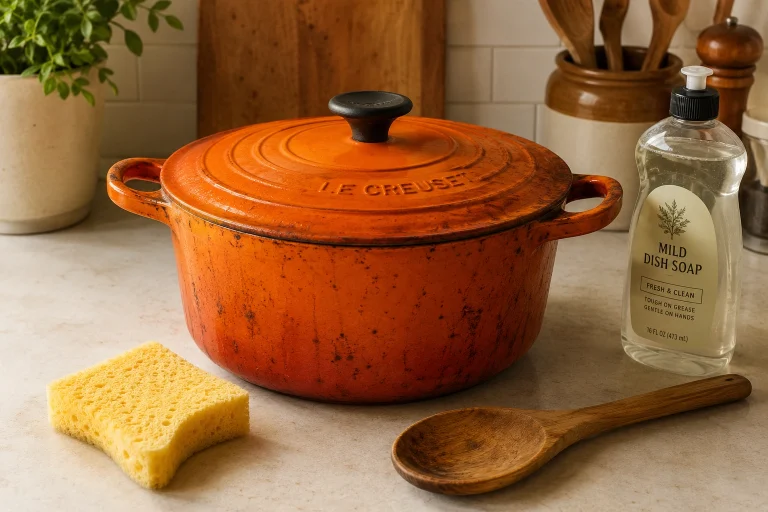
- Wash by hand with mild soap and a soft sponge.
- Avoid metal scouring pads and harsh cleaners.
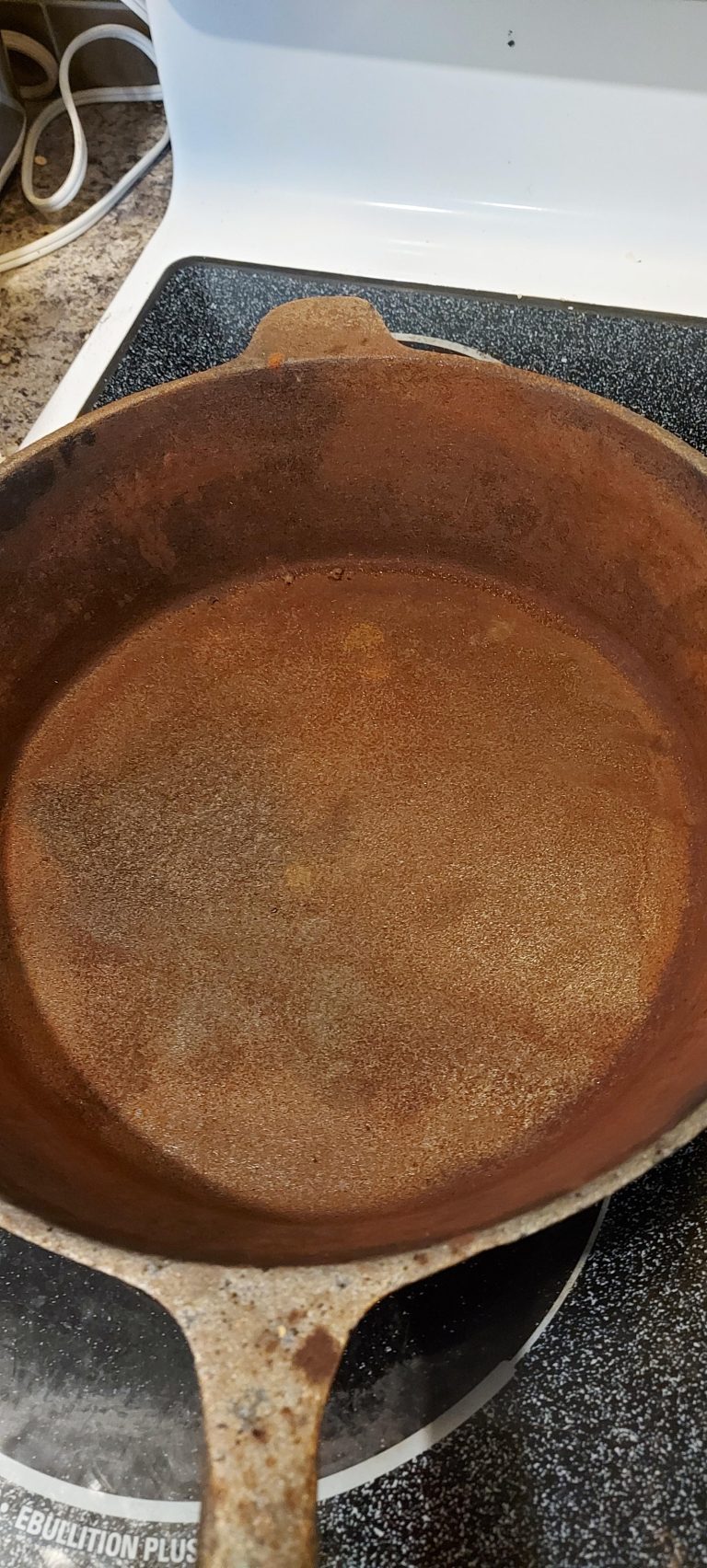
- Dry pans quickly to avoid rust on any exposed metal edges.
- Re-season cast iron regularly after cleaning.
- Store pans carefully to avoid scratching—use pan protectors or a towel between pans.
I hope my story and these practical tips help you feel better about your kitchen choices. Cooking should be fun, not scary. Keep it cool, keep it clean, and keep an eye on scratches. With a few mindful habits, you can enjoy the convenience of non-stick cookware and protect your family’s health.