How To Know If Cooktop Is Induction: Easy Test Guide

An induction cooktop uses magnetic energy to heat cookware directly, not the glass surface itself.
If you want to know how to know if cooktop is induction, the signs are usually easy to spot once you know what to look for. I’ve tested and used different cooktops over the years, and the clues are often right there in the controls, the cookware test, and the way the burner reacts. In this guide, I’ll walk you through the most reliable ways to identify an induction cooktop, plus a few mistakes to avoid so you can tell the difference with confidence.
:max_bytes(150000):strip_icc()/GettyImages-170032171-2000-fc2bcc51d6134d70ad05a8960da860cc.jpg)
What Makes an Induction Cooktop Different?
An induction cooktop works by creating a magnetic field under the cooking zone. That field heats the pan directly. The glass surface may feel warm from the pan, but it is not the main heat source.
This is different from electric coil or radiant glass-top stoves. Those use electricity to heat a burner or element first. Gas cooktops use an open flame instead. Knowing this difference is the first step in learning how to know if cooktop is induction.
A simple way to think about it is this: induction heats the pot, while other cooktops heat the air, burner, or glass around it. That is why induction often feels faster and more precise. It also explains why the surface cools down more quickly after cooking.
How to Know If Cooktop is Induction by Looking for Visual Clues
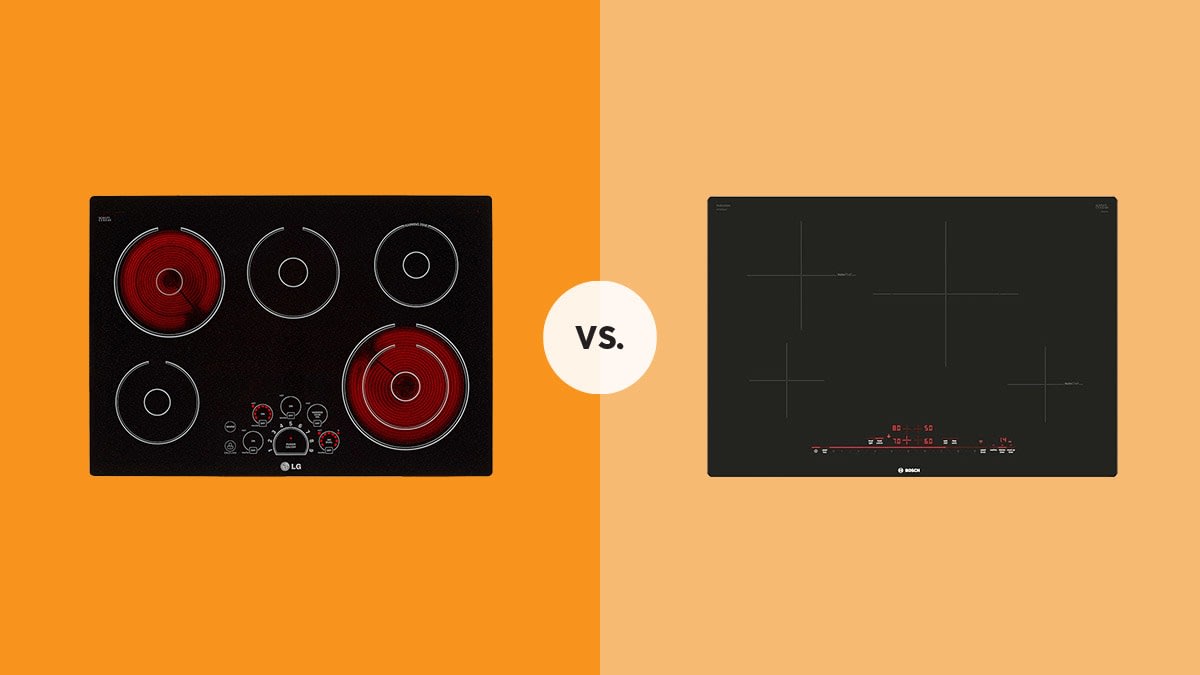
The easiest place to start is with your eyes. Many induction cooktops have a smooth glass-ceramic surface, but so do some electric cooktops, so the surface alone is not enough.
Look for these signs:
• Printed zones or symbols on the cooking surface, often marking where each pan should sit
• Touch controls instead of knobs, especially on newer models
• A display that shows heat levels in numbers, letters, or bars
• Labels such as “induction,” “magnetic,” or “compatible cookware” near the controls or underside
• Very clean, flat surface with no visible heating coils
I once assumed a sleek black cooktop in a rental was electric because it looked almost identical to a radiant model. The giveaway was the wording on the control panel and the way the unit shut off when I lifted the pan. That kind of detail matters.
If you are still unsure, check the model number on the frame or underside. Manufacturer manuals often say clearly whether the unit is induction.
How to Know If Cooktop is Induction with a Magnet Test
The magnet test is one of the fastest ways to confirm induction. Because induction depends on magnetism, a pan must be magnetic for the cooktop to work.
Here is how to do it:
- Find a small magnet, like one from a fridge.
- Hold it to the bottom of the cookware you plan to use.
- If the magnet sticks firmly, the pan is likely induction-ready.
- If it does not stick, the pan will not work on most induction cooktops.
This test works best for cookware, but it also helps explain the cooktop itself. If a cooktop is induction, it will usually only heat pans that pass the magnet test. Stainless steel is not always magnetic, so not every stainless pan will work.
A quick warning from experience: some pans may seem magnetic on the base but still perform poorly. Thin or warped cookware can heat unevenly. That is why cookware quality matters almost as much as cooktop type.
How to Know If Cooktop is Induction by Using the Water Test
Another simple check is the water test. Place a pan with a little water on the burner, turn it on, and watch what happens.
An induction cooktop usually responds very fast:
• The water starts to heat quickly
• The pan may make a faint humming or buzzing sound
• The surface around the pan stays cooler than you expect
• If you remove the pan, heating stops almost right away
This fast response is one of the biggest clues in learning how to know if cooktop is induction. On a gas or radiant electric cooktop, heat lingers more because the burner or element stays hot.
Be careful not to touch the pan bottom right away. The cooktop may be cooler, but the pan itself can still get very hot.
How to Know If Cooktop is Induction from the Sound and Behavior
Induction cooktops often behave a little differently from other stoves. They may hum softly, click, or pulse while running. That is normal.
Common behavior includes:
• A low buzzing sound at higher heat settings
• Fan noise from the built-in cooling system
• Instant reaction when you change the power level
• Automatic shutoff if no pan is detected
That last point is a major clue. Many induction units will not heat unless they sense a compatible pan. Some will flash an error or stop completely if the pan is removed.
In my experience, this “smart” behavior is one of the best tells. If the burner seems almost too responsive, that is often a sign you are dealing with induction.
How to Know If Cooktop is Induction by Checking Cookware Compatibility
Cookware compatibility is a big part of the answer. If your cooktop only works with magnetic pans, it is probably induction.
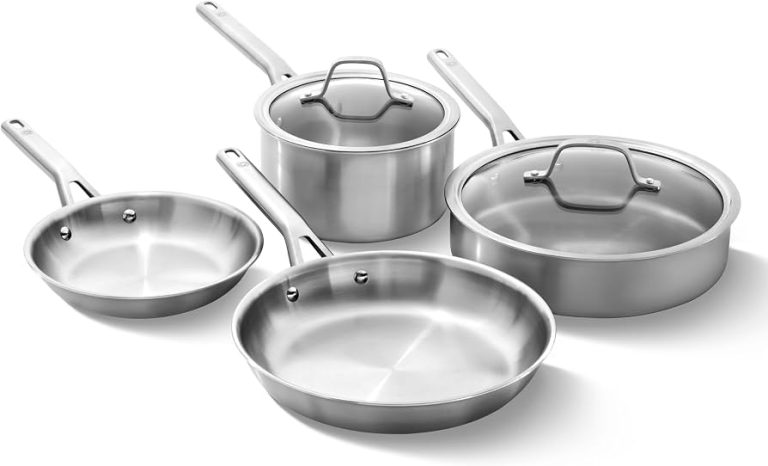
Compatible cookware usually includes:
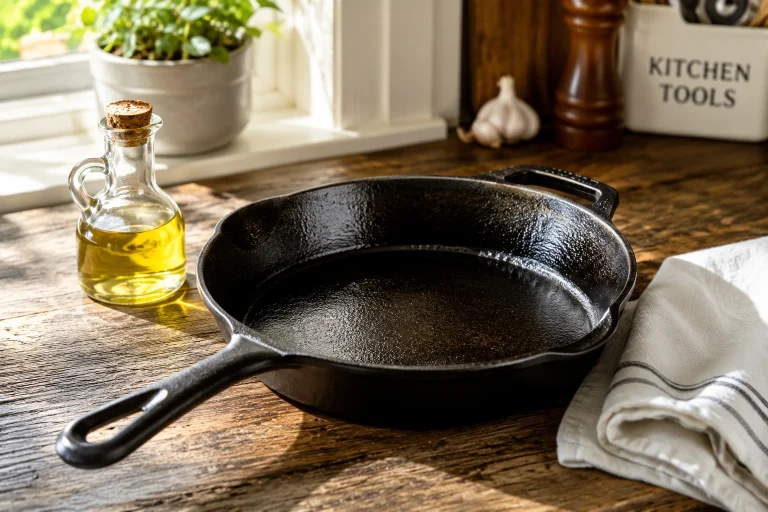
• Cast iron
• Magnetic stainless steel
• Some enameled steel pans
• Cookware labeled induction-safe
Incompatible cookware often includes:
• Aluminum
• Copper
• Glass
• Non-magnetic stainless steel
If you already know your pans and only some of them work, that is another clue. A true induction cooktop depends on magnetic cookware to generate heat.
A good habit is to keep a small magnet in the kitchen drawer. It makes this test fast and easy. That tiny tool has saved me from guessing more than once.
How to Know If Cooktop is Induction by Reading Labels and Manuals
When in doubt, trust the paperwork. Product labels, manuals, and model specs are often the most reliable source.
Check these places:
• The front control panel
• The bottom edge or side trim
• The installation manual
• The spec sheet or product listing
• The model number search result on the manufacturer site
Look for words like “induction,” “induction zone,” or “magnetic cooking system.” If the manual mentions special cookware requirements, that is another strong clue.
This step matters because some cooktops look similar from the outside. A glossy glass surface can belong to induction, radiant electric, or even hybrid models. The manual clears up the guesswork.
:max_bytes(150000):strip_icc()/what-is-the-best-cookware-for-induction-cooktops-908920-ADD-FINAL-f6191a5ca3274837a72ec3205dfaced5.png)
Induction Cooktop vs Electric and Gas: What to Compare
If you are trying to tell the difference between cooktop types, compare how each one works.
Induction cooktop:
• Heats pans directly
• Needs magnetic cookware
• Responds very fast
• Surface stays cooler than traditional electric tops
Electric radiant cooktop:
• Uses a heating element under glass
• Works with almost any flat pan
• Takes longer to heat and cool
• Surface gets very hot
Gas cooktop:
• Uses visible flame
• Works with many cookware types
• Offers instant visual heat control
• Burns fuel instead of using electricity for direct pan heating
If your cooktop feels modern, heats quickly, and only works with certain pans, it is likely induction. That combination is the big clue.
Common Mistakes When Trying to Identify an Induction Cooktop
People often make the same mistakes when figuring out how to know if cooktop is induction. I have seen them again and again.
Avoid these common errors:
• Assuming every glass-top cooktop is induction
• Thinking all stainless steel cookware is magnetic
• Ignoring the manual and relying only on appearance
• Testing with a pan that is warped or too small
• Confusing residual heat with actual induction heat
The biggest mistake is judging by looks alone. Some radiant electric cooktops are nearly identical to induction models from a distance. The real difference is how the cooktop behaves.
Another mistake is using old cookware and blaming the cooktop. If the pan is not magnetic, induction will not work properly. That can make a good cooktop seem broken when it is not.
Benefits of Knowing Whether Your Cooktop Is Induction
Knowing the exact cooktop type helps you cook better and shop smarter. It also helps prevent damage to cookware and confusion in the kitchen.
Here are the main benefits:
• You buy the right pans the first time
• You cook with better heat control
• You avoid using cookware that will not work
• You understand why some settings feel different
• You can clean and care for the cooktop correctly
This knowledge also helps if you are moving into a new home, replacing a stove, or selling a kitchen appliance. A lot of frustration disappears once you know what kind of heat source you are working with.
Safety and Care Tips for Induction Cooktops
Induction cooktops are often considered safer than open-flame options, but they still need care. The surface may stay cooler than gas or radiant electric, but it is not cold during or right after cooking.
A few practical tips:
• Wipe spills soon after the surface cools
• Use flat-bottom cookware for better contact
• Keep metal items away from active zones
• Avoid dragging rough pans across the glass
• Let the cooling fan finish before unplugging or moving the unit
The U.S. Department of Energy and appliance safety guidance both point to induction’s efficiency and fast response as key advantages. Still, like any appliance, safe use depends on good habits.
When It Might Not Be Induction
Sometimes a cooktop seems like induction, but it is not. Hybrid models, radiant glass tops, and some older specialty units can create confusion.
It may not be induction if:
• It heats non-magnetic cookware without issue
• The burner stays very hot long after cooking
• You see a visible red glow under the glass
• The unit has coil-style heating elements
• It uses knobs and traditional electric markings with no induction labels
If you are still unsure, the model number is the most dependable next step. Search the exact appliance model and read the technical specs. That usually settles it fast.
Frequently Asked Questions of How to Know If Cooktop is Induction
How can I tell if my cooktop is induction without the manual?
Check whether it only works with magnetic cookware and responds very fast when you change heat levels. If it also shuts off when you remove the pan, that is a strong sign it is induction.
Does a glass-top stove mean it is induction?
No, not always. Many electric radiant cooktops also have a glass surface, so you need to look at how the stove behaves and whether it requires magnetic pans.
Can I use any magnet to test my cookware?
Yes, a small fridge magnet works well for a basic test. If the magnet sticks firmly to the pan bottom, the cookware is usually induction-compatible.
Why does my induction cooktop make a humming sound?
A light hum or buzz is normal on many induction units. It usually comes from the electromagnetic process or the cooling fan, especially at higher power levels.
Will a cast iron pan work on induction?
Yes, cast iron is usually a great match for induction cooktops. It is magnetic and typically heats well, though it can be heavy and may scratch the glass if dragged.
Conclusion
Learning how to know if cooktop is induction comes down to a few simple checks: the magnet test, the water test, the control style, and the model label. Once you know what to look for, the difference becomes much easier to spot. Induction stands out because it heats fast, reacts quickly, and relies on magnetic cookware.
If you are buying, moving, or just trying to make sense of your kitchen, use these steps before guessing. A little checking now can save you time, money, and frustration later. Take a moment to test your pans, read the manual, and confirm the model details so you can cook with confidence.